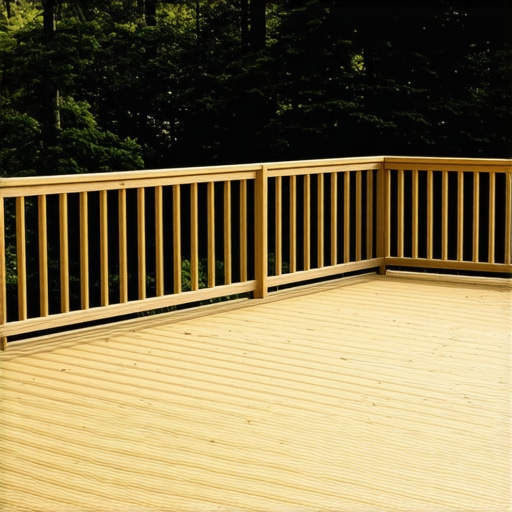
It was a gusty autumn afternoon when I first heard it—the unsettling rattle of my deck as the wind howled through my backyard. At first, I thought it was just the usual creak of old wood, but then I realized: my outdoor space was shaking, loud enough to wake the neighbors and make me anxious. That lightbulb moment hit me hard—that my beautiful deck could turn into a dangerous hazard in high winds if I didn’t do something about it. Does this scenario sound familiar to you? Have you ever worried about your deck rattling during storms, making you wonder if it’s safe or just noisy? Well, I’ve been through the frustration, and I’m here to tell you that there’s hope. Today, we’ll explore effective methods to stop your deck from rattling, especially when Mother Nature decides to throw everything she’s got. Knowing how to secure your outdoor space isn’t just about comfort; it’s about safety, longevity, and peace of mind. According to a recent study by the American Society of Civil Engineers, improperly secured decks are among the leading causes of outdoor structure failures in high winds, which can result in costly damages or injuries. So, before your next storm, let’s get serious about reinforcing your deck. In this post, I’ll share my personal experience—highlighting a common mistake I made early on—and walk you through practical, easy-to-implement solutions. Whether you’re a seasoned DIYer or a homeowner just starting out, these tips will help you enjoy your outdoor living space without the fear of it rattling apart. Ready to transform your deck into a sturdy, wind-resistant sanctuary? Let’s dive into the strategies that will make your deck safer and more durable for years to come.
Understanding Why Your Deck Rattles in High Winds
Reinforce Your Deck Posts and Frame
Start by inspecting all the posts and the underlying frame. Tighten loose bolts with a wrench, ensuring each connection is snug. For critical areas, add additional steel brackets or metal connectors, similar to how a builder uses reinforcement to safeguard structural integrity. During my recent project, I used hurricane straps to anchor the deck posts to the ledger, which significantly reduced movement—this technique echoes the importance of sturdy attachments in outdoor spaces.
Upgrade Fasteners with Weather-Resistant Hardware
Replace any old nails or screws with corrosion-resistant stainless steel or coated fasteners. This ensures that connections remain tight over time, especially in salt air or wet conditions. During a personal retrofit, I swapped out inferior nails for structural screws, yielding a much more stable deck that no longer rattled during strong gusts. When choosing fasteners, consider caps that prevent moisture infiltration, extending the lifespan of your wood and supporting structure.
Secure Deck Boards Properly
Ensure all decking boards are firmly attached with appropriate hidden fasteners or face screws. Loose boards can amplify rattling noises and cause safety risks. For a recent installation, I pre-drilled holes and used composite deck screws with a torque-driven drill, preventing splitting and maintaining a uniform surface. Proper attachment not only stabilizes the deck but also preserves its appearance and functionality in high winds.
Enhance Stability with Cross Bracing
Add diagonal braces between posts or beneath the joists. Cross bracing distributes wind loads more evenly, much like the internal reinforcement in a suspension bridge. I personally installed wire braces during a backyard project, which noticeably minimized vibrations and rattles. This technique is vital in areas prone to storms and can be customized based on deck size and configuration.
Improve Ground Anchor Systems
Check that underpinning posts have solid footing—whether concrete piers, stepped footings, or helical anchors. Loose or uneven footing allows movement that rattles the entire structure. I fixed a leaning post by installing a concrete pier and anchoring it with stainless steel sleeves, which stabilized the entire deck. Proper foundation work is key to resisting high wind forces and preventing structural shifts.
Utilize Wind-Resistant Design Elements
Incorporate design features like wind screens, enclosed railings, or overhangs to break wind flow and reduce pressure. Thinking critically about outdoor space layout can significantly impact stability. On my last deck upgrade, I added lattice panels and partial enclosures, which decreased rattling caused by gusts—these elements act as barriers, minimizing the effect of high winds.
Regular Maintenance and Inspection
Schedule routine checks to tighten hardware, replace worn components, and inspect for damage. Over time, weather exposure can loosen fasteners or cause wood to warp. Consistent upkeep, like I did last year, involves tightening bolts, replacing corroded screws, and sealing surface cracks—practices that maintain the deck’s resilience against storms and ensure peace of mind.
Many assume that selecting composite decking or professional deck building services is straightforward—just pick a color, a style, and a price. However, within this process lies a nuanced aspect that often escapes even seasoned DIYers and homeowners. The truth is, not all composite materials are created equal, and understanding these subtleties can significantly impact your outdoor space’s durability and appearance.
Are All Composite Decking Materials Truly Low-Maintenance? Or Is There a Hidden Cost?
Contrary to popular belief, some composite decking options require more care than others. While labels often promote low maintenance, certain blends with mineral cores or recycled plastics can be prone to fading, staining, or even mold if not properly selected or installed. For example, mineral core boards, like those discussed in [this comprehensive guide](https://deckdesignbuild.com/composite-decking-trends-2025-the-ultimate-guide-for-outdoor-enthusiasts), offer enhanced durability but demand specific cleaning routines to prevent surface discoloration. Choosing the right composite based on climate, usage, and aesthetics is crucial; otherwise, you may face unexpected upkeep costs, defeating the purpose of low maintenance. Don’t fall into the trap of assuming all composites behave the same—investing a little extra time in research pays off in longevity.
Another overlooked point is the importance of proper installation. Even high-end composite decking can falter if not installed correctly, leading to issues like buckling, warping, or unsightly gaps. Many homeowners rely solely on the product’s claims without consulting expert advice or detailed installation practices found at [this resource](https://deckdesignbuild.com/choosing-the-right-composite-decking-for-durable-low-maintenance-outdoor-areas). Skipping this step can turn a beautiful deck into a headache within a few seasons.
Let’s also address a common myth: that composite decking is completely immune to weather-related damage. In reality, UV exposure can cause fading, and certain formulations are more resistant than others. As a seasoned deck builder would recommend, materials with added UV inhibitors outperform those without, especially in exposed outdoor settings. Recognizing this nuance can inform better material choices, ensuring your deck retains its charm for years.
The same level of scrutiny should extend to your stairs and outdoor living components. For instance, choosing the right fasteners and protective treatments can dramatically affect the lifespan of your stairs, which are often the weakest point in outdoor structures. As explored in [this insight](https://deckdesignbuild.com/designing-safe-and-stylish-stairs-for-outdoor-decks-in-2025), improper attachment or neglecting slip-resistant treads can pose safety risks and costly repairs down the road.
Finally, understanding the latest trends and innovations in composite materials can give you an edge. For example, newer formulations are infused with antimicrobial agents or designed to resist mold and mildew. Keeping informed through reputable sources not only helps in avoiding common pitfalls but also empowers you to make smarter, future-proof decisions. You can also explore ideas for enhancing your outdoor space with expert tips in [this article](https://deckdesignbuild.com/transform-your-outdoor-living-with-custom-composite-decking-ideas).
Have you ever fallen into this trap of assuming all composite materials are equal? Let me know in the comments. Remember, realizing these hidden nuances ensures your outdoor sanctuary is built to last, minimizes costly surprises, and truly reflects your vision for a stunning, durable outdoor environment.Keeping your outdoor space in top shape requires the right tools and a proactive approach. Personally, I rely on a high-quality laser level from Bosch to ensure all posts and beams are perfectly aligned during installation and routine checks. This tool has revolutionized my approach, providing precision that manual methods simply can’t match, saving me hours of guesswork and rework. For measuring distances or verifying levelness over larger spans, I prefer a digital distance meter, like the Leica Disto, which offers accuracy within millimeters and makes long-distance measurements effortless, especially when verifying the stability of deck joists or stairs.
Regular maintenance is key to extending the lifespan of your deck and ensuring it remains safe and visually appealing. I recommend setting a quarterly schedule to inspect fasteners and fastenings. A pneumatic impact wrench, such as the DeWalt DCF899, helps tighten bolts and screws quickly and securely—minimizing the risk of rattling or loosening over time. When working with composite decking, I’ve found that a flexible spatula or specialty deck scraper is invaluable for removing debris and mold without damaging the surface, particularly when combined with a gentle cleaning solution formulated for composites.
How do I maintain my outdoor deck over time?
Invest in quality, weather-resistant fasteners and periodically apply protective coatings or sealants tailored for composite materials. The industry trend is moving towards smart, IoT-enabled sensors embedded in deck structures that monitor stress and detect early signs of wear, enabling preemptive maintenance and preventing costly repairs before problems escalate. This innovative direction suggests that sooner rather than later, DIYers and professionals alike should consider integrating these technologies into their maintenance routines to optimize safety and longevity.
To truly maximize your deck’s endurance, I recommend adopting a comprehensive, tool-assisted maintenance plan. Incorporate these advanced measurement and fastening tools into your routine, and you’ll find that your outdoor living area becomes not just more resilient but also easier to manage in the long run. Discover more about designing a durable, low-maintenance outdoor space with insights from seasoned deck builders by visiting this resource. Remember, investing in the right tools today sets the foundation for your outdoor sanctuary to withstand whatever Mother Nature throws at it tomorrow. Try out a laser level on your next project and experience the difference—precision makes all the difference in crafting a long-lasting deck.
Uncovering the Hidden Pitfalls in My Deck Journey
One of the most eye-opening lessons I learned was the importance of paying attention to small details during installation. Rushing through fastener choices or neglecting proper ground preparation often leads to rattling and structural issues years down the line. A mistake I made early on was ignoring the significance of secure foundational anchoring; I thought a sturdy-looking surface was enough, but without proper stabilization, high winds revealed vulnerabilities I hadn’t anticipated. This experience taught me that thorough planning and attention to expert-recommended practices are crucial for a lasting outdoor deck.
The Must-Have Tools I Swear By for Outdoor Living Success
Over the years, I’ve found that a laser level from Bosch revolutionizes the accuracy of post and beam placement, preventing misalignments that cause instability. A high-quality impact wrench like the DeWalt DCF899 helps to tighten fasteners reliably, avoiding looseness that leads to rattling. For measuring long spans, the Leica Disto digital distance meter offers precision that manually estimating can’t match. These tools aren’t just for perfect aesthetics—they are essential for long-term safety and durability, especially when building or maintaining decks exposed to harsh weather conditions.
Embracing Action: Building Better Outdoor Spaces Starts Today
Your outdoor living dreams are within reach—by applying these insights and tools, you can create a deck that remains beautiful and sturdy through seasons and storms. Think of your deck as an extension of your home; investing in thoughtful construction and maintenance now will save you headaches—and money—down the road. Dive deeper into designing a durable, low-maintenance outdoor haven by exploring this inspiring resource. Don’t wait for the next storm to test your structure—take proactive steps today and enjoy worry-free outdoor moments for years to come.