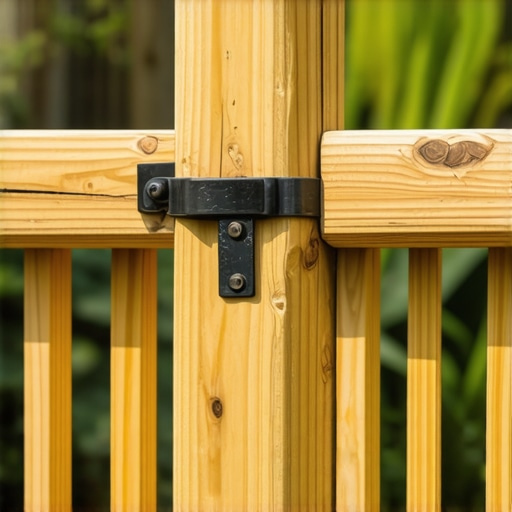
I recall the moment vividly—a warm summer morning, coffee in hand, stepping onto my deck only to feel that unsettling wobble under my foot. That shaky railing post was more than just a nuisance; it was a safety concern that had been bothering me for weeks. Trying to fix it by ripping up my beautifully installed boards seemed daunting, expensive, and frankly, overwhelming. Sound familiar? Many outdoor enthusiasts face this exact dilemma: how to stabilize a wobbly railing post without destroying the deck they’ve poured so much effort into maintaining.
Why a Wobbly Railing Post Matters More Than You Think
A loose or wobbly railing isn’t just an aesthetic issue—it’s a safety hazard waiting to happen. Imagine a friend or family member leaning on a compromised railing during a summer get-together. The risk of a fall, injury, or worse becomes real. Plus, an unstable post can cause further damage to your deck structure over time, leading to more costly repairs down the line. Early intervention can save you money and ensure your outdoor space remains both beautiful and safe.
But here’s the catch: most folks worry that fixing these issues requires ripping up parts of the deck, which sounds labor-intensive and expensive. Believe me, I’ve been there. I once tried a quick fix with some concrete and extra screws, thinking it would hold. Turns out, that was a mistake. That early misstep made me realize that understanding the root cause is crucial. Once I learned the common reasons behind post wobbliness—like soil movement, rot, or poor fastening—I discovered solutions that are effective without tearing apart my entire deck.
Are you tired of feeling uneasy every time you lean on your railing? Do you worry about the stability of those posts but dread the thought of ripping up your boards? Rest assured, there are smarter, less invasive ways to tighten and secure your railing posts. In this guide, I’ll walk you through proven techniques that save time, money, and frustration, backed by my personal experience and industry insights.
Before we dive into the how-to, it’s helpful to understand why some posts become wobbly in the first place. Knowing the causes can help you prevent future issues and keep your deck in top shape for years to come. Ready to make your outdoor space safer and more enjoyable? Let’s get started! For more tips on designing a sturdy, stylish deck, check out [insights from a professional deck builder](https://deckdesignbuild.com/deck-builder-insights-designing-your-dream-outdoor-space). Now, onto tackling that wobbly post effectively.
Assess the Wobble and Gather Tools
First, stand near the post and gently shake it to gauge how loose it is. Gather essential tools such as a cordless drill, a level, a pry bar, screws or bolts suitable for outdoor use, and some shims or scrap wood for adjustments. During my last project, I started by evaluating the wobble’s severity, which helped me decide whether simple tightening or more invasive methods were needed.
Inspect the Post and Base Thoroughly
Look for signs of rot, insect damage, or loose fasteners. Remove any covering or trim if necessary to access the post’s base. I once found a rusted bolt that had seized, so I had to cut it out and replace it. Understanding the condition of your post guides the repair process and prevents future issues.
Secure Loose Fasteners or Replace Them
If bolts or screws are missing or loose, tighten or replace them with weather-resistant hardware. Use a drill with appropriate bits to drive in new fasteners. In one instance, I swapped out rusty screws for galvanized ones, which made a significant difference in stability. Ensuring all fasteners are tight is the quickest way to improve wobbly posts.
Use Shims for Minor Adjustments
Place shims or small pieces of scrap wood between the post base and the deck framing to eliminate gaps and stabilize the post. Tap them in gently with a hammer. I often use plastic shims for durability. This method is excellent for minor shifts and can be fine-tuned with a level.
Add Support with Additional Anchors
If the post still wobbles, consider installing post anchors or brackets designed for outdoor use. These secure the post more firmly to the deck structure. During my last repair, adding a metal post brace reduced movement drastically and avoided the need for extensive rebuilding. Proper anchoring reinforces stability without sacrificing your deck’s integrity.
Reinforce the Post with Crossbracing
For extra support, install diagonal bracing from the post to the deck or ground using weather-resistant hardware. This step is particularly effective if soil movement causes the wobble. I successfully stabilized a sagging corner by incorporating bracing, which prevented future shifting.
Apply Protective Coatings and Preventative Measures
Once stabilized, treat the post with water-repellent sealant to prevent rot. Regularly check fasteners and the post condition to catch issues early. These proactive steps keep your deck safe and sturdy for years to come. If you want to see how expert deck builders approach this, check out [transform your space](https://deckdesignbuild.com/transform-your-space-expert-deck-builder-tips-for-stunning-outdoor-living) for more insights.
Many outdoor enthusiasts believe they understand the basics of designing and maintaining their decks, but in reality, there’s a wealth of nuances that can make or break the longevity and safety of your outdoor space. Contrary to popular belief, choosing the most popular composite decking or following generic advice isn’t enough.
One common myth is that all composite decks are created equal; in truth, the latest trends for 2025 highlight mineral core composites as a superior choice for durability and low maintenance, especially in high-moisture areas. Relying solely on traditional wood framing without considering the type of decking can lead to premature rot and costly repairs.
What advanced considerations should I keep in mind when selecting a deck material and design?
Your choice of materials affects much more than aesthetics. Incorporating seamless transitions, such as specialized stairs, not only enhances safety but elevates the overall architectural feel. For instance, professional-grade transitions integrate drainage and prevent water pooling, extending the lifespan of your deck. You can explore innovative solutions that ensure these transitions are both functional and visually appealing by visiting [designing safe and stylish stairs for outdoor decks in 2025](https://deckdesignbuild.com/designing-safe-and-stylish-stairs-for-outdoor-decks-in-2025).
Another overlooked aspect is the importance of precise framing and fastening techniques. Using the wrong screw patterns or improper joist spacing can cause bouncy floors or early board failures, which often surprise even seasoned DIYers. An advanced mistake is neglecting proper flashing installation, leading to hidden moisture accumulation that causes house rot—a trap many fall into despite having a supposedly well-built deck. According to expert advice, detailed attention to flashing and waterproofing can multiply your deck’s lifespan substantially.
Furthermore, common pitfalls involve stair design. Many assume standard riser heights and stringer layouts suffice, but building code-compliant, comfortable, and safe stairs requires nuanced design, especially for multi-level or custom features. Collaborating with experienced [deck builders](https://deckdesignbuild.com/the-benefits-of-working-with-a-professional-deck-builder-in-your-outdoor-projects) ensures these aspects are meticulously addressed.
Finally, even in the choice of protective coatings or sealants, misconceptions abound. Opting for generic stains rather than those formulated specifically for your deck’s materials can lead to quicker fading or surface issues. Staying informed about the latest [composite decking trends](https://deckdesignbuild.com/composite-decking-trends-2025-the-ultimate-guide-for-outdoor-enthusiasts) and tailoring your approach accordingly ensures longevity.
In summary, the realm of outdoor living design is rich with nuanced decisions that often go unnoticed. Avoid falling into these common traps by consulting comprehensive guides and experienced professionals. Have you ever fallen into this trap? Let me know in the comments.
Investing in Quality Equipment for Longevity
Maintaining your outdoor living space requires the right tools. I personally swear by a cordless impact driver like the Milwaukee M18 Fuel for securing fasteners. Its high torque and compact design make it perfect for tight spots when tightening railing bolts or replacing joist hangers. Using a impact driver reduces fatigue and ensures consistent torque, which is crucial for long-term stability.
For measuring and leveling, I prefer a Bosch GLL 3-80 Laser Level. It helps me verify that every post and stair stringer is perfectly aligned, preventing uneven surfaces that can lead to safety issues. Regularly checking alignment with a laser level ensures that your structure remains both safe and visually appealing over years of use.
Embracing Smart Maintenance Software
Beyond physical tools, more deck builders and serious DIY enthusiasts are turning to software solutions. For example, design and maintenance apps allow you to create detailed maintenance schedules, track inspections, and plan upgrades. I personally use a combination of scheduling apps and digital notes to stay on top of seasonal checks for fasteners and wood conditions, especially before winter or after heavy storms.
Focus on Preventative Care
Long-term results depend heavily on preventative maintenance. This includes applying water-repellent sealants like those from Solar Shield every few years, which I’ve found greatly reduces rot and mold. Also, inspecting and tightening fasteners biannually prevents wobbly posts and loose stairs. Making this part of your routine ensures your deck remains safe, durable, and beautiful for decades.
How do I maintain outdoor decks and stairs over time?
Key to successful maintenance is consistent, scheduled inspections combined with the right tools. For example, using a precision tool like a torque wrench when tightening post bolts prevents over-tightening or under-tightening. Preventative actions like sealing and ensuring proper drainage are also critical, especially as trends in composite decking—they’re evolving rapidly with mineral-core options offering increased durability. For future-proofing your deck, adopt these tech-savvy approaches and high-quality tools to keep it working flawlessly for years to come. Want to see how expert deck builders keep their projects in top shape? Check out their tips here. Now, go ahead and try that impact driver trick next time you adjust your railing—immediate results!
The Hardest Lesson I Learned About outdoor living,stairs,composite decking,deck builder
One of the toughest insights was realizing that quick fixes often lead to bigger problems down the road, reinforcing the importance of diagnosing the root cause before jumping into repairs. I once thought tightening a loose bolt was enough, only to find rot and soil movement behind the post—teaching me that patience and thorough inspection are essential for lasting stability.
3 Myths About outdoor living,stairs,composite decking,deck builder That Held Me Back
Believing that all composite decking ages the same or that a standard stair design suits every project delayed my progress. Breaking these misconceptions opened doors to premium materials like mineral-core composites and custom stair layouts, vastly improving safety and longevity in my outdoor spaces.
What Experts Won’t Tell You About outdoor living,stairs,composite decking,deck builder
Professionals often skip over minor details like proper flashing or fastener placement, but these overlooked steps prevent larger issues like moisture intrusion or post wobbling. Learning these behind-the-scenes secrets empowered me to build projects that stand the test of time, rather than just looking good initially.
My Essential Toolkit for outdoor living,stairs,composite decking,deck builder
Tools like a high-torque impact driver, laser level, and stainless steel fasteners became my go-to arsenal, ensuring precision and durability. These trusted essentials helped me execute projects efficiently and avoid common pitfalls, elevating my craftsmanship and confidence.
Books That Changed How I View outdoor living,stairs,composite decking,deck builder
Reading authoritative guides on deck framing, material trends, and safety standards transformed my approach. Notably, the book “Maximizing Outdoor Space” offered innovative ideas and technical insight that directly improved my designs, inspiring continual growth.
Where to Go from Here
Embracing ongoing education through online resources, professional workshops, and shadowing experienced deck builders allowed me to refine my skills. For comprehensive tips on designing stunning outdoor living spaces, I recommend exploring these insights from seasoned professionals. Now, take action—your next project awaits, and the lessons learned will guide every step you take.