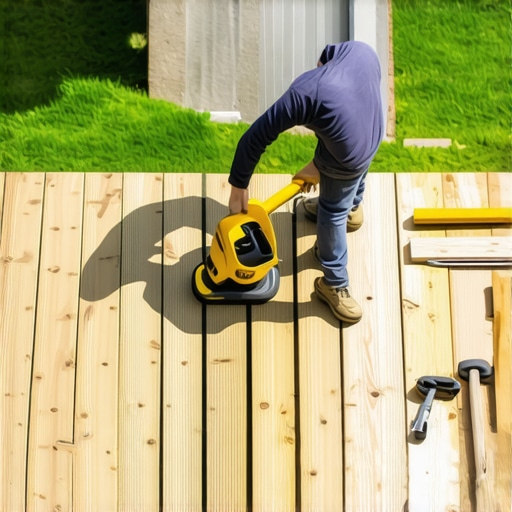
Imagine this: it’s a perfect summer weekend, and I’ve got friends coming over. We’re all eager to enjoy the backyard, share some laughs, and unwind on the deck. As I step onto the outdoor space, my heart sinks—literally. One side of my deck was sagging noticeably, and I knew it was only a matter of time before it became a safety concern. That sinking feeling? Well, it was more than just the wood—it was about losing trust in my own backyard oasis.
Why a Sinking Deck Can Turn Your Happy Place into a Hazard
It’s easy to overlook small shifts in your deck’s levelness, especially when everything looks fine at first glance. But over time, these tiny inclines can become significant hazards, risking trips, falls, or worse. My experience taught me a hard lesson: neglecting deck sinking issues doesn’t make them go away; it often worsens the problem, leading to costly repairs or complete replacements. Early intervention not only preserves safety but also saves money.
Did you know that a deck that sinks on one side can weaken its structural integrity over time? According to recent industry insights, poorly maintained decks are among the leading causes of outdoor injury accidents—many of which could be prevented with proper maintenance and timely repairs (source). That’s why understanding how to level an old, sinking deck is a skill every homeowner should develop.
Now, I want to ask—have you noticed your deck starting to tilt or wobble? If so, you’re not alone. Many homeowners face this issue and simply accept it as part of aging, but there’s good news: with some straightforward steps, you can restore your deck’s level and safety. That’s exactly what we’re going to walk through now.
Assess the Damage and Gather Tools
Start by inspecting your deck thoroughly to identify which areas are sinking or uneven. Use a carpenter’s level or a long straight board and a measuring tape to evaluate the surface. I remember my first attempt—by placing a level across the deck surface, I noticed a tilt on one side that was barely perceptible without tools, but it was enough to cause concern. Gather essential tools like a wrench, jack posts, shims, concrete mix, and a post-hole digger. Having everything ready ensures a smoother repair process.
Lift and Stabilize the Sinking Sections
Use a hydraulic bottle jack wrapped with a pad or a sturdy wooden block to gently lift the sunken section. Place the jack under a supporting beam or a strong part of the frame. When I did this, I took care to lift slowly to avoid damaging the decking boards. Insert wooden shims or scrap lumber to hold the deck at the desired level temporarily. Think of this step as giving your deck a ‘lift’ akin to raising a sagging tent—careful, controlled movements are key.
Secure the Support Structure
Once level, reinforce the area by adding new concrete footings or extending existing piers underneath. Dig holes at appropriate locations, pour concrete, and install new posts or adjustable steel supports. I learned the hard way that using quality posts and proper anchoring prevents future sinking. For best results, review [creating seamless transitions with stairs](https://deckdesignbuild.com/creating-seamless-transitions-stairs-as-key-elements-in-outdoor-living) to integrate repairs smoothly with your deck design.
Adjust Posts and Reinforce Frame
After installing or adjusting supports, cut posts to the exact height so the deck surface aligns perfectly. Bolt or secure the frame to the new supports. Tighten all fasteners and double-check with the level. In my experience, this precision prevents uneven bouncing and extends the deck’s lifespan. When considering stairs, keep in mind that proper stringer installation can dramatically improve safety—learn more about standard practices at [the hidden benefits of supporting outdoor stairs](https://deckdesignbuild.com/the-hidden-benefits-of-supporting-outdoor-stairs).
Seal and Protect
Finish by sealing all newly installed wood with a high-quality outdoor sealant or stain, especially around the posts and support areas. This helps prevent rot and moisture damage, ensuring longevity. I noticed that neglecting this step accelerated wear in my repairs, so regular maintenance is crucial. For aesthetic upgrades, explore the latest trends in [composite decking](https://deckdesignbuild.com/composite-decking-trends-2025-the-ultimate-guide-for-outdoor-enthusiasts) and consider upgrading to materials that resist warping and mold.
When it comes to designing and maintaining outdoor spaces, many homeowners rely on common advice that, while popular, can be misleading or incomplete. Let’s examine some nuanced pitfalls and advanced mistakes that even seasoned DIYers and professionals sometimes overlook. Understanding these complexities can significantly elevate the safety, durability, and aesthetic appeal of your outdoor projects.
Are Cheap Materials Really a Cost Saver in the Long Run? Think Again
It’s tempting to choose cheaper decking boards or fasteners to save upfront costs, but in my experience, this approach often leads to higher expenses over time. For instance, low-quality composite boards may seem like a bargain initially, but they tend to warp, fade, or develop mold faster than premium options. A study by the 2015 decking survey highlights how investing in higher-grade materials yields better long-term value, reducing maintenance costs and replacement frequency.
A common myth is that all composite decking is equal. However, advancements like mineral core technology and UV inhibitors have transformed the market. Selecting the right product based on environmental exposure, foot traffic, and aesthetic preference can prevent issues like premature warping or surface degradation, which often don’t surface until years later. Don’t fall into the trap of assuming the cheapest option will serve you best—your future self will thank you for choosing quality now.
Misconceptions About Stairs and Safety: More Than Just Code Compliance
Many DIY enthusiasts focus solely on meeting the minimum code requirements when installing outdoor stairs, but there’s a significant nuance they often miss. Proper stair design enhances safety and user experience far beyond compliance. For example, adhering strictly to the 7-inch riser height standard is good, but considering riser consistency and tread depth variation can prevent accidental trips or slips.
Advanced homeowners realize that integrating features like anti-slip surfaces, proper lighting, and seamless transitions enhances both safety and aesthetic flow. Using transition elements can elevate the overall design and usability of the space. Remember, safe stairs are not just about avoiding falls—they create an inviting pathway that integrates beautifully with your deck and landscape.
Are You Overlooking the Hidden Costs of DIY versus Professional Deck Building?
While building your own deck might seem like a fulfilling project, the hidden expenses and risks often outweigh the benefits. A skilled deck builder brings expertise in correct beam placement, load calculations, and material selection, which ensures longevity and safety. Poorly constructed decks not only risk structural failure but can also lead to costly repairs, inspection failures, or worse, accidents that could have been prevented.
Furthermore, professional installers are familiar with local building codes and permit processes. Skipping this step can result in fines or the need to redo work—expenses that could have been avoided with proper planning. So, before embarking on your DIY journey, ask yourself: do you value your time, safety, and investment enough to work with a pro?
In sum, let’s dig deeper into these misconceptions to avoid costly pitfalls and create outdoor living spaces that truly enhance your home’s beauty and safety. Have you ever fallen into this trap? Let me know in the comments.
 Maintaining a beautiful, functional outdoor living area requires more than just good design; it hinges on using the right tools and methods to keep everything in top shape over time. As a seasoned deck builder, I can attest that investing in quality equipment and adopting precise techniques makes all the difference in long-term durability and safety.
Power Up with a High-Quality Rotary Hammer
When it comes to repairing or replacing composite decking or stairs, a robust rotary hammer with SDS-Max bits becomes indispensable. I personally rely on the Milwaukee M18 Fuel SDS-Max Rotary Hammer because its power and battery life enable me to drill through concrete footings or remove old fasteners efficiently. This tool’s variable speed control allows for gentle demolition or heavy-duty drilling, saving time and reducing user fatigue. Don’t skimp on this—you’ll appreciate the speed and precision for years to come.
Invest in a Laser Distance Measurer
Accurate measurements are the backbone of perfect repairs and design adjustments. I prefer a laser distance measurer like the Bosch GLM 50 C because it provides quick, reliable readings from a safe distance, even in tricky angles or tight corners. Using this device eliminates errors that can lead to uneven stairs or misaligned deck boards. Over time, this accuracy ensures your outdoor space maintains a professional look and structural integrity, reducing costly rework.
Software Makes Planning Seamless
Modern deck projects benefit immensely from advanced design software. Programs like SketchUp or the specialized Deck Designer app enable me to visualize projects in 3D, test different layouts, and assess structural elements before a single board is cut. This proactive approach prevents mistakes, especially when working with complex stair transitions or multi-level decks. Embracing digital tools streamlines the process and elevates the final result—try integrating these into your next project for better results.
Using Proper Fasteners and Tools for Long-Term Results
Choosing the right fasteners, such as stainless steel screws with corrosion-resistant coatings, combined with cordless impact drivers like the DeWalt DCF887, guarantees that your deck and stairs hold firm over time. I always ensure fasteners are correctly driven to avoid squeaks or loose connections, which can be problematic in outdoor settings. Correct fastening techniques prevent issues like stair wobbling or deck board warping, which could otherwise necessitate frequent repairs.
The Future of Outdoor Maintenance
As technology advances, expect to see smart tools that monitor structural health in real-time or nanocoatings that provide self-healing surfaces on decking materials. Staying ahead in outdoor living maintenance involves continuously upgrading your toolkit and adopting innovative practices. For instance, integrating moisture sensors within your decking structure could alert you to potential rot or warping before it becomes visible, saving you both time and money.
Ready to elevate your outdoor space maintenance? Start by trying a laser measurement tool for your next project—they make a tangible difference in accuracy and efficiency. Remember, the key to long-lasting beauty and safety is consistent, precise upkeep backed by the right equipment.
What I Wish I Knew When Fixing My Deck Before It Became a Safety Nightmare
Getting hands-on with my deck taught me that even small signs like uneven surfaces or wobbly stairs should never be ignored. I learned the hard way that delaying repairs not only risks safety but piles up costs exponentially. Early action, like reinforcing supports or upgrading fasteners, makes a world of difference in longevity and peace of mind.
Tools That Saved My Outdoor Oasis and Why Quality Matters
Investing in a reliable rotary hammer and precise laser measurer revolutionized how I approached repairs. These tools aren’t just gadgets; they’re game changers that prevent mistakes and save hours. Trust me—skimping on equipment often leads to frustration and rework. A pro-level toolkit ensures your outdoor spaces stand the test of time.
Lessons from the Field: The Hidden Costs of Cutting Corners
Choosing cheap materials might seem budget-friendly initially, but I discovered they lead to warping, mold, and premature replacements. Modern composite decking with mineral core technology has shown me how investing in quality yields better aesthetics and durability. Additionally, installing stairs with proper transition elements elevates safety and visual flow—details that matter more than most realize.
From My Experience: The Power of Professional Guidance
Attempting a DIY deck repair without understanding load calculations or code nuances can backfire. Collaborating with a skilled deck builder saved me from costly mistakes and ensured my project met safety standards. It’s a reminder that partnering with professionals turns a good project into a great lasting investment.
What Surprised Me About Long-Term Outdoor Living
I didn’t anticipate how ongoing maintenance, like sealing new support posts or checking fastener torque, preserves the integrity of my deck and stairs. Embracing regular upkeep, supported by my toolkit, keeps the space inviting and safe for years. Remember, outdoor living is a continuous journey—embrace the details for a truly functional oasis.
Resources That Changed My Approach to Decking and Stairs
Turning to trusted sources like comprehensive guides on creating seamless transitions ([learn more here](https://deckdesignbuild.com/creating-seamless-transitions-stairs-as-key-elements-in-outdoor-living)) or expert recommendations on composite materials ([discover the latest trends](https://deckdesignbuild.com/composite-decking-trends-2025-the-ultimate-guide-for-outdoor-enthusiasts)) has transformed my project planning. These resources provide insights that save time, money, and effort, turning the daunting into doable.
Your Next Step to Perfect Outdoor Living
Now that I’ve shared my journey from sinking decks to safe, stunning stairs, I encourage you to evaluate your outdoor space with fresh eyes. Whether it’s fixing a tilt or upgrading your materials, small steps today lead to extraordinary spaces tomorrow. Remember, building or repairing your deck isn’t just about aesthetics; it’s about creating a sanctuary that stands firm over time.
Have you ever faced unexpected issues with your outdoor stairs or deck sinking? Share your experiences below—I’d love to hear your stories and tips!