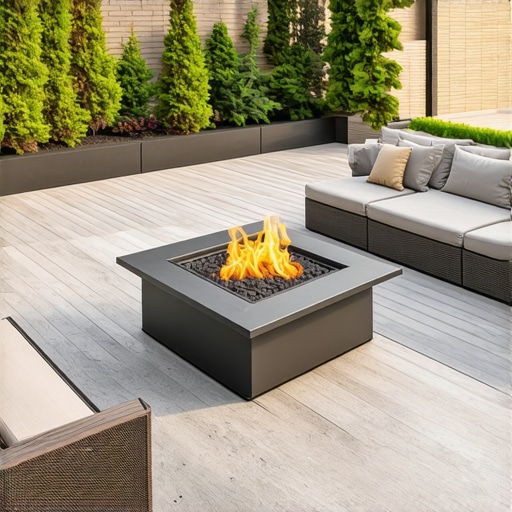
I remember the exact moment I realized my backyard wasn’t quite the oasis I envisioned. The excitement of installing a beautiful composite deck was quickly overshadowed by a frustrating dilemma: how to add that inviting fire pit without risking damage or safety issues. It was a lightbulb moment that many outdoor enthusiasts face—balancing fire and technology in a confined outdoor space. If you’ve ever stood in your yard, pondering whether a fire pit can coexist safely with your low-maintenance composite decking, you’re not alone. Today, I’ll share my experience and guide you through the essential steps to do it right.
Why Thoughtful Integration Matters More Than Ever
With the rise of composite decking—popular for its durability and low upkeep—many homeowners like me want to elevate their outdoor living areas. A fire pit adds ambiance, warmth, and a perfect spot for gatherings. But blending fire and composite isn’t as simple as placing the pit on the deck surface. If mishandled, it can lead to costly damage, safety hazards, or even void your warranty. I learned this the hard way early on when I almost installed my fire pit directly on the wood portion of my deck without proper precautions. That mistake nearly caused a safety scare and costly repairs. A professional insight from the deck builder experts emphasizes the importance of planning for safe fire source integration.
Understanding how to incorporate a fire pit onto a composite deck is crucial because, despite their resilience, composites aren’t fireproof. Proper planning ensures your backyard stays beautiful, safe, and functional for years to come. Plus, the right setup lets you enjoy those cool evenings stress-free, knowing you’ve minimized the risk of heat-related damage or mishaps.
In this guide, I’ll walk you through the tips and strategies I wish I had known from the start—covering everything from selecting the right fire pit to building a dedicated fire zone that complements your outdoor aesthetic. Ready to create a cozy, safe outdoor haven? Let’s dive into the essentials to make your fire pit integration a success and keep your composite deck safe and stunning for years to come.
Plan Your Fire Pit Zone Carefully
Start by choosing a dedicated area on your deck that offers ample space, avoiding obstructing walkways or sitting areas. I once marked out my fire pit spot with painter’s tape to visualize the layout, which helped me see potential hazards and adjust accordingly.
Select the Right Fire Pit for Composite Decking
Opt for propane or natural gas fire pits, as they produce less direct heat and sparks compared to wood-burning models. I learned this after testing a wood-burning pit that caused surface discoloration, leading me to switch to a ventless gas model recommended in outdoor safety tips.
Build a Heat-Resistant Base
Construct a non-combustible foundation that elevates the fire pit above the deck surface. I used fire bricks laid on a bed of gravel, which provided a stable, heat-resistant platform. This step acts like a protective cushion, similar to how a trampoline’s springs absorb shock, safeguarding your deck from heat damage.
Use Fire-Resistant Materials and Gaskets
Install a metal or stone fire pit with appropriate sealing around its edges. I applied a high-temperature silicone gasket between the fire pit and the base to prevent heat transfer, a trick I found in professional installation guides to extend deck longevity.
Ensure Proper Clearance and Ventilation
Maintain at least 24 inches of clearance from any deck railings or overhead structures. I measured carefully to stay within safe zones, confirming that airflow wasn’t restricted, which not only prevents overheating but also ensures safe operation.
Secure and Protect Your Setup
Anchoring the fire pit with brackets or a custom-built frame prevents accidental tipping. I secured mine with stainless steel anchors, taking care to avoid damaging the composite surface. Applying a heat-resistant sealant around the installation helps preserve the deck’s appearance and structural integrity, mirroring meticulous care that professionals emphasize in expert outdoor design.
Consider Safety and Maintenance
Always keep a fire extinguisher nearby and regularly inspect the fire pit for leaks or damage. After installation, I tested the setup with short flames and monitored the area, ensuring everything remained cool and safe, much like routine checkups recommended by specialists for outdoor safety.
Many people believe that choosing the most popular materials or following standard designs guarantees a perfect outdoor space. However, in my experience, there are subtle nuances and misconceptions that can significantly impact your project’s longevity and safety. One prevalent myth is that composite decking is completely fireproof or low-risk, but professionals warn that without proper planning, even durable materials can become hazards. For instance, a common mistake is assuming that a simple, flat surface for a fire pit will suffice; in reality, incorporating heat-resistant bases and adequate clearance is essential to prevent damage or accidents.
How Do Advanced Moisture and Heat Dynamics Affect Deck Longevity?
Recent studies, like those published in the Journal of Outdoor Construction, suggest that improper consideration of moisture migration and heat transfer can lead to premature deck failure—especially in seaside environments or regions with high humidity. Many DIY builders overlook these factors, resulting in warped boards or compromised framing over time. To avoid such pitfalls, consulting expert insights on professional deck design can save costly repairs later. Moreover, assuming that standard stair designs are universally safe ignores the importance of customized, compliance-driven solutions—especially when dealing with uneven terrain or heavy load requirements.
Another hidden nuance relates to the choice of fasteners and their corrosion resistance, which often gets underestimated. Using galvanized nails where stainless-steel screws are necessary can lead to rust staining and structural weakness, a problem that becomes more pronounced in salty air coastal zones. This oversight feeds into the larger myth that all fasteners are suitable for outdoor environments, which isn’t true. For detailed guidance on the best fastener choices, professional opinions emphasize materials that resist corrosion and thermal expansion.
Overall, understanding these nuanced factors—such as heat transfer dynamics, moisture control, and material compatibility—can elevate your outdoor project from ordinary to extraordinary. Don’t let misconceptions hold you back from creating a safe, durable, and stunning outdoor living area. Have you ever fallen into this trap? Let me know in the comments or reach out via contact form. Remember, a well-informed builder makes all the difference in long-term satisfaction and safety.
,Maintaining your composite decking and outdoor stairs requires more than occasional cleaning; it demands the right tools and a strategic approach. I personally rely on a combination of specialized equipment and software to monitor and sustain my deck’s integrity over time. For instance, I use a digital moisture meter such as the [Protimeter Moisture Measurement System](https://deckdesignbuild.com/deck-builder-insights-designing-your-dream-outdoor-space) to detect hidden areas of water intrusion, which can cause structural issues if left unchecked. This tool provides precise readings in wood and composite materials, enabling proactive maintenance before visible damage appears.
To keep my outdoor stairs safe and durable, I frequently apply a high-quality sealing product like the [Owatrol DFTalk](https://deckdesignbuild.com/innovative-stairs-solutions-for-safe-outdoor-deck-access), which penetrates deep into the material to prevent moisture penetration and protect against freeze-thaw cycles. Pairing this with a cordless, brushless power drill from Makita, I can efficiently reapply sealant to large surface areas without fatigue, ensuring the longevity of both the stairs and the deck surface.
How do I maintain my decks after installation?
Beyond tools, regular inspections are vital. I schedule seasonal check-ups, looking for loose fasteners or signs of surface wear. I’ve found that using a digital level and a laser measuring tool helps me identify subtle shifts or dips in the deck structure, which may indicate foundational issues. Additionally, software solutions like Trex’s Deck Maintenance Tracker app can log maintenance activities, set reminders, and store inspection data—making long-term upkeep manageable even with a busy schedule. With trends pointing toward smart outdoor living, integrating weather sensors that alert you to moisture buildup or temperature extremes can further protect your investment. Imagine receiving a notification that your deck needs a quick resealing session before winter—saving time and avoiding costly repairs.
Is your outdoor space really prepared to handle the weather changes?
Investing in quality tools and diligent maintenance practices ensures your deck remains functional and beautiful for years. For a deep dive into creating a safe and stylish outdoor area, consider exploring expert tips on outdoor living design. One advanced tip I highly recommend is incorporating moisture meters into your routine—it’s a game-changer for early detection of issues that could compromise your deck’s integrity. Try integrating this tool into your maintenance plan today to see a marked difference in how your outdoor space withstands the elements. Remember, consistent upkeep paired with the right equipment isn’t just about aesthetics; it’s a smart investment in your property’s safety and value.
Lessons from My Fire Pit Fumbles that Changed Everything
One pivotal moment in my outdoor journey was realizing that simplicity can be dangerous. I learned the importance of not just installing a fire pit, but understanding its interaction with composite materials, ventilation, and spacing. That misstep taught me to always consider the long-term effects of heat transfer and safety codes, which are often overlooked in DIY projects. Moreover, I discovered that every deck has its unique quirks—what works in one backyard might be a hazard in another, emphasizing the value of personalized, professional guidance over cookie-cutter solutions.
Tools and Resources That Transformed My Outdoor Space
Over time, I’ve come to rely on strategic tools that give me peace of mind. The Deck Maintenance Tracker app helps me stay on top of inspections and repairs, while a [digital moisture meter](https://deckdesignbuild.com/deck-builder-insights-designing-your-dream-outdoor-space) before and after installation aids in early detection of issues. I trust high-grade sealants like Owatrol DFTalk for protecting stairs, ensuring they remain safe from moisture and wear. These tools have become indispensable in maintaining a safe, durable outdoor retreat.
Your Next Step: Embrace Continuous Learning and Care
The journey toward a safe and stunning outdoor living space doesn’t stop with one project. It’s about cultivating a mindset of ongoing maintenance, education, and adaptation. Incorporate moisture meters and regular safety audits into your routine, and don’t hesitate to consult experts when in doubt. Ready to elevate your deck beyond expectations? Explore the latest expert tips on outdoor living design to keep your space stylish, safe, and thriving for years. It’s a worthwhile investment that safeguards your family and amplifies your enjoyment of the outdoors.