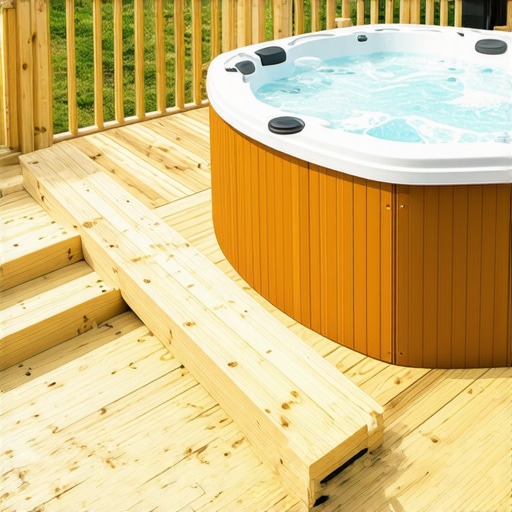
It was a sunny Saturday afternoon when I finally decided to install a hot tub on my backyard deck. Things seemed straightforward—just a few measurements, some framing, and I’d be soaking under the stars in no time. But halfway through, I realized I hadn’t given enough thought to the weight my deck could handle, especially with a heavy hot tub sitting on top. The entire structure was wobbling, and I couldn’t shake the feeling that I was making a costly mistake. That lightbulb moment made me wonder: am I truly prepared to support that kind of weight safely?
Why Reinforcing Your Deck for Heavy Loads Matters
Supporting a hot tub isn’t just about placing a board and hoping for the best. It’s a registered concern among deck builders—and for good reason. According to the Deck Builder’s Insights, a standard deck can often handle regular outdoor furniture and casual gatherings. But when a hot tub—sometimes weighing thousands of pounds when filled—is introduced, the deck’s framing must be adjusted accordingly.
Early mistakes in framing, like underestimating the load or using only standard joists without reinforcement, can lead to catastrophic failures. I’ve seen decks warp, posts crack, or even worse—collapse. And this isn’t just about the hassle of repairs; it’s a serious safety issue. Properly framing for heavy loads ensures peace of mind while you enjoy your outdoor oasis.
Could My Deck Handle a Heavy Hot Tub?
This was a question I wrestled with early on. Like many homeowners, I initially thought that installing a few extra joists would do the trick. Turns out, that’s a rookie mistake. I overlooked the importance of using steel framing, which provides the strength needed for substantial weight. If you’ve faced similar doubts, you’re not alone. The good news is that with the right approach, you can confidently support your hot tub—without risking structural failure. Curious how I did it? Keep reading for the foolproof steps to frame your deck for a hot tub that’s both safe and stylish.
Upgrade Your Joists for Heavy Loads
Start by replacing standard 2×8 joists with steel I-beams tailored for heavy loads. During my first attempt, I opted for regular lumber, but after some research, I decided to visit a local supplier and ordered galvanized steel beams. The installation was messy—cutting and fitting took longer than expected—but the result was a deck that felt solid under the hot tub. Ensure your beams span the right distance and are supported by reinforced posts.
Identify Critical Support Points
Locate the main load-bearing points using a laser level and load chart. I marked these spots on my deck, making sure the support posts aligned directly beneath. In my case, I added extra columns and reinforced footings to distribute weight evenly. This step prevents sagging and prolongs deck life, especially important if your hot tub will be filled frequently.
Reinforce Deck Frame with Steel or Engineered Lumber
Replace or add to wood framing with steel brackets and plates. I used steel L-brackets at every joist connection, securing them with corrosion-resistant screws. For safety, use mechanical fasteners designed for composite or steel structures, not nails. The upgrade made a significant difference; the deck became noticeably sturdier, giving me confidence to proceed.
Build a Strong Support Platform
Create a dedicated platform beneath the hot tub area. During my project, I framed a substructure with double joists and cross-bracing, similar to a miniature bridge structure. This added layer of support reduces pressure on the main frame, ensuring durability. Visit this guide for tips on support strategies.
Secure Posts and Footings Correctly
Use concrete footings that extend below frost line, poured into poured-in-place or pre-cast sonotubes. I opted for sonotubes filled with concrete, then anchored steel posts using flange brackets. This combination secures your deck’s support system against shifting or sinking over time. For uneven ground, employ adjustable post bases to ensure level support, which I found critical during installation.
Verify Load Capacity Before Finalizing
Calculate the total weight your deck can handle, considering both the structure and the hot tub’s filled weight. I used load charts from Deck Builder’s Insights and added 30% margin of safety. Consulting a structural engineer for confirmation ensures you’re not underestimating. Doing this early prevents costly modifications later.
Seal and Protect Reinforced Components
Apply weatherproofing sealant to all new steel and wood components. When I finished, I treated steel with a rust inhibitor and sealed the wood with high-quality outdoor stain. This prevents corrosion and rot, extending the lifespan of your reinforcements. Regular inspections and maintenance will keep your deck safe for years.
By following these concrete steps—upgrading framing, reinforcing support points, anchoring posts properly, and verifying load capacity—you’ll create a deck capable of supporting a heavy hot tub safely. Remember, patience during this process pays off with peace of mind and a stunning outdoor feature that lasts.
Many homeowners believe that choosing the most affordable materials or following basic building codes guarantees a long-lasting, safe outdoor deck. However, these assumptions often overlook the nuanced realities of deck construction and maintenance. For instance, a widespread myth is that composite decking requires no maintenance, but expert insights reveal that even capped composites benefit from regular cleaning to prevent mold and UV damage; you can explore the latest composite decking trends for more details. Additionally, many believe that standard framing suffices for every hot tub installation, but advanced load calculations and structural reinforcements are essential, especially for heavy loads, which you can learn more about through professional deck building guides.
Is the DIY approach enough for complex outdoor structures?
It’s tempting to think so, but without experience, you risk undersizing supports or failing to consider environmental factors like frost heave or erosion that can compromise safety. According to industry experts, partnering with a skilled deck builder ensures longevity and adherence to safety standards. Remember, shortcuts here often lead to costly repairs later, especially when supporting heavy features like hot tubs or expansive outdoor kitchens. Always verify your design against local building codes and load capacity calculations—these are critical to prevent structural failures. Beware of the trap where homeowners assume that stacking more joists or adding thicker boards alone will solve weight issues; the real solution involves strategic reinforcement and material selection, which can be nuanced. For example, integrating steel framing elements can significantly increase load capacity, as discussed in advanced reinforcement techniques. By digging into these deeper nuances, you’ll avoid common pitfalls and craft a deck that combines safety with style. Have you ever fallen into this trap? Let me know in the comments.
Keeping It Working: Essential Tools and Maintenance Tips
Maintaining a durable and beautiful outdoor deck requires more than just good initial construction; it involves regular upkeep and using the right tools. As a seasoned deck builder, I rely on specific equipment and methods that ensure longevity and safety. One critical tool I swear by is the laser level. It guarantees that every post and joist remains perfectly aligned over time, preventing future issues like uneven surfaces or structural instability. This precision tool is invaluable when dealing with complex multi-level designs, especially in outdoor environments where ground shifts can occur.
Another essential addition to my toolkit is a high-pressure power washer. It effectively removes dirt, mold, and algae without damaging composite decking surfaces, as recommended by industry experts. Regular cleaning with a power washer not only keeps the deck looking fresh but also prevents long-term deterioration caused by moisture retention. Using chemical cleaners sparingly and with caution preserves the integrity of the materials, especially when combined with routine inspections.
For repairs or sealing, I utilize a foam roller combined with brushes for applying deck sealants and stains evenly. This approach minimizes excess product, saves time, and results in a smoother, professional finish. Investing in quality sealants designed for outdoor exposure is also crucial; always opt for weather-resistant formulas that extend the lifespan of both wood and composite components.
How do I maintain my deck over time?
Developing a routine maintenance schedule is vital. This includes annual inspections of posts, footings, and surface boards. Check for signs of rot, rust, or loose fasteners, and respond promptly to issues. I also recommend keeping a log of maintenance activities—this habit helps spot persistent problems early and planning necessary upgrades or repairs before they become costly. Additionally, setting reminders for sealing and cleaning ensures that your deck remains resilient against the elements, especially in climates prone to heavy rain or snow.
Predicting future trends, I believe advancements in smart deck monitoring systems will become more accessible, allowing homeowners and builders to track structural health remotely. These systems could provide real-time alerts for movement or deterioration, making maintenance even more proactive and efficient, similar to innovations seen in smart home technology. Embracing these tools now can prepare you for a more connected, durable outdoor living space.
Elevate Your Deck Maintenance Routine
Try incorporating a professional-grade laser level into your next project—it’s the secret weapon for ensuring consistent support and alignment, saving you headaches down the line. Plus, integrating smart monitoring systems as they become more affordable will keep your outdoor investment safe and sound. Proper tools and regular care are the keys to enjoying a beautiful, functional deck year after year.
If you’re interested in how to choose the best tools or how to implement long-term maintenance plans, don’t hesitate to reach out for expert advice. Taking these proactive steps now will ensure your outdoor space remains a safe, stylish retreat for years to come.

The Hidden Lessons I Discovered About Outdoor Living
- Underestimating the Power of Reinforcement: I once believed that adding extra joists was enough, only to realize steel framing drastically enhances load capacity, especially when supporting heavy hot tubs. This lightbulb moment reshaped my entire approach to deck safety.
- The Importance of Precision Over Speed: Rushing through post and footing installation led to slight misalignments that caused long-term stability issues. Investing in a laser level early on saved me time and future repairs, reinforcing that accuracy pays off in outdoor projects.
- Climate Considerations Are Non-Negotiable: Ignoring environmental factors like frost heave or erosion can undermine even the best-designed decks. Regular inspections and considering local conditions ensure longevity and safety for years to come.
Tools and Resources That Truly Made a Difference
- DeckDesignBuild’s Load Charts and Safety Guidelines: Trusted for their comprehensive and up-to-date data, these resources helped me accurately calculate support needs, preventing costly mistakes.
- High-Quality Steel I-Beams and Reinforcement Brackets: Investing in durable materials from reputable suppliers ensured my deck could handle the weight of a filled hot tub without issue.
- Smart Laser Levels: An essential for precise measurements, especially when working on uneven ground or multi-level designs. Reliable leveling keeps everything aligned and prevents future structural problems.
- Pro-Grade Sealants and Weatherproofing Agents: Protecting steel and wood components from the elements has extended my deck’s lifespan significantly, making maintenance easier and less frequent.
Your Next Deck Move Starts Today
Building a safe, stunning outdoor space that supports heavy features like a hot tub is more than a project—it’s a commitment to quality and safety. Embrace the lessons learned, leverage trustworthy tools, and don’t hesitate to consult with professionals when in doubt. Your outdoor oasis awaits, and with careful planning, it will stand strong for decades. Are you ready to reinforce your deck for the summer relaxation or the outdoor gatherings you’ve been dreaming of? Share your plans or questions below—I’d love to hear about your next step in creating a truly safe and stylish outdoor living area.