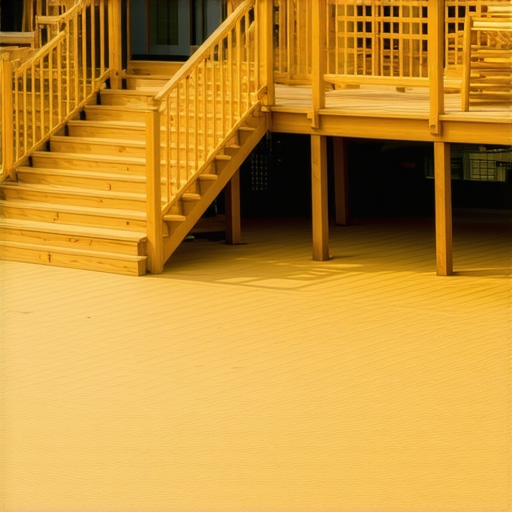
I remember the day I set out to design my backyard deck. I was eager, envisioning a beautiful outdoor space perfect for gatherings. But as I laid out the plans, I hit a frustrating wall—nothing seemed to harmonize with my home’s modern architecture. The deck looked out of place, like an afterthought rather than a seamless extension of my house. That realization was a lightbulb moment for me. I learned that a deck’s design isn’t just about choosing pretty boards; it’s about crafting an outdoor feature that complements and enhances your home’s unique style.
The Hidden Impact of a Cohesive Design
Choosing a deck that matches your home’s architecture isn’t merely aesthetic—it’s about creating a harmonious flow between indoor and outdoor spaces. When your deck aligns with your house’s style—be it Victorian, modern, rustic, or minimalist—it elevates your entire property. Yet, many homeowners overlook this, rushing to pick any decking material or simple railing without considering the overall look.
In my early projects, I made the mistake of focusing solely on durability and price, neglecting how the deck’s style would fit with my home’s lines. That misstep resulted in a jarring contrast, diminishing the visual appeal. The good news? With a few thoughtful considerations, you can avoid this pitfall and design a deck that feels like a natural part of your home.
Is It Really Possible to Match Decks to Any Home Style?
Absolutely, but it requires understanding your home’s architectural language and selecting materials, colors, and styles that resonate with it. For example, a Craftsman-style house calls for warm-toned woods and traditional balustrades, while a sleek, modern home benefits from minimalist metal railings and composite decking in neutral shades. Don’t worry—I’m here to guide you through this process, so your outdoor space becomes an inviting extension of your home’s personality rather than an awkward addition.
One common mistake I made early on was to underestimate how significant details like stair style, railing design, and even the choice of decking material could influence the overall harmony. Experienced professionals often emphasize planning to avoid these mismatched elements (see deck-building insights for more). The good news is, with a little research and some tailored choices, you can craft a deck that elevates your home’s curb appeal and functionality.
Now, let’s dive into practical steps to help you design a deck that truly matches your house’s architecture—starting from style considerations to material selections. Ready to turn that mismatch worry into a design masterpiece?
Select Materials that Match Your Home’s Style
Start by analyzing your home’s architecture—does it feature clean lines, ornate details, or rustic charm? If your house is modern with sleek surfaces, opt for composite decking in neutral tones and minimalist railing designs. Conversely, if your home showcases traditional features, warm-toned wood and decorative balustrades will complement it well. I once chose a dark composite for a colonial-style home, which looked out of place until I switched to a lighter, wood-look product, creating an instant harmony.
Choose a Color Palette That Enhances Your Architecture
Use color theory to pick hues that blend seamlessly. Modern homes often look great with charcoal or grey shades, while warm browns suit rustic designs. Select decking and railing colors that either contrast subtly or match existing elements like window trims or shutters. I found that painting my deck in a shade matching my house’s window frames made the transition between indoors and outdoors feel natural.
Match Stair and Railing Styles to the House Design
Stairs and railings are key visual connectors. For contemporary homes, go for sleek metal railings and straight, wide stairs. For craftsman or cottage styles, incorporate traditional balusters and curved handrails. I once built a set of stairs with simple steel balusters for my modern house, which perfectly echoed the architectural geometry. Consistency here creates a seamless aesthetic.
Use Realistic Analogies to Clarify Design Choices
Think of your deck and house like a well-dressed outfit: the flooring is the shirt, the railing is the belt, and the stairs are the shoes. Each piece should match in style and color, so the outfit looks intentional and complements your body (your home). Just as mismatched shoes and a fancy shirt disrupt an outfit, discordant deck elements can spoil your home’s curb appeal.
Plan for Functional Elements Without Sacrificing Style
Incorporate features like lighting, storage, and seating that align with your design. For example, embedded LED lights in modern railings add elegance and safety without breaking the aesthetic. I added a weatherproof storage box under my stairs, painted in the same hue as the deck, maintaining visual flow while adding practicality. Remember, practical details should feel intentional and complement your style.
Coordinate Materials for Long-Term Cohesion
Stick with a material family — for example, choosing composite decking with matching fasteners and railing components ensures longevity and maintains consistency. Using a mismatched mix of plastic, metal, and wood parts often leads to visual clutter and premature wear. I learned this the hard way when I mixed different fasteners, which rusted inconsistently, ruining the look. Sticking to a single quality source simplifies maintenance and keeps the design unified.
Work with Professionals for Precise Execution
The devil is in the details—accurate measurements, proper support structures, and safety standards matter greatly. A skilled deck builder can help you interpret your design vision into reality, ensuring every component aligns perfectly. I collaborated with a professional, which eliminated mistakes like uneven stairs or misaligned rails, and the result was a deck that felt integrated and sophisticated. Especially when matching details like stair rises or railing patterns, expert insight ensures a seamless finish.
Remember Safety and Durability
Apart from style, focus on safety. Use weather-resistant fasteners and slip-resistant decking surfaces. Incorporate code-compliant railings and proper stair supports. This focus protects your investment and ensures your outdoor space remains beautiful and safe for years to come.
When it comes to designing durable and beautiful outdoor spaces, many homeowners and even some professionals fall prey to misconceptions that can compromise the final result. Let’s explore some of these hidden nuances that often go unnoticed but can make a significant difference in your project.
Why Do So Many Believe Composite Decking Is Bulletproof?
A widespread myth is that composite decking requires zero maintenance and is entirely resistant to weathering and fading. While composites like those discussed in this guide offer excellent durability, they are not maintenance-free. Factors such as improper cleaning methods or using abrasive cleaners can damage the surface, leading to premature wear. An often-overlooked nuance is that composite boards can develop surface scratches, which become more noticeable over time, especially with darker shades. Recognizing these limitations helps in setting realistic expectations and selecting appropriate maintenance routines.
Mastering the Art: Why Your Staircase Might Be Causing More Problems Than You Think
Many builders and homeowners overlook the critical details in staircase design, risking safety and aesthetic harmony. For example, the importance of correct stair measurements cannot be overstated. An advanced mistake is ignoring the subtle but crucial aspects of tread depth and riser height consistency, which can lead to a feeling of imbalance or even tripping hazards. Furthermore, many assume that a simple railing provides sufficient safety, but the structural integrity of posts and supports plays an equally vital role. Skipping professional consultation here is a costly mistake. For sophisticated insights on crafting safe and stylish stairs, see this resource.
Is This the Real Reason Your Deck Design Isn’t Harmonizing?
One often ignored aspect is the subtle influence of material choices on the overall feel and cohesion of the outdoor space. Many think selecting a matching color palette is enough, but nuances such as railing style and stair design are equally important. As I emphasized earlier, details matter—such as the difference between traditional wooden balusters and sleek metal rails. A common pitfall is neglecting the importance of professionalism in execution, leading to misalignments and uneven finishes. Working with a professional deck builder can help you avoid these issues, ensuring every element complements your home’s architecture seamlessly.
Do you see these pitfalls in your projects? Recognizing and addressing these nuanced issues can elevate your outdoor living experience. Remember, small details often dictate big impressions. For more expert insights, check out this comprehensive guide. Have you ever fallen into this trap? Let me know in the comments.
Keeping It Working: Essential Tools and Techniques
Maintaining a beautiful and durable outdoor deck requires more than just installing quality materials; it demands the right tools, a solid maintenance routine, and a bit of expert knowledge. Over the years, I’ve refined my toolkit with a few key pieces that enable me to keep decks in top shape, ensuring they not only look great but also remain safe and functional for years to come.
First and foremost, I rely heavily on a cordless power washer for routine cleaning. I prefer models with adjustable pressure settings, such as the Karcher K5, because they provide enough power to remove dirt and algae without damaging composite surfaces. Regular cleaning with the right pressure prevents buildup that can degrade the decking over time. When cleaning, I always use a gentle, composite-specific cleaner—like those recommended in this guide—to avoid surface abrasion.
Next, I add a quality silicone-based lubricant to my wrench set to tighten loose railing screws or replace worn fasteners. For fasteners, I prefer stainless steel or coated options, which resist corrosion, especially in humid or coastal environments. When replacing or tightening screws, I avoid standard nails or low-grade fasteners that can rust or shear under stress, risking safety and aesthetic integrity.
To monitor and plan maintenance, I use digital moisture meters like the
For designing and remodeling, I turn to reliable software such as SketchUp or specialized deck design tools. These programs let me visualize projects beforehand, adjust dimensions precisely, and communicate clearly with clients or contractors. This way, I minimize costly mistakes and ensure the final result aligns with expectations. For ongoing observation, I set up a few security cameras like the Sony FDR-AX700 to record any wear or intrusions, facilitating targeted repairs or improvements over time.
How do I maintain my deck over the long haul?
Routine inspections are essential. Every season, I check for loose or corroded fasteners, splintered boards, and damaged railing components. Regularly applying a penetrating stain or sealant formulated for composite or wood decks protects against UV damage and water infiltration, which can cause warping or discoloration. For composite decks, I follow the manufacturer’s recommended maintenance schedule closely, like in this article, to optimize longevity.
In the future, I predict that laser-guided tools will become more affordable and widespread, making regular maintenance more precise and less labor-intensive. Technologies like robotic cleaners may also evolve, allowing for efficient, hands-free upkeep, especially for large or hard-to-reach areas. Embracing these advancements will help homeowners and professionals keep decks in pristine condition longer.
Don’t overlook the power of proper tools—investing in high-quality equipment can dramatically extend the lifespan of your outdoor living investment. I encourage you to try using a moisture meter or a thermal imaging camera to spot issues early; these advanced techniques can make a real difference. Feel free to explore more about professional approaches at this resource and take your deck maintenance game to the next level!

What I Wish I Knew Before Starting My Deck Journey
- I underestimated just how impactful minor details like railing styles and stair dimensions would be in creating a cohesive look. Small tweaks, such as matching railing profiles to house architecture, made a huge difference in harmony. A lesson learned: never overlook the power of thoughtful, consistent details in outdoor design.
- Choosing durable materials is essential, but understanding their limitations is equally crucial. I once believed composite decking was entirely maintenance-free; however, I found that certain cleaners and even scratches can affect its appearance over time. Real-world experience taught me to pick products and care routines based on actual performance, not just marketing claims.
- Working with professionals can prevent costly mistakes. Rushing a DIY project without expert input led to uneven stairs and misaligned post openings. Collaborating with experienced deck builders ensures precise execution, saving time and enhancing safety, especially with complex features like stairs and railings.
- Long-term maintenance tools—such as moisture meters and thermal cameras—are game changers. I started using them for early detection of issues like hidden rot, which extended the lifespan of my decks. Adopting these techniques means proactive care rather than reactive fixes, preserving beauty and safety.
- Designing with versatility in mind—like integrated lighting or hidden storage—adds significant value. Including functional features that blend seamlessly with style transformed my outdoor space into an all-in-one oasis. Prioritizing both form and function gives your deck a lasting, impressive appeal.
Tools and Resources That Elevated My Deck Projects
- Decking Guide: This comprehensive resource offers insights into selecting the right composite materials, aligning with my quest for durability and low maintenance. It helped me avoid common pitfalls, like choosing mismatched fasteners or underestimating sealant needs. Trustworthy and detailed, it’s my go-to reference for building confidently.
- SketchUp Software: Visualizing my project beforehand prevented costly errors. It allowed me to experiment with different layouts, railings, and stairs virtually, ensuring every element harmonized perfectly. Digital planning saved me time and provided clarity I couldn’t get from sketches alone.
- Professional Deck Builder Publications: Learning from seasoned experts through articles and case studies gave me real-world insights into complex topics like stair safety standards and structural reinforcement. This knowledge fortified my confidence and expanded my understanding beyond basic DIY tips.
- Moisture Meter & Thermal Imaging Tools: These cutting-edge devices revealed hidden issues invisible to the naked eye. Regular inspections using them helped me catch potential problems early, extending my deck’s lifespan significantly.
Seize Your Outdoor Oasis Today
Your journey to a stunning, cohesive outdoor living space begins with embracing every detail, from material choices to professional collaboration. Remember, thoughtful design and proactive maintenance aren’t just about aesthetics—they’re about creating a safe, functional sanctuary that lasts. Whether you’re building new or upgrading an existing deck, let your personal style shine through every element, making your outdoor space an extension of your home’s personality. Don’t wait for the perfect moment—start today, and watch your backyard transform into the retreat you’ve always envisioned.
What has been your biggest challenge in matching your deck design to your home’s style? Share your experiences below—I’d love to hear your stories and insights!