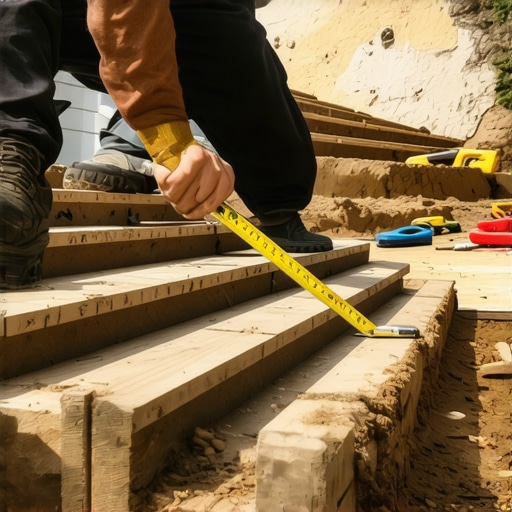
It was a warm Saturday afternoon when I finally decided to build that staircase leading down to my backyard. I was eager, tools in hand, ready to transform my outdoor space. But midway through, I realized something was off—the stairs felt uneven, and after a few steps, my knees ached more than they should have. That lightbulb moment hit me: I hadn’t properly calculated the riser height.
If you’ve ever faced a similar frustration—your stairs look wonky or are downright uncomfortable—you’re not alone. That’s exactly the problem I want to help you avoid. Today, we’ll uncover how to determine the perfect stair riser for your backyard, ensuring safe, comfortable, and stylish outdoor stairs that enhance your patio or garden. Fair warning: skipping this step can turn a simple project into a nightmare of uneven steps and tripping hazards.
Why Riser Measurement Matters More Than You Think
Think about the last time you climbed a staircase—did you notice how each step felt almost automatic, almost natural? That’s because well-calculated riser heights create a seamless flow and prevent your stairs from looking or feeling awkward. But when the riser is too tall or too short, it throws off the rhythm, which not only looks unprofessional but also risks safety. Plus, uneven steps can cause trips or falls—nothing you want in your beautiful outdoor space.
When I first started my project, I underestimated how critical it was to get this right. My early mistake was simply eyeballing the height, leading to inconsistent risers. According to the National Building Code, the ideal riser height should be between 7 inches and 8 inches for outdoor stairs—a range that balances safety with accessibility. But this isn’t just about number crunching; it’s about understanding your specific backyard grade and adjusting accordingly.
So, how do you calculate your riser height accurately? It’s simpler than you might think, and I’ll walk you through the steps. Before that, I want to make sure you’re not skeptical about whether this really makes a difference. If you’ve ever experienced uneven stairs in someone’s yard or read about the importance of proper riser measurement and felt doubts creeping in, I get it. But trust me—this matters more than you realize.
By mastering this calculation, you’ll avoid the pitfalls I faced early on, like uneven steps that drive guests (and yourself) crazy. For a more comprehensive guide on designing safe and stylish stairs, you can check out this reputable resource on staircase design. Now, let’s dive into how to find that perfect riser height tailored to your backyard’s unique terrain.
Mark the Start and End Points
Begin by choosing your lowest and highest points for the staircase, such as the patio surface and the yard level. Use a laser level or a long carpenter’s level to mark these points on stakes or walls, ensuring they are aligned vertically. In my recent project, I set up these marks and realized that the ground sloped slightly, so I adjusted my measurements accordingly. Precise start and end points serve as the foundation for an even riser calculation.
Determine the Total Rise
Calculate the vertical distance between your start and end points. Measure from the finished surface of your patio to the finished ground level of your yard, accounting for any uneven terrain. For example, my backyard slope meant I had to measure at multiple points and choose an average height to get an accurate total rise. Knowing this total helps you plan how many risers your stairs will need.
Decide on Riser Height
Refer to codes suggesting a riser height of 7 to 8 inches—think of this as the sweet spot for comfort and safety. I chose 7.5 inches for my stairs. To determine the exact riser height, divide the total rise by the number of risers you want—usually one less than the number of steps. For instance, if your total rise is 30 inches, dividing by 4 risers gives 7.5 inches per riser.
Divide and Conquer
Next, divide the total rise by your chosen riser height and round to the nearest whole number. In my case: 30 inches divided by 7.5 inches equals 4 risers. Acceptable deviations within code limits are fine, but aim for consistency. I initially tried to make the risers exactly 7.5 inches, but due to ground inconsistencies, I adjusted the final riser slightly to ensure each step comfortably matched the calculated height.
Be Prepared for Variations
If ground unevenness causes slight discrepancies, incorporate shims or adjustable stringers to fine-tune each riser. Once, I had one riser slightly taller; using a temporary spacer during framing kept the steps level. This approach offers flexibility, especially in older or irregular terrain, preventing uneven, wobbly stairs.
Transferring Measurements to Stringers
Use a framing square and a level to mark the riser heights onto your stringers. I found that cutout templates or digital angle finders made aligning the stringers easier, preventing errors that could cause uneven steps or dangerous tripping hazards. In one instance, I used a preset jig to cut multiple stringers to size, speeding up the project and ensuring consistency across all risers.
Double-Check Before Cutting
Always verify your measurements multiple times before committing to cuts. I once measured twice and cut once, only to realize I had misaligned the riser marks—wasted material and time. Rechecking ensures your stairs will fit perfectly, look professional, and function safely over years of outdoor use.
Continuing the Build
With accurate riser measurements and precise stringer cuts, you lay out your stairs, attach the stringers securely, and proceed with treads and railing. Proper measurements prevent late-stage surprises or structural issues. Remember, each outdoor project benefits from meticulous planning—taking your time with these steps saves headaches later. For advice on integrating your stairs seamlessly with existing decks and outdoor living spaces, visit this resource.
When it comes to composite decking and outdoor stairs, there’s a prevailing belief that simply choosing the right materials is enough to guarantee a durable, stylish result. However, many homeowners and even some builders overlook subtle nuances that can make or break the longevity and appearance of your outdoor living space. Let’s explore some misconceptions and critical details that often go unnoticed, helping you avoid costly mistakes.
One widespread myth is that all composite decking brands perform equally well over time. In reality, the quality of the core material, UV resistance, and manufacturer-specific formulations significantly impact durability. For example, mineral-core composites tend to resist moisture and mold better, but they are often more expensive. Skimping on quality can lead to faster fading, warping, or mold growth, which some believe are just cosmetic issues but are actually signs of deeper structural concerns. To choose the best product for your climate and lifestyle, it’s essential to research current trends and reviews, such as those discussed in composite decking trends.
Another common misconception revolves around deck framing and support structure. Many assume that a correctly installed deck will stand the test of time without considering the nuances of ventilation and moisture management. Overlooking proper spacing between joists or neglecting to include drainage gaps can trap moisture, leading to rot and deterioration, especially in coastal or humid environments. Professional deck builders emphasize that incorporating a ventilation space beneath the decking surface helps prevent trapped moisture, prolonging the life of the structure. For detailed insights, see hidden support secrets.
Stair design often gets simplified, but the hidden nuances can be overlooked, resulting in uneven steps or dangerous tripping hazards. A major mistake is assuming that standard riser heights and stringer cuts work universally. Terrain irregularities or ground shifts can cause stair treads to become uneven over time if not properly accounted for during initial planning. Advanced stair builders recommend scribing stringers to the ground, accounting for slope, and verifying measurements multiple times before cutting. This proactive approach, detailed in creating seamless transitions, saves hassles down the line.
The question arises: How do you ensure your outdoor stairs are both safe and enduring despite ground variability?
What are the best techniques to adapt stair framing to uneven terrain without sacrificing safety or aesthetics?
This is where advanced knowledge of site-specific adjustments and flexible design solutions comes in. Using adjustable stringers, shims, or modular stringer systems allows precise customization, ensuring stairs remain level and safe over the years. Experts also recommend planning for future ground movement, especially in regions prone to shifting soils, by integrating expansion joints or adjustable brackets.
Remember, successful outdoor projects hinge on attention to unseen details—like proper framing, support, and material choices—that can significantly extend the lifespan of your deck and stairs. Don’t overlook these nuances, or you might find yourself revisiting the project sooner than you’d like. Want to improve your outdoor living design further? Check out this guide for seamless transitions and stylish finishes. Have you ever fallen into this trap? Let me know in the comments.Maintaining your outdoor deck and stairs is essential to keep them beautiful, safe, and functional for years to come. The right tools and a clear routine can drastically reduce long-term problems like warping, mold, or structural issues. One of my go-to tools is a high-quality digital moisture meter, such as the Extech MO290. I rely on this to measure moisture content in wood before I seal or treat it, preventing rot and delamination. It’s especially useful for decks built with composite materials, where moisture intrusion can cause discoloration or mold—yet many overlook these early signs. Consistent monitoring allows for timely interventions, preserving both appearance and safety.
For cleaning, I avoid harsh pressure washers that can damage composites or loosen fasteners. Instead, I use a soft-bristle scrub brush paired with a gentle, biodegradable cleaner designed for outdoor wood and composite surfaces. This preserves the integrity of your materials and avoids unnecessary wear. Regular sweeping and the application of a high-quality, breathable sealant tailored for deck materials, such as capped composite sealants, protect against moisture and UV damage.
Additionally, installing guardrails and anti-slip treads not only enhances safety but also extends the lifespan of your stairs. Aluminum or rubberized anti-slip strips can be quickly and affordably added, especially in high-traffic areas or regions with frequent rain. These features help prevent accidents and reduce wear on the treads, making maintenance easier over time.
Looking ahead, I believe the trend toward smart outdoor living solutions will grow. Imagine decking systems integrated with sensors that monitor structural integrity or moisture levels and send alerts to your phone. This proactive approach to maintenance could revolutionize how homeowners care for their outdoor spaces, shifting from reactive repairs to preventive care.
How do I keep my outdoor deck and stairs in top shape over the years?
Incorporating routine inspections with reliable tools like moisture meters, gentle cleaning methods, and protective coatings ensures long-lasting outdoor spaces. Don’t dismiss minor issues—addressing small problems before they escalate can save you significant time and money. To learn more about comprehensive deck maintenance routines, explore this detailed guide. Try implementing a quarterly moisture check combined with annual sealing, and watch how your outdoor living area maintains its charm and safety over the decades.
The Hidden Gems of Proper Riser Calculation
One of the most illuminating lessons I learned was that every millimeter counts in creating safe, attractive stairs. Initially, I underestimated the importance of precise measurements, but discovering that even minor deviations can cause wobbling or trip hazards transformed my approach. Now, I always double-check each riser and stringer to ensure perfect alignment, realizing that attention to detail not only improves safety but also elevates the overall aesthetic of my outdoor space.
Tools That Turn DIY Into Art
Over time, I’ve found that investing in quality tools like laser levels and custom jig templates profoundly simplifies complex measurements. These tools don’t just save time—they enhance accuracy, reducing frustration and material waste. For instance, using a laser level to mark riser heights has become an indispensable part of my process, enabling me to achieve professional-grade results without prior experience in carpentry. Trusting reliable tools transforms what seems daunting into an opportunity for mastery.
Learning From Mistakes and Embracing Flexibility
Early on, I believed that sticking rigidly to initial plans would guarantee success. However, ground irregularities and unforeseen terrain nuances quickly taught me the importance of adaptability. Incorporating shims and adjustable stringers allowed me to adapt on the fly, resulting in perfectly level stairs even on uneven ground. Embracing flexibility has been key, transforming potential setbacks into valuable lessons that deepen my confidence and skill as a builder.
Where Real Craftsmanship Raises the Bar
For me, the true mark of quality lies in double-checking every measurement before cutting. This small habit prevents costly errors and ensures your stairs are safe for years. I also learned the significance of scribing stringers to the terrain, ensuring seamless integration with the landscape. These nuanced techniques elevate your project from functional to exceptional, turning a simple staircase into a lasting feature that enhances your entire outdoor living experience.
Curated Resources That Accelerate Your Skills
Throughout my journey, I relied on a few trusted sources that deepen my understanding. This guide to designing stylish and safe outdoor stairs offers invaluable planning tips that I wish I had from the start. Additionally, this resource on seamless transitions between deck and stairs inspired me to pay attention to flow and finishing touches. Lastly, books like Building Outdoor Stairs by seasoned craftsmen have helped me understand the art behind structural integrity and aesthetic appeal—learning from experts accelerates progress and confidence.
Take Action and Transform Your Outdoor Space
Building outdoor stairs is more than just a project; it’s an opportunity to express your creativity and commitment to safety. Every step you take toward mastery not only enhances your home’s beauty but also creates a space where family and friends gather confidently. Don’t let fear or inexperience hold you back—embrace each challenge as a chance to learn and grow.
What has been your biggest lesson learned when constructing outdoor stairs? Share your experiences below and join a community of passionate DIY enthusiasts eager to perfect their craft.