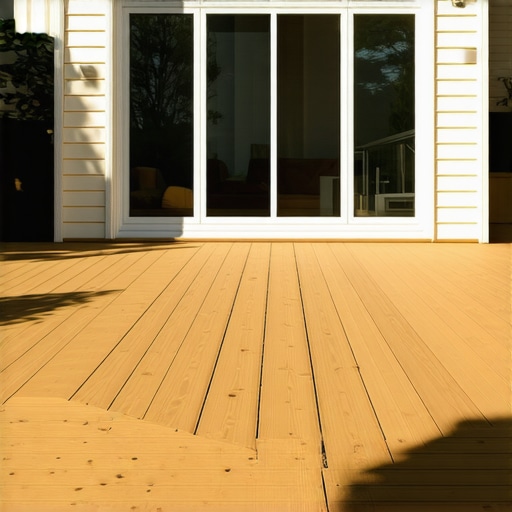
It was a sunny Saturday afternoon when I finally decided to tackle building my backyard deck. I had this grand vision of a sprawling outdoor space perfect for summer barbecues and lazy Sunday mornings. But midway through, I hit a frustrating snag—my basement windows, the ones I admired from the inside, suddenly felt closed off and overlooked. Realizing I had forgotten to consider their placement in my deck plan was a lightbulb moment for me, and perhaps for you too.
Why Blocking Basement Windows Can Be a Major Headache
Building a deck seems straightforward enough: pick your materials, frame the structure, and enjoy your new outdoor space. But one mistake I made early on was disregarding the importance of window placement. When you build a deck right up against your house, it’s easy to overlook how the deck’s height, stairs, and panels might obstruct those vital basement windows. In my case, blocking those windows wasn’t just an eyesore—it reduced natural light and made my basement feel dark and closed in, defeating the entire purpose of having those windows in the first place.
Many homeowners dive into deck construction without a clear plan for existing windows, often leading to compromises that affect both aesthetics and function. According to a recent study by the National Association of Home Builders, proper outdoor space planning can significantly increase a home’s usability and value, but only if we consider the natural light and views we cherish most. Ignoring these aspects could mean sacrificing the very features that make your basement feel connected to your outdoors.
The good news? There are practical, proven ways to design a deck that enhances your outdoor living space without blocking your basement windows. Today, I’ll walk you through the steps that helped me pivot from frustration to satisfaction, ensuring your windows stay visible and accessible, while still providing a beautiful deck.
Is Sacrificing Window Views Worth the Hype?
In my earlier days of deck building, I fell into the trap of thinking bigger was better—more space, more seating, more everything. I assumed that raising the deck or extending its perimeter would offer better views or more privacy. But I learned that overlooking crucial elements like basement windows can diminish the value and comfort of your outdoor area. My mistake was not consulting with a professional deck builder early in the process, which could have saved me time and effort. If you’re concerned about making the same misstep, don’t worry—I’ll provide some tips and insights that can help you avoid this common pitfall.
If you’re facing similar challenges or just starting your outdoor project, I recommend exploring how a skilled deck builder can transform your garden into a true oasis, all while maintaining proper window visibility. For more inspiration and expert advice, check out [this article](https://deckdesignbuild.com/how-a-skilled-deck-builder-can-turn-your-garden-into-a-private-oasis).
Let’s get ready to build a deck that not only elevates your outdoor living but also respects the features that make your home unique.
Assess Your Space and Design with Precision
Before starting, measure the height and width of your basement windows, noting their exact placement relative to the planned deck area. Use a laser level or a chalk line to mark the deck’s perimeter, ensuring that the deck’s elevation and footprint won’t obstruct these windows. For example, I once used a laser level to mark my deck’s edges, which revealed a potential blockage before any building began, saving me from costly adjustments later. Clear communication with your deck builder or contractor at this stage is crucial to embed window considerations into the design.
Choose the Right Decking Style That Preserves Views
Opt for a deck style that minimizes elevation near windows, such as a floating or cantilevered design. Using composite decking allows you to create sleek, low-profile structures that don’t tower over your basement windows. When I built my own deck, I selected a cantilevered section to extend outward without adding extra height, which kept the basement window line unobstructed and enhanced the view.
Implement Strategic Stairs and Railings
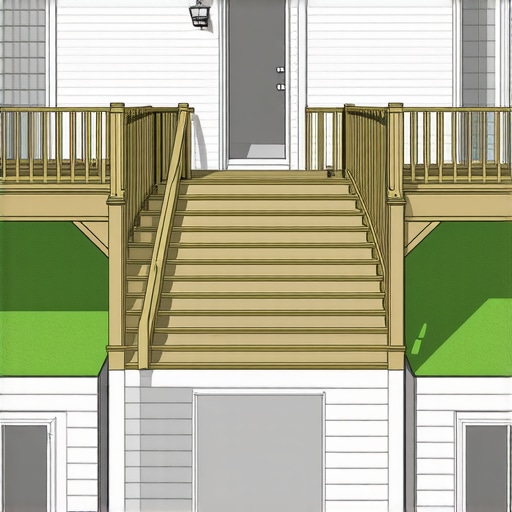
Design stairs that pivot away from basement windows to avoid blocking light. For example, instead of a straight staircase directly aligned with the windows, consider a curved or L-shaped stairway that directs traffic away. Railings should be positioned to prevent overhang over window openings; using stair and railing designs that prioritize clearance ensures natural light isn’t compromised. During my project, I used a custom staircase angle to maximize open space beneath the deck, preserving my basement’s daylight intake.
Adjust Deck Height and Framing Accordingly
Set the deck’s height to align with window sill levels. This involves precise framing—using adjustable jacks or shims during installation—to keep the deck low enough to avoid covering windows. For instance, I worked closely with my contractor to fine-tune the framing during the initial stages, which prevented any blocking and maintained a seamless aesthetic. Always double-check measurements before securing framing members, and consult guides on maximizing space with modern deck design techniques for optimal layout.
Incorporate Window Access Points or Openings
If window access needs to be preserved, design dedicated openings within the deck structure. This might involve integrating a horizontal cutout or a glass panel within a railing section to let light through. During my build, I left a small opening covered with a removable panel, allowing easy access while maintaining the overall deck integrity. Such features enhance both aesthetics and function, especially when using expert tips for stunning outdoor spaces.
By following these concrete steps, you’ll ensure your basement windows stay visible and functional, adding both value and comfort to your outdoor space. Remember, strategic planning and precise execution are key to blending your deck’s beauty with your home’s natural features.Many homeowners assume that selecting composite decking automatically ensures a maintenance-free, durable outdoor space. While it’s true that composites reduce the hassle of annual repainting, there are nuanced pitfalls that many overlook. For example, a common myth is that all composite materials behave identically; in reality, different brands and formulations—like those discussed in [2025’s latest trends](https://deckdesignbuild.com/composite-decking-trends-2025-the-ultimate-guide-for-outdoor-enthusiasts)—offer varying levels of UV resistance, fade potential, and overall longevity. Failing to consider these nuances can lead to unexpected discoloration or warping, especially in harsh sun climates.
A critical mistake often made by DIYers or even some professionals is misjudging the importance of proper stair integration, which is vital for both safety and aesthetics. Many think simply attaching stairs to a deck’s edge suffices, but advanced design principles emphasize the need for stair stringers that are precisely supported and aligned to prevent wobbling and to ensure code compliance. When you work with a [professional deck builder](https://deckdesignbuild.com/the-benefits-of-working-with-a-professional-deck-builder-in-your-outdoor-projects), they are aware of these details, reducing costly mistakes later on.
### How can overlooking stair detail compromise your whole project?
Stairs serve as the critical link between your deck and the ground; a seemingly minor oversight—like incorrect stringer spacing—can cause safety hazards, uneven steps, and aesthetic issues. It’s a common misconception that standard spacing or off-the-shelf components are sufficient; yet, experts recommend specific configurations, like 12-inch joist spacing, to prevent sagging and squeaking, especially for larger or higher decks. For innovative solutions, exploring [outdoor stairs designs](https://deckdesignbuild.com/elevate-your-home-top-stairs-designs-for-modern-outdoor-spaces) can offer both safety and visual appeal.
Beware of the ‘set and forget’ mentality regarding composite decking surface maintenance. Despite its reputation as a low-maintenance material, composites can develop issues such as mold, staining, or mold if not properly ventilated or cleaned. A hidden nuance is the selection of the right cleaning regimen and protective coatings. Using a [non-toxic cleaner](https://deckdesignbuild.com/the-low-voltage-lighting-error-that-causes-half-the-deck-to-dim) designed for composites preserves the surface’s integrity over years, rather than risking damage with harsh chemicals.
Furthermore, many underestimate the importance of the underlying structure—the joists and support posts. A well-built deck isn’t only about the visible planks but hinges on a sturdy, well-ventilated framework. Overlooking proper installation techniques, like using corrosion-resistant fasteners and appropriate flashing, can lead to joint failure or rot over time, especially amidst salty seas or heavy rain. I always recommend consulting [expert insights](https://deckdesignbuild.com/creating-seamless-transitions-stairs-as-key-elements-in-outdoor-living) for complex configurations.
In essence, while composite decking and outdoor living are appealing ideas, their success depends heavily on detailed planning and nuanced understanding. Proper stair design, material selection, and structural support are not just technicalities—they are the foundation of a safe, beautiful, and durable outdoor space. Have you ever fallen into this trap? Let me know in the comments.Maintaining your outdoor living area, especially a composite deck, requires the right tools and a consistent routine to ensure long-term beauty and safety. Personally, I rely on a combination of high-quality equipment and proven methods to keep my decks in pristine condition, and I recommend the same approach to anyone serious about outdoor upkeep.
One essential tool I use daily is a **deck-specific pressure washer** with adjustable pressure settings. Unlike generic pressure washers, models like the Simpson MS60763 offer precise pressure control, preventing surface damage while effectively removing dirt, mold, and algae. I set mine to about 1500 psi when cleaning my composite surfaces, which is powerful enough to clean but gentle enough to avoid peeling or warping.
For scrubbing stubborn stains, I turn to a **non-toxic, composite-safe cleaner**. I prefer products like Corte Clean, which is biodegradable and specifically formulated for composite decking. Applying it with a soft-bristled deck brush—such as the Wooster Shortcut Angle Sash—allows me to scrub in hard-to-reach areas without scratching the surface. Regular cleaning, about twice a year, keeps my deck looking fresh, preventing mold buildup and discoloration.
Maintaining your stairs and railings is equally important. For those, I use a **stainless steel wire brush** to remove rust or dirt buildup on metal components and a good quality **caulking gun** with weather-resistant sealants to keep joints airtight and waterproof. These simple yet specialized tools help prolong your deck’s lifespan and maintain its aesthetic appeal.
Looking ahead, I believe the trend towards **automated outdoor maintenance systems** will grow, with smart sensors and robotic cleaners becoming more affordable and efficient. Imagine a self-driving deck washer that schedules weekly cleanings, freeing you up for enjoying your space.
How do I keep my outdoor spaces in top shape over time?
Consistent inspections and proactive repairs are vital. I inspect for loose boards, rusted fasteners, or any signs of wear quarterly. Using a **magnetic stud finder** helps me locate and replace any compromised support structures before major issues develop. Additionally, applying a **UV-protectant finish** every few years seals the surface against sun damage and fading. For example, consulting expert resources like those from professional deck builders shows that proper sealing can extend the life of composite decking significantly. Check out this guide on [maximizing space with modern designs](https://deckdesignbuild.com/maximizing-space-modern-designs-for-composite-decks) to see how maintenance fits into overall deck care.
Don’t forget, working with a **professional deck builder** can be a game-changer for long-term upkeep and ensuring your outdoor areas remain functional and attractive. They can help identify potential issues early, saving you time and money down the road. Consider booking a consultation to develop your personalized maintenance plan—your future self will thank you.
Finally, I recommend trying out a routine that combines these tools and strategies at least once a season. Small, consistent efforts make a substantial difference in preserving your outdoor oasis. Whether you’re cleaning, sealing, or inspecting, using the right tools designed for composite and outdoor materials is crucial. Ready to elevate your maintenance game? Start with a high-quality deck pressure washer and see the results for yourself—your outdoor space deserves it.Building a composite deck transformed my backyard into a personal sanctuary, but the journey was full of surprises and lessons that I wish I had known from the start. Here are some insights I gained that could save you time, money, and frustration.
Three Surprising Lessons That Changed My Deck-Building Approach
- Don’t Overlook the Power of Precise Measurements: I learned the hard way that small errors in measuring window heights or deck height can lead to obstructed views or uneven surfaces. Investing in high-quality measuring tools and double-checking measurements saved me from costly adjustments later.
- Think Beyond Aesthetics—Prioritize Functionality: While sleek composite boards look great, I realized that integrating features like accessible openings or strategic stair placement enhances the usability of your outdoor space, especially if you want natural light to reach your basement windows.
- Consult Experts Early on: Working with a professional deck builder from the beginning provided me with design insights I hadn’t considered, like low-profile styles that preserve basement windows and optimal framing techniques for durability.
Tools and Resources That Made a Difference
- Expert advice on stair design: Ensures safety and style while preventing light obstructions.
- Latest composite decking trends: Helps select durable, low-maintenance materials suited for your climate.
- Professional deck builder insights: Offers guidance on structural framing and long-term maintenance.
- Creative ideas for optimizing outdoor space: Inspires innovative designs that fit your needs and budget.
Seize the Moment and Elevate Your Outdoor Living
Constructing a composite deck isn’t just about adding a beautiful feature to your home—it’s about creating an inviting space that reflects your lifestyle and respects your home’s unique features, like basement windows. With careful planning, the right tools, and expert guidance, you can turn your vision into reality. Remember, every thoughtful decision brings you closer to a backyard retreat where memories are made.
What’s the one feature you’d love to incorporate into your outdoor space to make it truly yours? Share your ideas below—I’d love to hear them!