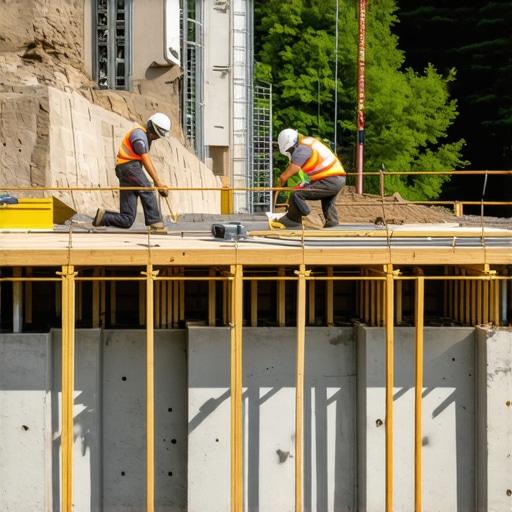
I remember the exact moment I realized I was in over my head. I had envisioned a beautiful outdoor retreat, but when I started laying out the foundation on that unforgiving, steep slope, I felt a wave of doubt wash over me. The ground shifted beneath my plans, and I knew tackling this project alone would test every bit of my patience and resourcefulness. That lightbulb moment made me question everything I thought I knew about deck building.
Why Building on a Steep Slope Is Challenging—and Why It’s Worth It
Building a deck on uneven terrain isn’t just a matter of extending your existing plans—it’s a whole new ballgame. The terrain’s incline affects every step, from planning and excavation to choosing the right materials and ensuring long-term stability. Without a solid foundation, your deck could sag, shift, or even fail in extreme weather conditions. But let’s be honest—I wasn’t about to give up on that stunning hillside view just because of a few obstacles.
Turns out, with some strategic planning and proper techniques, you can create a resilient, beautiful deck that handles the slope gracefully. It’s all about understanding the unique structure needs and selecting the right foundation system. I learned this firsthand after making a few costly mistakes—that’s why I want to share what I’ve picked up along the way. If you’ve faced the frustration of trying to build on uneven ground or wondered how to prevent your new deck from becoming a sinking disaster, you’re in the right place.
Is it really possible to build a durable deck on that rugged terrain?
Early in my project, I fell into the trap of assuming standard footing methods would work for slopes. Spoiler: they don’t. I used pressure-treated posts without considering how the ground’s movement could cause uneven settling. That mistake led to issues I had to fix later, costing me both time and extra money. Now, I know better—trust me, a professional’s approach can save you a mountain of headaches.
In the sections to follow, I’ll guide you through proven strategies for establishing a sturdy foundation on steep terrain, from choosing the right footing to designing the frame that will stand the test of time. Ready to transform that challenging hillside into your personal outdoor haven? Let’s dive into the practical steps that will make your project a success—building a deck that’s as resilient as it is beautiful.
Establish a Solid Foundation
Start by excavating a level area at the base of the slope so your footing can sit on stable ground. Use a laser level to mark the desired elevation, ensuring consistency throughout. When setting concrete footings, opt for larger pier blocks or continuous concrete piers that can handle uneven terrain. I once used a hydraulic jack to level the form for a footing, which prevented future settling issues and saved me from costly repairs. Remember, the key is ensuring the base can support the entire structure without shifting over time.
Choosing the Right Footings and Supports
Instead of standard posts, consider adjustable piers or deck blocks on gravel beds, which adapt better to uneven ground. For added stability, use angled braces anchored deep into the ground. I learned this the hard way when I built a support for my deck on a particularly inclined spot—adding braces prevented lateral movement and kept everything square even after heavy rains.
Design the Frame for Flexibility
Use a ledger board attached securely to the house’s foundation, ensuring it’s level. For the beams, install ledger attachments with flashing to prevent water intrusion. When framing the joists, stagger the supports to follow the slope, similar to how a staircase steps up gradually. I once cut custom-length joists and supported them with adjustable hangers, which allowed me to follow the terrain precisely and avoid uneven decking surfaces. This approach maintains a flat walking surface and distributes weight evenly.
Incorporate Modules for Ease of Construction
Build the deck in sections or modules that can be assembled separately and then connected. This method simplifies leveling each part individually before anchoring the modules together. During my project, I assembled two halves of a deck on level ground and then joined them with bridging joists. This not only sped up the process but also ensured perfect alignment across the slope.
Install Stairs and Railing for Safety
Stairs on a slope require careful measurement. Use a formula to determine stair riser height and run, adjusting for uneven ground. I used a spacer to set consistent riser heights on my irregular terrain, which resulted in safe, comfortable steps. When designing stairs, incorporate various stringer supports—double at the top and bottom—to prevent sagging, as recommended in this guide. Railing height should be uniform and secure, even on sloped decks, ensuring safety from every angle.
Seal and Protect the Structure
Treat all wood components with water-repellent sealant before installation. Use corrosion-resistant fasteners like stainless steel screws to withstand moisture. For composite decking, select boards with high slip-resistant qualities, especially for outdoor stairs, following expert tips. Proper sealing and material choice will prolong the life of your deck and keep it looking great amid the challenges of hillside environments.
Many DIY enthusiasts and even seasoned contractors rely on common beliefs when it comes to composite decking, outdoor stairs, and professional deck building. However, these assumptions often overlook the complexities that can impact durability and aesthetic appeal. For instance, a prevalent myth is that all composite boards are equally suitable for all climates. In reality, not all composites are manufactured with the same core materials or wear-resistance qualities; some are more prone to warping or color fading in direct sunlight. To truly harness the benefits of composite decking—like low maintenance and longevity—it’s crucial to **choose the right product for your climate**. Learn more about the latest trends in composite decking materials.
Another common oversight concerns outdoor staircase design. Many builders assume that standard stringer spacing and tread depths are always sufficient. But when stairs are part of a hillside deck, **the structural nuances**—such as proper support for irregular riser heights and anti-squeak measures—become critical. Failing to address these can result in squeaky, unstable steps that compromise safety and comfort. For advanced builders, understanding the importance of stair transition design ensures a seamless look and enhanced durability.
It’s also worth mentioning the misconception that hiring a professional is unnecessary for complex projects. Many homeowners attempt DIY assembly without appreciating the importance of precise connections, material selection, and proper foundation work—especially on uneven terrain. Skipping expert advice might save money upfront but can lead to costly repairs long-term. For comprehensive guidance, see how a professional deck builder can elevate your outdoor space.
Quick repairs or shortcuts, like ignoring proper flashing or fastener types, seem minor but can have significant consequences. For example, using standard fasteners in coastal environments increases corrosion risk, ultimately jeopardizing the deck’s integrity. Choose corrosion-resistant materials like stainless steel screws—this simple step greatly extends the lifespan of your deck and stairs, especially in harsh climates. Proper attention to these details sets experienced builders apart.
Finally, understanding the advanced behaviors of composite materials, such as their thermal expansion properties, is often overlooked. This nuance is crucial when designing large platforms or outdoor stairs that may experience temperature fluctuations. Ignoring thermal movement can cause warping or separation in the decking surface. To stay ahead, stay informed on latest composite deck installation tips.
The bottom line? Building a resilient, beautiful outdoor living space requires more than just following the basic steps. Paying attention to these nuanced details, and steering clear of common myths, lets you maximize your deck’s lifespan and enjoyment. Whether you’re planning a hillside retreat or a sleek urban patio, these insights ensure your project stands the test of time. Have you ever fallen into this trap? Let me know in the comments.
To ensure your backyard oasis remains stunning and durable over time, investing in the right tools and adopting precise maintenance routines is crucial. One of my top picks is a high-quality power washer with adjustable pressure settings. I personally use the Karcher K5 Premium because its variable pressure control allows me to clean composite decking without risking damage to the surface or underlying supports. Regular washing prevents dirt buildup and mold, which can accelerate wear and cause slippery surfaces, especially in shaded areas.
For applying protective sealants, I recommend a seismic sprayer like the Graco Magnum X7. Its fine, even spray pattern ensures thorough coverage on complex deck surfaces and stairs, extending the lifespan of your materials. I’ve found that using a sprayer speeds up the process significantly when compared to manual brushes, and it helps achieve an even coat without missed spots.
Measuring and inspecting the structure is an often-overlooked aspect of maintenance. I rely heavily on a digital laser measure, such as the Bosch GLM 50 C, which provides precise readings of beam distances. This tool helps check for levelness and detect any shifts in joists or supports over time. Detecting such issues early allows for targeted repairs before problems become costly or unsafe, especially on decks built on uneven terrain.
When it comes to repairs and reinforcement, I emphasize the importance of using corrosion-resistant fasteners. My go-to are stainless steel screws and bolts, which resist moisture and salt exposure—crucial for coastal environments. Upgrading to these fasteners when tightening loose railing posts or replacing decking boards will drastically improve longevity, minimizing the need for future repairs.
The future of outdoor living maintenance seems to be heading toward automation and smart sensors. I predict that integrating moisture sensors and structural monitors into your deck will become standard for proactive upkeep. These innovations can alert you to hidden issues like wood rot or foundation shifts before they become visible or hazardous. For now, completing routine inspections with these precise tools can drastically reduce unexpected breakdowns, saving time and money in the long run.
How do I maintain my outdoor deck over time?
Establishing a regular maintenance schedule is key. Plan to wash your deck at least biannually using a power washer suited for composite surfaces, such as the Karcher K5. Follow up with a sealant application every 2-3 years—high-quality products like those recommended in this guide—to protect against moisture, UV damage, and staining. Visual inspections should be carried out quarterly, checking for loose fasteners, wobbly stairs, or sagging supports. Addressing these issues promptly, with the aid of precision tools, keeps your deck safe and aesthetically pleasing for years to come. Remember, early detection through consistent monitoring is the best investment in your outdoor living space’s longevity. Try scheduling a monthly walk-through with your laser measure and visual checklist—you’ll thank yourself when repair costs stay low and your deck looks impeccable, season after season.
The Hardest Lesson I Learned About Building on Hillside Terrain
One of my biggest surprises was realizing that most conventional deck construction methods falter on steep slopes. I once tried to adapt standard footings without considering soil movement and terrain shifts, only to see my deck settle unevenly over time. That experience taught me that investing in proper foundation techniques early on is crucial, especially on challenging ground.
3 Secrets Only Experienced Builders Know About Durable Decks on Slopes
First, always prioritize flexible support systems like adjustable piers that can adapt as the ground moves. Second, stagger your supports to follow the natural rise of your terrain, preventing uneven loads. Third, use climate-appropriate composite decking, such as those detailed in composite decking trends, to ensure longevity even in variable weather.
Let Your Outdoor Space Shine with These Game-Changing Tips
Incorporate modular building techniques to simplify construction on uneven terrain, and consider innovative support structures like cantilevered beams. Regularly inspect your deck with tools like the laser measure for early detection of shifts. These proactive steps transform a daunting hillside into a stunning, resilient outdoor living area.