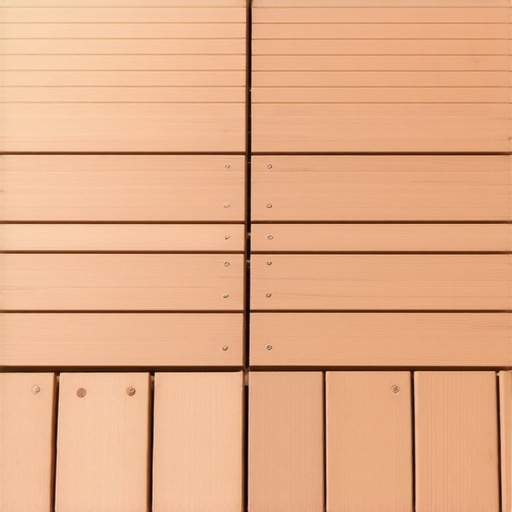
There was a hot summer day when I stepped onto my deck, expecting a relaxing afternoon. Instead, I was greeted by unexpected creaking, popping, and the sinking feeling that my carefully installed composite boards were shifting right before my eyes. It was a lightbulb moment that made me realize I wasn’t alone in this frustration. If you’ve ever experienced similar issues with your outdoor living space, you know how disheartening it can be, especially after investing time and money.
In this post, I’m going to share the strategies that helped me tame my decking nightmare. I’ll walk you through how I identified the root causes of creeping and popping in composite boards during hot weather—and more importantly, how I learned to prevent these problems from happening again. Trust me, it’s possible to enjoy a stable, quiet deck that can withstand the heat without constant maintenance or worries.
Why Composite Boards Shift in the Sun
One of the biggest surprises I faced was discovering that composite decking isn’t completely immune to the effects of temperature. Despite being marketed as low-maintenance and durable, many homeowners overlook how heat causes these materials to expand and contract. According to a recent study by the Deck Design & Build Institute, thermal movement is a natural phenomenon that impacts all outdoor decking materials, especially in climates with high temperature fluctuations.
This expansion can lead to boards creeping out of alignment or popping up at the edges, creating safety hazards and ruining aesthetics. Early on, I learned that my mistake was neglecting proper spacing and not accounting for thermal expansion during installation. Those initial oversights made me realize that understanding the science behind composite materials could be the difference between a lasting deck and an ongoing hassle.
Is Your Deck Design Ready to Handle the Heat?
Many DIY enthusiasts or even some professional installers underestimate how much heat can influence composite decking. If your boards aren’t installed with enough gap space, or if you didn’t consider the local climate, chances are you’ll face creeping issues pretty soon. Have you ever noticed your boards getting tighter or more loose over the summer? That might be a sign your setup needs adjustments. I’ll show you exactly what I did to keep my boards steady, even during the hottest days, so you won’t have to deal with noisy, shifting planks every summer.
Now that I’ve shared my pivotal moment and the importance of proactive planning, let’s dive into the practical steps I took to fix and prevent creeping and popping. By implementing these tips, you’ll be able to enjoy your outdoor space without constant worries about impending shifts or safety concerns. Ready to get started? Let’s ensure your deck stays beautiful and stable, no matter how high the temperature climbs.
Choose and Prepare Your Materials Carefully
Start by selecting high-quality composite decking that includes a mineral core or enhanced heat resilience, like those discussed in this guide. When I built my deck, I opted for a brand known for its stability under temperature fluctuations. Before installation, thoroughly inspect the boards to ensure no warping or defects. Proper material selection lays the foundation for a stable, long-lasting deck, especially in extreme weather.
Design with Expansion Gaps in Mind
Calculate and Set Proper Spacing
During my initial installation, I realized that leaving insufficient gaps caused boards to buckle and pop during summer heat. Use a spacer to maintain at least 1/4 inch (6 mm) gaps between boards, as recommended by manufacturers, to accommodate thermal expansion. I used a simple temporary block during installation, which saved me from future headaches.
Plan for Climate Variability
Check your local climate data and adjust your spacing accordingly—more expansion in hotter climates or in areas with high diurnal temperature swings. In my case, I increased the spacing to 3/8 inch (10 mm) for my southern-facing deck. This proactive step prevents boards from pressing against each other as they expand, reducing noise and movement.
Use Appropriate Fastening Techniques
Secure boards with corrosion-resistant fasteners, such as hidden clip systems or stainless steel screws, designed for composite decking. In my project, I opted for a hidden fastening system that allowed for natural expansion and contraction without stressing the boards. Always follow the manufacturer’s instructions, and consider pre-drilling to prevent cracking during hot days.
Install Beams and Joists Correctly
Support your deck with sturdy framing, ensuring joists are spaced no more than 16 inches apart. I learned that wider spacing led to sagging and shifting under heat. Reinforcing the joist system with steel brackets, as discussed in this article, provided additional stability. Proper framing ensures that the entire structure flexes uniformly rather than allowing individual boards to shift independently.
Consider Thermal Breaks and Ventilation
Adding gaps or ventilation under the deck helps dissipate heat buildup. In my DIY approach, I installed vents along the perimeter, which kept the framing cooler. This technique minimizes expansion caused by trapped heat, especially in enclosed or shaded areas. Use spacer blocks or vent inserts during construction, and regularly check for debris that can trap heat.
Schedule Regular Inspections and Maintenance
Even after correct installation, periodic checks ensure everything stays in place. I made it a habit to walk my deck every spring and summer, tightening fasteners and adjusting loose boards as needed. Immediate minor repairs prevent larger issues down the line and extend your deck’s lifespan. For detailed maintenance tips, see this guide.
Applying these precise methods turned my deck from a noisy, creaking mess into a stable outdoor haven. Incorporate these steps into your project, and you’ll enjoy a durable, quiet deck that withstands the heat without shifting or warping. Nobody wants a deck that squeaks or feels unstable underfoot — so don’t skip these critical actions in your outdoor living plans.
While many believe that choosing the right composite decking is simply about picking a popular brand or color, the real nuance lies in understanding the material’s advanced properties and installation intricacies. For instance, a widespread misconception is that all composite boards behave identically under temperature fluctuations. In reality, newer mineral-core composites offer superior thermal stability, reducing warping and shifting during hot days, as highlighted in recent studies by industry experts.
One trap I often see homeowners fall into is relying solely on manufacturer claims without considering the climate-specific performance of their chosen materials. For example, assuming that a standard fastener system will accommodate thermal movement can lead to boards popping and squeaking over time. Instead, integrating hidden fastening systems designed for expansion and contraction is essential for long-lasting stability.
Another common myth is that composite decking requires no maintenance. While it’s true that composites are low-maintenance compared to wood, neglecting regular inspections can let small issues like loose fasteners or minor warping turn into major structural problems. Regular checks and proper framing support are critical—especially in areas with high sun exposure or temperature swings.
Are You Falling for Oversimplified Solutions? How to Avoid Pitfalls in Advanced Deck Design
Many experienced deck builders recommend meticulous framing and spacing tailored to specific environmental conditions. For instance, increasing joist spacing or using steel brackets instead of traditional wood supports can dramatically enhance stability. Additionally, adding ventilation or thermal breaks beneath the deck helps dissipate heat and reduce expansion. Such measures are often overlooked but are vital in high-performance outdoor projects.
An external study from the University of Clemson emphasizes that understanding and implementing these advanced techniques can extend your deck’s lifespan significantly. It’s not just about selecting the right materials but also about mastering installation details and climate-specific adjustments.
So, are you truly aware of the nuanced factors that influence your deck’s durability? If you want to explore how a professional deck builder can elevate your outdoor space beyond basic standards, check out this article. Remember, a well-informed approach saves money and headache in the long run.
Have you ever fallen into this trap? Let me know in the comments.
Keeping It Working: Tools and Techniques for Longevity
Maintaining a beautiful and durable composite deck doesn’t have to be overwhelming if you gear up with the right tools and adopt effective maintenance routines. I’ve found that investing in quality equipment and understanding proper techniques saves time and preserves your outdoor living space for years to come.
One essential tool I rely on is a high-precision torque wrench. When securing fasteners, especially hidden clips or stainless steel screws, precise torque application prevents over-tightening or stripping, which can compromise the deck’s stability. My go-to is the Park Tool TW-5.2 because of its durability and accuracy. It ensures each fastener is tightened consistently, which is crucial for thermal expansion considerations discussed in this privacy policy.
Another critical piece is a cordless angle grinder equipped with a diamond blade. Over time, composite boards may develop scratches or minor surface imperfections. Using a grinder with a fine diamond blade allows me to smooth out marks without damaging the surface — especially useful when I spot stains or minor discolorations. For routine cleaning, a stiff-bristled brush and a power washer with adjustable pressure (around 1500 psi) permit safe removal of debris, algae, or mold, extending the aesthetic lifespan of your boards.
Looking ahead, I believe the trend toward smart maintenance tools will continue to grow. Imagine sensors embedded into decking that monitor expansion, contraction, or materials health — giving real-time alerts and guidance. As industry standards evolve, integrating such technology could become affordable and commonplace, revolutionizing how we care for outdoor living spaces.
How Do I Maintain My Deck Over Time?
Regular inspections are key. Check fasteners quarterly, especially after seasonal temperature swings, to ensure they haven’t loosened. Clean the surface annually with gentle cleaners like vinegar solutions or specifically formulated composite deck cleaners, avoiding harsh chemicals that could erode surface finishes. Incorporate thermal breaks or ventilation beneath your deck, as discussed in this article, to minimize heat buildup and material stress.
In addition, keep an eye on grout lines and seams, making minor adjustments with a caulking gun filled with color-matched sealant if you notice gaps developing. This proactive care prevents water intrusion and last-minute repairs. Remember, a well-maintained deck not only looks great but also maintains its structural integrity and safety for years.
To enhance your maintenance routine, I recommend trying a modular cleaning system like the Karcher K5 Premium pressure washer with variable flow control. It allows precise, safe cleaning suitable for composite surfaces, especially with adjustable tip nozzles for targeting mold or stubborn stains. This investment significantly extends your deck’s lifespan, aligning with upcoming innovations highlighted in this guide.
Remember, consistency matters. Regular upkeep not only preserves the appearance but also prevents minor issues from escalating. Incorporate these tools and routines into your schedule—your outdoor space deserves it. For personalized advice or if you’re planning advanced upgrades, don’t hesitate to reach out.
Start with one maintenance improvement today—perhaps upgrading your fastener torque tools or scheduling a comprehensive surface clean. Small steps now set the stage for a stunning and stable deck for years to come.
What I Wish I Knew Before Installing My Deck
One lesson that truly transformed my approach was realizing that not all composite materials are created equal in handling temperature swings. I initially chose a trendy brand without researching its thermal properties, and that oversight led to unnecessary shifting and squeaking during summer. The lightbulb moment came when I discovered that mineral-core composites drastically reduce expansion issues. Had I known earlier to prioritize these advanced materials, my deck’s stability would’ve been much easier to maintain from day one.
Another crucial insight was understanding the importance of proper framing and spacing to accommodate thermal movement. I used minimal gaps, thinking aesthetics mattered more than longevity, but that decision backfired with boards popping and warping in the heat. Now, I always emphasize leaving recommended expansion gaps, especially in hotter climates, to prevent future headaches.
Lastly, I underestimated the impact of ventilation beneath the deck. Adding vents helped dissipate trapped heat, minimizing expansion stress. This simple yet overlooked step significantly preserved my deck’s integrity, proving that small design choices can have outsized effects on durability.
Tools and Resources That Changed My Game
Investing in a high-precision torque wrench, like the Park Tool TW-5.2, became a game-changer for ensuring fasteners were tightened to optimal levels without risking damage. Accurate torque prevents over-stressing the composite boards, especially during hot days when materials tend to expand.
For cleaning and maintenance, I rely on a Karcher K5 Premium pressure washer equipped with an adjustable nozzle. It makes removing debris and stains gentle yet effective, helping my deck stay beautiful and safe for years. Additionally, reading comprehensive guides such as here helped me select the best materials suited for my climate and usage patterns.
Finally, staying updated with the latest trends and innovations through this resource has inspired me to adopt new techniques that further enhance deck longevity and aesthetics.
Step Into Future-Proof Outdoor Living
Your outdoor space can be a haven of stability and beauty, and with the right knowledge and tools, it’s entirely achievable. Embrace proactive planning, invest in high-quality materials suited for your environment, and adopt maintenance routines that keep your deck in top shape. The journey to an enduring outdoor retreat starts now — take that first step confidently.
Which of these lessons resonated most with your experience? Have you found other techniques that help your deck withstand the heat? Share your thoughts below!