

I’ll never forget the afternoon I stood on my deck, observing a crack that wasn’t there yesterday. It was a wake-up call. As someone who’s been through the rollercoaster of outdoor remodeling, I realized that not all decking materials age equally. The challenge? Choosing the right, durable option that can withstand the test of time, foot traffic, and weather—without breaking the bank or the bank of my patience.
Why The Choice Between PVC and Composite Decking Matters Now More Than Ever
In today’s outdoor living landscape, homeowners and builders are faced with an array of choices. Recycled PVC decking has gained traction, especially with the promise of increased toughness and sustainability. But does it really outperform traditional composite materials, especially as we look towards 2026, with its evolving standards and demands? I dove deep into this question after a frustrating experience early on, where selecting a subpar material led to premature warping and splintering. That mistake taught me the importance of understanding what makes a deck truly resilient.
According to industry reports, the decking market is expected to grow significantly in the coming years, with eco-friendly options leading the charge. Yet, not all recycled materials are created equal. The options today often come with a need for careful evaluation—what’s promising on paper might falter under real-world conditions. We’ll explore whether 2026’s recycled PVC options are indeed tougher, or if they simply hype up their sustainability credentials.
Have you ever invested in a deck only to see it age poorly within just a few years? I’ve been there, and I’ll share how I nearly made the same mistake again, but instead learned to ask the right questions. For instance, did you know that some early PVC formulations lacked the structural integrity needed for heavy traffic or harsh weather? Choosing the right material isn’t just about appearance; it’s about making a smart, long-term investment.
So, if you’re tired of replacing or repairing your outdoor space year after year, stay with me. We’ll unravel the truths about recycled PVC and composite decking, helping you make an informed decision for your 2026 project and beyond. Want to see how a professional can elevate your outdoor space? Check out the benefits of working with a professional deck builder for guidance. Let’s get started on building decks that last.
Lay a Solid Foundation for Durability
Begin by inspecting your existing ground or preparing a new site, ensuring it’s level and free of debris. Use a laser level or a string line for precision, much like setting the foundation for a building. Consider soil stability; soft or loose soil requires better footing systems, such as concrete piers or helical piles, to prevent future sinking.
Select the Right Materials and Framing
Choose high-quality, 2026-compliant composite or recycled PVC decking that meets current standards for durability and weather resistance. When framing, opt for steel or pressure-treated lumber with corrosion-resistant hardware. This combination resists rust and rot, especially crucial in humid or coastal environments. Incorporate double rim joists to enhance stability, a critical step noted in stair support discussions.
Precise Cutting and Assembly
Measure and cut all components meticulously before assembly. Use a miter saw and a level to ensure perfect angles and alignment—imagine fitting pieces like a puzzle, where small misalignments lead to long-term structural issues. Secure boards with corrosion-resistant fasteners, such as stainless-steel screws, recommended in fastener selection. For stairs, employ the housed method for stringers to prevent rot and improve safety.
Install Reliable Stairs and Railing Systems
Stairs are a focal point for safety and aesthetics. Use 13-inch deep treads to comply with 2026 standards, providing ample footing. Anchor stairs properly to the ground with secure posts embedded in concrete. Railing should be both sturdy and stylish—consider hidden brackets for a clean look, as shown in transition design. For added safety, incorporate anti-slip treads, especially useful during rainy seasons.
Finishing Touches That Last
Seal all wood components with breathable sealants to prevent moisture ingress without trapping in mold. Use composite-specific cleaners to maintain appearance, avoiding bleach that can discolor surfaces, as advised in cleaning tips. For lighting, install motion sensors or solar LED fixtures to enhance safety during nighttime use without electrical wiring complications.
Ensure Long-Term Performance and Safety
Plan for expansion gaps to accommodate material movement in heat, avoiding buckling or warping. Reinforce joist hangers and brackets to handle increased load demands, especially if adding features like outdoor kitchens or hot tubs. Regular inspections and maintenance, like tightening fasteners and resealing joints, extend your deck’s lifespan. Learning these core techniques enables you to build not just a deck, but a lasting outdoor sanctuary.
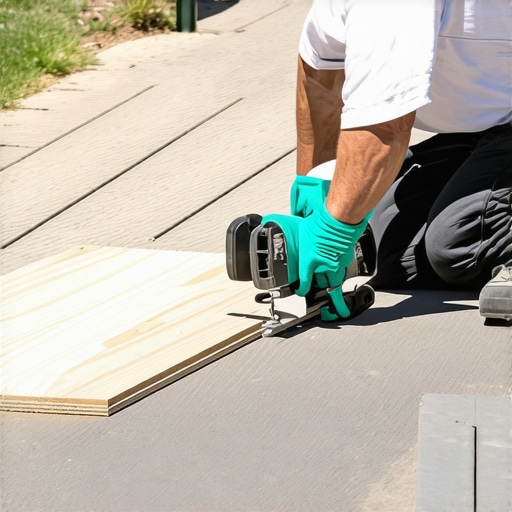 When it comes to designing durable and beautiful outdoor spaces, many homeowners rely on common wisdom, assuming their choices are foolproof. However, even seasoned DIY enthusiasts can fall into subtle traps that compromise the longevity and safety of their decks. Let’s dig deeper into some overlooked nuances and debunk prevalent myths surrounding composite decking, outdoor living, stairs, and professional deck building.
One widespread misconception is that all composite materials are equally resilient, which isn’t true. While many believe that a higher price tag guarantees durability, premium brands might still falter in specific conditions like extreme heat or salty environments. According to a detailed study by the Forest Products Laboratory, the performance of composite decking heavily depends on formulation specifics, including UV resistance and moisture absorption rates. This means choosing a brand solely based on marketing can lead to unexpected failures.
A common mistake in outdoor living design is underestimating the importance of precise stair construction. Many homeowners overlook the critical role of proper stringer support—especially in coastal or high-traffic areas—leading to wobbly, unsafe stairs over time. Use of hidden brackets and adhering to the new 2026 standards for treads and risers can dramatically improve stair stability and safety. For an in-depth look at modern stair design, check out this resource.
Another issue often ignored is how deck framing and foundation choices impact long-term performance. Many skip soil testing or fail to install proper drainage and frost protection, resulting in uneven settling or post rot. Steel and pressure-treated timber, combined with modern anchoring techniques, can mitigate these risks. Professionals will often emphasize how using a helix pile system not only ensures stability but also aligns with updated safety codes.
On the topic of outdoor aesthetics, many underestimate the effect of lighting and finish choices on both safety and appearance. Burning or fading composite boards can be mitigated by selecting specific colors and surface textures designed to stay cool and resist UV damage. Anti-slip Treads and hidden lighting can transform your space into a safe, inviting retreat after dark. Learn more about this at preventing slips and falls.
Finally, trusting the wrong contractor or DIY approach can introduce costly mistakes. Professional deck builders understand the nuance of local codes, material intricacies, and climate considerations. They know how to incorporate advanced techniques—like expanding gaps for temperature changes or reinforcing load paths—that amateurs often overlook. For insights into selecting a skilled builder, visit this guide.
Have you ever fallen into this trap? Let me know in the comments. Building a deck isn’t just about stacking boards; it’s about understanding the complex dance between materials, design, and environment to create a space that lasts for decades.
How do I keep my outdoor deck functioning smoothly over time?
Maintaining a composite decking area requires more than just occasional cleaning. Over the years, I’ve refined my toolkit to ensure longevity, safety, and aesthetic appeal. One indispensable item I rely on is a cordless oscillating multi-tool. Its versatility allows me to perform precise sanding, scrape off stubborn residues, or cut small sections during repairs without the bulk of traditional power tools. I prefer models with variable speed settings and variable attachments, like the Dremel Multi-Max, because they adapt seamlessly to different tasks.
In addition, I always keep a high-pressure water sprayer with adjustable nozzle settings. A thorough rinse periodically removes dirt, pollen, and mold, especially from textured surfaces that trap debris. Using eco-friendly, composite-specific cleaners—such as those recommended by industry leaders—helps preserve the surface finish and prevents discoloration. Avoiding harsh chemicals like bleach aligns with the guidance provided in best cleaning practices.
For inspections, I advocate for a digital moisture meter to assess underlying wood components or framing. Moisture intrusion is a leading cause of structural issues; early detection allows for preventative repairs before significant damage occurs. Regularly tightening fasteners with a torque screwdriver maintains surface stability. I’ve found this especially useful after seasons of heavy rain or snow, where expansion and contraction can loosen fittings.
Looking ahead, the trend is shifting toward smart sensors capable of monitoring environmental conditions—like humidity and UV exposure—sending alerts when maintenance is due. Integrating such technology into your deck management can prolong its lifespan dramatically. As the market innovates, I predict more homeowners will adopt these products, transforming regular upkeep into proactive preservation.
What techniques can I employ to keep my deck performing at its best in the long run?
One method I highly recommend is applying breathable sealants designed for composite materials. These sealants keep moisture at bay without trapping condensation, which is critical in humid climates. I also suggest elevating the deck’s framing slightly above grade with treated posts and concrete piers—this simple change can prevent soil moisture from wicking into the foundation and causing rot.
For stairs and railings, inspecting the support brackets monthly ensures they remain secure, especially after storms or heavy use. Using stainless steel hardware prevents corrosion over time and maintains safety standards. An often-overlooked aspect is the trimming of overgrown vegetation around the deck perimeter, which reduces humidity buildup and discourages pests.
Speaking of scaling projects, designing modular deck components allows for easier repairs or expansions in the future. A professional deck builder can advise on integrating adjustable support posts or quick-attach railings, facilitating maintenance without costly demolition. Learn more about how skilled professionals transform outdoor spaces.
To incorporate future technology, consider installing solar-powered LED lighting with weatherproof enclosures. These enhance safety and aesthetics, reducing the need for electrical running and electrical code concerns. For extra grip on stairs, I use high-traction anti-slip tape—especially after cleaning—to prevent slips during rain or frost. Testing and adjusting these preventive measures periodically keeps my deck safe and stylish for years to come.
Don’t forget, a diligent maintenance regimen combined with the right tools—like a cordless multi-tool and moisture meter—can significantly extend your deck’s lifespan. For example, using advanced sealing techniques I learned from industry specialists, such as the breathable sealants discussed in this article, can prevent water damage and keep surfaces looking beautiful. I encourage you to explore incorporating one or two of these strategies into your routine and see immediate benefits in durability and appearance.
Unexpected Lessons from the Field That Changed My Approach
One of the most valuable insights I gained was realizing that not all composite decking is created equal, especially when exposed to harsh environments. I once assumed that a premium brand would automatically withstand the test of time, only to find it faded and warped after a few seasons. That experience taught me to scrutinize every product’s formulation, focusing on UV resistance and moisture absorption. Additionally, I learned that precise installation and regular maintenance can overshadow the initial material choice, reminding me that craftsmanship and attention to detail are irreplaceable in outdoor projects. Lastly, I understood that staying informed about evolving standards—like the 2026 updates—ensures my builds remain compliant and resilient, saving me time and money in the long run.