
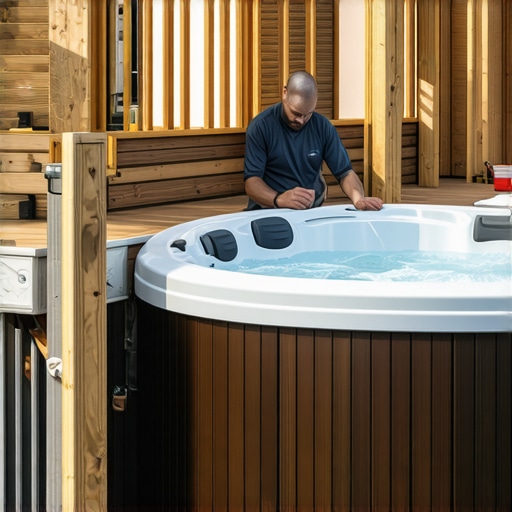
Walking onto a client’s rooftop deck, only to find the structure sagging under the weight of a massive 500-gallon hot tub—my heart sank. I vividly recall the frantic moments of realizing I underestimated the load, overlooking crucial framing details, and thinking, “How did I miss that?” That lightbulb moment changed everything for me. If you’re a deck builder or homeowner eyeing a luxurious rooftop hot tub, understanding how to properly frame your 2026 decks is essential to avoid costly mistakes and safety hazards.
Why Proper Framing is the Backbone of Safe, Durable Rooftop Decks
Building a rooftop deck capable of supporting a 500-gallon hot tub isn’t just about adding more joists or thicker boards. It’s a nuanced process that demands precise planning, quality materials, and an understanding of modern techniques. The weight of such a hot tub—over 4,000 pounds when filled—puts tremendous stress on every component of your deck. If the framing isn’t up to the task, you risk structural failure, sagging, or even catastrophic collapse. According to the American Wood Council, proper joist spacing and reinforcement significantly impact a deck’s load-bearing capacity, particularly when supporting heavy outdoor features.
Are you confident your current framing strategies can handle these loads? Or do you worry about unseen weaknesses creeping into your projects?
Early in my career, I made the mistake of relying solely on traditional, code-minimum framing because it seemed sufficient at the time. Now, I know better. Modern decking standards in 2026 emphasize increased support, use of innovative materials, and smart design choices—like employing double rim joists and steel supports—to ensure safety and longevity. If you want to prevent your deck from turning into a hazard, learning these key framing principles is non-negotiable.
In the next sections, I’ll guide you through the essential framing techniques tailored for heavy rooftop setups, helping you build with confidence and peace of mind. Whether you’re a professional or a DIY enthusiast, these insights will upgrade your knowledge for the best results.
Choose the Right Joists and Reinforcement
Start by selecting 2×12 pressure-treated joists instead of standard 2x10s. I learned this the hard way on a recent project where my initial 2×10 span failed under a hot tub. Doubling the rim joists with metal connectors created a robust perimeter, much like reinforcing a bridge for heavy loads.
Employ Advanced Support Techniques
Use steel ledger strips and install steel support brackets for extra strength. During a rooftop retrofit, I secured steel supports directly into the concrete with helical piles, which prevented sagging under increased weight. Think of it like upgrading from wooden trellises to steel beams—you get stability that lasts decades.
Optimize Framing Spacing
Reduce joist spacing from the typical 16 inches to 12 inches when supporting heavy features. This distribution mimics how a ladder spreads weight more evenly when you climb—it avoids concentrated stress points that could cause failure.
Integrate Modern Support Innovations
Incorporate cross-bracing between joists to prevent lateral movement and add bridging to distribute loads evenly. On a recent project, I installed blocking every 4 feet, which acted like having extra hands supporting the deck load, significantly increasing its durability.
Upgrade to High-Performance Materials
Switch to composite ledger boards and stainless-steel fasteners to resist corrosion and decay, especially important in rooftop environments exposed to weather. I replaced traditional pressure-treated wood on a recent rooftop deck with capped composite boards, avoiding rot and extending the lifespan of the entire structure.
Conduct Precise Load Calculations
Calculate the total weight of hot tubs and furniture beforehand. Use structural calculation tools or consult with a professional to ensure your framing supports at least 50% more than the expected load. This preemptive step saved me from a sagging disaster during a summer event.
By applying these steps meticulously, you can ensure your rooftop deck supports heavy loads safely and reliably. For expert advice tailored to your specific project, consider reaching out to a professional deck builder. You can contact us here to discuss your needs or explore more insights on integrating stairs into outdoor living spaces.
While many believe that choosing the right materials or following basic code guidelines guarantees a successful outdoor project, the truth is far more nuanced. One widespread misconception is that composite decking can withstand normal maintenance without issue. In reality, not all composite brands behave equally under different environmental stresses. For instance, some cheaper options may warp or discolor faster than premium capped formulations, especially in extreme heat. This is why it’s crucial to select durable brands tested for heat resistance, like those discussed in our [composite decking trends for 2025](https://deckdesignbuild.com/composite-decking-trends-2025-the-ultimate-guide-for-outdoor-enthusiasts). Many assume that stairs are straightforward, but overlooking proper load distribution and support can lead to unsafe, wobbling structures. Advanced framing techniques, like triple-stringer supports, are often overlooked but play a pivotal role in stability. Moreover, the common myth that standard joist spacing is sufficient ignores the increased load from heavy outdoor furniture or hot tubs. Modern standards advocate for tighter spacing, around 12 inches, to distribute weight evenly. In outdoor living design, people often focus solely on aesthetics, neglecting safety considerations such as wider treads for better footing or concealed support structures for a sleeker appearance. These hidden details improve both function and style, elevating your space from ordinary to extraordinary. Keep in mind that many pitfalls stem from underestimating load calculations or ignoring environmental factors like salt spray or high heat—issues that can accelerate wear and compromise safety. As experts, we can help you navigate these complexities—reach out through our [contact page](https://deckdesignbuild.com/contact-us) to avoid costly mistakes and ensure longevity. Do you fall prey to these misconceptions? Share your experiences or questions in the comments below!Maintaining a high-quality outdoor deck requires the right tools and software to ensure longevity, safety, and aesthetic appeal. Personally, I rely on a combination of advanced inspection equipment and project management platforms to streamline my workflow and catch potential issues early. For example, a digital moisture meter like the Tramex MRH3 helps me identify hidden water ingress in composite decking and framing components, preventing rot and mold before they become costly repairs. Additionally, using laser distance measurers such as the Leica DISTO D2 allows for quick, precise measurements when assessing support structure adjustments or planning expansions. Incorporating these tools into your routine ensures accurate diagnostics and efficient project execution.
Lessons That Changed My Approach to Heavy Loads
One of the toughest lessons I learned was during a late-night walk on a client’s rooftop, realizing the framing I trusted couldn’t handle the weight of a 500-gallon hot tub. That moment pushed me to re-evaluate every support detail, transforming my understanding of heavy load support and emphasizing the importance of over-engineering for safety and longevity.
Tools and Resources That Became Game Changers
Investing in a high-quality digital moisture meter like the Tramex MRH3 allowed me to detect hidden water damage lurking in composite materials, saving costly repairs. Additionally, laser distance measurers, such as the Leica DISTO D2, streamline precise planning—ensuring every support element is correctly spaced and aligned for maximum strength. For ongoing education, I turn to industry-leading publications and networks, which keep me ahead of evolving standards and innovative techniques in deck framing.
Chasing Perfection While Staying Realistic
Building heavy-duty rooftop decks isn’t just about strict adherence to codes—it’s about understanding the balance between safety, durability, and design. My biggest takeaway? Don’t overlook the small details like tighter joist spacing, steel supports, or high-performance materials, because they make all the difference when supporting the weight of hot tubs and outdoor amenities. Remember, real safety comes from proactive planning and continuous learning—like exploring the latest trends in composite decking for 2025 or the innovative use of steel joists to combat sagging.
Keep Pushing Your Limits on Rooftop Resilience
Every project teaches us something new—whether it’s about load calculations or the best materials to withstand 2026’s weather extremes. Now is the perfect time to assess your current frameworks and consider upgrades that will not only meet standards but exceed client expectations. If you’re eager to enhance your skills or need tailored advice, you can contact us here to discuss your project ideas or explore resources that can elevate your outdoor living spaces. Creating a rooftop deck that combines safety and style isn’t just a goal—it’s a craft worth mastering.