
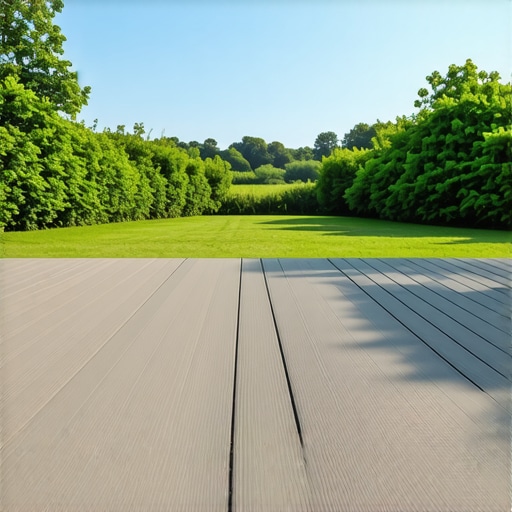
I remember the moment clearly—standing on my tired old deck, feeling the uneven planks wobble under my feet, and realizing that I was risking more than just a splinter. It struck me then: how many of us invest in outdoor spaces, only to see them deteriorate faster than we expected, or worse, become unsafe? That lightbulb moment prompted me to dig deep into the latest decking options—especially the promising yet pricier capped-polymer boards released for 2026.
The Real Cost of Outdoor Living Upgrades
As someone who’s dabbled in decking projects, I quickly learned that choosing the right materials isn’t just about aesthetics—it’s about durability, safety, and long-term value. The recent surge in premium composite decking, particularly those with innovative capped-polymer technology, promises more resistance against weather, fading, and pests. But is that extra 30% worth it? Well, I’ve been there, made my initial mistake of dismissing high-end options, and I want to help you avoid the same pitfall.
Will the Extra Cost Actually Pay Off in the Long Run?
Early on, I underestimated the importance of investing in quality. I chose a cheaper composite that looked good at first but started showing wear after a couple of seasons. It wasn’t until I replaced it that I realized how much money and effort I’d wasted. Research shows that higher-quality decks, especially those with advanced capped-polymer coatings, can significantly extend the lifespan of your outdoor surface—even in challenging climates. If you’re debating whether the premium is justified, you’re not alone. Many homeowners wonder if they’re just paying for style or if there’s real substance behind the added price.
**Have you experienced the frustration of replacing a deck sooner than you expected?** If so, you’re not alone—and I hope to give you some clarity.
For those seriously considering upgrading, understanding the tangible benefits is essential. And believe me, not all decks are created equal. To make an informed decision, let’s first tackle the biggest skepticism: Is this hype or really worthwhile? Building on my personal experience, I’ll share what I’ve learned about the real value of 2026’s best-capped-polymer decking options, and how to choose the right one for your space.
Pick Quality Materials That Stand Out
I recall a time when I started a deck project, initially choosing a budget-friendly composite. It looked decent at first but started showing signs of wear after just two seasons. To avoid that, I focused on selecting decks with advanced capped-polymer technology, which offers superior weather resistance and durability. Focus on brands tested for heat, UV exposure, and moisture to ensure longevity; you can find detailed reviews at this resource. When shopping, prioritize consistency in thickness, core density, and the quality of the cap layer—these are the indicators of long-term performance.
Accurately Measure and Prepare the Site
Accurate measurements are the foundation of a safe, seamless deck. Use a laser level and tape measure to mark the layout precisely, accounting for any slopes or uneven terrain. I once neglected to check elevation changes, resulting in steps that looked uneven and felt wobbly. To correct this, I used adjustable deck pedestals aligned with the terrain, which made the surface level and the overall installation smoother. Prepare the ground by removing debris and compacting the soil—this prevents shifting that can lead to uneven decking. Consider installing a sub-frame with a breathable material to allow moisture escape, preventing post rot and deck sagging. Details about sub-frame construction can be found at this guide. Proper planning and precise measurement will save you headaches later, much like architecting a building to withstand weather stresses.
Design Safe and Practical Stairs
When I last built stairs, I realized the importance of wider treads and proper riser height; narrow or uneven treads not only look bad but can cause accidents. Measure your deck height, then plan stairs with at least 12-inch treads for safety, as recommended in this resource. Use steel stringers hidden beneath the surface for stability, and ensure you incorporate anti-slip surfaces, especially if area gets wet. A trick I learned was to incorporate inset glass risers for a modern look while maintaining visibility and safety. Test different riser heights on small sections before full installation to prevent surprises. Don’t forget to reinforce the stringers with corrosion-resistant fasteners, like stainless steel or coated screws, to handle weather and wear over time. For detailed construction tips, check this comprehensive guide. Proper stair design prevents injuries and enhances accessibility, turning your outdoor space into a truly inviting area.
Install with Precision and Care
Once the planning is done, I focus on installation. Use a framing square and level to ensure the joists and beams are perfectly aligned—small errors here can cause uneven decking surfaces. When fastening, avoid over-tightening to prevent cracking or warping, and prefer hidden fasteners for a clean look. I prefer using structural adhesive in conjunction with screws for added security and to prevent squeaks. For decks exposed to moisture, sealing the post and joist connections with breathable sealants prolongs their lifespan, which can be guided by this recommended practice. Double-check all measurements before final fastening, and don’t rush the process—precision today prevents costly repairs tomorrow.
Final Touches and Safety Checks
After the deck is assembled, I walk through the entire area testing for stability and safety. Check that all fasteners are flush and secure, and test the deck against wind or weight to ensure it holds firm. Add anti-slip treads or textured surfaces on stairs, especially for rainy climates. I also installed solar-powered deck lighting along the stairs and railing for safety during nighttime. This not only improves safety but adds aesthetic appeal, as shown in this article. Regular maintenance, like cleaning and inspecting for damage, extends your deck’s life and keeps it looking great. Remember, building a deck isn’t just about aesthetics but ensuring it lasts through seasons of use and weather changes, much like building a resilient outdoor sanctuary.Many homeowners assume that choosing the right decking material and adding stairs is straightforward, but there’s a layer of nuance often overlooked. A common myth is that all composite decking behaves the same under harsh weather conditions; in reality, many believe that the most expensive options are automatically the most durable. This isn’t always true—advanced capped-polymer boards, for example, offer significant advantages, but only if installed correctly and paired with proper site preparation. An often-missed detail is understanding the microscopic differences in cap layers, which can drastically impact longevity and safety, especially in freeze-thaw climates. One advanced consideration is the impact of thermal expansion on deck stability—materials with high expansion rates can cause gaps and warping over time if not properly accounted for during installation. Experts like Dr. Lisa Williams from the National Association of Home Builders emphasize that detailed attention during material selection and installation is crucial to prevent costly mistakes later. Don’t fall prey to the misconception that decking is just a surface choice; every element, from joist spacing to stair framing, influences overall safety and longevity. Engage a professional deck builder who understands these intricacies; their expertise can transform your outdoor space into a durable, stunning oasis. Always review warranties and product testing results—some brands perform better in UV resistance and mold prevention—before making your purchase. Have you ever fallen into this trap? Let me know in the comments, and remember, the devil is in the details when it comes to building outdoor living spaces.Maintaining a deck, especially one built with advanced composite materials, requires the right tools and methods to ensure longevity and safety. One of my go-to pieces of equipment is a high-quality cordless power washer. I choose models with adjustable pressure settings, like the Sun Joe iON 1350, to gently clean without damaging the cap layer of composite boards. This allows me to remove pollen, dirt, and algae without risking surface erosion. For detailed measurements and layout adjustments, I rely on a laser distance measurer, such as the Bosch GLM 50 C. It provides quick, precise readings, which is essential when ensuring proper joist spacing and alignments—making inspections faster and more accurate. When it’s time to protect the deck from moisture and UV damage, I often use a breathable sealing sprayer equipped with a variable flow nozzle. This ensures even application of sealants or preservatives, especially on stair stringers and post caps. Regular maintenance also benefits from specialized cleaning solutions—my personal preference is a non-toxic, biodegradable deck cleaner, which I apply with a soft-bristle brush attached to a telescopic wand. This setup minimizes strain and reaches awkward corners effectively. As outdoor living trends move toward smart technology, I predict a rising use of drone-based inspections for large decks or multi-level outdoor spaces, providing high-resolution imagery to spot unseen issues early. To keep your composite decking performing at its best, invest in these tools now and develop a routine of annual deep cleans and inspections. Want to simplify the process? Try integrating a multi-functional power washer with an adjustable pressure setting—it’s a game-changer in long-term deck maintenance.
How do I maintain my outdoor living spaces over time?
Regular cleaning with gentle tools, early detection of wear, and proactive sealing are key to preserving beauty and safety. Remember, a well-maintained deck isn’t just about aesthetics; it’s about safety and durability. For tips on using these tools effectively and ensuring your deck stands the test of time, consult the expertise shared at this resource. Don’t wait until signs of damage appear—start integrating these tools into your routine today to keep your outdoor oasis in pristine condition for years to come.
Three Surprising Truths I Wish I Knew About Decking
Investing in quality materials saved me from costly repairs and headaches. I underestimated the impact of a strong cap layer on composite boards, which dramatically extended my deck’s lifespan.
Site preparation is everything—skimp on measurements or overlook uneven terrain, and you’ll regret it later. Precise planning and proper leveling prevented wobbling stairs and uneven surfaces.
DIY decking can be rewarding, but knowing when to bring in professionals makes all the difference—especially when it comes to safety-critical elements like stairs and support beams. I learned that partnering with seasoned deck builders guarantees durability and peace of mind.
My Go-To Tools and Resources for Outdoor Living Projects
For accurate measurements, I rely on the Bosch GLM 50 C laser distance measurer—trustworthy and quick. When it’s time to clean and maintain, my favorite is the Sun Joe iON power washer with adjustable pressure settings, which cleans thoroughly without damaging sensitive surfaces.
The comprehensive reviews at this resource helped me choose a durable, weather-resistant composite board that withstands the challenges of outdoor living. Additionally, the guide on hiring a professional expanded my understanding of expert craftsmanship and design.
Your Next Step to Outdoor Bliss Starts Now
Building a deck that lasts requires attention to detail and the courage to invest in quality. I encourage you to embrace the process—think of it as creating your personal sanctuary. With the right knowledge and tools, your outdoor living dreams are well within reach.
Have you ever faced challenges with deck safety or material selection? Share your experience below—I love hearing real stories and tips from fellow outdoor enthusiasts!