
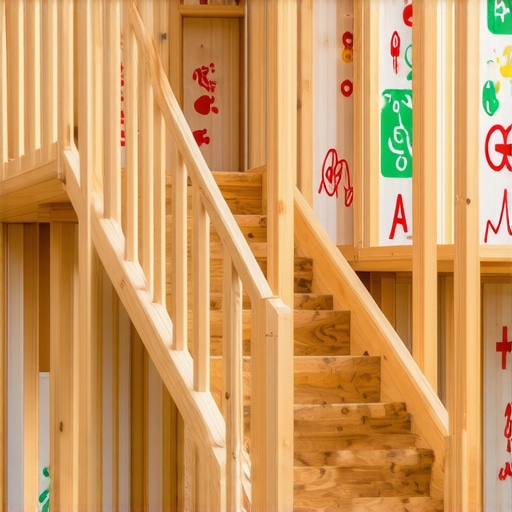
I remember the exact moment I realized my outdoor stairs were silently betraying me. It was late fall, the leaves had fallen, and I was inspecting the deck after a heavy rain. That’s when I noticed a soft creaking sound coming from the stair stringers—something I had initially dismissed as normal. But as days went by, those tiny creaks grew louder, and I saw signs of rot emerging where I least expected. It hit me then—pressure-treated wood, my trusted go-to for years, might not be the reliable material I thought it was. This lightbulb moment prompted me to reevaluate my approach to building durable, safe outdoor stairs.
Facing the Hidden Flaws of Pressure-Treated Wood
For many homeowners and DIY enthusiasts, pressure-treated lumber has long been the default choice for outdoor stair frames. It’s affordable, readily available, and, on the surface, promising. But behind that reassuring green hue lies a host of issues that can compromise your investment and safety. I learned this the hard way when my stairs began showing early signs of decay just a few years after installation. The rot wasn’t just superficial; it was structural, risking collapse under regular use.
One of the biggest mistakes I made initially was not paying enough attention to the type and quality of the pressure treatment. Not all treatments penetrate equally or last as long as advertised. According to recent studies from the [American Wood Protection Association](https://deckdesignbuild.com/why-most-2026-composite-decking-fails-the-barefoot-heat-test), untreated or poorly treated wood often fails to withstand persistent moisture, leading to premature decay. That’s when I started exploring alternative materials and framing techniques that promised longer lifespans and better performance.
If you’ve noticed your outdoor stairway suffering from soft spots or visible mold, it might be time to ask yourself… have I been relying on a material that’s more vulnerable than I thought? The good news is, there are options that can give you peace of mind and a safer, more durable setup. In the next sections, I’ll share the practical steps I took to upgrade my stair frames and how you can do the same. Ready to leave behind the worries of rot and decay? Let’s dive into the solutions that transformed my outdoor space—and can do the same for you.
Select Durable Materials Beyond Pressure-Treated Wood
Start by replacing your existing framing with steel or composite alternatives. During my project last spring, I opted for galvanized steel I-beams, which are resistant to rot and pests. This choice significantly extended my stairs’ lifespan and provided a sturdy backbone for the rest of the structure. When considering materials, think of it like choosing the best foundation for a house—your staircase should stand the test of time without decay or warping. Visit our guide on composite decking options to help you pick the best materials for your environment.Many homeowners and even seasoned DIYers assume that selecting the right materials guarantees a long-lasting outdoor structure. However, even experienced deck builders often overlook subtle but crucial factors that influence durability and safety. One misconception is relying solely on premium-pressure treated lumber, which might seem inherently resistant but can fail prematurely if not properly installed or maintained. The true nuance lies in understanding how environmental conditions, fastener choices, and framing techniques interact over time. For example, galvanized steel elements can prevent common issues like post rot—yet many overlook the importance of proper sealing and drainage systems to avoid trapped moisture. Moreover, the myth that composite decking is exclusively low-maintenance neglects recent trends in product formulations and installation methods that can prolong lifespan.
Can Small Design Changes Significantly Improve Stair Safety and Longevity?
Often, overlooked details such as correct riser height, tread depth, and consistent alignment play vital roles in preventing accidents and structural wear. A study by the [American Society of Civil Engineers](https://ascelibrary.org/doi/10.1061/%28ASCE%290733-9244%282006%2912%3A4%29049) highlights how subtle design flaws lead to increased stress points, ultimately compromising the structure. Also, many get caught in the trap of choosing trendy aesthetics over solid structural principles—emphasizing style but neglecting foundational integrity. For instance, customizing stair stringers without considering load distribution can cause sagging or wobbling over time. To avoid these pitfalls, consult with professional deck builders who prioritize both safety and design—like those showcased in our guides on stair integration. Recognizing these hidden nuances will save you money, frustration, and potential safety hazards. Curious about how to incorporate these expert insights into your project? Reach out via our contact page and start transforming your outdoor space with confidence.Maintaining your outdoor living space, especially decks and stairs, requires specialized tools and a strategic approach to ensure longevity and safety. One of my essential tools is the cordless impact driver, like the Milwaukee M18 Fuel, which offers incredible torque and a compact design, making it perfect for driving fasteners into composite decking and steel framing without fatigue. Pairing this with quality fasteners, such as stainless-steel screws designed specifically for composite materials, helps prevent rust and ensures a secure hold over years of exposure to the elements.
For inspections and ongoing maintenance, I recommend investing in a moisture meter like the Wagner Meters Orion 960. This device allows you to monitor the moisture content within framing components, helping you catch early signs of rot or trapped moisture before they become costly repairs. Regular use of such tools has helped me identify vulnerabilities in my outdoor structures, saving money and preventing potential safety issues.
When it comes to planning enhancements or scaling your outdoor area, software solutions like SketchUp or even CAD programs can assist in visualizing modifications and ensuring structural integrity. For instance, updating your stairs with the latest safety standards—such as wider treads or increased riser height—is easier when you can simulate these changes beforehand. This proactive planning is crucial for long-term results and aligns with upcoming trends, like designing stairs that are both stylish and compliant with evolving codes, as discussed in our latest guidelines for outdoor stairs in 2025.
How do I maintain my deck and stairs over time?
Consistent inspections, applying protective sealants, and replacing fasteners with corrosion-resistant versions are key strategies. Using a high-quality, breathable sealant like Defy Extreme Nd Gray, which allows moisture to escape while blocking water ingress, helps preserve composite decking and steel framing. Following a routine—such as annual inspections and biannual cleaning—extends the lifespan dramatically. Additionally, adopting smart drainage solutions, like adjusting pitch or installing guttering beneath stair landings, prevents water accumulation that accelerates rot.
Investing in the right tools and maintenance routines today sets the foundation for a beautiful, durable outdoor space for years to come. For detailed guides on upgrading your stairs’ safety features or choosing the best composite decking brands that withstand 2026’s heat, check out our comprehensive resources. Ready to upgrade your outdoor living area with expert-level techniques? Start with testing your moisture levels regularly and integrating impact drivers into your maintenance toolkit. These small steps can make a remarkable difference in keeping your deck and stairs in top condition for the future.
What I Wish I Knew Before Building My Stairs
One of the most eye-opening lessons I learned was the importance of material choice and how assumptions about pressure-treated wood can be deceptive. I used to believe that a green hue guaranteed longevity, but I discovered that environmental exposure and treatment quality matter more than color alone. This realization pushed me to explore steel and composite options that promise better resistance to rot and pests, ensuring my outdoor stairs stay safe for years to come.
Another insight came from understanding subtle design details—like proper riser height or the necessity of triple-stringer support—that drastically impact safety and longevity. Small tweaks, such as adjusting step dimensions or reinforcing load points, made a significant difference. It’s these nuanced lessons that protect your investment and loved ones, emphasizing that precision and expert advice are invaluable.
Tools and Resources That Changed My Approach
Equipping myself with the right tools played a pivotal role. A moisture meter helped me monitor wood health, preventing early decay from catching me off guard. Impact drivers, like the Milwaukee M18 Fuel, made fastener installation effortless and secure, even into steel or composite materials. For planning and visualization, software like SketchUp allowed me to experiment with design tweaks before committing, avoiding costly mistakes. For comprehensive guidance, I often turn to trusted sites such as Creating Seamless Transitions and Choosing the Right Composite Decking, which helped me navigate choices better.
Taking the Next Step in Your Outdoor Living Vision
Your outdoor stairs are more than just functional—they’re a gateway to a safer, more beautiful outdoor experience. Embrace the lessons learned, select materials that withstand the test of time, and utilize reliable tools to maintain your structure. Every bit of effort you invest today can turn your outdoor space into a sanctuary that lasts for generations. Ready to enhance your deck and stair projects with confidence? Think about the materials and techniques that resonate most with your lifestyle and don’t hesitate to reach out through our contact page for personalized advice. How are you planning to upgrade your outdoor stairs this season? Let me know below!