
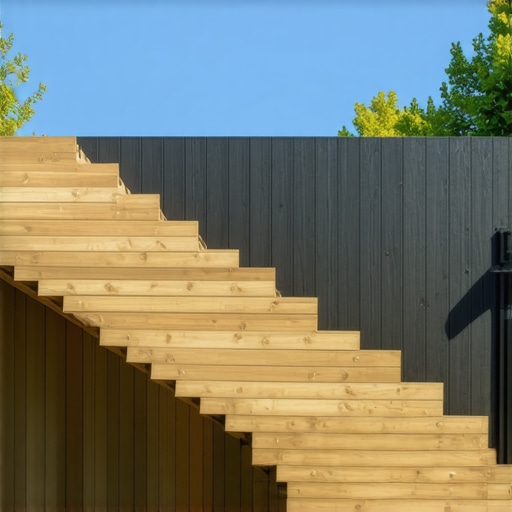
I remember the first time I built a backyard deck, excited to create an outdoor oasis. But as the project took shape, I couldn’t help but notice those unsightly support beams lurking beneath the stairs, glaringly visible and undoubtedly ruining the sleek look I envisioned. It was a lightbulb moment—these structural elements, though necessary, didn’t have to throw off the entire aesthetic of my outdoor space.
If you’ve ever faced this frustration, you’re not alone. Many homeowners and DIY enthusiasts discover that support beams can become eyesores, making even the most beautiful decks look unfinished or poorly designed. The good news? There are stylish and practical ways to hide those support structures, transforming your deck from functional to fabulous.
Why Hiding Support Beams Makes a Difference
Supporting beams are essential for safety and stability. But let’s be honest—they often look like the necessary evil of construction. Left exposed, they can make your deck look cluttered or out of proportion. A well-concealed support system elevates your outdoor living experience, creating a seamless transition between form and function.
Beyond aesthetics, cleverly hidden support beams enhance safety by reducing tripping hazards and preventing accidental bumps. Plus, they can improve the overall durability of your setup by shielding the beams from the elements. As I learned early on, neglecting this aspect can lead to costly repairs or replacements down the line.
Practically speaking, hiding those beams can add a sophisticated touch to your deck design. It also offers the opportunity to introduce decorative elements—like planters or lighting—that make the space feel integrated and inviting. For inspiration, check out these innovative outdoor living ideas with composite decking that incorporate hidden supports seamlessly.
Have you faced this exact challenge with support beams on your deck? If so, getting creative with concealment techniques can be a game-changer. Now, let’s dive into specific strategies that will help you conceal those beams with style and purpose.
Is Concealing Support Beams Really Worth the Effort?
One thing I learned early is that I made a common mistake—focusing solely on quick fixes instead of integrating concealment into the overall design. That oversight led to temporary solutions that didn’t last, and I realized that investing a bit more effort upfront makes all the difference. For ideas on maximizing your outdoor space and creating seamless transitions, exploring professional tips can give you a solid starting point.
Ready to learn how to hide those ugly beams and elevate your deck’s appeal? Let’s explore practical solutions tailored for every homeowner’s style and budget.
Install Decorative Skirting for a Seamless Look
Begin by measuring the perimeter of your deck to determine the length of skirting panels needed. Choose a material that complements your decking, such as low-maintenance composite or cedar. Attach the panels securely to the frame using corrosion-resistant screws, ensuring they hide the support beams while providing a polished appearance. I once used lattice panels painted to match my decking, creating a classic look that also allowed airflow, which prevented moisture buildup under the deck.
Add a Trex Wrap or Enclosure
Use Trex or similar composite trim to create a box-like enclosure around the support posts. This method not only conceals the beams but also protects them from weathering. Carefully cut the trim to fit and fasten with hidden clips or screws. I remember when I wrapped my posts with composite trim, which instantly gave my deck a more finished, upscale look. Plus, it’s low-maintenance and resistant to rot.
Build Built-In Seating or Planters
Design a built-in bench or planters that frame the support beams. This transforms an eyesore into a functional feature and adds flair to your outdoor space. Construct the seating frame using pressure-treated lumber or composite for durability. Finish with cushions or plants for visual appeal. I once incorporated planters into the support structure, and it became a conversation piece, beautifully integrating the support into the overall design. Check out how creating seamless transitions in outdoor living can inspire your approach.Many homeowners and even seasoned DIYers assume they understand outdoor structures, but there’s a nuanced layer many overlook. A common myth is that choosing the most popular composite decking brand guarantees durability and aesthetic appeal; however, not all brands perform equally under extreme weather conditions. It’s vital to dig beyond surface-level reviews and consider factors like reinforcement methods and heat resistance, which experts highlight as crucial for long-term satisfaction. Additionally, some believe that installing standard stairs is sufficient for safety and style, yet advanced stair design involves precise riser and tread proportions to prevent accidents—details often missed by amateurs. Overlooking these nuances can lead to costly repairs or compromised safety, so partnering with a skilled deck builder can unlock innovative solutions tailored to your climate and lifestyle. For instance, incorporating hidden fasteners and strategic lighting can elevate your outdoor space significantly. Be cautious of the trap of opting for shortcuts—skipping proper planning or insulation, especially in composite decking, can cause expansion issues or mold growth, as studies suggest. Understanding these subtle aspects transforms your outdoor project from ordinary to extraordinary, ensuring both beauty and durability. Want to see how expert insights make a difference? Check out this guide on seamless outdoor transitions. Have you ever fallen into this trap? Let me know in the comments.Building and maintaining a stunning outdoor deck involves more than just choosing the right materials; it requires the right tools and techniques to ensure longevity and safety. Over the years, I’ve tried numerous tools, but some have become indispensable for achieving professional results and simplifying maintenance. **Power Drill with Adjustable Torque** is my go-to for securely fastening composite decking boards and hidden fasteners, preventing over-tightening that can damage sensitive materials. I prefer a cordless model for flexibility on site, with a battery life that lasts through extended projects. For cutting, a **RigidCompact Circular Saw** with a fine blade provides precise, smooth cuts, especially important when working with composite materials to prevent splintering. When it comes to measuring and leveling, I swear by a **Laser Level System**, which ensures perfectly even decking and stairs—crucial for safety and appearance. Investing in a **Digital Moisture Meter** allows me to periodically check wood and composite components, preventing issues like warping or rot over time. Don’t forget a quality **Deck Builder’s Chalk Line** to mark cut lines clearly on both composite and wood surfaces. These tools drastically reduce errors and save time, paving the way for durable, low-maintenance outdoor spaces that stand the test of time. I predict that as technology advances, we’re likely to see smarter, sensor-integrated tools that monitor environmental factors like moisture and temperature, offering real-time insights for ongoing maintenance. To get started today, try incorporating a laser level into your next project—it will revolutionize your precision and confidence in your work. Maintaining your deck over time means regular inspections using these tools, especially a moisture meter, to catch issues early before they escalate. Incorporating such equipment not only protects your investment but also ensures your outdoor living space remains safe and beautiful for years to come. For more tips on maximizing durability, check out our guide on [maximizing outdoor space with inspiring deck and stair ideas](https://deckdesignbuild.com/maximizing-outdoor-space-inspiring-deck-and-stair-ideas-for-every-budget). Remember, being proactive with maintenance tools is key to enjoying your outdoor sanctuary long-term.
Over the years, I’ve discovered that the true art of outdoor living lies in the details—especially when it comes to hiding support beams that threaten to disrupt your deck’s visual harmony. The biggest lesson I learned was that investing time in clever concealment techniques elevates your entire space, making it feel both polished and inviting. Don’t settle for exposed support structures; instead, embrace creative solutions that blend form and function seamlessly.
One breakthrough came when I discovered how effective decorative skirting can be in disguising support beams while adding charm to your deck. Using materials that match your decking and adding a touch of paint or stain created a uniform look that fooled the eye. Additionally, wrapping support posts with composite trim or building built-in planters transformed what was once an eyesore into a focal point that enhanced the overall aesthetic. These real-world insights not only saved money but also boosted my confidence in DIY projects.
Furthermore, I realized that engaging with professional resources made a huge difference. For example, visiting creating seamless transitions provided me with ideas on how to incorporate support concealment into the broader design context. Combining expert advice with hands-on experimentation proved to be a winning formula for creating a deck that looks crafted by a pro, even when I was doing it myself.
Finally, understanding the importance of proper planning and quality tools cannot be overstated. Using a laser level for alignment and a digital moisture meter to monitor wood stability ensured my support concealment held up over time. These tools, along with a little patience, translated complex ideas into practical results, empowering me to craft an outdoor space that truly resonates with style and safety.
Lessons That Changed My Approach to Outdoor Living
- Design with purpose: Conceal support beams early in your planning to avoid patchwork solutions later. Integrate them into your overall aesthetic for a cohesive look.
- Choose quality materials: Using weather-resistant trims and composite panels makes your concealment durable and low-maintenance, saving time and money in the long run.
- Think beyond aesthetics: Hidden supports not only improve appearance but also enhance safety—reducing tripping hazards and protecting against weather damage.
- Leverage expert resources: Accessing guides like maximizing outdoor space ideas helps refine your approach, ensuring your concealment solutions fit your unique needs.
Explore Tools That Made My Projects Easier
- Laser Level System: Achieving perfectly aligned skirting and trim is simplified with digital leveling technology, ensuring a professional look every time.
- Digital Moisture Meter: Regularly checking wood and composite elements prevents warping and rot, extending your deck’s lifespan.
- Power Cordless Drill with Adjustable Torque: Fastening panels securely without damaging materials is vital for both safety and appearance.
- Quality Circular Saw: Precise cuts on composite materials eliminate splintering, making installation smoother and more attractive.
Step Into Your Outdoor Oasis Today
Hiding support beams might seem like a small detail, but it has the power to transform your deck into a seamless outdoor sanctuary. By combining creative concealment strategies, trusted tools, and a bit of professional insight, you can craft a space that’s both beautiful and resilient. Remember, every detail counts in creating an outdoor living area that beckons you to relax and entertain with confidence. Are you ready to elevate your deck with stylish support concealment? Share your thoughts or questions below—I’d love to hear about your project journey!