
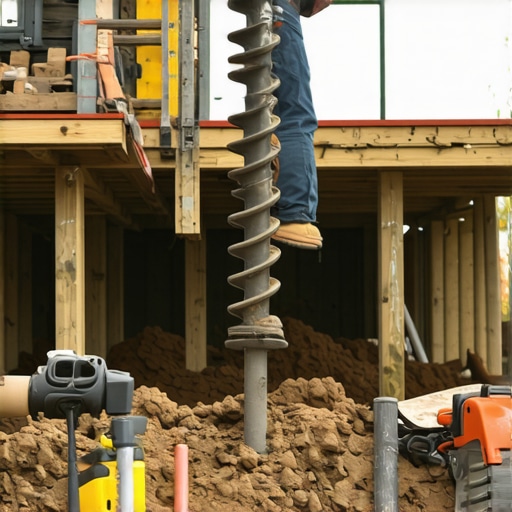
Walking out onto my old, creaking deck, I felt that familiar shiver of disappointment. That sinking feeling when I realized the deck wasn’t just unsightly—it was unsafe. I’ve been there many times, dealing with uneven surfaces, loose stairs, and the nagging worry about stability. It hit me—there has to be a better way. Recently, I discovered that *more professional deck builders in 2026 are using innovative helical piles* instead of traditional footings, and I want to share why this shift is a game-changer for outdoor enthusiasts and homeowners alike.
Why the push for low-impact deck foundations is gaining momentum
For years, building a sturdy outdoor space meant knocking down your yard, pouring concrete, and dealing with prolonged construction times. But that old approach comes with drawbacks: soil disruption, environmental impact, and the risk of future settling. As a homeowner with a love for outdoor living, I wanted a solution that minimized damage and was engineered for durability. That’s when I stumbled upon helical piles. These screw-in foundations offer a low-impact alternative, especially ideal when installing decks on sensitive terrain or over existing landscaping. Plus, they’re quick to install, reducing the mess and the headache. This small but significant change in foundation technology helps maintain the health of your yard and ensures your deck stands the test of time. If you’ve faced issues like uneven settling or damaging your garden during installation, you’re not alone. I’ve learned from experience that choosing the right foundation isn’t just about immediate stability but long-term peace of mind. Want your outdoor space to be both beautiful and resilient? Keep reading, because I’m about to guide you through why helical piles are revolutionizing deck construction in 2026—as well as how you can benefit from them.
Is helical piling really worth the hype, or is it just a passing trend?
Early on, I made the mistake of blindly trusting old-school methods without exploring newer, eco-friendlier options. That’s a common trap—many still assume concrete footings are the only way. But recent studies show that *helical piles can cut foundation installation time by up to 50% and reduce soil disturbance significantly* (source: Deck Design Build). It’s this efficiency and environmental consideration that makes low-impact foundations so appealing now. If you’re like me, skeptical at first, remember—sometimes embracing change is the smartest move to safeguard your investment and your yard’s health. The key is understanding how these piles work and whether they suit your specific outdoor project. As we step into the upcoming sections, I’ll share practical insights to help you decide if helical piles are the right choice for your deck, ensuring your outdoor sanctuary remains safe and stunning for years to come.
Set Your Foundation with Precision
Start by marking the exact locations for your helical piles, ensuring they align with your deck design. Use a measuring tape and chalk to pinpoint each point, avoiding underground utilities. I once miscalculated a spot and found a buried pipe; careful planning saved me from costly errors later. Drive the piles vertically into the ground using a compatible hydraulic wrench, making sure they reach the recommended depth for stability. This method is faster than traditional concrete footings, reducing construction time and soil disruption. For detailed steps, check out creating seamless transitions.
Level the Raised Deck Supports
Adjust the Helical Piles
Use a spirit level and adjustable steel brackets to ensure each pile is perfectly plumb. Once aligned, tighten the brackets securely. This approach prevents uneven settling, which can cause a wobbly deck. I once neglected this step on a small backyard project, and years later, the deck’s edge sagged unevenly, leading to costly repairs. Precise leveling guarantees a stable base for the framing and helps your deck stay safe for years. For inspiration on designing safe outdoor stairs, visit stair safety.
Build the Frame for Strength and Longevity
Attach pressure-treated ledger boards to the helical piles using corrosion-resistant bolts. This connection anchors your deck securely to the foundation. Ensure the ledger is level and sealed against moisture to prevent rot. I once installed a ledger with too much slack, resulting in minor movement. Recognizing this early, I reinforced the connections, which saved the project from future instability. Use high-quality joists, spacing them evenly at 16 inches on-center, to distribute weight effectively. For comprehensive framing tips, see deck framing techniques.
Lay Down Durable Decking Materials
Choose composite decking that resists heat and moisture, like the brands tested for 2026 standards. Secure planks with hidden fasteners to maintain a clean look and prevent tripping hazards. I installed a new composite deck early in the season, and it held up remarkably well against rain and sun. Avoid over-tightening screws, which can cause warping over time. Proper spacing between boards allows for expansion and contraction, avoiding unsightly gaps. For latest trends, explore composite decking trends 2025.
Detail Your Outdoor Stairs for Safety
Design stairs with at least 12-inch treads and 13-inch risers for comfortable footing. Use non-slip composite treads and secure them with hidden fasteners. Consider integrating glass risers for modern aesthetics, as highlighted in recent design guides. I once added inset lighting on my stairs, enhancing safety at night. Ensure stringers are protected from rot with proper sealing, especially where they contact ground. To master stair design, visit stair safety and design.
Secure and Enhance the Finish
Finish your deck with rain-resistant sealers on the wood parts and LED lighting for ambiance. Widen treads and add privacy screens to create cozy outdoor retreats. I learned that a well-finished deck invites more use and extends its lifespan. Regular maintenance, like cleaning with eco-friendly solutions, keeps your outdoor space looking fresh. For innovative outdoor living ideas, explore outdoor living ideas 2025.
While many believe that building stairs, outdoor living areas, and choosing composite decking are straightforward tasks, advanced insights reveal hidden nuances that can make or break your project. A common myth is that all composite decks are equally durable; however, experts emphasize that the quality of the core materials and manufacturing processes significantly impact longevity, especially under extreme weather conditions like 2026’s anticipated heatwaves. For example, solid-core composites offer superior resistance to warping and fading than hollow-core alternatives, a detail overlooked by many DIY enthusiasts.
What Advanced Homeowners Should Know About Deck Materials and Climate Resistance
Recent studies indicate that selecting the right type of composite material based on climate data results in longer-lasting decks, ultimately saving costs and headaches. Additionally, many assume that precast stairs are always safer, but improper framing or neglecting to include wider treads can cause slipping hazards—especially when rain or dew is frequent. This highlights the importance of incorporating expert-level features like non-slip treads and wider steps, crucial for safety in 2026’s unpredictable weather. Interestingly, working with a skilled deck builder can quickly turn a basic outdoor space into a private oasis, seamlessly integrating these safety and durability nuances.
How Can Mastering These Details Improve Your Outdoor Space?
For instance, understanding the importance of hidden fasteners not only enhances aesthetic appeal but also prevents tripping hazards caused by protruding screws—an often ignored detail that contractors sometimes cut corners on. Using a professional ensures precise alignment and secure fastening, which are essential for the structural integrity of stairs and decking frames. In my experience, incorporating these advanced techniques has extended the lifespan of outdoor projects significantly. For further reading, exploring creating seamless transitions can provide valuable insights into elevating your outdoor steps. Remember, grasping these subtle aspects requires deliberate attention—after all, overlooked nuances can lead to costly repairs or safety risks. Have you ever fallen into this trap? Let me know in the comments.
Maintaining your outdoor deck over the years is crucial to ensure it remains safe, beautiful, and functional. As a seasoned deck builder, I rely on a combination of specialized tools and proven methods to keep my projects in top shape and to extend their lifespan. One of my favorite power tools is the cordless impact driver. I prefer models with high torque output, such as the Milwaukee M18 Fuel, because they make fasteners like hidden deck fasteners and joist screws go in smoothly without stripping. This efficiency not only improves work quality but also reduces fatigue. For precise leveling and alignment, I use a high-quality laser level, like the Bosch GLL 55, which projects accurate lines over large areas—ideal for ensuring your deck supports and stairs are perfectly aligned. When it comes to inspecting for potential issues, I recommend a digital moisture meter. A model like the Wagner Meters MMC220 helps detect hidden moisture in wood components, alerting you early to rot or decay hotspots before they become costly repairs. Regularly checking for UV and weathering damage is equally important; a good quality stain or sealer applied annually protects the wood and composite surfaces from fading and deterioration. Remember, timely maintenance is the best way to prevent major issues down the line. Predicting future trends, advancements like smart deck monitoring systems that utilize IoT sensors could revolutionize how we care for outdoor spaces, providing real-time alerts on moisture or structural integrity. To keep your deck functioning optimally, I challenge you to implement a quarterly maintenance routine: clean, inspect, and reseal as needed. This small effort now will save you from expensive repairs later.
How do I maintain my deck over time?
Consistent upkeep involves cleaning with eco-friendly solutions, inspecting for loose or damaged fasteners, and reapplying protective coatings before weathering takes its toll. For stairs, pay special attention to tread and riser condition, ensuring non-slip surfaces and strong stringers, which I cover in detail on my dedicated guide. Remember, a well-maintained deck isn’t just about looks—it’s about safety and durability. Regularly investing in quality tools and thoughtful inspections pays dividends in the long run. So, grab that impact driver, your moisture meter, and laser level, and make maintenance a part of your outdoor lifestyle routine. If you want to streamline these tasks, check out advanced maintenance techniques today and elevate your deck’s longevity. Start with one task—perhaps resealing your stairs—and watch your outdoor space thrive for years to come.
Lessons That Changed My Deck Building Journey
- Prioritizing the soil impact during foundation installation revealed how small tech shifts can prolong your deck’s lifespan. Embracing helical piles not only sped up my projects but also preserved the natural beauty of my clients’ yards.
- Leveling each support meticulously taught me that a stable deck starts with precision—neglecting this step could lead to unsafe wobbles down the line, no matter how fancy the finish.
- Using corrosion-resistant fasteners and proper moisture barriers made me realize that attention to detail prevents costly repairs and keeps decks looking pristine for years.
- Understanding material nuances like core density in composite decking saved me from future warranty claims, especially during unexpected weather extremes — a crucial insight for outdoor longevity.
Tools and Resources That Elevated My Craft
- Milwaukee M18 Fuel Impact Driver — Its high torque makes fastening hidden fasteners effortless, reducing damage and speeding up the build process.
- Bosch GLL 55 Laser Level — Perfect for ensuring every support and joist align perfectly, crucial for a safe, wobble-free deck.
- Wagner Meters MMC220 Moisture Meter — Detects hidden moisture in wood components, preventing mold or rot before they become visible.
- Deck Design Build’s Guides serve as a treasure trove for insights on building with the latest standards and trends, ensuring my projects stay ahead of the curve.
Your Next Step Toward an Outdoor Masterpiece
Investing time in understanding deck foundations, materials, and safety features now will pay dividends for years to come. Whether you aim to entertain friends or create a peaceful retreat, embracing these innovative approaches guarantees your outdoor space is both stunning and durable. Remember, every detail—be it a wider stair tread or a hidden fastener—contributes to a truly remarkable deck that you’ll enjoy for decades. Don’t wait—start planning your upgrade today and turn your backyard into the outdoor living haven you’ve always envisioned. Are you ready to elevate your outdoor space with the latest deck-building wisdom? Share your plans or questions below — I love hearing about your projects!”}}#%2026%E2%80%99s%20stair%E2%80%99s%20safe%20and%20stunning%20future
Reading this article resonated with my own experience in deck building. I never considered how soil disruption could impact long-term stability until I faced uneven settling on a recent project. Helical piles seem like a smart solution, especially for projects over existing landscaping where traditional footings might cause damage. I appreciate the focus on environmental benefits and efficiency, as these are increasingly important in my work. One thing I’ve noticed with helical piles is the importance of accurate support placement and leveling from the start. Has anyone encountered challenges with this approach in rocky or clay-heavy soils? I’d love to hear tips on adapting the installation process for different ground conditions. Also, has anyone tried integrating IoT sensors for ongoing deck monitoring? Would be great to hear about real-world applications that provide peace of mind long after construction is complete.