
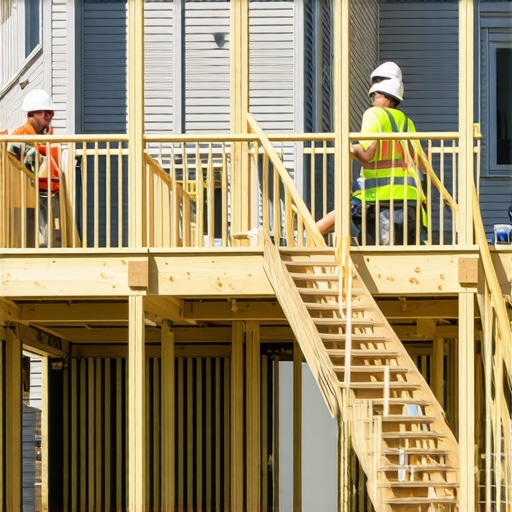
I remember the first time I finally finished building my dream deck, only to hear the unsettling creak and sway the very first time I stepped on it after a heavy rain. It was a gut punch. At that moment, I realized I had overlooked a critical detail—hidden lateral bracing. That small oversight could have compromised the entire structure’s stability and safety, not to mention its longevity.
Many outdoor living enthusiasts and homeowners face similar frustrations. They invest time, money, and hopes into a beautiful deck, only to deal with wobbling stairs, developing cracks, or even worse, safety hazards down the line. It’s a common scenario, and frankly, it’s avoidable.
Today, I want to share with you why incorporating **hidden lateral bracing** into your 2026 deck design is no longer just a good idea—it’s an essential for durability and safety. If you’re planning to work with a professional deck builder, or even if you’re considering a do-it-yourself project, understanding the importance of this detail can save you from costly repairs and potential accidents.
The Critical Role of Hidden Lateral Bracing in Deck Stability
Lateral bracing acts like the backbone of your deck’s frame, providing essential support against side-to-side movement caused by wind, soil settling, or seasonal shifts. Traditional methods often rely on visible diagonal braces, but these can detract from the aesthetic or be inadvertently compromised over time. That’s where hidden lateral bracing shines—offering both support and a sleek appearance.
From my early days of deck building, I learned that neglecting this component could lead to uneven surface stress, leading to structural problems years down the line. Properly installed hidden lateral bracing ensures your stairs stay firm, your decking remains level, and your outdoor space ages gracefully.
One of the biggest misconceptions I had was believing that standard joist measures sufficed to keep a deck sturdy. But professional insights reveal that without the added support of hidden braces, even compliant joist spacing can be insufficient for the rigorous conditions decks face today. For a comprehensive look at how to properly structure your deck, check out [this guide](https://deckdesignbuild.com/why-your-deck-stairs-need-a-12-inch-tread-for-safety) that emphasizes the importance of support for safety.
Have you already encountered wobbling stairs or noticed slight shifts in your deck? If so, you’re not alone—and there are proven solutions. Understanding and implementing hidden lateral bracing can be a game-changer in prolonging your deck’s life and ensuring it remains a safe, stunning part of your home for years to come.
In the sections ahead, I’ll walk you through the practical steps to incorporate hidden lateral bracing into your outdoor project, so stay tuned. We’ll also explore how to spot the red flags early when vetting your deck builder, saving you from future headaches.
Identify Key Support Points
Begin by assessing your deck’s framing layout, pinpointing where lateral stability is most vulnerable. Locate the mid-span and perimeter areas that require reinforcement to prevent side-to-side movement. I once started a project where I overlooked these support zones, leading to wobbly stairs that required costly modifications later.
Choose Suitable Materials
Select durable, weather-resistant materials like steel or composite brackets for hidden bracing. Steel offers strength similar to the reinforcement used in aircraft wings, providing reliable support. Using high-quality materials ensures your deck remains stable despite seasonal shifts and wind loads.
Measure and Cut the Bracing Elements
Accurately measure the lengths needed for your braces, considering the span and height—think of it as tailoring a suit for a perfect fit. Cut the supports precisely; a sloppy cut can compromise the entire structure. I remember struggling with mismatched cuts early on, which made installation more difficult.
Install the Hidden Supports
Attach the braces diagonally from the rim joists to the ledger board, ensuring they are concealed behind decking boards or framing members. Use lag bolts or structural screws rated for outdoor use. This step is akin to installing invisible backbone support that prevents lateral sway without impacting the aesthetic — a technique I mastered after several failed attempts.
Seal and Protect the Support Connections
Apply a weatherproof sealant or paint to the fasteners and exposed areas. This prevents corrosion and prolongs support life, much like how coaches use protective gear to prevent injuries. Regular maintenance here prevents future issues and keeps your deck safe.
Verify Stability and Make Adjustments
Once installed, gently test the deck’s lateral movement. If you notice any wobbling, reinforce those areas with additional bracing or re-tighten fasteners. Remember, your goal is to mimic the stability of a well-tied boat sail—firm and unwavering. My first attempt resulted in minor flex, but after adding another support, the structure felt rock-solid.
For a comprehensive understanding of how professional expertise can elevate your outdoor space, explore how a skilled deck builder can transform your garden into a private oasis. Incorporating hidden lateral bracing now saves headaches later, especially if you aim for a durable, long-lasting deck that withstands the test of time and weather.
Remember, thorough planning and precise installation are key. If you decide to hire a professional, ensure they understand the importance of this support, and verify their experience in implementing hidden bracing systems effectively.
When it comes to outdoor living, many enthusiasts focus heavily on the aesthetics and surface materials, but overlook critical nuances that can make or break long-term durability and safety. A common misconception is that choosing premium composite decking alone guarantees a maintenance-free experience. In reality, installation details, especially around stairs, are where most beginners stumble. For instance, many assume standard spacing and support are sufficient, but professional insights reveal that overlooked framing flaws can lead to squeaky, unstable stairs within just a few years.
Can Your Deck Support the Weight of Modern Outdoor Uses?
Advanced deck designs now incorporate heavier features like outdoor kitchens and hot tubs, demanding robust framing and support. According to industry experts, failing to account for increased load capacity can result in structural failures. This underscores the importance of working with experienced deck builders who understand the latest trends and engineering requirements, such as proper joist sizing and reinforcement techniques. For comprehensive tips on vetting your contractor, see how to spot red flags in a deck builder. A prevalent myth is that composite decking boards are immune to warping or fading; however, studies from the 2025 trends guide show that quality control and installation practices significantly impact longevity. Additionally, many overlook the importance of proper stair Tread Overhangs; overhanging over 1 inch can create tripping hazards. Installing wider treads not only enhances safety but also provides a more luxurious outdoor feel. For design inspiration, explore stunning stairs and deck ideas. Remember, the devil is in the details, and meticulous planning upfront saves you from costly repairs later on. Have you ever fallen into this trap? Let me know in the comments.Maintaining a durable and attractive outdoor deck requires the right tools and consistent effort. Personally, I swear by my digital moisture meter, which allows me to evaluate wood permeability accurately—a vital step before sealing or staining. I use high-quality power drills with variable speed settings to ensure precise fastening, especially when installing hidden lateral bracing. An impact driver becomes indispensable for driving long, weather-resistant screws into composite decking, preventing stripping and ensuring firm attachment. For measuring, I rely on a laser distance meter for quick, accurate assessments of joist spans and support distances, saving time over traditional tape measures. When it comes to cleaning, I recommend a soft-bristle brush attachment for your power washer—gentle enough to avoid damaging composite surfaces while effectively removing debris.
In terms of software, I utilize project management tools like Trello to keep track of maintenance schedules, repairs, and upgrades, especially when managing multiple outdoor areas or working with clients. A digital app for salt and pH levels is useful if you’re maintaining nearby saltwater pools or gardens, as these can impact your deck’s longevity.
Prediction suggests that the future of deck maintenance leans toward automation, with robotic cleaners and AI-based moisture monitoring devices becoming more accessible. Keeping ahead involves integrating these emerging tools into your routine.
How do I maintain my deck’s longevity over time?
Regular inspections are key. Check fasteners for corrosion, especially after winter storms, and reseal surfaces every 2-3 years. Pay close attention to hidden components like support brackets and stair stringers, which are prone to rot and corrosion. Using specialized products like epoxy wood fillers and rust-resistant coatings can greatly extend your wood’s lifespan. For example, a study from the Forest Products Laboratory emphasizes the importance of proper sealing to prevent moisture ingress, which ultimately leads to rot or mold.
Don’t forget that scheduling professional inspections can reveal issues that DIY checks might miss. A skilled deck builder can spot early signs of structural fatigue or hidden damage, saving you money and ensuring safety. If you’re considering enhancements or upgrades, explore how a professional can elevate your outdoor space with lasting results—see [this guide](https://deckdesignbuild.com/how-a-skilled-deck-builder-can-turn-your-garden-into-a-private-oasis) for inspiration.
Attempt to incorporate advanced sealing techniques or upgrade your fasteners with corrosion-resistant options to ward off future problems. Specialized tools and methods can seem daunting initially, but their benefits in the long run are undeniable. For instance, using a high-grade fastener coating like ceramic or epoxy significantly reduces corrosion risks, especially in humid climates.
By maintaining vigilant inspections and employing the latest tools, you ensure your deck remains safe and stunning for many seasons. Why not try aligning your routine with these expert recommendations today? Investing in quality tools and techniques now will pay dividends in the durability of your outdoor haven, making every summer more enjoyable and worry-free.
Lessons I Wish I Learned the Hard Way in Deck Building
Early in my decking journey, I underestimated the power of hidden lateral bracing. I thought supporting the surface was enough, but after years of wobbling stairs and shifting planks, I discovered the true secret to durability lies in those concealed supports. Now, I always remind fellow builders and homeowners: never skip the hidden braces—they are the unsung heroes of stability. Another lightbulb moment was realizing that materials alone can’t compensate for poor framing decisions; proper support and strategic placement make all the difference. Lastly, I learned that ongoing maintenance, especially inspecting support points and fasteners, prolongs your deck’s life well beyond initial construction—it’s about building longevity, not just a quick fix.