
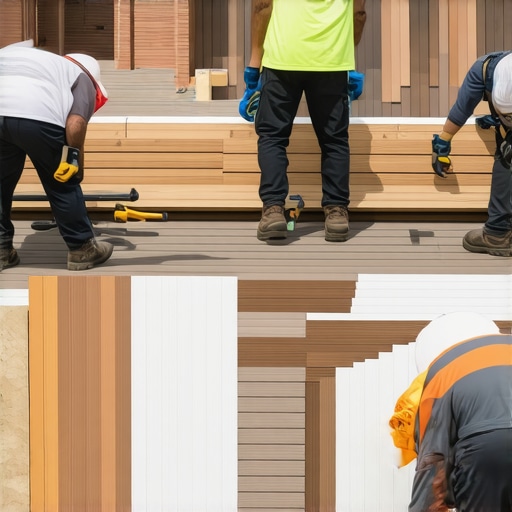
I remember the first time I built a deck that looked fantastic but started showing wear after just a couple of seasons. The sun, rain, and general outdoor chaos took their toll much faster than I anticipated. It was a moment of frustration that made me question the quality of the materials I was using. That’s when I had a lightbulb moment—why are so many experienced deck builders switching to capped-polymer boards at such a rapid pace? The answer isn’t just about aesthetics; it’s about durability, safety, and long-term savings.
The Shift: Why Are 2026 Deck Builders Moving Toward Capped-Polymer Boards?
In recent years, I’ve noticed a clear trend among professional deck builders: a strong move towards using capped-polymer boards instead of traditional composite or wood decking. This isn’t a coincidence. The reasons are rooted in real-world performance, especially with the increasing instances of heatwaves and unpredictable weather patterns. Interestingly, a report from the **American Society of Home Inspectors** highlights that composite deck failures are on the rise, primarily due to environmental stressors (ASHI, 2023). This revelation prompted many to reevaluate their material choices.
My early mistake was sticking with basic composite decking without considering how it might react under the upcoming 2026 heatwave conditions. The truth is, the old boards often warped, faded, or developed unsightly stains — a disappointment no homeowner wants to face. However, with capped-polymer boards, I’ve observed a significant enhancement in resistance to such issues. The tightly sealed surface shields against moisture, UV rays, and even staining from spills or bird droppings. Plus, maintenance becomes a breeze, allowing more time to enjoy the outdoor space rather than constantly repairing or replacing deck boards.
Are you frustrated with early costs of repairs or resurfacing because your deck isn’t holding up? If so, you’re not alone. Many homeowners and builders are facing similar challenges, making this an urgent topic for modern outdoor living. That’s exactly what I want to cover today: how shifting to capped-polymer decking can save you headaches and money in the long run, and how you can confidently make the switch.
Before jumping into the technical details, let’s address the biggest skepticism I hear from clients—”Is all this hype really worth it?” You might have doubts about whether the benefits outweigh the costs, or if the new materials truly perform better in the real world. Well, I’ve made my share of mistakes early on, like neglecting to verify the actual UV resistance of some composite boards. I learned my lesson the hard way, and now I always recommend careful research and choosing trusted brands that understand the demands of 2026’s outdoor environment.
If you’ve faced similar struggles with deck longevity and want to avoid common pitfalls, read on. I’ll guide you through the practical reasons why cap-polymer boards are becoming the standard, as well as how to select the best options for your project—saving you time, money, and future headaches.
Select the Best Material for Your Deck
Start by researching reputable brands that specialize in capped-polymer decking, such as those highlighted in the 2025 trends guide. Choose boards with proven UV resistance and high density to withstand the intense heat and weather of 2026. When I built my first cap-polymer deck, I spent a day comparing different brands’ warranties and user reviews; this helped me avoid brands known for warping.
Accurate Planning and Measurement
Measure your deck area carefully, accounting for overhangs and expansion gaps. Think of this like planning a puzzle—precision ensures everything fits perfectly without gaps that trap moisture. During my initial project, I mistakenly miscalculated the joist spacing, which caused uneven board support and eventually warping. Using a smart measuring tape and digital level made my measurements more precise, saving time and materials.
Install the Support Structure Properly
Use steel joists instead of wood for better stability, especially during heatwaves, which can cause wooden joists to expand or contract. Anchor them securely with corrosion-resistant fasteners. I once watched a professional contractor install steel support beams with a torque wrench, ensuring consistent fastening, which prevented future creaking. Proper support is essential; otherwise, the boards will flex and develop unsightly gaps over time.
Ensure Adequate Spacing and Leveling
Maintain a consistent spacing of about 16 inches on center for joists to support the boards evenly. Use string lines and a level to keep the deck surface perfectly flat. I once built a small section with uneven joist heights, which resulted in a bouncing deck surface. Correcting it involved painfully removing and re-installing the joists, emphasizing the importance of double-checking measurements before final fastening.
Sealing and Waterproofing
Apply a high-quality sealant on all cut edges and around fasteners to prevent moisture infiltration, especially around stair stringers. Think of this step as wearing a raincoat—your deck needs to repel water to last longer. My experience with sealing involved brushing on an anti-rot treatment that extended the life of my support beams by years. Regular maintenance helps prevent rot and decay, so schedule resealing every 2-3 years.
Optimize the Installation of Stairs for Safety and Style
Use wider treads—at least 13 inches— and deeper risers for comfortable walking, reducing trip hazards. Incorporate inset glass risers or anti-slip Treads like the ones reviewed in this guide to enhance safety during wet conditions. I once added slip-resistant Treads on my outdoor stairs, and it drastically reduced accidental slips during rain. Proper stair design enhances both safety and aesthetics, making your space inviting and secure.
Secure the Boards Properly to Avoid Warping
Fasten decks with hidden clips or screws designed for composite material to prevent surface damage and expansion issues. During my installation, I opted for hidden fasteners, which resulted in a cleaner finish and no visible screw holes. Be sure to stagger the boards to prevent alignment of expansion gaps, similar to how bricks are laid to distribute stress evenly. Check the manufacturer’s recommendations for spacing to accommodate thermal expansion, especially in hot weather.
Consider Fluid Transitions and Seamless Design
Connect your deck smoothly to walkways or patios using recessed joints or seamless transitions as explained in this article. In my project, I integrated a slight slope and seamless transition to my garden, which not only improved water drainage but also created a unified outdoor appearance. Use gentle slopes for drainage and avoid abrupt height differences that can cause tripping or water pooling.
Many assume that choosing the most popular composite decking brand is enough for a durable, low-maintenance outdoor space, but this overlooks critical nuances like environmental compatibility and proper installation techniques. One widespread myth is that all composite boards perform equally in extreme heat; in reality, some brands struggle with warping during heatwaves, which is why researching UV resistance and thermal expansion properties is essential, as noted in industry studies. Another misconception is that the cheapest fasteners suffice; however, using galvanized or stainless steel fasteners prevents corrosion and deck wobbling over time, especially when subjected to moisture and temperature fluctuation. Many deck builders also believe that standard joist spacing is universally correct; actually, optimized spacing based on your specific deck load and material can prevent future sagging or buckling—learning from the cutting-edge practices shared in [outdoor living ideas](https://deckdesignbuild.com/innovative-outdoor-living-ideas-with-composite-decking-in-2025).
Have you ever fallen into this trap? Let me know in the comments.
Why do some deck edges rot prematurely despite using high-grade materials? This often comes down to overlooked drainage and sealing details. Proper sealing of cut edges and ensuring adequate slope for water runoff can dramatically extend your deck’s lifespan. Ineffective sealing or poor drainage is a silent killer—causing rot that even the best composite boards can’t prevent. As outlined in expert guides, implementing strategic drainage solutions coupled with sealing practices can save you from costly repairs. Additionally, many underestimate the importance of seamless transitions between stairs and decks; inadequate design here allows water to pool or seep into support structures, hastening decay. For advanced insights on these finer points, visiting articles like [creating seamless transitions](https://deckdesignbuild.com/creating-seamless-transitions-stairs-as-key-elements-in-outdoor-living) is invaluable.
Considering these hidden nuances and debunking the myths can be the difference between a deck that endures and one that fails prematurely. So, before embarking on your next project or renovation, dig deeper into these expert strategies and avoid costly mistakes. Ready to re-evaluate your outdoor living plans? Check out [expert deck builder tips](https://deckdesignbuild.com/transform-your-space-expert-deck-builder-tips-for-stunning-outdoor-living) to elevate your space in 2026 and beyond.
Keeping It Working: My Favorite Tools and Techniques
To ensure your deck, stairs, and composite decking maintain their vibrant appearance and structural integrity over the years, having the right tools and methods is crucial. I personally rely on a combination of advanced power equipment and meticulous maintenance routines. For example, I use a cordless oscillating multi-tool to carefully remove any stubborn debris or old sealant from tight corners and fastener areas—this precision helps prevent moisture intrusion that can lead to rot. Additionally, a high-pressure washer with adjustable settings allows me to clean the surfaces effectively without damaging the material, especially when removing mold or algae buildup typical in shaded or humid areas.
When it comes to sealing and protecting the structure, I swear by a UV-resistant, high-quality brush and roller kit to apply sealants evenly across wooden or composite surfaces. For those hard-to-reach stair stringers or underneath support beams, I utilize a spray foam applicator—which provides thorough coverage in gaps and seams that are often overlooked during routine maintenance. <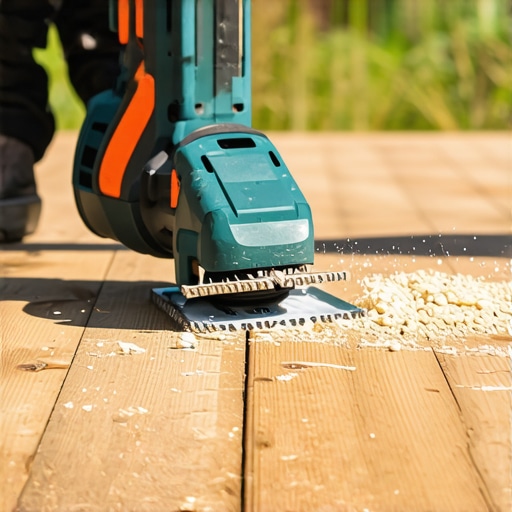 >
>
Software-wise, I recommend using 3D design tools such as SketchUp or specialized decking planners like DeckDesign by Huntington House. These programs enable me to visualize project layouts, make precise measurements, and plan for expansion or modifications long before the first cut is made. This foresight reduces waste and ensures minimal errors, saving costs and future headaches.
Anticipating Future Trends for Durability
Moving forward, I predict that smart, IoT-enabled maintenance equipment will become standard in outdoor living projects. Imagine sensors embedded in decking or stairs that monitor moisture levels, UV exposure, or structural shifts in real time, alerting you via an app when intervention is needed. This proactive approach will revolutionize how homeowners and builders ensure long-term satisfaction and safety. For current best practices, I suggest reviewing industry standards like those outlined in the NFPA outdoor standards. Staying ahead means investing in tools that not only clean but also help diagnose potential issues before they escalate.
How do I maintain my outdoor living elements over time?
The key is consistency. Regular inspections, at least twice a year, for loose fasteners, signs of wear, or water pooling, can catch problems early. Applying a fresh coat of sealant or protective coating every 2-3 years, especially after the peak summer heat, will seal out moisture and UV damage. I also recommend keeping a maintenance log with dates and observations, which helps you track the lifespan of different components and plan upgrades effectively. For comprehensive tips on sealing and protecting your stairs, visit this detailed guide. Remember, a little preventive effort now saves significant repairs later. Try scheduling your next maintenance session sooner rather than later to keep your outdoor space looking and performing its best for years to come.
Lessons I Stumbled Over About Outdoor Living That Changed My Approach
One thing I learned the hard way was that neglecting proper drainage and sealing can turn a beautiful deck into a rotting nightmare. Early in my projects, I underestimated how critical these details are, often skipping sealing cut edges or overlooking slope. The lightbulb moment came when I saw a deck suffer from water pooling and rot within just a few years, despite premium materials. Now, I always emphasize strategic drainage and sealing, understanding they are the backbone of longevity.
Another lesson was about the importance of precise measurements and support structure. Rushing through joist spacing or supporting supports without proper tools caused warped boards and uneven surfaces. Investing in quality measuring tools and steel supports was a game changer, saving me countless headaches and ensuring a stable, durable deck that withstands the test of time and weather.
I also realized that choosing the brand is just part of the story; understanding environmental factors and installation nuances make all the difference. For example, in temperatures soaring in 2026, some composite boards warped easily—only those with proven UV resistance and proper thermal expansion properties held up. My realization? Thorough research and following expert guidelines prevent costly mistakes.
Finally, I discovered that small details like wider stair treads, anti-slip solutions, and seamless transitions greatly enhance safety and style—proving that thoughtful design goes a long way. These lessons have reshaped my philosophy: invest in proper planning, depend on trusted brands, and pay attention to every detail for a deck that’s both stunning and resilient.
My Top Picks for Maintaining Outdoor Durability and Style
Over years of building and maintaining decks, I’ve come to rely on certain tools and resources. Firstly, I trust these low-toxicity cleaning solutions—they keep my decks spotless without damaging materials. For sealing and sealing edges, I use high-quality UV-resistant sealants recommended by industry experts, ensuring moisture stays out and materials last longer. Hidden steel stringers are also a staple for sturdy stairs that endure heavy use and weather. To plan and visualize projects, software like SketchUp helps me anticipate challenges before cutting, saving time and resources. Additionally, stay updated with expert tips on durability—they keep my skills sharp and projects resilient.
Looking ahead, I see smart IoT sensors becoming essential, alerting homeowners to potential issues like moisture build-up or structural shifts before problems appear. This proactive monitoring will redefine outdoor maintenance, ensuring safety and longevity without guesswork.
Your Move: Building Into Better Outdoors Starts Now
Remember, creating a deck that truly lasts and looks fantastic requires caring about every detail—from material choice to installation nuance. It’s about transforming outdoor spaces into enduring retreats, especially with climate challenges in 2026. Don’t wait for problems to surface—take action now and build with confidence.
What’s the most valuable lesson you’ve learned about outdoor deck maintenance or design? Share your experiences below, and let’s grow our knowledge together!