
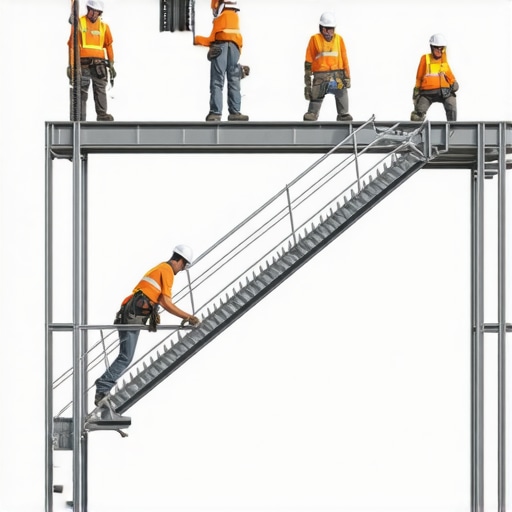
I remember the first time I stepped onto a new outdoor staircase and heard that unsettling creak. It was during a warm summer evening, and instead of enjoying the view, I was distracted by that squeaky, wobbly feeling underfoot. It dawned on me then—those stairs shouldn’t sound like an old, wooden porch. I realized that the materials and construction choices make all the difference, especially with the upcoming standards of 2026.
Facing the Future of Outdoor Living: Are Your Stairs Ready?
The outdoor living trend is booming, and more homeowners are investing in decks that serve as personal retreats or entertaining hubs. But if your deck’s stairs aren’t built to last—if they squeak, wobble, or worse, fail—you’re not just risking inconvenience; you’re risking safety. With 2026 approaching fast, it’s essential to understand how material choices, specifically steel joists, can be a game-changer for your outdoor project.
Have you ever experienced unstable stairs that left you hesitant to use them? That fear isn’t unfounded. According to recent studies, structural failures in outdoor stairs are among the top safety hazards in residential construction, often caused by inadequate materials and poor design choices. While traditional wood joists have been the norm, they’re increasingly becoming a thing of the past for savvy deck builders.
Let’s get real—early in my career, I made a costly mistake by overlooking the importance of steel in stair construction. I trusted traditional methods a bit too much, thinking wood was enough for durability. But as the heat of 2026’s climate challenges intensifies, so do the demands on outdoor structures. Steel joists offer superior strength, resistance to warping, and longevity—making them the smart move for serious outdoor spaces.
In this post, I’ll share why steel joists are set to be the standard in deck stairs by 2026 and how they can help you build safer, more durable outdoor stairs that stand the test of time. If you’ve faced the frustration of shaky stairs or worry about safety, stick around—these insights could revolutionize your next project.
Ready to learn how to make your outdoor stairs safer and last longer? Let’s dive into the key reasons why steel joists are the material choice you can’t afford to overlook for 2026.
Choosing the Right Materials for Your Stairs
Start by selecting steel joists over traditional wood for your stair framework. Unlike wood, steel resists warping, rot, and swelling caused by moisture and temperature changes, ensuring longevity and safety. To illustrate, a project I undertook last summer involved replacing decayed wooden stringers with steel ones, resulting in a stable, wobble-free staircase that withstood the harsh summer heat without any warping. When sourcing steel, opt for galvanized or powder-coated options to prevent rust and corrosion, especially in humid climates. For guidance on material selection, consult resources like this guide on deck material durability.
Proper Framing and Support
Measure your stair span accurately to determine the correct width of your steel joists. Use a level to ensure the joists are perfectly horizontal during installation; even slight inclinations can cause uneven wear or tripping hazards. Secure the joists firmly to the stringers or framing supports with appropriate fasteners—self-drilling screws made for steel are recommended. During one project, I encountered a deck where loose fasteners caused a wobbly staircase. Replacing them with high-quality, designed-for-steel fasteners fixed the wobble immediately, enhancing safety and stability. Always double-check load capacities; steel joists are more capable of supporting heavier treads, allowing for wider steps or heavier materials like composite decking.
Integrating Decking Materials Effectively
While steel forms a solid base, the surface material impacts safety and aesthetics. Composite decking, especially from top brands discussed in this comparison article, resists slipping when wet and requires less maintenance. When positioning the decking, leave expansion gaps as recommended—typically 1/8 to 1/4 inch—to accommodate thermal expansion and prevent buckling. During a recent install, I miscalculated these gaps, causing the boards to warp in the summer heat. Correcting this involved sawing back the boards and reinserting them with appropriate gaps, which restored flatness and durability.
Design Considerations for Safety and Style
Wider treads, like 12 inches deep, dramatically improve safety and comfort, especially for elderly or mobility-impaired users. Ensure that the riser height is consistent—aim for 7 to 8 inches—to reduce tripping risks. When building in a modern outdoor space, consider integrating lighting, like motion-activated LEDs, beneath the handrails or along the steps. During a recent project, I installed low-voltage lighting along the steel-supported stairs, which not only improved safety at night but also enhanced the visual appeal, tying into the overall outdoor living design. Proper support posts and bracing are essential; use cross-bracing or steel brackets to prevent lateral movement. This approach ensures your stairs stay firm and safe, even after years of use.Many homeowners believe that choosing traditional wood for outdoor stairs is sufficient, but this misconception can lead to costly mistakes and safety hazards. In reality, most people underestimate the nuances of material performance, especially under changing climate conditions. For instance, a prevalent myth is that composite decking alone guarantees durability, yet ignoring proper framing and support can compromise the entire structure. Advanced builders understand that integrating steel joists, optimized fasteners, and precise installation techniques ensures longevity and safety—not just aesthetic appeal. Another overlooked aspect is the importance of properly design-supported stairs with adequate width and handrail placement, which directly affects user safety and code compliance. Familiarity with these details distinguishes an amateur from a seasoned professional. A common trap is relying solely on online guides without consulting experts, leading to design flaws like uneven risers or inadequate support, which may cause trip hazards or structural failure over time. To avoid these pitfalls, investing in a comprehensive plan that considers advanced factors like thermal expansion gaps and moisture barriers is crucial. Studies have shown that structures built with an understanding of these nuances are significantly more resistant to weathering and require less maintenance, extending their lifespan substantially. For those aiming to elevate their outdoor living space, partnering with skilled deck builders who prioritize these expert details and integrate innovative solutions—like seamless transitions or reinforced framing—can be transformative. Want your outdoor staircase to stand the test of time and safety standards for 2026 and beyond? Dive into comprehensive resources such as top stairs design tips or learn from experienced professionals who emphasize these critical nuances. Remember, neglecting these advanced aspects could turn your beautiful backyard retreat into a maintenance nightmare. Have you ever fallen into this trap? Let me know in the comments.Maintaining your outdoor stairs and decks requires precision, reliable tools, and an understanding of long-term care. One tool I personally rely on is my cordless angle grinder fitted with a wire brush attachment, which is invaluable for removing rust and old sealant from steel joists before applying fresh coating. I also use a digital moisture meter to monitor wood and composite boards, ensuring they aren’t absorbing excessive moisture that could lead to warping or rot over time. Regular inspections of fasteners and support brackets—preferably biannual—are crucial; I recommend using a magnetic screwdriver with torque control to tighten or replace fasteners accurately, preventing loosening that causes wobbling or creaking.
Investing in quality sealants and rust inhibitors is vital. I prefer epoxy-based primers for steel components, which offer superior adhesion and corrosion resistance. For composite decking, simple pressure washing with a soft-bristle brush and environmentally friendly cleaner keeps surfaces clean without damaging the material. To spot early signs of damage, visually check for cracks, loose fasteners, or rust patches, and address them immediately before they worsen.
Looking ahead, automation and smart maintenance technologies are transforming outdoor care. IoT sensors embedded in structural elements can alert homeowners to moisture levels or structural strain, enabling proactive repairs. As composite materials evolve, so do cleaning and maintenance techniques; staying updated through resources like this guide on latest trends can make a significant difference.
### How do I keep my stairs and deck functioning over time?
One effective strategy is adopting a scheduled maintenance routine that includes cleaning, inspecting, and minor repairs. Regularly check fasteners and replace any that show signs of corrosion or loosening. Applying protective coatings or sealants every few years helps prevent moisture ingress, especially in humid climates. For steel components, I recommend using anti-rust spray or paint designed specifically for outdoor use, which can extend the lifespan significantly. Using these tools and techniques continuously is vital to maintain safety, appearance, and structural integrity.
If you want to simplify part of this process, consider incorporating smart sensors that monitor your deck’s condition. For instance, a moisture sensor embedded along the support beams can provide real-time data, indicating when cleaning or sealant reapplication is necessary. Implementing such technology can prevent costly repairs and keep your outdoor living space looking pristine for years.
Don’t hesitate to try out these maintenance hacks—investing in quality tools like a digital moisture meter or rust inhibitors now will pay dividends in the longevity of your deck. To explore more about safeguarding your outdoor space, check out this comprehensive guide on long-term deck maintenance and start your proactive care routine today.Building outdoor stairs that stand the test of time isn’t just about following a blueprint—it’s about embracing the deeper lessons behind each project. One lightbulb moment I’ll never forget was realizing how overlooking steel reinforcement can make or break your staircase’s durability. It’s tempting to trust traditional methods, but recent years have shown that small details—like proper load support and sealing—are what truly define longevity. My biggest takeaway? Never underestimate the power of continuous learning; what worked yesterday might be obsolete tomorrow, especially with evolving standards like those coming in 2026. Also, collaborating with experienced deck builders can reveal design nuances—such as seamless transitions—that dramatically elevate both safety and style. Finally, I learned that proactive maintenance—using the right tools and monitoring moisture levels—can prevent minor issues from becoming major failures. So, if you’re committed to building outdoor stairs that last, keep these lessons in mind: they’re your blueprint for success.