
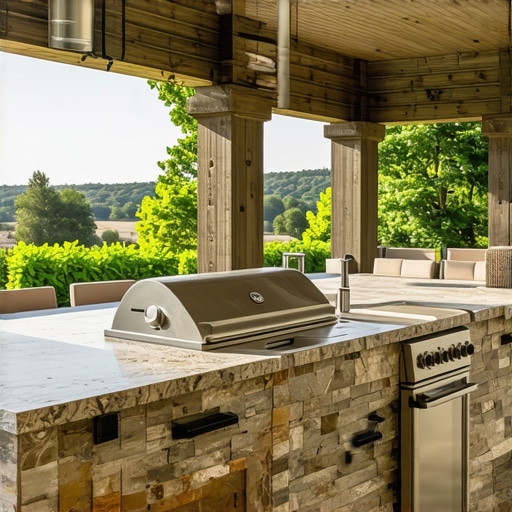
I remember the moment clearly—shuffling nervously on my new composite deck, feeling it flex under my weight as I attempted to set up my outdoor kitchen. That gut-wrenching realization hit me: I had overlooked something crucial. My deck, designed for casual lounging, wasn’t built to support the hefty stone and appliances I envisioned. It was a lightbulb moment that reshaped my entire approach to outdoor living. If you’ve ever faced doubts about whether your deck can handle a stone-heavy outdoor kitchen, you’re not alone. Today, I’m here to share how I learned to **properly frame 2026 decks for heavy stone kitchens**, so you don’t have to go through the same costly mistakes.
Why Heavy Stone Outdoors Demands a Stronger Frame
Outdoor kitchens with substantial stone elements are more popular than ever. They add elegance and functionality, transforming spaces into backyard retreats. But here’s the thing—these heavy structures require more than just a sturdy countertop. They need the right foundation, especially when using solid-core composite decking that can withstand the weight and environmental stress of 2026’s climate. Without a proper framing system, you’ll end up with a sagging, unsafe deck that diminishes your outdoor experience and, worse, poses safety risks.
Early in my project, I made a critical mistake: I followed standard framing practices without considering the added load of stone countertops and heavy appliances. That oversight almost ended with a costly rebuild. According to industry experts, enhancing joist spacing, opting for steel rather than wood joists, and reinforcing beams are essential steps for supporting substantial outdoor kitchens. These details might seem minor, but they are the backbone of a durable, safe outdoor space that can support your culinary ambitions.
Have you ever built a deck that felt bouncy or saggy once you added heavy equipment? It’s a common issue, and I’ll help you avoid it.
If you’re contemplating a heavy stone setup or already in the planning phase, addressing framing now can save you headaches (and money) later. Next, I’ll walk you through the practical steps I took—and you should consider—to build a deck frame that truly supports your outdoor kitchen dreams. Ready to dive into the specifics? Let’s get started on laying a foundation that lasts.
Start with a Solid Foundation
Begin by verifying the existing deck’s structural integrity using a level and measuring tape. If reinforcement is needed, consider upgrading joists to steel or higher-grade lumber. Imagine it like upgrading the beams of a bridge—without proper support, everything else collapses. When I first attempted this, I discovered that my wooden joists were spaced too far apart, causing bouncing when I placed my heavy equipment. I immediately replaced them with steel joists, which provided a stable base for my outdoor kitchen.
Reinforce the Frame with Proper Joist Spacing
For supporting dense stone countertops and appliances, reduce joist spacing to 12 inches on center, the industry standard for heavy loads. Think of it like densely packing books on a shelf—more support means less sagging. I once left my joists at 16 inches apart; after adding weight, the deck sagged noticeably. Moving to 12 inches fixed the issue and added peace of mind. Use high-density, pressure-treated lumber to resist weather and rot, and always verify the span capabilities based on your material’s specifications.
Use the Right Fasteners and Connectors
Secure all joists with corrosion-resistant fasteners, like stainless steel or hot-dipped galvanized nails and screws. Consider metal framing connectors to add rigidity at critical joints. This approach is akin to welding steel beams—enhancing overall stability. My experience shows that inferior fasteners loosen over time, creating wobble and possibly dangerous sags. Investing in quality hardware ensures durability and safety for years to come.
Reinforce Beams and Supports
Install additional support beams underneath heavy areas, such as where your stone counters will sit. Use ledger boards anchored properly into the house framing if attached, or footings if freestanding. Think of these beams as the backbone of your structure—without them, the deck becomes a house of cards when loaded. I added extra support posts and cross-bracing during my project, which prevented sagging and kept the deck stiff even under significant weight.
Verify Load Distribution and Deck Level
Regularly check the level of your deck as you assemble, ensuring uniform distribution of weight across the surface. Use a long carpenter’s level or a laser level for accuracy. A well-leveled deck prevents uneven stress points that may cause cracking or settling over time. When I was installing the final planks, I noticed a slight slope due to uneven support, so I adjusted the posts accordingly. Proper leveling is crucial for both safety and aesthetic appeal.
Planning for Future Stairs and Access
Design your stairs with wider treads and deeper risers for safety, especially when supporting added weight from your outdoor kitchen. Install concrete footings or piers for stability, and incorporate hidden steel stringers for a sleek look. I once overlooked stair reinforcement, which led to creaking noises and instability. Installing sturdy, wide stairs now prevents accidents later and complements your heavy-duty deck design. For comprehensive stair design tips, see this guide.
Many enthusiasts believe that choosing composite decking automatically guarantees low maintenance and durability. However, this common misconception overlooks crucial nuances that can make or break your outdoor project. For instance, not all composite materials behave equally under harsh weather conditions like intense heat or moisture, which can lead to warping, fading, or Mold growth if you choose poorly. Experts warn that selecting the right composite is more than just picking a trendy color; it requires understanding the material’s resistance and performance over time.
What Advanced Tips Do Skilled Deck Builders Use to Ensure Longevity?
Top-rated professionals consider factors like proper substructure venting to prevent moisture buildup, a detail often underestimated by DIYers, risking post-installation issues. Incorporating hidden fasteners not only provides aesthetic appeal but also minimizes trap points for dirt and water, extending the deck’s lifespan. The secret also lies in precisely designed staircases with wider treads and proper framing to support heavy loads—much more critical than many realize. For insights into designing safe and stylish stairs, review this comprehensive guide. Additionally, when considering outdoor living enhancements, integrating electrical and lighting elements during the build phase is vital to avoid costly retrofits. External studies suggest that detailed planning using 3D modeling helps visualize complex areas like stairs and seating zones, reducing errors and ensuring harmony with your overall landscape. Remember, partnering with a professional deck builder not only enhances craftsmanship but also informs you about these subtle yet pivotal details, ensuring your investment stands the test of time. Want to master the art of outdoor living? Dive deeper into expert tips for stunning outdoor spaces. Have you ever fallen into this trap? Let me know in the comments.
Tools I Recommend for Deck Maintenance
Keeping your composite decking and outdoor living features in prime condition requires the right set of tools. My go-to is a high-quality cordless drill with a set of corrosion-resistant fasteners, which I use to secure any loose boards or hardware—ensuring longevity and safety. For cleaning, I rely on a soft-bristle brush and a garden hose with a gentle spray setting to remove dirt and prevent mold buildup without damaging the surface. An electric pressure washer with adjustable PSI (around 1,200-1,500) is invaluable for deep cleaning, especially before sealing or re-staining. Why these tools? They allow precise, effective maintenance without risking surface damage. Regular inspections using a flashlight help me spot early signs of wear or rot in hidden areas—saving costly repairs later. Investing in quality tools makes consistent upkeep manageable and helps extend the lifespan of your deck.
Software and Methods for Ongoing Care
Monitoring your deck’s condition is streamlined with maintenance tracking apps like Trello or Evernote, where I log inspections, cleaning schedules, and repairs. For detailed assessments, I use a moisture meter to detect hidden dampness behind boards, which can lead to mold or rot if overlooked. Applying a protective sealant annually—typically every 2-3 years—is crucial for exterior surfaces, especially in climates with high moisture or temperature swings. I prefer eco-friendly, UV-resistant sealers formulated specifically for composite and treated lumber, which I choose based on thorough testing reports. A systematic approach, combining physical inspections with digital reminders, ensures I stay proactive rather than reactive.
Long-Term Results and Scaling Strategies
Consistent maintenance results in a durable, beautiful outdoor space that retains its appeal for years. Setting up a routine checklist for cleaning, sealing, and hardware tightening helps prevent minor issues from escalating. As your project scales, consider upgrading tools—such as owning a cordless orbital sander for refinishing surfaces or a digital moisture meter for precise diagnostics—to handle larger or more complex decks. Future trends point toward smart maintenance solutions, like IoT-enabled sensors that monitor moisture levels and alert you when action is needed. Embracing these innovations can revolutionize how we maintain outdoor structures, reducing labor while maximizing lifespan.
How do I maintain my composite deck and stairs over time?
Regular cleaning with gentle tools, yearly sealing, inspecting hardware, and using advanced diagnostics keep your outdoor living space resilient. For best practices, consult the latest composite decking trends and integrate recommended protective measures. I highly suggest trying out a moisture meter to preemptively catch hidden issues—it’s a game-changer for long-term upkeep. Staying on top of these tasks ensures your deck remains safe, stylish, and ready for the next outdoor gathering.

The Hidden Lessons Behind My Deck Dilemmas
One of the most valuable insights I gained was recognizing that even seasoned builders can overlook the importance of load-bearing calculations when planning for heavy outdoor features. I once assumed that standard framing practices sufficed for all projects, only to discover that heavy stone and appliances demand specialized reinforcement. It taught me that anticipating future additions and understanding material limits are essential to avoid costly renovations down the line.
Another revelation was the significance of aligning your design visions with structural realities. I envisioned a sleek, spacious outdoor kitchen, but when the weight of the stone countertops caused sagging, I realized that aesthetic ambitions shouldn’t overshadow structural integrity. This balance is crucial for durability and safety, especially as weather and environmental factors constantly test outdoor structures.
Lastly, I learned that consulting with professionals early in the process can prevent many issues. My impromptu decisions led to unexpected challenges; engaging experts for load calculations and framing specifications provided peace of mind and a more resilient final product. It’s a reminder that collaboration often results in smarter, safer outdoor living solutions.
Tools and Resources That Elevated My Outdoor Kitchen Project
Having the right tools can make all the difference. My cordless drill with corrosion-resistant fasteners ensures secure connections, preventing loosening over time. For deep cleaning and maintenance, a pressure washer with adjustable PSI helps preserve the composite decking without damage, as detailed in the latest 2025 deck trends guide. To monitor moisture levels and detect hidden issues, I rely on a trusted digital moisture meter, which is invaluable for long-term upkeep. For comprehensive planning and visualization, I recommend using professional deck builder tips and planning tools—these resources ensure your outdoor kitchen supports your lifestyle while standing the test of time.
Furthermore, staying informed with industry insights, such as the latest deck-building techniques, helps refine your approach. Remember, investing in quality tools and trusted resources not only simplifies maintenance but also extends the lifespan of your outdoor haven.
Your Next Step Toward Outdoor Excellence
Building a heavy stone outdoor kitchen on a composite deck is an adventure that blends creativity with engineering precision. Embracing these lessons and resources empowers you to create a space that’s beautiful, safe, and built to last. As you plan your project, keep in mind that thoughtful framing and professional guidance can turn your outdoor dreams into reality with confidence. Don’t let challenges hold you back—your perfect backyard retreat is within reach.
What specific aspect of reinforcing a deck for heavy loads are you most curious about? Share your thoughts below—I’d love to hear your plans and help you make them a success!