
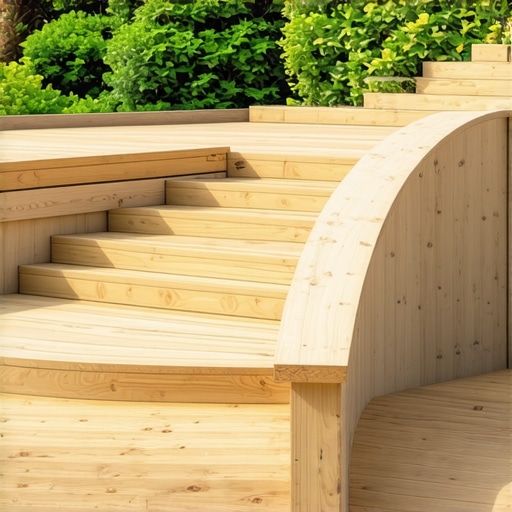
I vividly remember the first time I attempted to construct stairs for my outdoor deck, only to find myself crawling under the structure, frustrated and second-guessing every measurement. That lightbulb moment made me realize how essential it is to understand not just how to build, but *why* certain design principles and materials make all the difference. Designing stairs that are both stylish and durable isn’t just about aesthetics; it’s about creating a safe, welcoming space where family and friends can gather without worry.
Getting Started with Deck Design That Lasts and Impresses
Building a beautiful outdoor deck with stairs that stand the test of time might seem daunting. When I began my journey, I thought choosing the right materials was enough. But I quickly learned there’s much more to consider—like proper support, slope, and the subtle details that make a staircase both elegant and safe. The good news? Once you grasp the fundamentals, designing an outdoor space that transforms your backyard into a personal oasis becomes much easier. Plus, with advancements in composite decking, maintenance is a breeze, and longevity is assured—making it a smart investment that pays off over years.
Are you tired of your outdoor stairs looking worn out after just a few seasons? Or perhaps you’re frustrated with decking materials that warp or chip prematurely? You’re not alone. In fact, according to industry experts, investing in quality design and durable materials can extend the lifespan of your deck and reduce long-term costs. This approach allows you to enjoy your outdoor living space without constant repairs or replacements.
Is Composite Decking Actually Worth the Hype?
When I first heard about composite decking, I was skeptical. I worried it wouldn’t look as natural or stylish as traditional wood. My early mistake was underestimating its potential—not only does composite decking resist rot and insects, but it also offers a variety of elegant styles that can mimic the appearance of real wood. Today, many homeowners are embracing it for its low-maintenance beauty and durability. Curious about whether it’s the right choice for your project? You can explore more about how composite decking trends in 2025 are revolutionizing outdoor spaces by visiting [this guide](https://deckdesignbuild.com/composite-decking-trends-2025-the-ultimate-guide-for-outdoor-enthusiasts).
Plan and Measure Precisely for Safe Stairs
Start with a detailed plan, measuring the height from the deck to the ground to determine the number of steps needed. Use a level and a measuring tape, ensuring accuracy, much like setting the foundation for a sturdy house. I once skipped meticulous measuring and ended up with uneven stairs, which I had to rebuild—an avoidable mistake that costs time and materials.
Create a Solid Support Structure
Construct the support frame using pressure-treated lumber, which resists decay and insects. Think of this as the skeleton of your stairs—it’s vital for stability. Secure the stringers to your deck and ground using galvanized bolts, preventing corrosion. Remember, the support isn’t an area to cut corners; it’s the backbone of safety and durability.
Use Proper Stringer Spacing
Spacing the stringers 16 inches apart ensures even weight distribution. I once reused old spacing, leading to sagging steps after a season—an eye-opener in importance of proper support placement. Consult guides or local building codes for exact measurements, especially if your staircase design is complex.
Choose and Install Composite Treads
Select high-quality composite decking with textured surfaces for slip resistance, especially if your area is prone to rain. Consider the styles that mimic natural wood—these provide aesthetic appeal without the maintenance hassles. I paired a dark gray composite with my backyard, and it transformed my space into a modern retreat, illustrating how material choice enhances style and function.

Position Treads for Comfort and Safety
Attach each tread securely to the support frame using stainless-steel screws, avoiding exposed nails that can loosen over time. Leave a small gap between the board and the support for drainage, preventing water buildup. Ensuring each step is level and securely fastened guarantees user safety, reducing slips and trips.
Finish with Accents and Safety Features
Add handrails, preferably made from durable composite or treated wood, for support and style. Apply anti-slip paint or strips on each step, especially if your decking isn’t textured enough. A well-lit staircase enhances safety at night; consider installing weatherproof lighting over the steps. These details make the difference between a mere structure and a welcoming, safe outdoor feature.
Inspect and Maintain Regularly
After installation, inspect for loose screws or warped boards monthly during the first season. Maintenance is minimal—clean with soap and water and occasionally check fasteners. Investing time in upkeep prolongs the life of your stairs, ensuring they remain functional and beautiful for years to come. For more insights on maintaining your outdoor structures, visit creating seamless transitions in outdoor living.
Many homeowners believe that choosing the most attractive decking material is enough for durability, but in my experience, overlooking nuanced design principles often leads to costly mistakes. A frequent myth is that composite decking automatically guarantees low maintenance; however, without proper installation and support, even the best materials can fail prematurely. For instance, improper support spacing can cause sagging or warping over just a few seasons, a trap I fell into early on, highlighting the importance of adhering to expert standards.
Advanced builders understand that subtle details, like correct slope for drainage and precise measurement of stair rise and run, are crucial for both safety and longevity. Skipping these nuances not only compromises structural integrity but also affects user safety—railing heights, step depth, and slip resistance must meet rigorous code standards. A study by the National Association of Home Builders underscores that neglecting support support in decking can reduce lifespan by up to 30%, emphasizing that expertise in structural support is non-negotiable.
What often escapes the casual builder’s attention is the importance of professional guidance when integrating stairs with existing landscape and outdoor features. Proper transition design enhances accessibility while preserving aesthetic coherence. DIY projects frequently falter here, leading to uneven or unstable stairs, which can become safety hazards.
Are you making these critical errors without realizing? Let me know in the comments. For more in-depth insights, check out our article on designing safe and stylish stairs or explore the latest trends in composite decking that can elevate your outdoor space in 2025.Maintaining your outdoor deck, especially when working with composite decking and intricate staircase designs, requires the right set of tools and software. Personally, I rely on a laser distance measurer like the Bosch GLM 50 C. Its high accuracy and Bluetooth capabilities allow me to quickly measure large areas and transfer data seamlessly, saving time and reducing errors during planning and installation. My go-to cordless impact driver is the Milwaukee M18 Fuel, prized for its power and reliability, which I use to secure fasteners efficiently without stripping screws or causing damage to composite materials. For precision cuts, I prefer the DeWalt DW844, a 4-1/2 inch angle grinder equipped with a diamond blade—perfect for clean, accurate cuts through tough composites.
In terms of software, I recommend SketchUp Pro for designing custom stair layouts and detailed deck plans. Its user-friendly interface and accurate modeling help visualize the project before any physical work begins, reducing costly mistakes. Additionally, integrating project management tools like Trello or Asana keeps track of tasks, materials, and timelines, ensuring the project stays on schedule.
Looking ahead, I believe the trend is leaning toward smarter, integrated building solutions, with augmented reality (AR) tools becoming more accessible for deck design visualization. This allows homeowners and builders to see a virtual preview of their outdoor living space, facilitating better decisions and customization.
How do I maintain my outdoor decks and stairs over time? Regular inspections are key—checking for loose fasteners, warped boards, or signs of wear. Cleaning with a gentle soap and water alongside applying a penetrative sealant to composite surfaces can vastly prolong their lifespan. For composite decking, using specialized cleaning products like Oliveira’s composite deck cleaner helps remove grime and mold without damaging the material. In addition, consulting resources like the best practices guide ensures your maintenance routine aligns with industry standards.
I encourage you to try out a laser distance measurer for your next project. Accurate measurements are the foundation of a safe, durable, and visually appealing deck—and investing in quality tools makes all the difference. Remember, proper tooling combined with meticulous attention to detail is what turns a good outdoor space into a showstopper.
The Hardest Lesson I Learned About outdoor stairs and composite decking
One of my biggest mistakes was rushing the planning stage, believing that choosing the prettiest materials was enough. I realized that without precise measurements and support, even the most beautiful designs could become safety hazards. That lightbulb moment taught me the importance of detailed planning and adherence to support standards to ensure longevity and safety in outdoor spaces.
Why Cutting Corners Can Cost You Big Time
Skimping on proper support spacing or skipping weatherproofing might save time upfront, but I learned these shortcuts lead to expensive repairs down the line. Investing in quality tools and expert guidance is an invaluable lesson that ensures your deck and stairs remain durable, like the time I finally upgraded to a laser distance measurer—game changer! For more insights on tools that make or break a project, visit this resource.
Don’t Overlook the Details That Define Safety and Style
Thoughtful touches like anti-slip strips, proper lighting, and sturdy handrails transformed my outdoor stairs from a simple structure to a welcoming feature. Those small but crucial elements—often underestimated—are what turn a basic deck into an inviting oasis that family and friends will love. My biggest revelation? Integrating these details from the start saves time and money, rather than fixing issues later.