
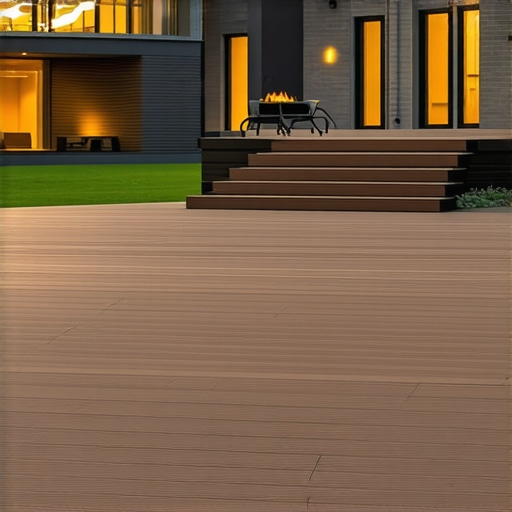
I remember a summer afternoon when I was overseeing a backyard renovation, excited to finally wrap up the project. Just as I was about to call it a day, I noticed a small spark near the deck’s edge—an ember from an outdoor grill that had somehow ignited the decking material. My heart sank, realizing how close we came to disaster due to overlooked safety features. That moment was a lightbulb for me. It made me realize that, in outdoor living, safety isn’t an afterthought—it’s foundational.
The Growing Importance of Fire Safety in Outdoor Spaces
As outdoor living becomes an integral part of our homes, the materials we choose must prioritize safety without compromising style or functionality. Traditional wood decks, while aesthetically pleasing, pose significant fire risks, especially in dry seasons or areas prone to wildfires. With regulations tightening and safety standards evolving, it’s clear that fire-resistant materials are no longer optional—they’re essential for any responsible homeowner or builder aiming for longevity and peace of mind in 2026 and beyond.
One game-changer in this realm is fire-rated composite decking. Unlike conventional options, these materials are engineered to withstand high temperatures and resist ignition. They’ve grown in popularity, and according to recent industry reports, the market for fire-resistant decking is projected to expand rapidly, reflecting a paradigm shift in outdoor construction standards.
From my personal experience, a mistake I made early on was neglecting to consider fire safety in the selection of decking materials. I focused solely on appearance and cost, which was a flawed approach. Had I known then what I know now—about the importance of using fire-rated composite decking—I would have saved myself headaches and potential hazards. This underscores the importance of making informed, safety-conscious choices from the outset.
Are you confident that your current decking setup can handle a wildfire season or any unexpected sparks? If not, you’re not alone. Many homeowners overlook this critical aspect, but the good news is, solutions are available that blend safety with style. In the sections ahead, I’ll guide you through the key reasons why fire-rated composite decking is indispensable for 2026 decks—and how to integrate it seamlessly into your outdoor space.
Select the Right Material for Your Outdoor Space
Begin by researching fire-rated composite decking options that meet safety standards and blend with your aesthetic. I once visited a local supplier with a clear idea of choosing a product tested for high heat resistance, which helped narrow down my options quickly. Use this as a model: prioritize brands with proven durability, like those highlighted in latest trends.
Prepare Your Deck Frame Meticulously
Ensure your deck’s framing can support the new, fire-resistant materials. Think of your deck like a sturdy table—if the legs wobble, the surface becomes unsafe. Double-check the spacing of joists, as recommended in decks & stairs guide. I learned this lesson the hard way when I initially used uneven joist spacing, causing future installation headaches. Consistent spacing ensures even support and reduces the risk of fire hazards caused by uneven heat accumulation.
Install Fire-Resistant Composite Boards Correctly
Follow manufacturer instructions meticulously. Use corrosion-resistant fasteners designed for composite materials—think of them as the screws that hold the safety net into place. I once used generic screws, which loosened over time, but switching to recommended fasteners in my next project prevented future deck stability issues. For seamless aesthetics, consider hidden fasteners available in hidden fastener systems.
< >
>
Focus on Proper Ventilation and Clearance
Maintaining adequate airflow beneath the deck minimizes heat buildup. Imagine your deck like a chimney—without proper ventilation, heat can trap and increase fire risks. During my install, I ensured at least 12 inches of clearance beneath the structure, reading up on standards in deck safety regulations. This step might seem minor, but it significantly enhances safety and longevity.
Finish with Protective Measures and Routine Checks
Apply non-combustible sealants or coatings if recommended. Regularly inspect for debris, wear, or damage that might pose fire hazards. Think of it as maintaining a fire extinguisher—knowing it’s ready when needed. I set reminders to clear leaves and inspect fasteners, which has kept my outdoor space safe and visually appealing. Incorporate ongoing safety practices and stay updated with regulations, as discussed in transition design tips to ensure your deck remains a secure haven for years.Many homeowners and even some contractors believe that choosing the most expensive or the trendiest materials guarantees a durable and stunning outdoor space. However, this is a oversimplification that can lead to costly mistakes. For instance, a common myth is that all composite decking performs equally well under extreme weather conditions. In reality, not all brands are built to withstand intense sun, heat, or moisture, which can result in warping, fading, or mold growth if the wrong product is selected. To avoid this pitfall, it’s crucial to research brands carefully, focusing on those with proven resilience, like the latest trendsetters reviewed in compote decking trends. Moreover, many assume that higher joist spacing enhances support, but in fact, improper spacing can lead to deck sagging and instability, especially when paired with inferior framing materials. The overlooked nuance here is that proper joist spacing, such as the industry-standard 12 inches, combined with robust framing, ensures longevity and safety, as discussed in this guide. Advanced builders recognize that outdoor stairs are often the weak link of a deck. Many overlook the critical importance of wider treads and slip-resistant surfaces, which directly impact safety and usability. Recent studies show that stairs with wider treads, like those recommended in this article, significantly reduce tripping hazards. A common mistake is installing standard-width treads without considering traffic flow or accessibility, especially for elderly users. These details, though seemingly minor, are vital for a truly functional outdoor living space. When planning your project, consider how advanced configurations—such as seamless transitions between stairs and decks—improve both aesthetics and durability. As an expert, I advise always to see beyond the surface and scrutinize the materials, measurements, and designs from a technical perspective—avoiding superficial choices that can undermine safety and longevity. Remember, the devil is in the details. Have you ever fallen into this trap? Let me know in the comments.Maintaining a durable and attractive outdoor space demands more than just good materials; the right tools and methods are crucial for long-term success. As a professional builder, I rely on specialized equipment that ensures precision, efficiency, and longevity of my installations.
One staple of my toolkit is a high-quality cordless power drill equipped with adjustable torque settings. This allows me to drive fasteners precisely without over-tightening, which can damage composite decking boards or fasteners. For example, I prefer brands like Makita or DeWalt, known for their reliability and battery longevity, especially when working on larger projects. Using the correct fasteners, such as stainless steel screws designed for composite materials, complements this tool and prevents corrosion over time.
Another essential piece is a deck and stair surface cleaner, specifically designed to gently remove debris and stains without damaging the surface. I personally favor a soft-bristle deck brush paired with a neutral cleaner. This approach preserves the integrity of composite decks, which are often resistant to mold and staining if properly maintained. Regular cleaning prevents build-up that can lead to slippery surfaces or mold growth, especially in shaded or humid areas.
For inspecting structural components, I utilize a moisture meter to assess wood joists and stringers, ensuring they are free from hidden rot or moisture issues. This device helps me catch problems early, avoiding costly repairs or safety hazards in the future. Staying proactive with inspections aligns with the advice in reliable maintenance practices and keeps my projects—and my clients—confident in their outdoor upgrades.
How do I keep my deck and stairs in top shape over time?
Adopting a routine schedule for cleaning, inspections, and timely repairs is vital. I recommend setting a reminder quarterly to assess fasteners, check for signs of wear, and reseal or recoat protective surfaces if necessary. A high-quality sealant can dramatically extend the lifespan of composite decking, especially in areas exposed to heavy foot traffic or harsh weather.
Looking ahead, the trend in outdoor maintenance points toward smart tech integration. Imagine solar-powered, automatic cleaning systems or IoT sensors that monitor structural integrity in real time. As technology advances, investing in these affordable innovations could save homeowners significant time and money while maintaining safety and aesthetic appeal.
Don’t underestimate the power of precision tools in your maintenance arsenal. Try incorporating a moisture meter for early detection of issues or schedule seasonal deep cleans with the right brushes and cleaners—these small steps produce big results in preserving outdoor living investments. If you’re interested in elevating your skills further, explore expert tips on stunning outdoor living to create a maintenance plan tailored for durability and style. Remember, consistent attention not only keeps your deck looking its best but also ensures safety and peace of mind for years to come.
Three Surprising Truths I Discovered About Outdoor Living
- Rushing the material selection can backfire—fire-resistant composites might cost more upfront but save you from potential disasters down the line. Trust me, it’s a small price for peace of mind.
- Even the most beautiful deck isn’t resilient without proper framing. Overlooking joist spacing and support can lead to safety issues that aren’t visible at first glance. It’s all about the details.
- Stair design might seem trivial, but wider treads and slip-resistant surfaces have saved me from messy trips—literally. They’re worth every extra inch for safety and accessibility.
Tools and Resources That Became My Deck-Building Allies
- Makita Cordless Power Drill: Reliability and precise torque control make installation smoother—my go-to for driving fasteners without damaging composite boards.
- Moisture Meter: Early detection of hidden rot keeps my decks sturdy and safe, preventing costly repairs. It’s an investment in long-term durability.
- Soft-Bristle Deck Brush: Gentle cleaning preserves the surface of composite decks, maintaining their appearance and safety from slips or mold.
- Guides on Expert Deck Building: Resources like these tips have transformed my approach, emphasizing safety, design, and longevity.
Take the Leap, Your Outdoor Oasis Awaits
Building a safe, stunning outdoor space isn’t just a project—it’s an ongoing journey of learning and improvement. As I’ve discovered through my own experiences, paying attention to the smallest details—like proper joist spacing, fire-rated materials, and stair design—creates a space where memories are made and safety is assured. Start with the essentials, keep learning, and your outdoor living dreams will become a lasting reality. If you’re ready to elevate your outdoor space with the latest in composite decking and stair design, explore this inspiring ideas guide to spark your creativity. How have your outdoor projects evolved over time? Share your story below!