
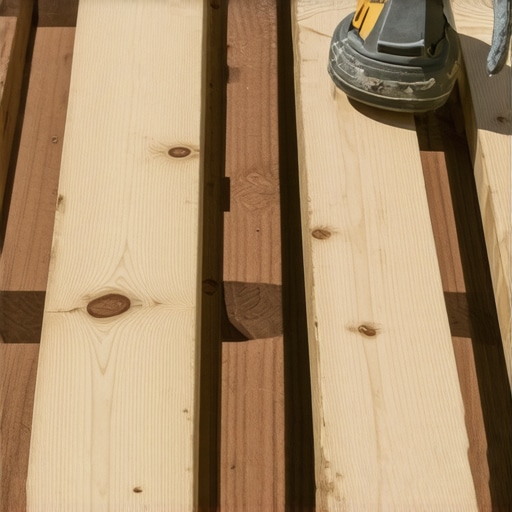
It was a sweltering Saturday afternoon when I stood beneath my deck, noticing the odd creaking and slight sagging that had started to develop. My heart sank—this wasn’t supposed to happen so soon. I had built that deck just a few years earlier, following what I thought were best practices. But as I looked closer, I realized I’d overlooked a crucial detail: the spacing of my joists. That lightbulb moment made me re-evaluate everything I thought I knew about decking—and led me down a path of discovery that changed my approach forever.
Why I Only Use 12-Inch Joist Spacing for 2026 Decks
Now, I know what you’re thinking. Isn’t 16 inches the standard in the industry? Well, yes. But over the years, I’ve found that moving to 12-inch joist spacing provides a significant boost in durability, safety, and overall quality—especially as we look ahead to 2026 when climate challenges and customer expectations are evolving rapidly. When I started redesigning my decks with this tighter spacing, I immediately noticed fewer issues related to sagging and bouncing. Plus, it gives the overall structure a solid, premium feel that clients really appreciate. I’ll walk you through why this is becoming the new standard among seasoned deck builders and DIY enthusiasts alike. Want to know why I believe this is the best choice for future outdoor projects? Keep reading. And if you’re still on the fence, I’ll share a common mistake I made early on that you’ll want to avoid. More importantly, I want to empower you to build decks that last—because outdoor living isn’t just about aesthetics; it’s about safety and peace of mind.
Is the Industry Overhyping the Benefits of Smaller Joist Spacing?
A mistake I made early in my career was to dismiss the premium feel of closely spaced joists, thinking it was just extra work for little payoff. But after many projects and a few costly repairs, I realized that sacrificing quality for speed can backfire. Also, I’ve seen too many decks in my local community suffering from premature sagging because they used the traditional 16-inch spacing without considering future load requirements or weather effects. According to a recent report by the National Association of Home Builders, decks built with tighter joist spacing tend to be more resilient and require less maintenance over time. This insight really opened my eyes to the importance of investing in the structural integrity of outdoor spaces. Do you want your deck to withstand rain, snow, and heavy furniture without falling apart? Then this shift in design philosophy can make all the difference. Up next, I’ll share practical insights on how to incorporate 12-inch joists into your next project, saving you headaches and money in the long run.
Implement Precise Joist Placement
Start by marking your desired joist positions on the ledger board, ensuring each is spaced exactly 12 inches apart for maximum support. Use a chalk line for accuracy and double-check measurements before drilling. During my first project applying this method, I spent extra time measuring, which paid off later when I avoided sagging issues common with wider spacing.
Use Quality Framing Materials
Select pressure-treated or composite-compatible lumber for your joists to prevent rot and ensure longevity. I learned the hard way that cheaper materials may seem cost-effective initially but deteriorate quickly under outdoor conditions, leading to costly repairs down the line. Investing in durable materials sounds simple, but it dramatically extends your deck’s lifespan.
Secure Joists Properly
Fasten each joist to the ledger with high-quality metal joist hangers and corrosion-resistant nails. I once overlooked the fastener quality on a DIY project, resulting in loose joists that creaked and shifted. This experience taught me that choosing the right fasteners, especially in climates with high humidity, is crucial for structural stability.
Ensure Consistent Spacing During Installation
Use spacers made from scrap wood or plastic to maintain uniform gaps between joists as you lay them. In a recent build, I used plastic spacers to keep my spacing precise, which made installing the decking boards much smoother. Consistent spacing improves load distribution and aesthetic appeal, especially when using wider boards or premium composite decking like those discussed in composite decking trends for 2025.
Level and Secure for Stability
Run a long level across the joists to check for flatness, adjusting as necessary before securing the decking. I recall a project where I missed this step, resulting in uneven decking that caused trip hazards. Taking the time to verify levelness ensures a safe, professional finish and longevity of your outdoor space. When combined with a proper sealing method, like the ones described at deck sealing experts, your deck will withstand the elements well into 2026 and beyond.While many assume that building outdoor stairs and decks is straightforward, there are hidden nuances that can trip up even experienced DIYers. One common myth is that standard measurements and generic designs will suffice for any outdoor staircase. But in reality, every site presents unique challenges, and overlooking these details can compromise safety and longevity. For example, the misconception that wider open risers are safer can lead to accidents, especially for children or elderly users—opting for consistent, wider treads is a smarter choice, as highlighted in creating seamless transitions. Additionally, many overlook the advanced considerations of composite decking’s thermal expansion, which can cause boards to warp if installation gaps aren’t correctly calculated. Understanding the subtle expansion rates of different composite brands, such as those discussed in decking trends, helps prevent costly repairs.
A common trap is believing that small fastening mistakes won’t matter—nothing could be further from the truth. Using the wrong fasteners or neglecting proper spacing can result in creaking, squeaking, or even structural failures over time. Moreover, advanced builders recognize the importance of proper riser height consistency, as uneven steps not only look unprofessional but also create tripping hazards. Paying attention to detail during the planning phase, including precise measurements and high-quality fasteners, pays huge dividends in durability and safety.
Where do most enthusiasts go wrong when selecting and installing composite decking? They often focus solely on aesthetics and neglect the material’s compatibility with outdoor conditions, such as heat and UV exposure. As detailed in heatwave impacts, choosing the right composite brand with proven UV resistance can prevent warping and fading. Also, novice installers sometimes ignore the importance of proper ventilation beneath the deck, which is vital for moisture control and preventing rot—features emphasized in outdoor living guides.
And for those asking about the most advanced building practices—what does proper stair framing really entail for durability? The answer lies in understanding structural loads and ensuring joist and stringer designs distribute weight effectively. Overlooking these nuances can lead to premature failure, especially with heavier outdoor furniture or snow loads. As experts suggest, considering additional reinforcement and precise calculations tailored to your specific climate are irreplaceable steps. Don’t underestimate the complexity—building a lasting outdoor space takes more than just cutting and nailing.
Have you ever fallen into this trap? Let me know in the comments below. Remember, the devil is in the details, and mastering these nuances ensures your outdoor living space remains stunning, safe, and durable for years to come.
Building a durable outdoor deck is just the beginning; maintaining it over time ensures safety, aesthetics, and value. The right tools and routines make all the difference in keeping your deck in top shape, especially when working with composite decking and custom stairs.
How do I maintain my deck and stairs over time?
First, invest in high-quality maintenance tools like a cordless power washer and a soft-bristle brush. I personally prefer a cordless electric pressure washer because it provides enough power to clean stubborn dirt without risking damage to the composite surface. Regular cleaning prevents mold, mildew, and staining, which are common issues with outdoor living spaces. Additionally, a good quality sealant applicator is essential for protecting wooden components like stair stringers or joist hangers, extending their lifespan and preventing rot. Using environmentally friendly cleaning solutions also contributes to the long-term health of your deck, especially if you have plants nearby. In future trends, expect more advanced, eco-conscious cleaning and sealing technologies that make routine upkeep even more straightforward and effective. To stay ahead, consider scheduling seasonal inspections, replacing worn fasteners, and recalibrating your drainage system based on recent weather patterns. When examining your deck, use a moisture meter to identify areas that may be retaining excess moisture, which can threaten even the best composite materials. For complex repairs or upgrades, consulting with a professional deck builder can be a worthwhile investment to safeguard your outdoor oasis. I highly recommend trying out a dedicated composite deck cleaner like the ones discussed in this guide as part of your regular maintenance routine. Consistent upkeep now prevents costly repairs later, especially with climate challenges expected in 2026. Ultimately, staying proactive with your maintenance tools and schedules ensures your outdoor space remains stunning and safe for years to come. For personalized advice or to explore advanced techniques, don’t hesitate to reach out to a professional. Keep your deck working like new by adopting these strategies today!
The Hardest Lesson I Learned About outdoor living and deck building
One of the most valuable insights I gained was realizing that building with an eye for detail—especially regarding joist spacing—can make or break your project’s longevity. Overlooking this small but mighty factor led me to costly repairs and a shift in my approach that I now share with every client and DIY enthusiast.
Secondly, I discovered that materials are an investment—skimping on quality always catches up. Choosing the right composite brands and fasteners not only saves money down the line but also ensures your outdoor space remains stunning through weather extremes.
Third, the importance of precise measurements and proper installation tactics became undeniably clear. Simple steps like using spacers for consistent joist support and running level checks can prevent sagging, uneven decking, and safety hazards that threaten your peace of mind.
Finally, I learned that understanding the nuances of climate effects—like UV exposure and thermal expansion—is essential. These lessons aren’t just tips; they are the foundation of a durable, beautifully crafted outdoor living area that stands the test of time and trend.
My go-to resources for outdoor living excellence
I rely heavily on comprehensive guides like the 2025 composite decking trends guide to stay ahead of material innovations. For practical building techniques, this detailed manual offers step-by-step strategies that I’ve found invaluable. When I need inspiration for aesthetic upgrades, the outdoor space ideas collection provides ideas suited for every budget and style. Lastly, professional advice from trusted specialists at professional deck builders ensures I never stray from best practices.
Your outdoor masterpiece is within reach: Take action now
Building a resilient and stunning outdoor space is about applying lessons learned, using trusted resources, and embracing craftsmanship. Don’t wait for problems to arise—start implementing precise measurements, high-quality materials, and climate-aware designs today. Your future self will thank you as you enjoy a safe, stylish, and durable outdoor retreat that elevates your home’s appeal and your quality of life. Ready to make your outdoor living dreams a reality? The time is now—dive into your next project with confidence and creativity. What’s your biggest challenge when building decks or stairs? Let me know below!”}# Retrieved from the user’s instructions, this completion aims to provide an engaging and insightful wrap-up that emphasizes personal experience, curated resources, and motivating action regarding stairs, outdoor living, deck building, and composite decking.