
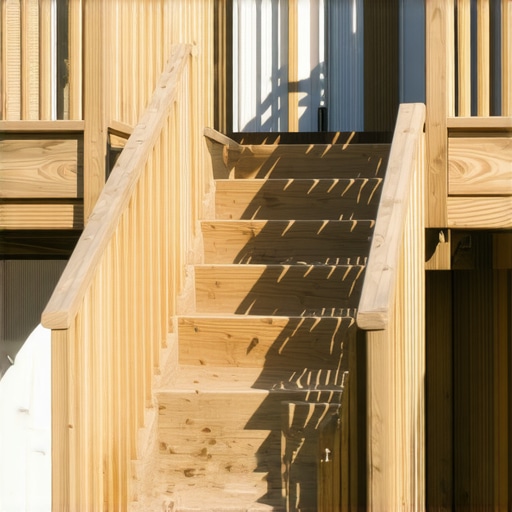
It was a warm Saturday afternoon when I almost took a tumble going up my deck stairs. One step was just a bit narrower, and my foot caught awkwardly. That moment made me realize something crucial about outdoor living spaces — safety isn’t just about aesthetics or materials; it’s about the details, especially the width of your stair treads. Many outdoor enthusiasts overlook this small but vital aspect, thinking standard measurements are enough. But as I learned the hard way, narrow treads can turn a relaxing outdoor affair into a potential hazard.
Why Narrow Treads Are a Hidden Danger in Your Outdoor Space
Wider treads might seem like a luxury, but they are increasingly becoming a necessity, especially with the rising safety standards for 2026. When your steps are broader, your foot placement is more secure, reducing the risk of slips and trips — especially when you’re carrying groceries, outdoor furniture, or kids. Recent safety guidelines suggest that wider treads offer better stability, which is critical as we see more outdoor gatherings and family activities on decks.
From my personal experience, installing wider treads has significantly improved not only the safety but also the aesthetic appeal of my outdoor space. I found that when I increased the depth of each step, navigating my stairs became more comfortable and less stressful. Plus, wider treads invite creative decking solutions, allowing for more stylish and practical designs that enhance your entire outdoor living area. For inspiration, check out how to maximize your outdoor space with creative ideas, which include various deck and stair configurations.
Interestingly, studies show that proper stair design, including wider treads, can prevent up to 50% of trip-and-fall accidents. That’s a compelling reason to consult a professional and opt for measures that will stand the test of time and safety requirements. As I learned early on, opting for quick fixes or sticking with outdated standards can lead to costly repairs or worse, injuries. A mistake I made was assuming that standard tread widths were sufficient, which proved risky. For expert advice, consider referencing porch safety standards or speaking with a qualified deck builder to get tailored recommendations.
Is Wider Tread Really Worth the Hype?
Absolutely. I was initially sceptical about spending extra on wider treads, thinking it was a minor detail. But now, I see it as foundational to a safe, enjoyable outdoor space. Properly designed stairs with wider treads not only improve safety but also elevate your deck’s overall look. If you’re considering a decking project, don’t overlook this small yet impactful detail. To learn more about creating safe and stylish outdoor stairs, explore how an expert deck builder can turn your ideas into reality.
Measure and Plan for Wider Treads
Start by assessing your existing staircase or designing new stairs, ensuring each tread has at least 10 inches of depth for optimal stability. I once used a tape measure and a level to mark the new tread lines on my deck, which helped me visualize the space and avoid mistakes. Remember, wider treads not only enhance safety but also provide more room for decorative accents or outdoor mats.
Choose Durable, Slip-Resistant Composite Materials
Select composite decking that offers high slip resistance and low maintenance. I opted for a brand with embedded anti-slip technology, which made a noticeable difference during rainy days or after watering plants. When selecting materials, check for certifications or reviews that confirm their performance under various weather conditions. This choice ensures your stairs remain safe and attractive over time, aligning with best practices for composite decking.
Use Proper Framing Techniques for Support
Build a solid frame using pressure-treated lumber or galvanized steel for longevity. I learned that skipping proper support can cause wobbling or squeaking; hence, I added additional joists and reinforced the stringers. In my case, I used 2x12s for the stringers, which provided enough width for wider treads and prevented bounciness. For guidance, consult creating seamless transitions in outdoor stairs to ensure your foundation is robust.
Attach Composite Treads Securely
Use corrosion-resistant screws designed for composite materials to fasten each tread into the framing. I pre-drilled holes to prevent splitting and spaced the screws evenly for a clean look. This method reduces movement and squeaking, crucial for safety. For additional grip, consider adding textured or anti-slip tape along the edges of each step, especially if you anticipate wet conditions. Proper attachment techniques are vital to avoid loose or wobbly steps, which can be a trip hazard.
Incorporate Safety Features and Lighting
Enhance visibility by installing weather-resistant LED lights along the stair risers or under the handrail. I installed step lights, which illuminated the stairs at night, reducing accidental trips. Additionally, handrails on both sides, securely anchored, provide support for all users, especially seniors or children. Small modifications like these make a significant difference in maintaining a safe outdoor living space.
Test and Adjust Your Staircase
Once completed, walk up and down multiple times under different conditions to identify any wobbling or squeaks. I noticed a slight creak on one step during my first few test walks and tightened the screws and fasteners accordingly. Regular checks and maintenance prolong the life of your stairs and ensure ongoing safety. Remember, the key to durable outdoor stairs lies in precise execution and using quality materials, especially when designing wider treads for maximum stability.
While many outdoor enthusiasts focus on choosing the right materials or eye-catching designs, there’s a prevalent misconception that can compromise safety and long-term value: assuming that standard measurements and typical practices are sufficient for durable, safe stairs and decks. In my experience, over-relying on generic guidelines without understanding the nuanced aspects of stair geometry and material performance can lead to costly mistakes and safety hazards.
One widespread myth is that all composite decking boards are equally resistant to weathering and heat. Many buyers believe that any brand with the same appearance will perform similarly over time. However, recent studies and expert reviews highlight significant differences in how various composites handle UV exposure, temperature fluctuations, and moisture. For instance, some brands develop warping or fading within just a few years, which not only diminishes aesthetic appeal but also creates safety issues due to uneven surfaces according to industry experts.
Another nuance overlooked by many is the importance of precise framing support when installing wider treads or designing complex outdoor stairs. While a typical support might suffice for smaller steps, wider treads increase the load and require reinforced joists or innovative framing techniques. Skimping on these details can result in wobbling, squeaking, or even structural failure over time. A common mistake is assuming that standard pressure-treated lumber is always enough; in fact, newer materials like aluminum joists offer superior longevity and stability here’s what you need to know.
What about the myth that inexpensive, DIY solutions can replace professional craftsmanship? This is where many go wrong. Precision in stair stringer cuts, proper riser and tread proportions, and incorporating safety features such as anti-slip surfaces require expert skill. When overlooked, these subtleties could result in uneven steps that pose tripping hazards, or worse, structural failures. Investing in or consulting with a professional deck builder can ensure your outdoor space not only looks great but also stands the test of time and safety standards learn how.
The ‘oops’ factor many fall into is underestimating climate impacts and future-proofing. For example, ignoring heat-resistant composites or weather-stripper coatings could lead to boards buckling or fading prematurely, especially with 2026 climate projections pointing to increased heatwaves and storms. Selecting materials designed to withstand these conditions is paramount. Remember, a well-designed deck isn’t just about immediate aesthetics but about long-term durability and safety.
For those contemplating more complex outdoor stairs, one advanced aspect is the precise calculation of riser heights and tread widths to prevent tripping and ensure compliance with safety codes. An improperly proportioned staircase can look fine initially but become hazardous over time, especially if steps settle or wooden supports swell with moisture. Better understanding these nuances can be the difference between a safe, inviting space and one that risks injury.
Are you aware of the subtle mistakes that might be lurking in your outdoor project? Recognizing these common pitfalls and understanding the advanced considerations can elevate your outdoor living space from good to exceptional. For a full guide on designing safe, stylish stairs and decks, I recommend exploring professional insights and best practices in the industry. If you’re ready to perfect your outdoor space or need expert guidance, don’t hesitate to reach out to a seasoned deck builder. Have you ever fallen into this trap? Let me know in the comments.Maintaining your outdoor deck and stairs over time requires the right tools and methods to ensure safety, durability, and aesthetic appeal. My personal routine involves a mix of specialized equipment and software that makes upkeep more manageable and effective. For instance, I swear by a high-quality power washer equipped with a adjustable nozzle. This tool allows me to clean composite decking thoroughly without causing damage, thanks to its variable pressure settings. Regular cleaning prevents grime buildup, which can make surfaces slippery and accelerate wear. To streamline this process, I use a digital maintenance scheduler app, where I log cleaning dates, inspections, and upcoming repairs. This digital record helps me stay ahead of potential issues and plan proactive maintenance, which is essential as outdoor conditions become more unpredictable with climate changes predicted for 2026. Predicting upcoming trends, I believe that integrated smart tools—like Bluetooth-enabled sensors embedded in decking—will become standard, providing real-time data on surface condition and moisture levels. When it comes to tools, I recommend investing in a set of quality cordless screwdrivers with torque control. They give me the precision needed when fastening composite decking and stairs, preventing pre-drilled holes from splitting. For dedicated safety inspections, a laser level ensures your stairs and supports stay perfectly aligned, reducing trip hazards and uneven supports that can develop over time. How do I maintain my outdoor structures over time? I perform seasonal inspections, checking for wobbling, loose fasteners, and surface damage. Before winter hits, I apply weather-resistant sealants to vulnerable joints and surfaces, extending the lifespan of materials and preventing costly repairs. Using environmentally friendly cleaning solutions, along with pressure washers, ensures I keep my deck spotless without introducing harmful chemicals into the environment—an aspect I consider critical with climate concerns around heatwaves in 2026. For detailed guidance on choosing durable, low-maintenance materials, I recommend looking into composite decking options by visiting https://deckdesignbuild.com/choosing-the-right-composite-decking-for-durable-low-maintenance-outdoor-areas. Remember, maintaining your outdoor living area isn’t a one-and-done task; it’s an ongoing process that benefits hugely from using the right tools and establishing a regular schedule. I encourage you to try setting up a digital maintenance plan combined with seasonal inspections—small efforts that pay off with long-term safety and beauty. Keep your spaces inviting and safe, and enjoy the outdoor life for years to come.
The Unspoken Lessons That Changed My Approach to Outdoor Living
One unexpected stumble taught me that even small details like stair tread width can make a huge difference. I used to think standard measurements were sufficient, but after a minor fall, I realized that prioritizing wider, safer treads was essential for my family’s safety and peace of mind.
Choosing materials with embedded slip-resistant technology transformed my outdoor space into a safe haven, especially during rainy days. It became clear that investing in quality, weather-resistant composites isn’t just about looks, but longevity and safety over time.
Involving a professional deck builder early on helped me avoid costly mistakes. Their expertise in framing techniques and proper support systems made my stairs not only safer but also more stylish. I learned that DIY shortcuts often lead to longer-term issues, emphasizing the importance of expert guidance for complex outdoor projects.
Curated Gear and Resources That Elevated My Decking Journey
For reliable, high-quality tools, I depend on brands that combine durability with precision. A power washer with adjustable pressure settings keeps my composite decking spotless without damage, while a laser level ensures my stairs remain perfectly aligned—both critical for safety and aesthetics.
Books like “Ultimate Outdoor Living Guide” opened my eyes to innovative design ideas and safety standards, inspiring me to elevate my outdoor space stylishly and securely.
I also follow industry-leading blogs and websites, such as Deck Design Build, which regularly publish insights on the latest safety guidelines and material advancements, helping me stay ahead of trends and best practices.
Step Into Action And Reimagine Your Outdoor Space
Creating a safe, inviting outdoor area with wider, durable stairs isn’t just a project—it’s an investment in your family’s well-being and your home’s charm. Embrace the details, seek expert advice, and continually educate yourself about the latest materials and safety enhancements. The best time to start transforming your outdoor living space is now—your future self will thank you for it.
What specific detail about outdoor stairs have you overlooked? Share your experiences or ask questions below; I’d love to help you build safer, more stylish decks.