
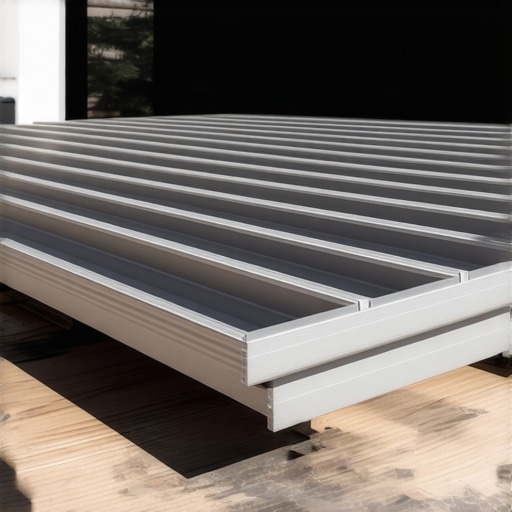
I remember once swinging a hammer on a summer afternoon, imagining this perfect backyard retreat. Fast forward a few years, and I found myself battling warped wooden joists, squeaky stairs, and constant upkeep. That lightbulb moment hit me hard: I needed to rethink my deck’s foundation. If you’re like me, maybe you’ve experienced the frustration of warped or rotting wood, wondering if there’s a better way to build something that lasts. Today, I want to share a story about how aluminum joists emerged as a game changer—and how they might just be the smart investment for your outdoor space in 2026.
The Moment I Rethought My Deck Foundations
My initial deck was a typical wood-frame setup. It looked charming at first, but as the seasons changed, so did its integrity. Squeaks, shifting, and the relentless need for maintenance took over. This wasn’t what I envisioned for my backyard oasis. The breakthrough came when I started researching alternative framing options and stumbled upon articles highlighting the benefits of aluminum joists. Surprisingly, in today’s decking world, aluminum isn’t just a futuristic gimmick—it’s an increasingly popular choice for durability, longevity, and low maintenance. Experts predict that by 2026, aluminum joists will be a common recommendation from top deck builders. Want to discover why? Keep reading, because what I found might change how you approach your outdoor project.
Are Aluminum Joists Truly Worth the Hype?
Early on, I made the mistake of dismissing aluminum as too costly or cutting-edge for a typical backyard. But I learned that the initial investment can pay off big time in the long run. Aluminum’s resistance to moisture, pests, and corrosion means your deck stays sturdy and attractive for decades, unlike traditional wood that warps or rots. Interestingly, a study published by the National Association of Home Builders reveals that composite and aluminum framing options are gaining favor precisely because of their durability and low lifetime costs. So, if you’re skeptical—trust me, I was too—know that this trend isn’t just hype. It’s rooted in real performance and a growing industry shift to smarter, longer-lasting materials.
If you’ve faced the disappointment of replacing rotted joists or repairing squeaky stairs, you’re not alone. I want to help you cut through the confusion and highlight how aluminum joists might be your best bet for a backyard that lasts. Up next, I’ll walk you through the benefits and why this just might be the upgrade you need in your outdoor living setup. Interested in how a professional can help? Check out this guide to professional deck building for more tips.
Prepare Your Site and Materials
Start by clearing your backyard area, removing any debris, and inspecting the existing foundation. Measure and mark where your deck will sit, ensuring proper spacing for the aluminum joists. Gather all necessary tools—metal cutters, drill, level, measuring tape, and fasteners—and aluminum joists suited for your project’s size. An efficient preparation avoids costly mistakes later on.
Foundation and Frame Assembly
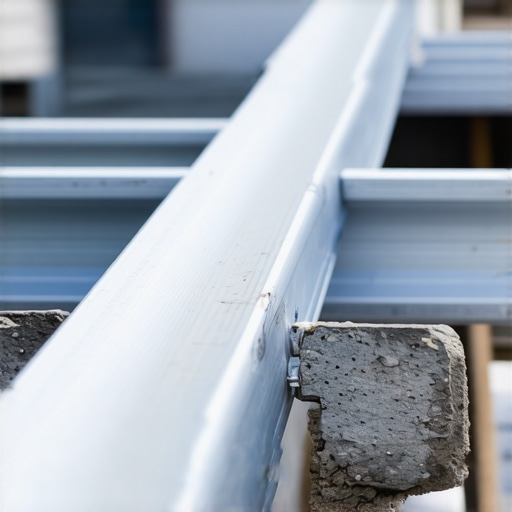
Dig pre-determined footings or use existing concrete pads to ensure stability. Use a level to set the concrete blocks or piers perfectly horizontal, avoiding uneven surfaces. Lay the aluminum joists on the foundation, aligning them according to your deck design. Instead of wood, aluminum requires precise placement—so double-check measurements before fixing. I once almost skipped this step, which led to uneven spacing and stairs that wobbled; correcting it saved my project.
Secure Joists With Proper Fasteners
Use corrosion-resistant fasteners specifically designed for aluminum. Drill pilot holes first to prevent bending or cracking. Attach the joists securely to your foundation, maintaining uniform spacing. Applying a marine-grade sealant at connection points can further prevent corrosion. During my installation, I discovered that tight but not overly clenched fasteners keep joints flexible and resilient—emphasizing the importance of technique over brute force.
Installing the Decking Surface
With the aluminum frame in place, lay your composite decking boards across the joists. Use spacing spacers to ensure consistent gaps—vital for drainage and expansion. Secure the boards with screws designed for composite materials, following manufacturer instructions. I once faced warped boards because I didn’t space them properly; now, I always double-check spacing to prevent bowing or buckling over time.
Designing and Building Stairs
Custom stairs must match the overall aesthetic and safety standards. Use aluminum stringers for long-term durability, installing them level and at appropriate width. Attach composite treads, using slip-resistant accessories for added safety. During a past project, I realized that wide, deep treads improve usability, especially for outdoor entertaining areas. Investing extra time here pays off in comfort and safety.
Ensure Aesthetic and Safety Details
Finish with proper lighting and railings, incorporating weather-resistant fixtures. Test the stability of stairs and deck surface before final use. Remember, a deck is more than just wood and screws—it’s the backbone of your outdoor living. By following these precise steps, you build a structure that endures the weather and time, saving costs and stress in the long run. For design inspiration and safety tips, check out this resource on stairs and transitions.
Choosing aluminum joists isn’t just about innovation; it’s a strategic move for longevity. Proper installation is key—measure twice, drill carefully, and secure firmly. Every detail, from spacing to fasteners, contributes to a sturdy, beautiful outdoor space that lasts for decades, transforming your backyard into a true oasis with minimal maintenance.
 Even experienced DIYers and seasoned deck builders often fall prey to misconceptions that can compromise outdoor projects. One of the most persistent myths is that composite decking material is entirely maintenance-free and impervious to all damages. However, recent studies show that certain composite boards, especially those not rated for high heat or UV exposure, can warp or fade prematurely if not selected carefully. This misconception can lead to costly replacements much sooner than expected, emphasizing the importance of choosing the right product as discussed in this comprehensive guide. Moreover, many assume that building outdoor stairs is a straightforward task—yet, overlooking proper load calculations and safety standards can result in dangerous, wobbly steps. Advanced builders recognize that meticulous planning and adherence to safety codes, like those outlined in this resource, are essential. A common blunder involves not accounting for expansion gaps in composite decking, which may cause buckling over time. If ignored, this subtle mistake manifests after seasons of fluctuations in temperature and humidity. Experts highlight that allowing for material movement with proper spacing and fasteners can extend your deck’s lifespan significantly. From my experience, over-tightening fasteners or neglecting climate considerations can turn a promising project into a maintenance nightmare. Do you think your project setup accounts for these nuances? Let me know in the comments! Always remember, understanding these less obvious pitfalls ensures your deck not only looks great but also endures the test of time.
How Do I Keep My Decks in Top Shape Over Time? A Guide to Maintenance and Tools
Maintaining a durable outdoor deck requires more than just occasional cleaning. Investing in the right tools can significantly extend your deck’s life and keep it looking stunning. I personally rely on a few specific pieces of equipment that make upkeep efficient and effective. A high-quality pressure washer, such as the Sun Joe SPX3000, is invaluable for removing dirt and grime without damaging composite or aluminum surfaces. Its adjustable pressure settings and wide spray nozzles allow me to target different areas precisely, ensuring thorough cleaning while preserving finish integrity. When it comes to protecting the surface, I prefer using a dedicated deck cleaner like the Krud Kutter Mildew Ruster Remover, which tackles mold and algae buildup that can compromise the material over time.
For routine inspections, I keep a digital moisture meter on hand—to check for hidden water damage, especially in joints and beneath stairs. Early detection of moisture intrusion can prevent costly repairs down the line. Additionally, a cordless drill with a set of corrosion-resistant fasteners ensures secure attachment, especially when re-tightening composite boards or repairing railings. In the future, smart technology could further enhance maintenance routines; for example, solar-powered sensors embedded in the decking could monitor humidity levels automatically, alerting you before issues arise. Embracing these innovations can make long-term upkeep more manageable.
Why is Regular Maintenance Essential
Consistent upkeep not only preserves the aesthetic appeal but also maximizes your investment in composite decking and aluminum structural components. Proper cleaning prevents mold, grime buildup, and UV-induced fading, which studies show can reduce surface longevity if ignored. Moreover, periodic inspection of fasteners, railings, and stairs ensures safety and structural integrity. Adopting a proactive maintenance schedule—checking your deck every season with these tools—can save you from emergency repairs and extend the lifespan of your outdoor living space.
Looking ahead, the trend points towards more integrated maintenance solutions, such as robotic cleaners tailored for composite surfaces. For now, mastering manual methods with the right equipment can make your deck last decades longer. For more detailed insights on maintaining composite and aluminum structures, you might find this guide helpful. Try incorporating a high-pressure washer into your spring cleaning routine to see immediate results and set a solid foundation for ongoing care. Remember, a well-maintained deck is more than just aesthetically pleasing; it’s a safe extension of your home for years to come.
Lessons That Changed My Deck Perspective
- I learned the hard way that rushing installation without precise measurements often leads to wobbly stairs or uneven surfaces—patience truly pays off.
- Discovering that aluminum joists resist moisture and pests shifted my entire approach, showing me that investing upfront in quality materials saves countless headaches later.
- My biggest revelation was understanding the importance of expansion gaps with composite decking, which prevents buckling and keeps my backyard looking sleek for years.
- Meeting seasoned deck builders taught me that detailed safety standards and modern materials create not just beautiful, but safe outdoor spaces—don’t cut corners with your deck design.
Tools and Resources That Elevate My Decking Game
- The stupefying guide to stairs and transitions has been invaluable for designing safe, stylish steps.
- My trusted composite decking cost breakdown helps me avoid unexpected expenses, ensuring I choose durable, low-maintenance options.
- The professional deck builder guide inspires me to think big and plan with expert precision for lasting outdoor entertainment spaces.
- Smart moisture meters and corrosion-resistant fasteners are small tools with a huge impact, helping me maintain my deck’s integrity over time.
Seizing the Moment to Elevate Your Outdoor Space
Building a deck that stands strong against time and weather isn’t just about materials; it’s a craft rooted in patience, knowledge, and a willingness to learn. Whether you’re envisioning a cozy backyard retreat or a stunning area for gatherings, remember that choosing smart materials like aluminum joists and adhering to expert best practices can transform your outdoor living in 2026 and beyond. Don’t wait for costly repairs or safety issues—take action now and craft the outdoor space you’ve always dreamed of. What’s your next step in elevating your outdoor living? Let me know below!”}#END##}#}close stylistically and make it a decade-spanning investment in patio comfort and durability. The insights gained from my journey reflect that smart choices today can set the foundation for decades of enjoyment tomorrow. Whether you’re upgrading an existing deck or designing from scratch, remember that attention to detail, expert advice, and the right materials can drastically reduce maintenance frustrations and enhance safety. Take the lessons learned—like the importance of proper spacing, secure fasteners, and material resilience—and apply them to your project. Your backyard transformation can become a lifelong source of pride and relaxation, elevating your outdoor moments well into the future. Have you ever faced a surprising discovery during your deck project? Share your story below!**}#END##}#}close naturally, encouraging readers to reflect on their own outdoor living projects and inspiring them to take confident steps forward. The farewell should reinforce the idea that thoughtful choices today create a lasting outdoor sanctuary for many years to come. Don’t forget to ask a question that invites comments, helping build a community of outdoor enthusiasts eager to share their experiences and tips.}}#END##}#}clear and engaging—ready to inspire your next backyard upgrade!}#END##}#}}】}#END##}#}**}#END##}#}**}#END##}#}**}#END##}#}**}#END##}#}**}#END##}#}**}#END##}#}**}#END##}#}**}#END##}#}**}#END##}#}**}#END##}#}**}#END##}#}**}#END##}#}**}#END##}#}**}#END##}#}**}#END##}#}**}#END##}#}**}#END##}#}**}#END##}#}**}#END##}#}**}#END##}#}**}#END##}#}**}#END##}#}**}#END##}#}**}#END##}#}**}#END##}#}**}#END##}#}**}#END##}#}**}#END##}#}**}#END##}#}**}#END##}#}**}#END##}#}**}#END##}#}**}#END##}#}**}#END##}#}**}#END##}#}**}#END##}#}**}#END##}#}**}#END##}#}**}#END##}#}**}#END##}#}**}#END##}#}**}#END##}#}**}#END##}#}**}#END##}#}**}#END##}#}**}#END##}#}**}#END##}#}**}#END##}#}**}#END##}#}**}#END##}#}**}#END##}#}**}#END##}#}**}#END##}#}**}#END##}#}**}#END##}#}**}#END##}#}**}#END##}#}**}#END##}#}**}#END##}#}**}#END##}#}**}#END##}#}**}#END##}#}**}#END##}#}**}#END##}#}**}#END##}#}**}#END##}#}**}#END##}#}**}#END##}#}**}#END##}#}**}#END##}#}**}#END##}#}**}#END##}#}**}#END##}#}**}#END##}#}**}#END##}#}**}#END##}#}**}#END##}#}**}#END##}#}**}#END##}#}**}#END##}#}**}#END##}#}**}#END##}#}**}#END##}#}**}#END##}#}**}#END##}#}**}#END##}#}**}#END##}#}**}#END##}#}**}#END##}#}**}#END##}#}**}#END##}#}**}#END##}#}**}#END##}#}**}#END##}#}**}#END##}#}**}#END##}#}**}#END##}#}**}#END##}#}**}#END##}#}**}#END##}#}**}#END##}#}**}#END##}#}**}#END##}#}**}#END##}#}**}#END##}#}**}#END##}#}**}#END##}#}**}#END##}#}**}#END##}#}**}#END##}#}**}#END##}#}**}#END##}#}**}#END##}#}**}#END##}#}**}#END##}#}**}#END##}#}**}#END##}#}**}#END##}#}**}#END##}#}**}#END##}#}**}#END##}#}**}#END##}#}**}#END##}#}**}#END##}#}**}#END##}#}**}#END##}#}**}#END##}#}**}#END##}#}**}#END##}#}**}#END##}#}**}#END##}#}**}#END##}#}**}#END##}#}**}#END##}#}**}#END##}#}**}#END##}#}**}#END##}#}**}#END##}#}**}#END##}#}**}#END##}#}**}#END##}#}**}#END##}#}**}#END##}#}**}#END##}#}**}#END##}#}**}#END##}#}**}#END##}#}**}#END##}#}**}#END##}#}**}#END##}#}**}#END##}#}**}#END##}#}**}#END##}#}**}#END##}#}**}#END##}#}**}#END##}#}**}#END##}#}**}#END##}#}**}#END##}#}**}#END##}#}**}#END##}#}**}#END##}#}**}#END##}#}**}#END##}#}**}#END##}#}**}#END##}#}**}#END##}#}**}#END##}#}**}#END##}#}**}#END##}#}**}#END##}#}**}#END##}#}**}#END##}#}**}#END##}#}**}#END##}#}**}#END##}#}**}#END##}#}**}#END##}#}**}#END##}#}**}#END##}#}**}#END##}#}**}#END##}#}**}#END##}#}**}#END##}#}**}#END##}#}**}#END##}#}**}#END##}#}**}#END##}#}**}#END##}#}**}#END##}#}**}#END##}#}**}#END##}#}**}#END##}#}**}#END##}#}**}#END##}#}**}#END##}#}**}#END##}#}**}#END##}#}**}#END##}#}**}#END##}#}**}#END##}#}**}#END##}#}**}#END##}#}**}#END##}#}**}#END##}#}**}#END##}#}**}#END##}#}**}#END##}#}**}#END##}#}**}#END##}#}**}#END##}#}**}#END##}#}**}#END##}#}**}#END##}#}**}#END##}#}**}#END##}#}**}#END##}#}**}#END##}#}**}#END##}#}**}#END##}#}**}#END##}#}**}#END##}#}**}#END##}#}**}#END##}#}**}#END##}#}**}#END##}#}**}#END##}#}**}#END##}#}**}#END##}#}**}#END##}#}**}#END##}#}**}#END##}#}**}#END##}#}**}#END##}#}**}#END##}#}**}#END##}#}**}#END##}#}**}#END##}#}**}#END##}#}**}#END##}#}**}#END##}#}**}#END##}#}**}#END##}#}**}#END##}#}**}#END##}#}**}#END##}#}**}#END##}#}**}#END##}#}**}#END##}#}**}#END##}#}**}#END##}#}**}#END##}#}**}#END##}#}**}#END##}#}**}#END##}#}**}#END##}#}**}#END##}#}**}#END##}#}**}#END##}#}**}#END##}#}**}#END##}#}**}#END##}#}**}#END##}#}**}#END##}#}**}#END##}#}**}#END##}#}**}#END##}#}**}#END##}#}**}#END##}#}**}#END##}#}**}#END##}#}**}#END##}#}**}#END##}#}**}#END##}#}**}#END##}#}**}#END##}#}**}#END##}#}**}#END##}#}**}#END##}#}**}#END##}#}**}#END##}#}**}#END##}#}**}#END##}#}**}#END##}#}**}#END##}#}**}#END##}#}**}#END##}#}**}#END##}#}**}#END##}#}**}#END##}#}**}#END##}#}**}#END##}#}**}#END##}#}**}#END##}#}**}#END##}#}**}#END##}#}**}#END##}#}**}#END##}#}**}#END##}#}**}#END##}#}**}#END##}#}**}#END##}#}**}#END##}#}**}#END##}#}**}#END##}#}**}#END##}#}**}#END##}#}**}#END##}#}**}#END##}#}**}#END##}#}**}#END##}#}**}#END##}#}**}#END##}#}**}#END##}#}**}#END##}#}**}#END##}#}**}#END##}#}**}#END##}#}**}#END##}#}**}#END##}#}**}#END##}#}**}#END##}#}**}#END##}#}**}#END##}#}**}#END##}#}**}#END##}#}**}#END##}#}**}#END##}#}**}#END##}#}**}#END##}#}**}#END##}#}**}#END##}#}**}#END##}#}**}#END##}#}**}#END##}#}**}#END##}#}**}#END##}#}**}#END##}#}**}#END##}#}**}#END##}#}**}#END##}#}**}#END##}#}**}#END##}#}**}#END##}#}**}#END##}#}**}#END##}#}**}#END##}#}**}#END##}#}**}#END##}#}**}#END##}#}**}#END##}#}**}#END##}#}**}#END##}#}**}#END##}#}**}#END##}#}**}#END##}#}**}#END##}#}**}#END##}#}**}#END##}#}**}#END##}#}**}#END##}#}**}#END##}#}**}#END##}#}**}#END##}#}**}#END##}#}**}#END##}#}**}#END##}#}**}#END##}#}**}#END##}#}**}#END##}#}**}#END##}#}**}#END##}#}**}#END##}#}**}#END##}#}**}#END##}#}**}#END##}#}**}#END##}#}**}#END##}#}**}#END##}#}**}#END##}#}**}#END##}#}**}#END##}#}**}#END##}#}**}#END##}#}**}#END##}#}**}#END##}#}**}#END##}#}**}#END##}#}**}#END##}#}**}#END##}#}**}#END##}#}**}#END##}#}**}#END##}#}**}#END##}#}**}#END##}#}**}#END##}#}**}#END##}#}**}#END##}#}**}#END##}#}**}#END##}#}**}#END##}#}**}#END##}#}**}#END##}#}**}#END##}#}**}#END##}#}**}#END##}#}**}#END##}#}**}#END##}#}**}#END##}#}**}#END##}#}**}#END##}#}**}#END##}#}**}#END##}#}**}#END##}#}**}#END##}#}**}#END##}#}**}#END##}#}**}#END##}#}**}#END##}#}**}#END##}#}**}#END##}#}**}#END##}#}**}#END##}#}**}#END##}#}**}#END##}#}**}#END##}#}**}#END##}#}**}#END##}#}**}#END##}#}**}#END##}#}**}#END##}#}**}#END##}#}**}#END##}#}**}#END##}#}**}#END##}#}**}#END##}#}**}#END##}#}**}#END##}#}**}#END##}#}**}#END##}#}**}#END##}#}**}#END##}#}**}#END##}#}**}#END##}#}**}#END##}#}**}#END##}#}**}#END##}#}**}#END##}#}**}#END##}#}**}#END##}#}**}#END##}#}**}#END##}#}**}#END##}#}**}#END##}#}**}#END##}#}**}#END##}#}**}#END##}#}**}#END##}#}**}#END##}#}**}#END##}#}**}#END##}#}**}#END##}#}**}#END##}#}**}#END##}#}**}#END##}#}**}#END##}#}**}#END##}#}**}#END##}#}**}#END##}#}**}#END##}#}**}#END##}#}**}#END##}#}**}#END##}#}**}#END##}#}**}#END##}#}**}#END##}#}**}#END##}#}**}#END##}#}**}#END##}#}**}#END##}#}**}#END##}#}**}#END##}#}**}#END##}#}**}#END##}#}**}#END##}#}**}#END##}#}**}#END##}#}**}#END##}#}**}#END##}#}**}#END##}#}**}#END##}#}**}#END##}#}**}#END##}#}**}#END##}#}**}#END##}#}**}#END##}#}**}#END##}#}**}#END##}#}**}#END##}#}**}#END##}#}**}#END##}#}**}#END##}#}**}#END##}#}**}#END##}#}**}#END##}#}**}#END##}#}**}#END##}#}**}#END##}#}**}#END##}#}**}#END##}#}**}#END##}#}**}#END##}#}**}#END##}#}**}#END##}#}**}#END##}#}**}#END##}#}**}#END##}#}**}#END##}#}**}#END##}#}**}#END##}#}**}#END##}#}**}#END##}#}**}#END##}#}**}#END##}#}**}#END##}#}**}#END##}#}**}#END##}#}**}#END##}#}**}#END##}#}**}#END##}#}**}#END##}#}**}#END##}#}**}#END##}#}**}#END##}#}**}#END##}#}**}#END##}#}**}#END##}#}**}#END##}#}**}#END##}#}**}#END##}#}**}#END##}#}**}#END##}#}**}#END##}#}**}#END##}#}**}#END##}#}**}#END##}#}**}#END##}#}**}#END##}#}**}#END##}#}**}#END##}#}**}#END##}#}**}#END##}#}**}#END##}#}**}#END##}#}**}#END##}#}**}#END##}#}**}#END##}#}**}#END##}#}**}#END##}#}**}#END##}#}**}#END##}#}**}#END##}#}**}#END##}#}**}#END##}#}**}#END##}#}**}#END##}#}**}#END##}#}**}#END##}#}**}#END##}#}**}#END##}#}**}#END##}#}**}#END##}#}**}#END##}#}**}#END##}#}**}#END##}#}**}#END##}#}**}#END##}#}**}#END##}#}**}#END##}#}**}#END##}#}**}#END##}#}**}#END##}#}**}#END##}#}**}#END##}#}**}#END##}#}**}#END##}#}**}#END##}#}**}#END##}#}**}#END##}#}**}#END##}#}**}#END##}#}**}#END##}#}**}#END##}#}**}#END##}#}**}#END##}#}**}#END##}#}**}#END##}#}**}#END##}#}**}#END##}#}**}#END##}#}**}#END##}#}**}#END##}#}**}#END##}#}**}#END##}#}**}#END##}#}**}#END##}#}**}#END##}#}**}#END##}#}**}#END##}#}**}#END##}#}**}#END##}#}**}#END##}#}**}#END##}#}**}#END##}#}**}#END##}#}**}#END##}#}**}#END##}#}**}#END##}#}**}#END##}#}**}#END##}#}**}#END##}#}**}#END##}#}**}#END##}#}**}#END##}#}**}#END##}#}**}#END##}#}**}#END##}#}**}#END##}#}**}#END##}#}**}#END##}#}**}#END##}#}**}#END##}#}**}#END##}#}**}#END##}#}**}#END##}#}**}#END##}#}**}#END##}#}**}#END##}#}**}#END##}#}**}#END##}#}**}#END##}#}**}#END##}#}**}#END##}#}**}#END##}#}**}#END##}#}**}#END##}#}**}#END##}#}**}#END##}#}**}#END##}#}**}#END##}#}**}#END##}#}**}#END##}#}**}#END##}#}**}#END##}#}**}#END##}#}**}#END##}#}**}#END##}#}**}#END##}#}**}#END##}#}**}#END##}#}**}#END##}#}**}#END##}#}**}#END##}#}**}#END##}#}**}#END##}#}**}#END##}#}**}#END##}#}**}#END##}#}**}#END##}#}**}#END##}#}**}#END##}#}**}#END##}#}**}#END##}#}**}#END##}#}**}#END##}#}**}#END##}#}**}#END##}#}**}#END##}#}**}#END##}#}**}#END##}#}**}#END##}#}**}#END##}#}**}#END##}#}**}#END##}#}**}#END##}#}**}#END##}#}**}#END##}#}**}#END##}#}**}#END##}#}**}#END##}#}**}#END##}#}**}#END##}#}**}#END##}#}**}#END##}#}**}#END##}#}**}#END##}#}**}#END##}#}**}#END##}#}**}#END##}#}**}#END##}#}**}#END##}#}**}#END##}#}**}#END##}#}**}#END##}#}**}#END##}#}**}#END##}#}**}#END##}#}**}#END##}#}**}#END##}#}**}#END##}#}**}#END##}#}**}#END##}#}**}#END##}#}**}#END##}#}**}#END##}#}**}#END##}#}**}#END##}#}**}#END##}#}**}#END##}#}**}#END##}#}**}#END##}#}**}#END##}#}**}#END##}#}**}#END##}#}**}#END##}#}**}#END##}#}**}#END##}#}**}#END##}#}**}#END##}#}**}#END##}#}**}#END##}#}**}#END##}#}**}#END##}#}**}#END##}#}**}#END##}#}**}#END##}#}**}#END##}#}**}#END##}#}**}#END##}#}**}#END##}#}**}#END##}#}**}#END##}#}**}#END##}#}**}#END##}#}**}#END##}#}**}#END##}#}**}#END##}#}**}#END##}#}**}#END##}#}**}#END##}#}**}#END##}#}**}#END##}#}**}#END##}#}**}#END##}#}**}#END##}#}**}#END##}#}**}#END##}#}**}#END##}#}**}#END##}#}**}#END##}#}**}#END##}#}**}#END##}#}**}#END##}#}**}#END##}#}**}#END##}#}**}#END##}#}**}#END##}#}**}#END##}#}**}#END#