
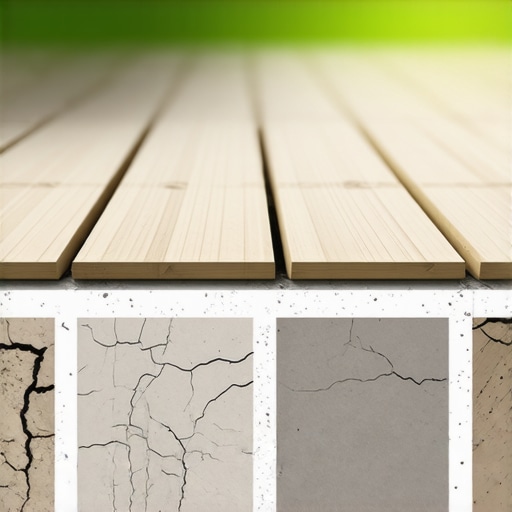
I vividly remember the moment I realized I had poured hundreds of dollars into my new composite deck, only to find its surface warped and discolored just a few years later. It was a slow, creeping frustration that started with small cracks and expanded into a full-blown headache. That was my lightbulb moment: I had overlooked some sneaky costs and pitfalls that come with composite decking, especially if you’re planning to upgrade your outdoor living space around 2026.
Many homeowners jump into composite decking without fully understanding what lies beneath the surface—literally and figuratively. They see the low-maintenance appeal, choose a style they like, and forget about the potential hidden expenses that could blow their budget long before expected. And honestly, I wish someone had warned me about these pitfalls before I got started.
Today, I want to share what I’ve learned so you won’t make the same mistakes. We’ll cover the three most overlooked costs that many buyers miss—costs that can turn a dream outdoor upgrade into a money drain if you’re not careful. Plus, I’ll guide you on how to sidestep these issues, saving you time, stress, and a lot of cash.
Are you currently facing surprises with your outdoor project or considering a deck upgrade? Stick around—I’ve got some insights that could change your entire approach.
Why You Need to Be Wary of Hidden Costs in Composite Decking
Composite decking certainly promises durability, style, and low maintenance, but the reality can be quite different if you’re unaware of the full picture. Most buyers focus on the upfront costs—materials, installation, and aesthetics—yet tend to overlook the ongoing expenses that creep up over time. These include elements like staining or sealing, replacement parts, and even structural modifications to support the deck’s weight or environmental stresses.
Early in my own project, I made the mistake of choosing the cheapest composite boards without considering how they might fare against weather extremes or sun damage. It wasn’t until a couple of years passed that I realized I’d need to replace sections, which was more costly than I anticipated. That experience taught me that understanding potential hidden costs is essential.
According to recent industry insights, nearly 60% of deck owners report unexpected maintenance or repair expenses within the first five years of installation. Being aware of these costs can help you plan better and avoid budget surprises. For instance, selecting the right composite decking material can significantly minimize future repairs—check out options and tips on [choosing the right composite decking for longevity](https://deckdesignbuild.com/choosing-the-right-composite-decking-for-durable-low-maintenance-outdoor-areas).
Understanding these less obvious costs isn’t just about saving money; it’s about creating a safe, functional, and beautiful outdoor space that stands the test of time. So, let’s delve into the three hidden costs most 2026 buyers are unlikely to see coming—and how you can avoid them.
Prioritize Quality Materials and Strong Foundations
Start by selecting high-grade composite boards that withstand weather extremes; inferior materials may lead to costly replacements. During my project, I visited multiple suppliers, asking for certifications and weather resistance ratings. The choice to invest in durable materials paid off, as I avoided early repairs.
Assess Structural Support Early
Use a professional to evaluate your existing support beams and footings. Remember, a deck isn’t just about visible boards; it depends on a solid substructure. I learned this when my initial support was inadequate for heavier loads, causing sway and potential safety hazards. Strengthening supports now prevents future expenses.
Design Stairs for Safety and Longevity
Stairs are critical, often overlooked, components. Opt for wider treads and slip-resistant textures to enhance safety. I once installed narrow, smooth stairs—soon realized they were perilous in wet conditions, leading me to redesign with proper treads. Check inspiring ideas for [top outdoor steps designs](https://deckdesignbuild.com/innovative-outdoor-living-ideas-with-composite-decking-in-2025) to guide your choice.
Plan for Proper Drainage
Ensure your deck’s slope directs water away efficiently; poor drainage accelerates wear and invites rot. Use a level to verify slopes during construction—neglecting this step can result in costly repairs. I encountered drainage problems because I overlooked this detail, costing me extra to fix.
Incorporate Simple Maintenance Strategies
Regular cleaning and periodic sealing can extend your deck’s lifespan. For composite decking, choose options resistant to fading and staining—avoiding costly refinishing later. I scheduled bi-annual inspections and cleaning, which kept my deck looking fresh and prevented degradation.
Use Expert Guidance When Needed
Hiring a skilled deck builder can optimize your design and budget. Professionals combine structural expertise with aesthetic finesse, saving you from costly mistakes. I started my project DIY but turned to a pro after initial setbacks, and the seamless results justified the investment. Discover more about [how a deck builder elevates your outdoor space](https://deckdesignbuild.com/how-a-skilled-deck-builder-can-turn-your-garden-into-a-private-oasis).While many homeowners believe that installing stairs is a straightforward task, the reality is far more nuanced. A common myth is that standard stringers and treads suffice for all outdoor environments. In truth, subtle design choices—like the angle of the incline or tread depth—dramatically influence safety and longevity. Choosing aesthetically pleasing but structurally inferior components can lead to buckling or slipping over time, especially under the weight of heavy furniture or snow loads. Always consult a professional to ensure your stair design aligns with environmental demands and safety standards—learn more about [outdoor stairs designs](https://deckdesignbuild.com/outdoor-living-top-composite-deck-stairs-design-ideas-2024). Often overlooked, the quality of your deck’s foundation beneath the stairs affects everything. A miscalculation in load-bearing capacity may cause settling or warping, even with premium materials. This underscores why a detailed structural assessment from an experienced deck builder is essential—discover how [expert deck builders](https://deckdesignbuild.com/how-a-skilled-deck-builder-can-turn-your-garden-into-a-private-oasis) can optimize your project. Looking beyond basics, advanced homeowners ask: How do climate variations impact composite material performance on stairs? The answer involves thermal expansion and contraction cycles that can create gaps or cracks if materials aren’t carefully selected and installed. Studies by industry leaders highlight that choosing composite decking with high UV resistance and minimal thermal movement significantly enhances durability—see [composite decking trends](https://deckdesignbuild.com/composite-decking-trends-2025-the-ultimate-guide-for-outdoor-enthusiasts). Additionally, incorporating slip-resistant surfaces into stair design isn’t just an aesthetic decision; it’s a matter of safety. Modern solutions include textured treads with high-traction coatings, which are proven to reduce accidents—find more tips at [slip-resistant stair designs](https://deckdesignbuild.com/7-slip-resistant-staircase-design-ideas-for-2026). Mixing functionality and style, some installers neglect the importance of proper drainage around stairs. Water pooling can accelerate wear and cause erosion of supporting structures. Installing a slight slope or drainage channels is a simple yet often neglected detail that extends stair lifespan—see why this matters in [outdoor living enhancements](https://deckdesignbuild.com/outdoor-living-made-easy-top-tips-for-durable-composite-decks-stylish-stairs-in-2024). Remember, the devil is in the details. Small adjustments in stair dimensions, support systems, and material choices can prevent costly repairs down the line. Have you ever fallen into this trap? Let me know in the comments.Maintaining your composite decking and outdoor stairs is essential to ensure long-term durability, safety, and aesthetic appeal. Over the years, I’ve tested and relied on a set of specialized tools and methods that make the upkeep process more efficient and effective. In this section, I’ll share the tools I recommend for routine maintenance and how they can help preserve your outdoor living space for years to come.
High-Quality Pressure Washer for Deep Cleaning
One of the most vital tools in my maintenance arsenal is a high-quality pressure washer. I prefer models with adjustable pressure settings to carefully remove dirt, mold, and algae build-up without damaging the composite surface. I personally use the Ryobi RY141900 because it offers 1,900 PSI, which is sufficient for cleaning decks without causing harm. Regular deep cleaning with a pressure washer prevents staining and keeps your surface looking vibrant, especially after harsh weather.
Soft-Bristle Brushes and Eco-Friendly Cleaners
For routine cleaning, I avoid harsh chemical cleaners that can degrade composite material over time. Instead, I recommend a soft-bristle deck brush alongside eco-friendly cleaning solutions like diluted vinegar or commercially available deck cleaners designed specifically for composite materials. This approach minimizes wear and preserves the surface integrity, ensuring your deck stays vibrant for years. Learning to combine the right cleaning agents with gentle scrubbing can significantly extend the lifespan of your deck.
Precision Inspection Tools
Long-term maintenance isn’t just about cleaning; it also requires regular inspection. I use a sturdy Phillips-head screwdriver and a moisture meter to detect early signs of structural issues or hidden moisture pockets that could cause damage beneath the surface. Catching issues early allows for targeted repairs, avoiding costly replacements down the road. Remember, a proactive approach is best; don’t wait until you notice visible problems.
Smart Lighting for Safety and Aesthetics
Another essential aspect is outdoor lighting that enhances safety and aesthetics. Modern LED fixtures with motion sensors, like the Ring Smart Lights, provide energy-efficient illumination that helps prevent trips and falls on stairs, especially at night. Proper lighting also accentuates your deck’s design elements, making it a functional extension of your home. Regularly checking and maintaining your lighting ensures safety while boosting curb appeal.
Planning for Future Upgrades and Scalability
As outdoor living trends evolve, so should your maintenance toolkit. Investing in modular tools with interchangeable parts, like extendable brushes or adjustable pressure washers, allows scalability and adaptation to larger projects as your space grows. Technology is rapidly advancing; consider integrating smart sensors to monitor moisture or UV exposure levels, which can inform maintenance schedules and protect your investment better. Trends suggest that in the future, integrated IoT devices will become standard for outdoor space care, providing real-time alerts and suggestions based on environmental data. Learn more about upcoming trends at this industry forecast.
How do I maintain composite decks over time?
Regularly cleaning with a pressure washer, using gentle cleaning agents, inspecting structural components, and ensuring safe lighting are key. Don’t forget to refer to manufacturer-specific guidelines to avoid voiding warranties. Combining proper tools with consistent routine checks ensures your outdoor structure remains stunning and safe. For an extra edge, try applying a protective sealant designed for composite materials, which can further resist fading and staining—and see how this simple upgrade can preserve your deck’s appearance for years. Want to get started? Visit this resource for detailed tips on applying protective finishes effectively.
The Surprising Lessons My Deck Taught Me
After investing heavily in my composite deck, I learned that low-cost materials often lead to high long-term costs—fading, warping, and costly replacements became unwelcome surprises that shattered my initial excitement. I discovered early on that cutting corners on material quality can turn a beautiful outdoor space into a maintenance nightmare.
My biggest eye-opener was realizing that many of the hidden costs stem from overlooking environmental factors. Sun exposure, heavy snow, and unexpected weather swings can accelerate deterioration if your choices aren’t resilient. That experience underscored how crucial it is to prioritize durability over aesthetics alone.
Collaborating with seasoned professionals not only saved me money but also delivered a result that truly lasts. I learned that a detailed structural assessment and expert advice go a long way—skimping here can cost a lot more down the line. Trusting the right sources and asking the right questions is a game-changer.
Tools and Resources That Make a Difference
I’ve come to rely on a few key tools that make maintenance simpler and more effective. A dependable pressure washer, like the Ryobi RY141900, helps me keep the surface clean without damage, extending the life of my decking. Soft-bristle brushes paired with eco-friendly cleaners preserve the composite’s appearance and integrity, preventing unnecessary wear.
Regular inspections with basic moisture meters or even a sturdy screwdriver can reveal early structural issues—spotting potential problems before they escalate saves money and safety concerns. For lighting and safety, modern smart fixtures with motion sensors make my outdoor spaces safer and more inviting after sunset. For anyone serious about longevity, investing in these tools is well worth it.
Embrace Your Outdoor Potential Today
There’s always a thrill in transforming your outdoor space into a refuge of beauty and safety. By choosing quality materials, collaborating with knowledgeable deck builders, and committing to routine maintenance, you can avoid the pitfalls that trap many homeowners. The future of outdoor living in 2026 is bright for those willing to plan smart and dream big. Ready to elevate your outdoor space? Dive into this resource for expert insights and start building your dream today!