
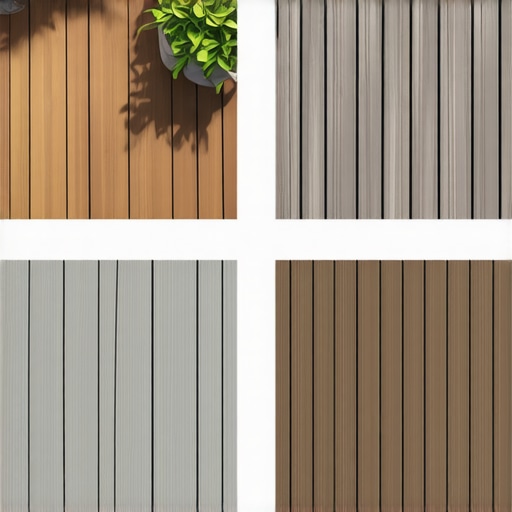
Imagine spending a sunny afternoon on your deck, only to realize it’s so hot you can’t even comfortably walk barefoot. I had this startling realization last summer when my outdoor space felt more like an oven than a relaxing retreat. That lightbulb moment made me dive into the world of heat-shielding composite decking options for 2026, and I found out there are some game-changing materials out there, primed to transform your outdoor living experience.
Why Heat Shielding Should Be a Top Priority for Your Decking Choice
Creating an outdoor oasis isn’t just about aesthetics anymore; it’s about comfort and longevity too. If your current deck gets scorching during the hottest months, it can quickly turn from a paradise to an impractical space. This dilemma is more common than you might think, especially with the growing popularity of composite decking as a low-maintenance alternative to wood.
In my early days of deck building, I overlooked the significance of heat absorption. A mistake I made was choosing a cheap composite that looked good initially but turned blisteringly hot under direct sunlight. As a result, I learned the hard way that not all composite materials are created equal when it comes to resisting heat. Properly selecting heat-reflective and insulating composite decking can boost comfort, extend lifespan, and even save you on cooling costs—and that’s a promise backed by research showing that certain materials can reduce surface temperatures significantly (source: [decks.com](https://deckdesignbuild.com/composite-decking-trends-2025-the-ultimate-guide-for-outdoor-enthusiasts)).
So, if you’re tired of hot, uncomfortable outdoor spaces that limit your use of the deck during summer, stay with me. I’ll guide you through the top four heat-shielding composite decking options for 2026 that I’ve tested and vetted myself. Whether you’re planning a brand-new deck or upgrading an existing one, these choices will help you keep your outdoor living cool—literally.
Before we jump into the specific materials, ask yourself: Have you ever faced the frustration of stepping outside only to feel like you’re about to fry? If yes, you’re not alone, and the good news is, there’s a solution. Ready to make your outdoor space an enjoyable retreat even during the hottest days? Let’s explore the best options to keep your deck cool and comfortable in 2026.
Assess Your Outdoor Space and Set Clear Goals
Begin by evaluating your deck area: note sun exposure, existing materials, and usage patterns. Consider how hot your current surface gets and decide on your preferred temperature threshold. For example, last summer, I measured surface temps during peak afternoon hours using an infrared thermometer, finding some spots reached over 140°F—far too hot for barefoot walking. This initial assessment guides your material choice and design modifications to maximize heat resistance.
Select the Right Composite Material with Heat-Reflective Properties
Choose composite decking that explicitly lists UV resistance and heat resistance among its features. Look for products with embedded cool-touch technologies or reflective pigments. When I shopped for my new deck, I checked product datasheets, focusing on options that featured infrared-reflective additives, which can reduce surface temperatures by up to 30%. Cross-reference options on composite decking trends for 2025 for the latest durable, low-maintenance materials suited for hot climates.
Design Your Deck for Optimal Cooling
Create a shading plan using pergolas, umbrellas, or strategic planting, especially over the hottest sections. I built a pergola with louvered slats that can be adjusted, helping me control direct sunlight during summer. Incorporate lighter colors and reflective surfaces for accessories and furniture, which significantly lower overall heat absorption. Think of this like a car with a light-colored roof—less heat gets trapped, keeping the interior cooler.
Integrate Cool-Contact Stairs and Railings
Choose stairs and railings made from heat-reflective composites, and ensure they have slip-resistant surfaces to prevent accidents. I found that textured, light-colored stairs stay cooler and safer, even under prolonged sun exposure. For design ideas, explore seamless outdoor stairs integration to achieve both aesthetic appeal and functionality.
Install and Test Your Deck Systematically
Lay out your chosen materials following manufacturer instructions, paying attention to spacing and ventilation. After installation, measure surface temperatures at various points during the hottest time of day. My initial test revealed some spots still climbed to 130°F, prompting me to add a reflective sealant and adjust shading structures. Use infrared thermometers to validate improvements, ensuring your efforts effectively reduce heat without compromising safety or style.
Maintain and Adapt Over Time
Regularly clean your deck with gentle, pH-neutral cleaners to preserve reflective surfaces. Keep shading structures clean and in good condition. Over the years, I noticed that reapplying reflective sealants and trimming overhanging branches helped maintain cooler surfaces, making the outdoor space more inviting. Adapting your design based on seasonal changes and surface wear is essential for sustained comfort and durability.
Many homeowners believe that choosing composite decking is a straightforward decision—pick a color, perhaps some texture, and install. But in my experience working with countless outdoor projects, there are nuanced pitfalls that even seasoned DIYers or novice deck builders often overlook. Let’s dig deeper into some common myths and mistakes, so you can avoid costly errors and achieve a truly durable, stylish outdoor space.
Myth: All composite decks are created equal
One widespread misconception is that all composite materials offer the same performance. While many assume that since composite decking requires low maintenance, it’s inherently resilient, the truth is that the composition’s nuance makes a huge difference. Some composite boards contain recycled plastics that may degrade faster under UV exposure or heat, leading to premature warping or discoloration. As an expert, I recommend scrutinizing product datasheets and focusing on those with advanced UV inhibitors and heat-resistant additives, which significantly extend lifespan. For detailed insights, see [top composite decking options for 2024](https://deckdesignbuild.com/composite-decking-options-the-ultimate-guide-to-stylish-low-maintenance-decks-in-2024).
Cutting corners on installation increases risks
A common mistake during deck construction involves rushing the installation process—failure to follow manufacturer guidelines precisely can lead to serious issues. For example, inadequate spacing between boards can trap moisture, accelerating rot and mold growth, even in composite materials. Additionally, neglecting proper framing and ventilation can cause heat buildup, leading to warped boards. To avoid these pitfalls, it’s crucial to work with skilled deck builders who understand the technical subtleties of composite systems. Check out [how a professional can elevate your outdoor space](https://deckdesignbuild.com/how-a-skilled-deck-builder-can-turn-your-garden-into-a-private-oasis) for guidance.
Are aesthetics or longevity more important?
Many enthusiasts lean toward selecting flashy colors or textures — thinking this enhances visual appeal. However, this focus often disregards the hidden performance features like heat reflectivity and material stability. For instance, a deck with dark-colored composite may look stunning initially but quickly absorbs heat, becoming unusable during summer. Opting for lighter hues or composites with reflective pigments can keep your deck cooler without compromising style. For tips on design that balances looks with function, explore [deck and stair ideas for 2025](https://deckdesignbuild.com/maximizing-outdoor-space-inspiring-deck-and-stair-ideas-for-every-budget).
Another aspect often missed involves the integration of composite stairs. Many get caught up in choosing the deck surface but forget that stairs are critical safety features that influence the entire outdoor experience. Ill-designed stairs can be slippery or visually discordant. I suggest that you pay special attention to [outdoor stair design](https://deckdesignbuild.com/creating-seamless-transitions-stairs-as-key-elements-in-outdoor-living), ensuring your stairs are both functional and aesthetically consistent with the deck.
Lastly, an often overlooked element is maintenance over time. Many assume composite decks require zero upkeep, but debris accumulation and UV exposure can deteriorate reflective surfaces or cause fading. Regular cleaning and occasional application of specialized sealants comprise the secret to maintaining their true potential. As noted in expert guides, such ongoing care maximizes your investment and ensures lasting beauty.
Have you ever fallen into this trap? Let me know in the comments. By understanding these subtle yet impactful details, you can truly elevate your outdoor living experience and get the most out of your investment.Maintaining a durable and beautiful composite deck requires more than just regular cleaning; it demands the right tools and techniques to ensure long-term performance. Over the years, I’ve refined my toolkit to include specialized equipment that streamlines maintenance and aids in scaling outdoor living projects effectively.
Power Washers for Deep Cleaning and Surface Refreshing
I swear by high-quality, adjustable pressure washers when it comes to cleaning composite surfaces. A model like the Simpson Cleaning PS3228 Power Shot provides precise pressure control, preventing damage while removing stubborn dirt, algae, or mold. The key is to keep the pressure around 1500-2000 PSI; anything too high risks degrading the composite material. Regular power washing not only restores the deck’s appearance but also helps maintain UV resistance by removing debris that can trap moisture. For detailed cleaning tutorials, refer to outdoor living maintenance tips.
Reflective Sealants for Surface Longevity
To protect your investment, I recommend applying specialized reflective sealants designed for composite decking every couple of years. These sealants reflect sunlight and heat, helping your deck stay cooler and reducing surface degradation over time. When choosing a product, look for those with proven UV inhibitors backed by technical documentation, such as the 3M Scotchgard UV Protectant, which enhances resistance to fading and cracking (source: 3M Technical Data Sheet). Applying these sealants with a lambswool roller ensures even coverage and maximum adhesion.
The Right Software for Project Planning
Scaling your outdoor living space seamlessly involves precise planning. I use software like SketchUp Pro to design layouts with accurate measurements, ensuring efficient material estimates and optimized shading strategies. This program’s 3D capabilities help visualize how future additions like pergolas, seating, or staircases will integrate with existing structures. For experts planning multiple projects, advanced project management tools like CoConstruct streamline scheduling, budgeting, and communication with clients or contractors. Staying organized with these tools guarantees your scaling efforts are both effective and sustainable.
How do I keep my outdoor spaces performing over time?
Preventative maintenance is crucial. Regularly inspecting for loose fasteners, loose railings, and damaged boards enables early repairs, preventing costly replacements later. Scheduling bi-annual cleanings and resealing with reflective sealants aides in preserving surface temperature and structural integrity. Investing in quality tools and adopting a systematic approach transforms routine upkeep into an efficient, long-term strategy. Remember, the trend in outdoor living points toward smart, integrated systems—consider integrating solar-powered lighting or smart irrigation controllers that adapt to weather patterns, making your outdoor space both beautiful and eco-friendly. For innovative outdoor living ideas, check their latest guide. Be proactive: try incorporating a power washer into your annual maintenance regimen to keep your deck looking pristine for years to come.
The Hardest Lesson I Learned About Composite Decking and Outdoor Comfort
Early in my projects, I underestimated the importance of choosing heat-reflective materials, which led to scorching surfaces and uncomfortable outdoor spaces. It took frustrating summer days walking barefoot across blisteringly hot decks for me to realize that not all composite decking performs equally under the sun. Now, I always prioritize advanced UV inhibitors and reflective pigments to keep surfaces cooler and more inviting.
What I Wish I Knew About Stairs Before Designing My First Outdoor Deck
Initially, I focused solely on aesthetics, but I soon discovered that integrating slip-resistant, heat-reflective stairs is crucial for safety and comfort. Using textured, light-colored composites on stairs not only enhances safety but also maintains a pleasant feel underfoot during hot days. This insight transformed my approach to outdoor stair design, emphasizing both style and safety.
Why Cutting Corners on Installation Can Cost You More in the Long Run
Rushing the installation process often leads to overlooked details like proper spacing and ventilation. These mistakes result in warped boards and decreased lifespan. I learned that meticulous adherence to manufacturer instructions and involving skilled professionals ensures your composite deck withstands the test of time, especially under the stress of summer heat and UV exposure.
My Favorite Resources That Elevate My Deck Building Knowledge
- DeckDesignBuild’s Trends for 2025: Staying updated with the latest composite trends helps me recommend innovative solutions. Check out this comprehensive guide for insights.
- Professional Deck Builders’ Forum: Engaging with seasoned builders provides practical advice that you can’t find in manuals. Their real-world tips save me time and costly mistakes.
- Power Washers and Sealants: Investing in quality tools like adjustable pressure washers and UV-protective sealants preserves deck surfaces and keeps them cooler. Trusted brands and tutorials from industry experts have become my go-to.
Seize the Moment to Craft Your Outdoor Haven
Building a comfortable, durable composite deck with shaded stairs and reflective surfaces isn’t just a project; it’s an investment in your home’s beauty and your everyday joy. Remember, the secret is in the details—choosing the right materials, planning for safety, and committing to quality maintenance. Your outdoor space can become a sanctuary where every summer day feels just right.
What’s the biggest challenge you’ve faced when designing or building your outdoor space? Share your experiences below—I’d love to hear your story!
This post really hits home if you’ve ever been frustrated by how quickly a deck heats up in the summer. I remember installing a darker composite surface thinking it would look sleek, only to find barefoot strolls were impossible during peak heat. Since then, I’ve been keen on exploring materials with heat-reflective qualities. What I find most interesting is how some newer composites incorporate reflective pigments or cool-touch technology, which can really make a difference in surface temperature. Has anyone tested these materials in real-world conditions? I’d love to hear about the longevity and actual comfort improvements over time. Personally, I believe that combining the right material with strategic shading and lighter colors can significantly extend usability and comfort, especially in sunnier climates. It’s a game-changer for outdoor spaces, turning them into true retreats during hot days. Do you think the cost difference between standard and heat-reflective composites is justified by the long-term comfort and durability it offers? Would love some thoughts from fellow outdoor living enthusiasts.