I remember standing on my back porch three years ago, watching a glass of iced tea slowly migrate across the table every time my dog ran past. It was embarrassing. I had put so much effort into being a diligent deck builder, yet my masterpiece felt like a rickety rope bridge. That ‘lightbulb moment’ hit me hard: a deck can be perfectly safe according to the city inspector but still feel like garbage underfoot. We’re going to fix that today without spending a fortune on new lumber or hiring a massive crew.
Stop the Trampoline Effect Without Tearing Everything Down
The problem isn’t usually your boards; it’s the invisible skeleton underneath. When I first started messing around with outdoor projects, I made the embarrassing mistake of thinking that using fancy structural screws on the surface would magically stiffen the frame. It didn’t. The bounce comes from joists that are just a little too long or a little too thin for their span, causing them to flex. According to the American Wood Council, ‘deflection’ is the technical term for this bending, and while it might not mean your deck is collapsing, it certainly ruins the vibe of your outdoor living space. We are going to solve this by installing ‘mid-span blocking’—basically, small scraps of wood that stop your joists from twisting and bending. It’s a simple afternoon project that provides an immediate, rock-solid result.
Is my deck actually going to fall down?
That is the question I get from neighbors more than anything else. They feel that wobble and assume the ledger board is pulling away from the house. While you should always check if you need to fix a deck pulling away from the siding, most bounce is just harmless (but annoying) vibration. However, leaving it alone isn’t great for the long haul. Constant flexing can actually cause cracks in your stair stringers or loosen your railing posts over time. I once ignored a bouncy section for a summer, and by September, my beautiful composite decking had developed tiny squeaks because the fasteners were being pulled back and forth. Have you noticed your deck floor getting noisier or more ‘springy’ lately? It’s a common frustration, but luckily, the solution is much cheaper than you think.
Stop the Sway with Precision Blocking
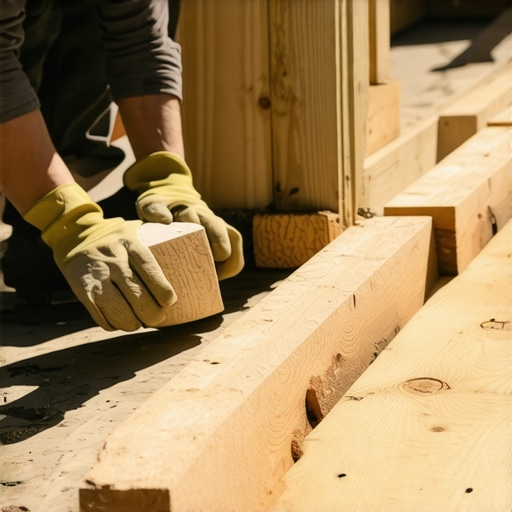
Imagine your deck joists as the long, vertical rails of a ladder. If you do not have rungs connecting them, those rails can twist and warp under the slightest pressure. This twisting is the structural reason your deck feels bouncy when you walk. To fix this, you need to install blocking—short pieces of lumber, the same size as your joists, squeezed tightly between them. I remember a project in 2021 where the homeowner had installed beautiful, heavy composite decking over an old frame. Every time they walked to the grill, the wine glasses on their table would clink together like a celebratory toast you didn’t want. I crawled under there and realized the 2×10 joists were spanning twelve feet with zero lateral support. We spent three hours hammering in blocks every four feet, and the transformation was night and day. It went from a trampoline to a concrete slab feeling.
The Simple Trick to Aligning Your Blocks
When you are installing these, do not try to put them in a perfectly straight line. If you do, you will find it impossible to drive screws through the joist into the end of the block because the previous block is in your way. Instead, stagger them slightly. Offset each block by about an inch and a half. This gives you a clear path to drive your fasteners straight in without hitting your own knuckles or stripping the screw heads. While you are down there, it is also the perfect time to learn how to keep your deck joists from rotting under the boards by applying joist tape to the top of these new blocks. It prevents water from sitting in the small gaps you have just created, ensuring your fix lasts as long as the deck itself. 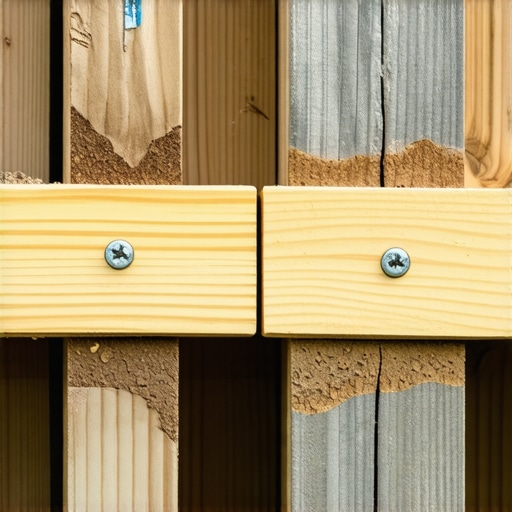
Why Double Joists Aren’t Just for Show
Sometimes blocking alone will not cut it, especially if you are dealing with a massive span or a heavy feature like a built-in kitchen. In those cases, you need to ‘sister’ the joists or use double joists under every composite seam for a flat floor. This doubles the rigidity of the frame and provides a wider surface for your fasteners to grab onto, which is critical for long-term stability. I once saw a DIYer try to fix a bounce by just adding more deck screws from the top. All he did was create more holes for water to enter and eventually rot the wood. The real strength is in the thickness of that skeleton. If your stairs feel like they are diving forward or dipping when you step, you might need the bracket that makes your deck stairs feel rock solid to tie the stringers into the frame properly. Adding mass and preventing lateral movement are the two golden rules for an outdoor space that feels premium rather than rickety.This brings us to a hard truth that many sales brochures won’t tell you: the ‘maintenance-free’ promise is often the biggest hurdle to a deck’s long-term health. Everyone says composite is a ‘set it and forget it’ solution, but in my experience, that mindset leads to ignoring the critical wood skeleton underneath. While the boards won’t rot, the frame absolutely can. You must understand the truth about maintenance free decking claims before you stop inspecting your joists. If you ignore the organic frame just because the surface looks plastic-perfect, you are asking for a structural failure in a decade. I have seen beautiful, expensive decks become death traps because the owners thought the synthetic topper acted like a waterproof umbrella—it does not.
Stop Your Boards from Destroying Your Siding
One of the most sophisticated ‘oops’ factors I see involves physics, specifically thermal expansion. Wood expands and contracts mostly with moisture, but composite boards behave like a bridge; they move with the temperature. I have walked onto jobs where the homeowner is baffled why their door won’t shut or why their vinyl is buckling. Usually, it is because they did not account for why your composite boards are expanding more than expected during a summer heatwave. If you butt those boards tight against the house without a gap, they will exert hundreds of pounds of pressure against your siding. Learning how to stop composite boards from expanding into your vinyl siding is a master-level move that separates a professional deck builder from a weekend warrior. 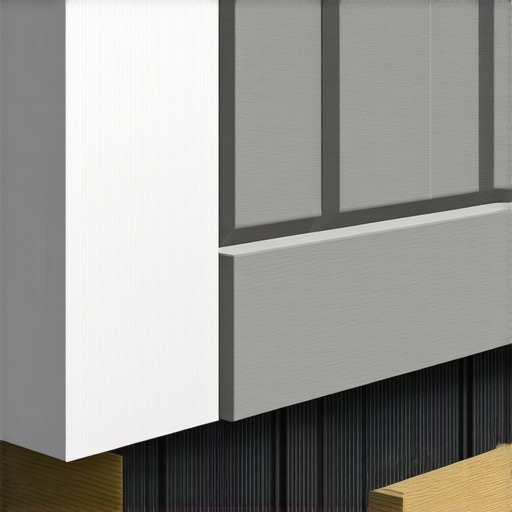
Will Darker Boards Actually Warp Your Substructure?
This is a question I get from clients who are eyeing those beautiful deep espresso or charcoal finishes. It is a valid concern because why dark brown decking gets significantly hotter than light gray boards is not just about bare-foot comfort; it is about the heat transfer to the fasteners and joists. High heat causes more radical expansion cycles, which can eventually ‘wallop’ out the screw holes in your pressure-treated lumber. To mitigate this, I always recommend the spacing secret for installing composite decking in winter to ensure that when summer hits, the boards have somewhere to go other than ‘up.’ According to the North American Decking and Railing Association (NADRA), poor thermal management is a leading cause of aesthetic and minor structural complaints in modern deck builds. Ensuring you have the right gap also prevents the annoying issue of how to stop your deck chair legs from catching in the board gaps, as a perfectly engineered gap stays consistent year-round. Mastering these nuances transforms a basic platform into a high-performance outdoor living space that lasts thirty years instead of ten. Have you ever fallen into the ‘maintenance-free’ trap and neglected your deck’s skeleton? Let me know in the comments.
The Tools That Separate Pros from Amateurs
I used to think a standard drill and a box of galvanized nails were all I needed to be a successful deck builder. I was wrong. If you want to build an outdoor living space that doesn’t rattle every time someone walks, you need an impact driver. Unlike a standard drill, an impact driver applies rotational force in bursts, which prevents you from stripping the heads of those expensive structural screws. I’ve found that using high-quality bits isn’t just about convenience; it’s about ensuring every connection is as tight as possible. When you’re working on innovative stairs solutions, precision is your best friend. A single loose screw in a stair stringer today becomes a loud, annoying pop in two years. 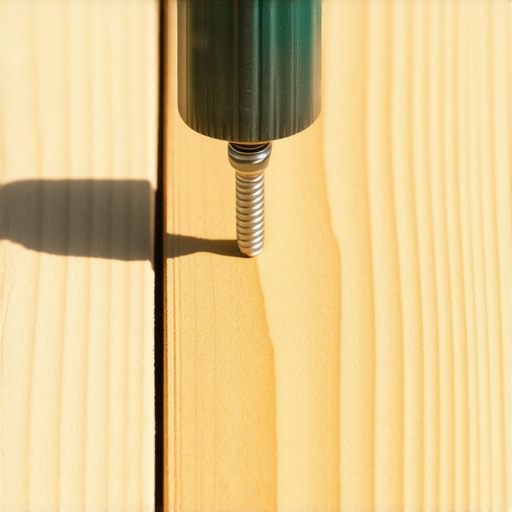
How do I maintain my composite deck over time?
This is the most common question I get after a project wrap-up. People assume that ‘low-maintenance’ means ‘no-maintenance.’ To keep your deck looking brand new, you need a semi-annual ritual. Start by checking the gaps between your boards; you would be surprised how many pine needles and debris can trap moisture against your joists. You should also learn how to clean grease stains off composite without ruining the finish—especially if you have a grill nearby. For the structural side, I recommend a quick crawl underneath once a year to look for signs of moisture. If you find damp spots, it’s time to double down on how to protect your deck frame from rot for thirty years by ensuring proper ventilation. Even the best choosing the right composite decking won’t save a frame that’s constantly sitting in a puddle.
Why Your Next Project Should Start on a Screen
Years ago, we used to sketch deck plans on the back of a napkin. Now, why I never start a complex deck project without a digital 3d walkthrough first is a matter of both sanity and budget. 3D modeling allows you to see how shadows will fall across your modern designs for composite decks at 4:00 PM in July. It also catches ‘impossible’ stair angles before you ever buy a single piece of lumber. According to the American Wood Council’s DCA 6 Prescriptive Residential Wood Deck Construction Guide, specific fastener schedules and joist spans are non-negotiable for safety. Seeing these requirements in a digital model ensures you aren’t just guessing on the fly. I predict that in the next five years, augmented reality will allow homeowners to ‘walk’ on their digital deck in their own backyard before a single hole is dug. If you’re serious about your build, I want you to try the ‘staggered blocking’ trick I mentioned earlier on your next project; it is the single most effective way to eliminate the ‘bounce’ and make your deck stairs feel rock solid. It’s these small, professional-grade moves that transform a simple platform into a legacy structure. Don’t forget that the simple way to stop deck stairs from squeaking when you step often involves nothing more than a little extra adhesive and the right fastener choice during the initial build.
Harsh Realities About Composite Frames That I Had to Discover Myself
Over the years, I have realized that the biggest mistake most homeowners make is assuming that ‘safe’ and ‘stiff’ are the same thing. A deck can pass every municipal inspection and still feel like a trampoline because the building codes are often the bare minimum, not the gold standard for comfort. I have learned that if you want your outdoor living area to feel like an extension of your home, you have to overbuild the skeleton. I once worked on a project where we used 2×10 joists on a span where 2×8 was ‘legal,’ and the difference in the homeowner’s confidence while walking across it was massive. Another hard-earned lesson? Never trust a fastener just because it is silver. In coastal or high-moisture environments, if you aren’t using stainless steel or specialized coatings, you are just building a ticking time bomb of rust and squeaks. Finally, remember that your deck is a breathing structure; if you don’t allow for airflow underneath, you are effectively creating a sauna that will rot your pressure-treated wood from the inside out.
The Short List of Gear That Separates a Good Job from a Great One
If you are ready to move past the amateur stage, there are a few resources and tools that I never step onto a job site without. First, I always keep a copy of the American Wood Council’s DCA 6 handy; it is the ‘bible’ of deck construction and clarifies those confusing span tables better than any YouTube video. For physical tools, I swear by the impact driver for every single connection—it provides the torque needed for structural screws without the wrist-breaking kickback of a traditional drill. I also recommend picking up a high-quality butyl joist tape like G-Tape. It is a small investment that adds decades to the life of your frame by sealing screw holes from moisture. When you are choosing the right composite decking, I suggest looking at samples from various manufacturers in person rather than online to truly understand the texture and heat retention of each brand.
Take Back Your Backyard with a Build That Doesn’t Budge
Building or fixing a deck is about more than just square footage; it is about creating a space where you can relax without hearing a single groan from the floorboards. Whether you are implementing innovative stairs solutions or just adding a few rows of blocking to an existing frame, the effort you put into the details today will pay dividends for the next thirty years. You have the knowledge now to move beyond the basic ‘maintenance-free’ myths and build something truly structural and beautiful. Don’t be afraid to crawl under there and get your hands dirty—it is the only way to ensure your dream outdoor space feels as solid as it looks. If you ever feel stuck on a complex layout, you can always reach out to a professional deck builder or use our contact page to get expert advice on your specific project. #IMAGE_PLACE_HOLDER_E#
What is the one thing about your deck that drives you crazy every time you walk on it? Let me know in the comments below!