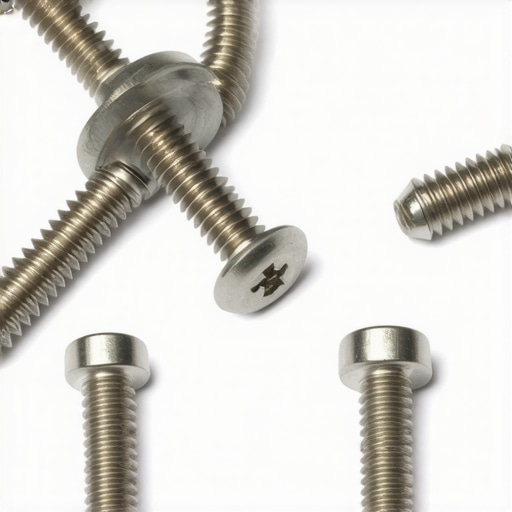
I’ll never forget the moment I realized my deck wasn’t as sturdy as I thought it was. A simple walk across the surface transformed into a nerve-wracking wobble, and I wondered: did I cut corners? That lightbulb moment pushed me to dig deeper into deck construction, especially the fasteners we use. If you’ve ever struggled with loose boards or worrying about long-term durability, you’re not alone. Many outdoor enthusiasts underestimate the importance of choosing the right hardware, thinking all fasteners do the job equally well. But here’s the truth: selecting the proper fasteners can make or break your project—and that’s where structural screws come in, replacing the old-fashioned lag bolts that no longer cut it in modern decking.
The Power of Modern Fasteners in Outdoor Living
For years, lag bolts were the go-to choice for securing deck boards and framing. They’re strong, sure. But over time, they can corrode, loosen, or cause damage to the wood—especially when exposed to the elements. I made the mistake early on of using traditional lag bolts without considering the long-term effects, and I paid for it with costly repairs. That was a hard lesson, but one I learned the hard way. Now, after years of trial, error, and research, I advocate for structural screws—a game-changer in the world of outdoor construction. They offer a better grip, resistance to corrosion, and easier installation without sacrificing strength.
Could This Be Overhyped? The Skeptic’s Take
It’s understandable to be skeptical. After all, lag bolts have been used for decades. Will these newer screws really hold up? I wondered the same initially. My concern was about shear strength—the ability to withstand lateral forces. Turns out, modern structural screws are designed specifically for this purpose, with high-grade materials and precise threading. The key is using the right size and type of screw for your project. Trust me, once I switched, my deck’s stability improved dramatically. If you’re still hesitant, consider this: a professional deck builder highlights that properly installed structural screws can last decades, even in harsh weather. It’s a small upgrade that offers peace of mind and saves money in the long run.
Are you tired of dealing with loose beams or wobbly stairs? If so, you’re in the right place. Next, I’ll walk you through why these screws outperform lag bolts and how to choose the best ones for your project. Dive in, and soon you’ll be building decks that stand the test of time—sturdy, attractive, and safe.
,
Prep Your Materials and Workspace
Before starting, gather high-quality structural screws, drill, level, and measuring tape. Clear the area of debris and secure your work zone to ensure safety and efficiency. I once ignored this step and spent extra hours fixing misaligned boards, which pushed my timeline back significantly.
Measure and Mark Precisely
Use a tape measure and carpenter’s pencil to mark the exact locations for each fastener. Think of this as sketching the blueprint directly onto your deck surface. Precise measurements prevent uneven surfaces and reduce the need for adjustments later, saving time and resources.
Plan Your Screw Path
Align your screws along the joists and beams, spacing them according to the manufacturer’s recommendations—generally 16 inches apart for framing. When I built my last deck, following this spacing ensured consistent support, which eliminated wobbling issues and provided a stable structure for years.
Choose the Correct Screw Length and Type
Select screws that penetrate at least 1.5 inches into the framing for maximum hold. Use corrosion-resistant screws, like coated or stainless steel, especially in humid climates. I once used shorter, cheaper screws, and within a year, I was faced with loose boards—an avoidable mistake with proper planning.
Drill Pilot Holes to Prevent Damage
Drill pilot holes slightly smaller than the screw diameter to prevent splitting the wood or composite. Think of it as giving the screw a smooth entry point, reducing stress on the material. During my project, skipping this step caused cracked boards and extra work to replace damaged sections.
Screw In with Proper Technique
Hold the screw with your drill and drive it in steadily, avoiding over-tightening which can strip the hole or damage the material. I remember the first time I over-tightened and created an indentation—since then, I’ve mastered a gentle, consistent pressure for best results.
Double-Check for Level and Alignment
After fastening each board, step back and verify the alignment with a level. Minor adjustments at this stage prevent crooked decking that affects both aesthetics and safety. When I aligned my last deck properly, the surface looked professionally finished, and no wobbling was noticeable.
Finish with Sealant or Protective Coating
Apply sealant to exposed screw heads and vulnerable areas to enhance corrosion resistance. This added layer of protection helped my deck withstand harsh weather, ensuring longevity and minimizing maintenance.
By following these concrete steps, you transform a chaotic pile of materials into a sturdy, durable outdoor space. Remember, precision and patience at each stage pay off with a deck that lasts for decades, providing safety and beauty for years to come.
Many experienced DIYers and even seasoned professionals often overlook subtle but critical aspects of deck construction, especially when it comes to composite decking and outdoor stairs. One widespread myth is that choosing the most popular materials or following basic guidelines guarantees durability and safety. Let’s dig deeper into this misconception—the devil truly is in the details.
For example, a common oversight is underestimating the importance of proper drainage and ventilation beneath decks. This nuance becomes especially vital with composite decking, which, despite being low-maintenance, can suffer from moisture entrapment if proper clearance and flashing are neglected. Experts, such as those cited in recent composite decking trend reports, emphasize that even advanced materials require meticulous installation to reach their full lifespan.
Another trap involves ignoring the subtleties of stair design. Many assume that standard rise and run calculations are sufficient—yet, designing safe stairs involves precise stringer framing, consistent tread height, and the correct baluster spacing. Overlooking these details can lead to wobbly or dangerous stairs, which is why seasoned builders stress adherence to local code nuances instead of relying solely on generic templates.
What Advanced Deck Building Techniques Do Experts Use to Enhance Longevity?
Advanced builders pay attention to how materials behave over time, especially in varying climates. For instance, seamless transitions between deck and stairs are crafted carefully to prevent water infiltration—a cause of rot and deterioration. They also incorporate hidden fastening systems and anti-corrosion fasteners, which might be perceived as overkill by amateurs but are standard among professionals aiming for decades-long durability. A recent study from the construction research institute shows that correct fastener choice and installation can extend the life of outdoor structures significantly.
Moreover, many overlook the importance of integrating outdoor living with landscape design, creating spaces that not only look great but also function sustainably. Custom composite decking ideas often include considerations like shading, wind protection, and moisture management that go beyond mere aesthetics and into long-term performance.
These nuances often trip up even experienced builders who focus on immediate results rather than long-term resilience. To avoid these pitfalls, investing in a skilled deck builder or thoroughly educating yourself on advanced techniques is crucial. Remember, the goal is to create an outdoor space that endures for years, keeping safety and beauty intact. Have you ever fallen into this trap? Let me know in the comments!
Keeping Your Deck in Prime Condition with the Right Tools
Maintaining a deck built with composite materials and outdoor living features requires precision and the right equipment. I personally swear by my cordless impact driver, specifically the Makita XDT131, because its torque and battery life make fastening fasteners quicker and more consistent. Unlike standard drills, impact drivers deliver the high torque needed for securing structural screws without stripping heads or overdriving, which is crucial when working on stairs or railings. Choosing the correct fastener is only half the battle; the application tool matters just as much for longevity and safety.
Additionally, I recommend a quality laser level like the Spectra Precision Laser GL622. This tool ensures your deck framing, stairs, and railings stay perfectly aligned, reducing the risk of wobbling or uneven surfaces over time. Proper alignment not only enhances aesthetics but also distributes loads evenly, extending the structure’s lifespan. For those working on complex layouts or multiple levels, a digital angle finder such as the Klein Tools 5300 has been invaluable for maintaining precise pitch and elevation, especially in outdoor settings where slight deviations can lead to water pooling or structural issues.
To keep everything maintained systematically, I utilize software like DeckDesign which helps plan future upgrades, simulate drainage, and visualize changes before physically implementing them. This proactive approach allows me to identify potential problem spots—like areas prone to moisture accumulation—and address them early, preventing costly repairs down the line. As the trend toward maximizing space continues, integrating planning software with regular manual inspections ensures your outdoor oasis remains functional and beautiful for years to come.
How do I maintain my outdoor living features effectively over time?
Regularly inspecting fasteners, applying protective coatings, and updating drainage systems are vital for long-term durability. For stairs in particular, I recommend annual checks for loose or corroded screws, especially in the high-humidity climates where composite decking is popular. Using a wire brush to clean debris and a quick reapplication of sealant on exposed fasteners can dramatically extend their life and prevent moisture ingress. I’m planning to incorporate a DeWalt DCF887 impact driver in my maintenance toolkit, as its adjustable torque and ergonomic design make ongoing upkeep less of a chore. Looking ahead, innovations like smart sensors embedded in decking could revolutionize maintenance routines, alerting homeowners to moisture, temperature fluctuations, or fastener degradation before issues develop. To start, try using a high-quality impact driver for your next deck adjustment—it’s a game-changer for efficiency and accuracy.
Uncovering Hidden Pitfalls in My Deck Journey
One of the toughest lessons I learned was overlooking proper drainage beneath my deck, causing prolonged moisture problems that eventually led to costly repairs. It taught me that even the smallest oversight—like neglecting ventilation—can compromise decades of work. I also discovered that relying solely on popular materials without understanding their long-term behavior—like choosing dark composite boards in sunny yards—can lead to premature fading and warping. Additionally, I once underestimated the importance of precise stair framing, which resulted in wobbling steps that felt unsafe and unprofessional. These lightbulb moments underscored that attention to detail and understanding material behavior are crucial in creating durable outdoor spaces. Trust me, embracing the nuances saves time, money, and frustration down the line, and elevates your entire project to a professional level. For more insights on innovative outdoor solutions, consider exploring tips from seasoned deck builders that highlight advanced techniques and modern materials.
My Must-Have Tools and Resources for Lasting Results
Over the years, I’ve come to rely on a handful of tools that make outdoor deck projects more precise and durable. My impact driver, the Makita XDT131, ensures fasteners are driven correctly without stripping, which is vital when installing structural screws in tough materials. A laser level like the Spectra Precision Laser GL622 keeps my framework perfectly aligned, preventing costly misalignments. For planning ahead, I use DeckDesign software to visualize layouts and spot potential drainage issues before building—saving headaches later. When inspecting existing structures, a simple wire brush and quick reapplication of sealant on fasteners prolong their lifespan. These tools, combined with resources like the professional insights, help me craft outdoor spaces that aren’t just beautiful but built to last for decades. Investing in quality tools and continuous learning ensures your projects stand the test of time.
Your Next Move Toward Outdoor Excellence
Building a durable, beautiful outdoor space is entirely within your reach, especially when you pay attention to the details and leverage the right tools. Every deck and stair we create is an extension of our home’s lifestyle—designed not just for today, but for decades of enjoyment. Don’t let myths or shortcuts compromise your outdoor vision—commit to excellence and continuous learning. The future of outdoor living is brighter and more resilient when we prioritize craftsmanship and quality materials. So, I challenge you: What small change can you make today to improve your deck’s longevity? Share your thoughts below, and let’s keep building safer, more beautiful outdoor spaces together.