
There was a time I almost decided to just ignore the problem. Every time I looked up at the underside of my second-story deck, all I saw was a jumble of exposed joists, endless beams, and that unseemly gap where the ground and wood meet. It wasn’t just an eyesore; it made the entire outdoor area feel unfinished and neglected, like an afterthought rather than a true extension of my home. One evening, during a casual dinner on the patio, a guest commented, “Is that part of the deck or some kind of construction mess?” It hit me—I needed a solution that wasn’t just quick and cheap, but also stylish and long-lasting.
Why Address the Hidden Underside of Your Deck Now?
If you’ve ever found yourself gazing up at your second-story deck and feeling a twinge of embarrassment or disappointment, you’re not alone. The underside of a deck often remains an overlooked area, yet it’s a crucial part of your outdoor aesthetic. A poorly concealed or neglected underside can detract from the overall visual appeal and potentially lead to maintenance issues. Fortunately, with the right approach, you can hide those unsightly beams and create a seamless, pleasing look that elevates your outdoor living experience.
The importance of paying attention to this hidden zone can’t be overstated. According to a recent trend report, innovative homeowners are now focusing on making their entire deck area both beautiful and functional—bettering the look along with increasing durability. The secret? It’s about transforming that ugly underside into a feature, rather than a flaw.
My early mistake was opting for a quick paint job to cover the concrete blocks and joists, which only lasted a season before peeling and exposing more flaws. That encouraged me to dive deeper into the options, from lattice enclosures to custom wood panels and composite solutions. If you’ve faced similar frustrations, this post will walk you through proven ways to hide the underside effectively—turning that once-dull space into a charming part of your yard.
Is Covering the Underside of a Deck Really Worth It?
Early on, I questioned whether investing time and money into this hidden area was justified. Sometimes it feels like a hidden nuisance that doesn’t need addressing. However, I learned that a well-finished underside enhances curb appeal, protects structural components, and even adds privacy. Plus, it can serve as an opportunity for creative design—think outdoor lighting or decorative panels that complement your style. I made the mistake of assuming I could skip this step, only to realize that a concealed, protected underside makes all the difference, especially during resale or family get-togethers.
If you’re skeptical, I get it. But you’ll find that simple updates can dramatically improve your outdoor space’s look and functionality. Curious about specific ideas? Check out some innovative composite decking tricks to keep your project low-maintenance yet stunning.
Frame and Enclose the Underpart to Hide Unsightly Beams
Start by installing a sturdy frame using pressure-treated lumber around the underside of your deck. Think of it as creating a skeleton that supports your new surface. Secure the frame to the existing beams with lag screws or structural screws, ensuring it’s level and sturdy. When I did this for my porch, I used a 2×4 perimeter frame that neatly concealed the joists. Afterward, attach decorative panels or lattice to the frame, which acts as a stylish curtain hiding the structural elements and creating a finished look. This approach not only hides imperfections but also adds a personalized touch to your outdoor space.
Add Composite Skirting for a Seamless Look
Utilize composite decking boards to create a skirting that matches your deck’s surface. Measure the perimeter carefully, accounting for vents and access points. Cut the boards to size and secure them to the frame with hidden fasteners for a clean, professional appearance. I experimented with this method on my deck, and it transformed the whole area into a polished patio. The key is choosing high-quality composite material, which resists rot and requires minimal maintenance. For ideas on selecting durable materials, visit this guide.
Install Lattice or Decorative Panels for Style and Privacy
Lattice panels are a popular choice for finishing off the underside of a deck because they allow airflow while hiding unsightly parts. Attach them to your supporting frame using nails or screws designed for outdoor use. For extra flair, paint or stain the lattice in a color that complements your home’s exterior. During my project, I paired lattice with string lights to add ambiance. Remember, adding access panels or removable sections makes maintenance easier, especially if you need to inspect joists or run wiring for outdoor lighting. Want to explore creative lighting ideas? Check out this article for tips on integrating lighting seamlessly.
Seal and Paint for Longevity and Appeal
Once everything is installed, seal gaps with weatherproof caulk or spray foam to prevent pests and moisture intrusion. If you want long-lasting aesthetics, apply a weatherproof paint or stain to the finished surface. This step protects your work from the elements and keeps it looking fresh over time. I learned this the hard way when neglecting sealing my old project, which led to rotting and peeling paint. Proper sealing extends the life of your enclosure, reduces maintenance, and enhances visual appeal. For safety, ensure your work complies with local codes—especially if installing panels that could impede access or ventilation. Interested in more deck durability tips? Read this guide for insights into long-term deck care.When it comes to outdoor living spaces, many assume that following popular trends or DIY tips guarantees success. However, as an expert in deck construction and design, I can tell you that there are nuanced pitfalls that even seasoned homeowners often overlook. One common myth is that choosing the most affordable composite decking material automatically yields the best value. In reality, not all composites are created equal; cheaper options may save you upfront but can lead to costly maintenance or replacement down the line.
Another overlooked detail is the importance of proper ventilation beneath your deck. Many builders focus solely on aesthetics, neglecting that inadequate airflow can cause moisture accumulation, leading to rot and structural issues over time. This mistake is especially prevalent in designs that conceal the underside without considering drainage and air circulation, which are critical factors supported by studies from the WoodWorks organization. Make sure your deck’s concealed areas are engineered with ventilation in mind to prevent long-term damage.
Why Do So Many Outdoor Projects Fail to Last
One of the most frequent misconceptions is that composite decking doesn’t require any ongoing maintenance. While it’s true that composites are more resistant to rot and pests than traditional wood, neglecting to clean, seal, or inspect your deck can lead to ugly mold spots, warping, or color fading. Advanced homeowners know that regular maintenance extends the lifespan of composite boards far beyond initial expectations. For example, pressure-washing combined with applying protective sealants can keep your deck looking fresh and prevent premature aging. Want to learn more? Check out our custom composite deck tips.
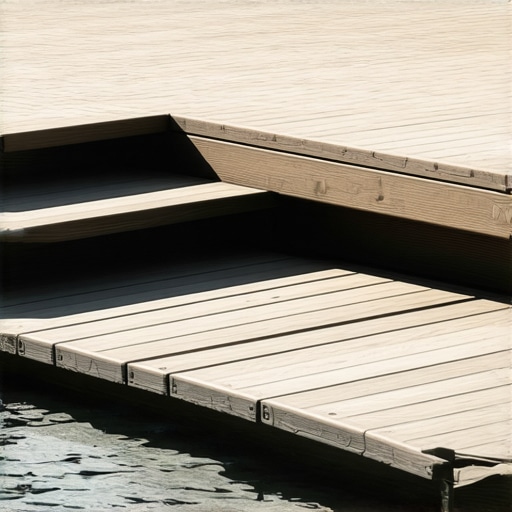 Exploring the stairs that connect different deck levels often reveals another mistake: improper handrail integration. Many think simply installing standard railing suffices, but designing stairs with safety and aesthetics in mind involves nuanced decisions like the optimal height, tread depth, and baluster spacing. Skipping this detail not only invites safety hazards but also diminishes the overall style. For advanced guidance, our top stairs design tips can help you elevate your project.
What about the misconception that all outdoor spaces should mimic the interior’s formality? Instead, embracing a purpose-driven approach—such as optimizing for privacy, entertainment, or dining—can significantly enhance your outdoor experience. Incorporating features like built-in seating, lighting, or privacy screens tailored to your lifestyle results in a more functional and inviting space. Remember, successful outdoor design hinges on knowing your needs and choosing the right materials and features accordingly. Curious how to balance style and utility? Our expert insights can guide you through this process. Have you ever fallen into this trap? Let me know in the comments.
Keep Your Outdoor Living Space in Top Shape
Maintaining a beautiful and functional outdoor deck requires the right tools and a proactive approach. Over time, exposure to the elements can wear down materials and hardware, making regular upkeep essential for longevity and safety.
My Go-To Equipment for Deck Maintenance
I rely heavily on a high-quality power washer like the Kärcher K5 Premium because it offers adjustable pressure control, which is crucial when cleaning composite decking without causing damage. Pair it with a wide-angle nozzle to cover more area efficiently. To apply sealants and stains, I prefer a Wagner Control Pro 150 sprayer; its adjustable pressure helps achieve even coats on large surfaces, saving time and reducing waste.
For inspecting structural integrity, a sturdy digital moisture meter like the
Leveraging Software for Design and Planning
Beyond physical tools, I utilize design software like this planning guide to create accurate layouts, especially when working on complex multi-level decks or stairs. Using 3D modeling helps visualize the finished project, identify potential issues early, and communicate clearly with clients or collaborators.
Predicting Future Trends in Maintenance and Tools
Looking ahead, I believe the integration of smart sensor technology into deck materials will revolutionize maintenance. Embedding IoT devices that monitor moisture and structural integrity could alert you before problems become visible, reducing cost and hassle. Additionally, advancements in eco-friendly, self-cleaning coatings may lessen the need for frequent washing and sealing, making outdoor upkeep more sustainable.
How do I maintain my deck over time? Discover proven methods that keep your outdoor spaces looking pristine for years by adopting regular cleaning, prompt repairs, and using durable, low-maintenance materials like composite decking. For detailed expert advice, check this comprehensive guide.
Take a cue from this approach and try incorporating a cost-effective wiring method into your next project. It’s a small step that can significantly enhance the safety and ambiance of your outdoor space — don’t wait until damage occurs to get started!

Little Lessons That Changed My Outdoor Game
- Don’t Skip Structural Details: I used to think covering the underside of my deck was unnecessary—big mistake. Proper framing and ventilation aren’t just aesthetics; they ensure longevity and safety. Learning to prioritize these details was a game-changer.
- Measure Twice, Cut Once: Precision matters more than I realized. Whether cutting composite boards or framing, taking the extra moment reduces waste and avoids costly rework. This patience paid off in a flawless finish.
- Choose Materials Wisely: At first, I went for the cheapest composite. It looked good initially but wore down quickly. Investing in high-quality, durable materials meant my deck stayed beautiful with minimal maintenance, and I saved money long-term.
- Invest in Good Tools: Using a power washer with adjustable pressure and a reliable sprayer made cleaning and sealing my deck so much easier. Quality equipment isn’t an expense—it’s an investment in lasting beauty.
- Think Beyond the Surface: Incorporating lighting, privacy screens, or decorative panels transforms a basic deck into an inviting outdoor room. These touches add personality and function, turning an ordinary space into a personal oasis.
Tools and Reads That Elevate My Craft
- Deck Design Software: I swear by programs that offer 3D modeling—visualizing my work beforehand saved me headaches and helped me communicate ideas clearly. Explore this guide for top recommendations.
- Durable Fasteners and Hardware: Hidden fasteners revolutionized how I secure decking boards, providing a clean look and long-lasting hold. Pair these with structural screws from reputable brands to avoid future issues.
- Trusted Reading Material: The book “Creative Deck Ideas for Modern Outdoor Living” opened my eyes to options I hadn’t considered, inspiring me to customize my deck according to my needs and style. Check out latest trends and keep your outdoor spaces fresh.
- Inspection Devices: A moisture meter became my best friend, helping detect hidden rot early. Regular inspections with quality tools prevent disaster and extend the life of your outdoor spaces.
Sealing the Deal: Making Outdoor Spaces Last
One of the biggest lessons I’ve learned is that proactive maintenance is key. Regularly cleaning, sealing, and inspecting protect your investment. Remember, choosing the right composite materials and sealing seams prevent moisture intrusion and decay. It’s tempting to ignore these small steps, but they pay off by keeping your outdoor living area stunning and safe for years to come. Now, I approach my deck not just as a project, but as a long-term sanctuary—built with care and attention to detail that truly makes a difference.