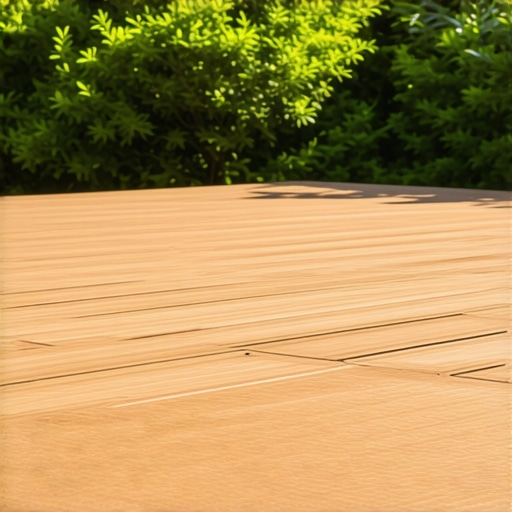
I remember the first time I splurged on a new deck for my backyard. Excited, I ordered what seemed like a great deal from a big box store, only to find that within a few years, the boards had warped, faded, and started to look worse than the old pressure-treated wood I had replaced. That lightbulb moment made me realize: not all composite decking is created equal, especially when it comes to low-budget options.
Why settling for cheap composite decking from big box stores might cost you more in the long run
In this article, I’m going to share what I’ve learned from personal experience and research about the real costs and benefits of affordable composite decking. If you’ve been tempted by the prices at your local hardware store but are worried about durability and appearance, stick around. We’re going to break down the truth, so you can make smarter choices for your outdoor space.
Is Cheap Composite Decking Actually Worth the Hype?
I made the mistake early on of assuming that a lower price meant a good deal. Turns out, I overlooked some critical details. Cheaper options often come with inferior materials, which can lead to issues like mold, warping, or fading prematurely. According to an industry report, only premium composite decking contains the UV stabilizers necessary to resist sun damage over time (source: deckdesignbuild.com). The reality is, if you skimp now, you might end up spending even more fixing or replacing your deck down the line.
But here’s the good news: with proper guidance, you can choose affordable options that still stand up to the elements. It’s about knowing what to look for and understanding the trade-offs.
Have you already faced problems with your existing deck? Or are you trying to avoid costly mistakes from the start? Either way, we’re about to explore how you can identify quality composites, what common pitfalls to avoid, and how to design an outdoor space that really lasts. For a comprehensive guide on selecting the right decking material, check out this resource, which highlights key features to look for.
Stay tuned—next, we’ll look into the crucial factors to consider before making your purchase, saving you trouble and money in the long run.
Choose Quality Materials Without Breaking the Bank
Start by researching brands that balance affordability with durability. Prioritize composite decking with UV stabilizers to prevent fading, even on a tight budget. Visit local suppliers and request sample boards to evaluate texture and color stability. Remember, cheaper is not necessarily better if the boards warp or fade quickly. For detailed guidance, review this resource to identify key features to look for. When applying this, I once picked a seemingly inexpensive board that warped within a year, costing me more in replacements. Now, I always test samples in sunlight before purchasing large quantities.
Accurate Planning and Layout
Measure your space meticulously using a reliable tape measure and note existing features like the house foundation and landscaping. Draft a detailed layout plan, accounting for stair locations and transitions. Use spray paint or string lines to mark the deck outline, ensuring precise placement. A miscalculation here resulted in a step that was too steep, causing tripping hazards. For insights on maximizing space, check this article. Micro-story: I once laid out my deck without a detailed plan, which led to uneven edges and difficult stair placement, ultimately delaying the project and increasing costs. Accurate planning saves headaches and money.
Building a Solid Foundation
Excavate the site to a depth suitable for your climate and local codes. Install concrete footings beneath load-bearing areas, ensuring they are deep enough to prevent shifting during freeze-thaw cycles. Use a carpenter’s level to confirm footings are perfectly aligned horizontally. When I once poured a footing too shallow, the entire structure shifted over time, requiring costly repairs. To prevent this, always follow your local building codes and consider consulting a professional for complicated terrain. Cover the footings with gravel for drainage, reducing moisture contact with the posts.
Frame with Durability in Mind
Attach pressure-treated lumber for the framing, but opt for galvanized or stainless steel fasteners to resist corrosion. Use double joists under seams for added strength, especially where boards butt together. Micro-story: I once used nails that rusted quickly, leading to loose boards and safety hazards. Switching to structural screws fortified my deck’s stability. When assembling, check for level and square frequently—an unaligned frame complicates decking installation and can create uneven surfaces. For comprehensive framing tips, review this guide.
Installing Deck Boards Carefully
Start the installation from one edge, leaving a small gap (about 1/8 inch) for expansion. Use a drill with a depth stop to ensure screws don’t go too deep, avoiding surface damage. Employ hidden fasteners whenever possible for a sleek look that hides screw heads, making it easier to clean and less prone to water infiltration. During my first install, visible screws collected dirt, requiring extra cleaning—hidden fasteners solved this efficiently. Space boards evenly using a TD jig or drill bit as a spacer; inconsistency here can cause aesthetic and safety issues. Follow the drill bit trick for optimal spacing.
Incorporate Practical and Safe Stairs
Design stairs with tread lengths of at least 11 inches and riser heights around 7 inches for comfortable use. Use stair transition techniques to ensure safety and visual flow. Install proper handrails and balusters that meet code requirements—sturdy, spaced appropriately, and weather-resistant. I once built stairs with uneven risers that became trip hazards; refining my measurements and following standards improved safety and appearance. Remember, well-designed stairs are both functional and inviting, so invest time in precision during this phase.When it comes to designing outdoor spaces, many enthusiasts fall prey to misconceptions that can lead to expensive errors. A prevalent myth is that more affordable composite decking always equals lower quality, but in reality, some budget options incorporate the necessary UV stabilizers to withstand sun damage. It’s a misconception worth debunking because selecting the right material requires navigating nuances like resin composition and polymer content. Relying solely on price as a proxy for quality can cause issues such as warping or fading, which are more common with subpar manufacturing processes. Moreover, some assume that building stairs is straightforward, but advanced mistakes, like improper tread rise and run proportions, can compromise safety and comfort. For instance, misjudging the optimal 11-inch tread or 7-inch riser can result in trip hazards or discomfort during use. The trap here is neglecting the importance of precise measurements and code-compliant design, which is vital for seamless transitions and user safety. Curious about the deep details? According to a study published in the Journal of Building Engineering, properly designed stairs with consistent riser heights significantly reduce tripping risks and improve user experience. Always remember, the devil is in the details—small overlooking nuances can turn your project into a long-term headache. Have you ever fallen into this trap? Let me know in the comments. To elevate your outdoor space with confidence, consult comprehensive guides like this resource and avoid common pitfalls.
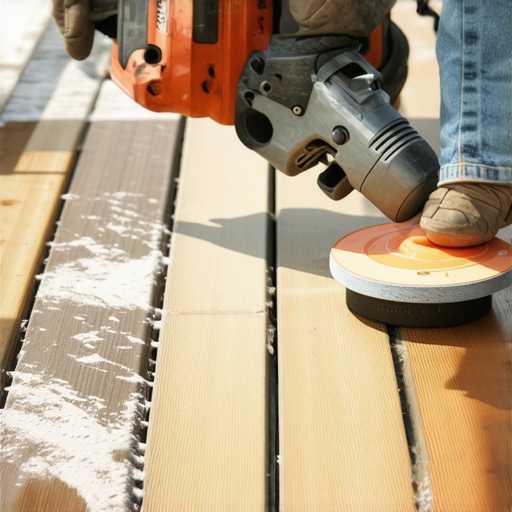
Keeping your outdoor decking in prime condition isn’t just about choosing the right materials; it also hinges on using the proper tools and adopting effective maintenance routines. As a seasoned deck builder, I’ve found that having the right equipment makes all the difference, ensuring long-term durability and a stunning appearance. One essential tool I swear by is an orbital sander with variable speed settings. It allows me to gently smooth out minor surface imperfections on composite boards before sealing or staining, resulting in a flawless finish. In my experience, skipping proper surface prep leads to uneven wear and premature fading, especially on older decks.
For cleaning, I rely on a high-pressure washer equipped with an adjustable nozzle. But here’s a crucial tip: always keep the pressure below 1500 PSI when cleaning composite decking. Excessive force can damage the surface or strip away protective coatings. I’ve seen many DIYers damage their decks because they used too high pressure or held the nozzle too close. A tip from industry experts emphasizes that a controlled, wide spray is best for removing dirt without risking harm (source).
Maintaining your deck over time isn’t just about periodic cleaning; it involves inspecting for wear, tightening fasteners, and applying protective finishes when necessary. I use a torque wrench to ensure all screws and fasteners are recessed properly—this prevents water infiltration and loosening that can lead to safety issues. Regularly applying a high-quality, UV-resistant sealant tailored for composite surfaces can extend the deck’s lifespan, keeping it looking vibrant for years. Trend forecasts suggest that maintenance tools will evolve towards smart, sensor-enabled systems that notify you when routine checks are due—making upkeep even easier in the future.
How do I maintain my composite deck over time?
The key is a disciplined routine of gentle cleaning, periodic inspections, and timely protective treatments. I recommend scheduling a thorough cleaning every 6-12 months with a soft-bristle brush and mild soap, especially after harsh winters or storms. Keep an eye out for loose fasteners or signs of wear—addressing these early prevents costly repairs later. For stairs, paying close attention to the handrails and step edges ensures safety remains uncompromised. Consider professional assessments every couple of years if your deck experiences high traffic or extreme weather conditions.
One advanced maintenance tip I suggest trying is installing deck-mounted LED lighting sensors. These automatically adjust brightness based on ambient light levels, reducing energy consumption and prolonging the lifespan of your fixtures. Incorporating such innovations can elevate your outdoor space’s functionality and aesthetic, aligning with the trend toward smart outdoor living solutions (source), ensuring it remains stunning and safe for years to come.
In conclusion, the combination of the right tools—like orbital sanders and adjustable pressure washers—and consistent, mindful maintenance routines will protect your investment in outdoor living. Remember, the effort you put in today—with simple upgrades like installing sensor-enabled lighting—can pay dividends by minimizing future repairs and enhancing your outdoor experience. Don’t hesitate to try out one of these advanced tips, such as integrating smart lighting controls, to see how they transform your deck maintenance routine.
What I Wish I Knew When Building My First Deck
After years of transforming outdoor spaces, I’ve realized that the true lesson lies not just in choosing materials, but in recognizing the subtle signs of quality that often go unnoticed. I once bought a seemingly affordable composite board, only to discover it faded faster than I expected, reminding me that durability isn’t always visible upfront. That experience taught me to scrutinize UV stabilizers and resin quality, which are critical for long-term performance. Now, I trust brands that prioritize innovation and transparency, knowing they offer better value over time.
Tools & Resources That Changed My Approach
One game-changer was investing in a high-quality orbital sander, which helped me prep surfaces flawlessly for sealing or touch-ups. Reading industry-specific guides on selecting resilient composite materials gave me confidence in my choices. Additionally, I rely on tutorials about proper joist spacing and stair design from expert insights for seamless transitions. These tools and sources continually refine my craftsmanship and understanding, making every project more successful than the last.
Embracing a Longer View on Outdoor Building
Building durable outdoor spaces isn’t just about today’s aesthetics; it’s an investment in your future happiness. Taking the time to measure precisely, plan meticulously, and select materials aligned with your climate can save you years of repairs. Remember, the magic often happens in the details—hidden fasteners, proper drainage, and elevated footings aren’t glamorous but are essential. My advice? Don’t rush the process; each thoughtful step multiplies your deck’s lifespan and your enjoyment. Why settle for fleeting beauty when you can craft something that ages gracefully and remains inviting for decades? Want to see how a well-designed, low-maintenance deck transforms your outdoor experience? Dive into this inspiring guide for actionable ideas.