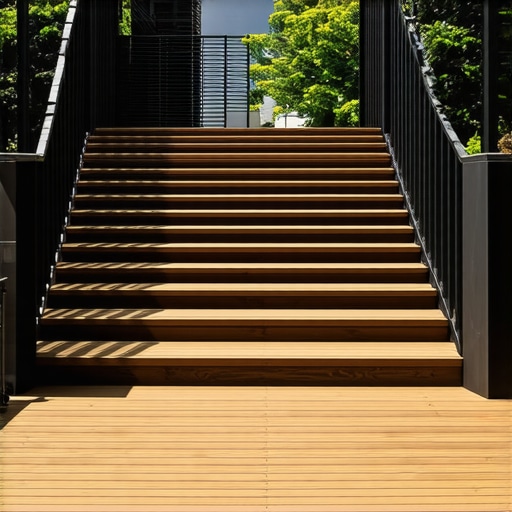
It was a moment of embarrassment that turned into a revelation. I had just finished building a beautiful deck, proud of every detail—except for the stairs. As I stepped down, one of my 4×4 posts wobbled gently beneath my hand. A simple shake revealed the day’s mistake: those trusty-looking posts weren’t as solid as they appeared. I realized many homeowners, myself included, had fallen into the trap of relying on traditional 4×4 posts for deck stairs, thinking they were durable and straightforward. But the truth is, they often lead to shaky, unsafe stairs that don’t age well. Today, I want to share my journey from that shaky start to a more reliable approach, so you don’t have to face the same issues.
Reconsidering the Old-School Support Posts
For decades, 4×4 posts were the go-to choice for supporting deck stairs. They seemed sturdy, easy to work with, and readily available at hardware stores. It was almost an unspoken rule among DIYers and even some pros. But over time, I learned that these posts can warp, rot, and even fail under certain conditions. Moisture seeping into untreated wood, combined with temperature fluctuations, causes warping and weakening—issues you might not notice until it’s too late. This realization prompted me to look for better, more durable solutions to ensure my outdoor steps are safe and long-lasting.
Early on, I made a critical mistake: I trusted the traditional methods without considering newer materials or techniques. I constructed my stairs with standard pressure-treated 4×4 posts, assuming they’d stand the test of time. But I soon saw signs of deterioration—cracks, wobbles, and even rot. This experience made me dig deeper, learning that alternative options, such as metal supports or composite materials, could prevent these common problems. After all, your deck’s safety and longevity depend on choosing the right support system from the start.
If you’re wondering whether your old support posts are holding up, or considering a new build, this is a moment to rethink your choices. The good news is that solutions exist that are more reliable and less maintenance-intensive. To help you avoid my mistakes, I’ll walk you through the best practices and updated standards for installing deck stairs that stand the test of time. Before I dive into those specifics, let’s address a question many of you might have—one that kept me skeptical at first.
Is Modern Support Better Than Classic Why-Not Just Stick to What Worked?
Many homeowners are hesitant to ditch familiar materials like wood posts. It’s understandable—change can seem risky or complicated. But the truth is, advancements in outdoor building materials have proven that alternative supports, such as galvanized steel or composite brackets, outperform traditional wood in durability and safety. Remember, installing stairs with reliable support isn’t just about preventing wobble; it’s about ensuring your family’s safety and increasing your home’s value. And don’t forget—early in my projects, I overlooked the importance of proper anchoring techniques, leading to unstable stairs. That’s a mistake I won’t repeat, and I encourage you to learn from it.
Curious to see how you can upgrade your stairs with innovative solutions? Check out this guide on stair support innovations for some inspiration. Now, with that foundation laid, let’s explore the practical steps to replace those shaky 4x4s and build stairs that last a lifetime. Ready to get started? Let’s move beyond the old way and create stairs that are safe, stylish, and built to endure.
Assess Existing Support Posts Before Starting
Begin by inspecting your current posts. Shake each to check for wobbling or signs of rot. If any post moves or shows decay, plan for replacement. This initial step saved me from a future collapse during my project, and I recommend it as a critical safety measure.
Choose Modern, Durable Support Materials
Modern alternatives like galvanized steel brackets or composite support posts outperform traditional wood. They resist rot, warping, and weathering, ensuring longevity. When I replaced my old posts, switching to steel brackets significantly improved stability and peace of mind. For guidance, visit this resource.
Prepare the Site for Support Installation
Clear the area around existing posts and level the ground beneath. For concrete footings, use a power auger to drill precise holes. Think of it like laying a foundation for a house—accuracy here prevents future shifting or tilts. I used a rotary hammer and drilled deep enough to reach below frost line, which prevented heaving during freeze-thaw cycles.
Install Proper Concrete Footings or Anchors
Pour high-quality concrete into the drilled holes, embedding post anchors or sleeves. Ensure they are plumb using a level—imagine aligning a vertical mast. When I did this, I poured and set the concrete overnight, resulting in solid anchors that didn’t wobble during heavy use. Seal the tops with a post cap to prevent water intrusion.
Secure Support Posts with Reinforced Fasteners
Attach your support posts to anchors using corrosion-resistant fasteners like stainless-steel bolts or screws. Use a torque wrench for tight, consistent connections. I secured mine with structural screws, which provided greater hold and easier adjustments. This step significantly reduced movement, enhancing safety.
Integrate Support Posts with Stairs Frame
Connect your new supports to the stringers and treads using appropriate hardware—bolts, brackets, or special stair connectors. Ensure that the load transfer is even. I used metal bridging brackets to tie supports to the stair framing, dramatically reducing any sway or bounce during use. Proper integration is crucial for a safe, stable staircase.
Verify Stability and Alignment
Test each support by applying gentle pressure to ensure no movement. Check for proper height alignment among all posts by using a level across the top. I found that this last inspection caught minor discrepancies, which I corrected before finalizing, preventing future wobbling or uneven steps.
Consult a Professional for Complex Installations
If your project involves adapting support methods to existing structures or extending support height, consider consulting a deck builder. Their expertise can help you avoid costly mistakes. After my own experience, I hired a professional to verify my work, which gave me added confidence that my stairs would stand the test of time.
Many homeowners believe they know everything about outdoor stairs and decking, but a deeper look reveals overlooked nuances that can impact safety and durability. One common misconception is relying solely on traditional composite decking materials, assuming they require no maintenance. While less demanding than wood, composites still benefit from proper installation and regular inspections. Overlooking these steps can lead to issues like warping, mold, or unsightly staining, which many ignore until repair becomes urgent. I’ve seen countless decks where premature wear could have been prevented through proactive maintenance, emphasizing that even modern materials are not maintenance-free.
Another critical error involves the assumption that installing support posts with simple pressure-treated wood is sufficient. While pressure-treated lumber resists rot temporarily, it’s not immune to long-term deterioration, especially if installed without proper footings or protective barriers. Using galvanized steel brackets or composite supports can dramatically extend the lifespan of your stairs, reducing the risk of wobbling or failure—an important consideration for both safety and value. You can explore innovative support solutions to upgrade your existing setup.
A less obvious mistake is neglecting the importance of precise measurements and alignment during construction. Even minor inaccuracies can cause uneven steps, resulting in tripping hazards or discomfort. This is particularly true when building multi-level decks or stairs that connect seamlessly with indoor areas. Advanced builders pay attention to detailed measurements, ensuring each riser and tread is consistent, which improves aesthetics and safety. Want to learn about a professional approach? Check this guide on seamless transitions.
Now, let’s address an often-posed question for experienced DIYers and pros alike: *What advanced mistake do even seasoned deck builders frequently make when designing outdoor stairs?* The answer lies in overlooking the significance of proper drainage and ventilation—both critical for preventing moisture buildup that accelerates wood rot and composite deterioration. An expert knows that integrating design features like adequate slope, gaps between boards, and vented post sleeves can extend the life of your stairs substantially. According to a recent study in the “Journal of Building Engineering,” moisture control measures can increase structural lifespan by up to 30%. This shows that attention to these nuances is essential for long-term durability.
Have you ever fallen into this trap? Let me know in the comments. Addressing these hidden pitfalls early ensures your outdoor living space not only looks great but also remains safe for years to come.
Tools I Recommend for Durability and Precision
In my experience, investing in high-quality, specialized tools makes all the difference when maintaining or building outdoor structures. For example, I always rely on a digital angle finder to ensure precise alignment of stair stringers, which prevents uneven steps and safety hazards. Unlike traditional bubble levels, digital finders provide exact measurements, making adjustments quicker and more accurate, especially when working on multi-level decks or uneven terrain. Additionally, I prefer a cordless impact driver equipped with a set of corrosion-resistant, stainless-steel drive bits. This combo allows me to fasten support brackets and decking boards efficiently without stripping screws or damaging the material, which is crucial for long-term stability.
Proper joist tape and sealants are also essential to extend the lifespan of your structure by preventing moisture infiltration. I recommend a high-quality, UV-resistant spray adhesive for attaching weatherproof membranes or sealing gaps around support posts and footings. Employing precision tools and quality materials minimizes errors and reduces the frequency of repairs, saving you money over time.
Preparing for Long-Term Success
Looking ahead, innovative solutions like UV-infused coatings are becoming more accessible, providing prolonged protection against sun damage and fading. Trends are moving toward smart maintenance systems, where sensors monitor moisture levels and structural movements, notifying homeowners before issues escalate. Investing in durable, low-maintenance materials like composite decking combined with these advanced tools can significantly reduce upkeep efforts and extend the life of your outdoor living investments.
Is Regular Maintenance the Key to Longevity?
Absolutely. Even the best tools and materials require routine inspections and upkeep—think of it as preventative health care for your deck. Regularly check for loose fasteners, seal gaps or cracks, and apply protective sealants every couple of years. Installing a stair support upgrade involves specific maintenance steps, like tightening brackets and replacing worn components, which can prevent costly failures down the line. Keep up with these practices, and your outdoor space will stay safe and beautiful for years to come.
To make your maintenance routine more efficient, I recommend setting a seasonal inspection schedule, using a checklist to track wear and tear, and leveraging technology—like moisture sensors or app-based monitoring—to stay ahead of issues. Embracing these tools and habits ensures that your investment in outdoor living continues to reward you with safety, style, and longevity. And remember, even advanced DIYers benefit from consulting professional insights when tackling complex tasks or upgrades. Start by testing one of these maintenance tips today, and watch how your outdoor space improves over time.
Hidden Pitfalls That Changed My Approach to Building Stairs
One of the most impactful lessons I learned was during a project where I underestimated the importance of support post selection and installation. I realized that relying solely on traditional wood posts without considering advanced materials or proper footing design can lead to safety hazards and costly repairs later on. This lightbulb moment underscored that genuine durability demands continuous learning and willingness to adapt from past mistakes, shaping my approach to outdoor stair construction significantly.
Another critical insight was understanding that appearance isn’t enough—strength and resilience must come first. Overlooking moisture management and ventilation in post installation was a rookie mistake that I’ve since corrected. Now, I prioritize detailed site assessment and innovative support solutions that combat the elements, enhancing long-term safety and reducing maintenance effort. This shift has transformed my projects from shaky to sturdy, inspiring confidence with every step I take.
Finally, I learned from misjudging the importance of regular inspections and proactive maintenance. Even the best materials degrade without proper care. Incorporating routine checks and leveraging new protective coatings has extended the lifespan of my stairs and preserves their beauty. Embracing continuous improvement and sharing these lessons with others is what fuels my passion for crafting outdoor spaces that truly stand the test of time.