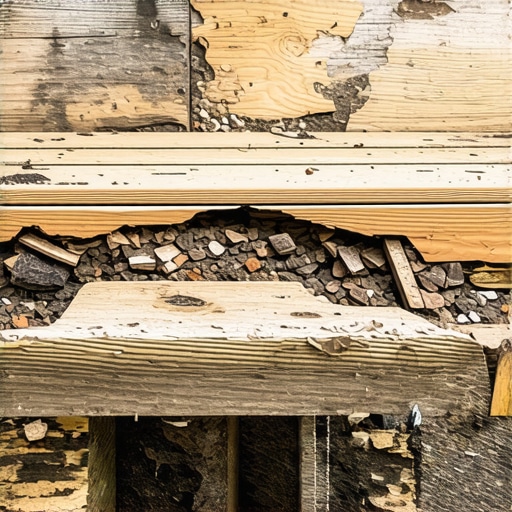
It was a sunny Saturday afternoon when I finally decided to tackle my deteriorating deck stairs. As I stepped onto the first riser, I felt a sudden wobble. That sinking feeling hit me hard — I’d been ignoring the warning signs for too long. It wasn’t just about aesthetics; it was a safety issue that could have been avoided.
The Hidden Reason Why Your Deck Stairs Fail First
Deck stairs are often the first part of your outdoor living space to show signs of wear and tear. Take it from me — early on, I made the mistake of ignoring minor cracks and splinters, thinking they were just cosmetic. But over time, those small issues compounded, leading to rot and structural weakness.
What I didn’t realize back then is that the design and materials of stairs make them especially vulnerable. Unlike the deck surface, stairs experience continuous foot traffic, and their vertical orientation exposes them directly to rain, snow, and moisture. Water naturally wicks into the smallest crevices — and if it’s not properly sealed or ventilated, rot is guaranteed.
Did you know that poorly designed or installed stairs can rot in as little as five years? An external study emphasizes that inadequate drainage and improper flashing significantly accelerate this process, often unnoticed until it’s too late.
Because I failed to pay close attention early on, I ended up replacing most of my stringers and treads — a costly and time-consuming lesson. That’s why I’m sharing my experience: to help you avoid the same pitfalls.
In today’s post, I’ll reveal how proper design, materials, and maintenance can dramatically extend the life of your deck stairs. Whether you’re planning new construction or troubleshooting existing problems, understanding these fundamentals can save you money and, more importantly, ensure safety.
If you’ve ever faced that unsettling wobble or noticed wood splinters, you’re not alone. Let’s dive into the key reasons behind stair rot and how to protect your outdoor investment for years to come. For more ideas on elevating your deck’s style and durability, check out [top stairs design tips](https://deckdesignbuild.com/elevate-your-home-top-stairs-designs-for-modern-outdoor-spaces). Now, let’s look at some common misconceptions that might be sabotaging your efforts.
Prioritize Material Selection for Long-Lasting Stairs
Choose durable, rot-resistant materials like composite or pressure-treated wood designed for outdoor use. During my project, I opted for capped composite treads, which resist moisture and fading, ensuring longevity without constant maintenance. This choice prevented me from future replacements and kept my stairs looking sharp years after installation.
Accurate Measurement and Leveling Make a Difference
Measure your stair stringers precisely, using a framing square or a stair gauge, to achieve consistent heights. I once mismeasured my first stringer, leading to uneven steps, but after re-measuring with a digital level, I ensured all were uniform. Proper leveling prevents wobbling and creates a safe, comfortable ascent.
Use Proper Support and Secure Fastening Techniques
Secure stringers to the ledger board with heavy-duty brackets or concrete anchors, and fasten treads with corrosion-resistant screws. I learned to avoid nails, which loosen over time, opting instead for stainless-steel screws with a power drill. This secured the steps solidly, reducing any wobble or bounce.
Implement Effective Drainage and Ventilation
Design your stairs to promote water runoff, such as installing slight slopes or drainage gaps under treads. I added small weep holes at the bottom to facilitate evaporation, preventing water from pooling and causing rot. Proper drainage significantly extends your stairs’ lifespan.
Seal and Protect Your Wooden Components
Apply a high-quality, water-resistant sealant to all wood surfaces before installation and reapply annually. In my experience, sealing my composite treads prevented staining and kept dirt at bay, maintaining their appearance. Consistent sealing is a simple step that pays off with durable, attractive stairs.
Regular Maintenance for Ongoing Safety
Inspect your stairs monthly for loose fasteners, cracks, or damage. Clean debris and leaves promptly to prevent moisture retention. I found that a quick inspection saved me from trip hazards, and replacing worn fasteners avoided more costly repairs later. Routine upkeep is vital for injury prevention and maintaining your deck’s appeal.
Applying these steps transformed my worn-out stairs into a safe, attractive feature of my outdoor space. The process might involve some mess and adjustments, but the result is well worth the effort, providing peace of mind and enhanced enjoyment of your deck area.
Many outdoor enthusiasts and DIYers often fall prey to common misconceptions when designing or upgrading their decks. One widespread myth is that choosing the best-looking composite decking guarantees longevity, but in my experience, overlooked factors like proper ventilation and drainage are crucial for durability. For instance, many assume that all composites are equally maintenance-free; however, higher-quality capped composites resist staining and fading more effectively, as highlighted in a recent industry study.
A frequent oversight is neglecting the importance of precise measurements and support structures. While it might seem minor, even slight inaccuracies in stair stringer angles can lead to wobbliness or early rot, especially when combined with poor support support and fasteners. Advanced builders understand that engineering principles—like load distribution and moisture management—are essential for long-lasting outdoor structures.
One advanced nuance often missed is the impact of environmental conditions on material performance. For example, shaded areas may cause mold buildup on composite surfaces despite their resistance to staining, requiring enhanced sealing protocols. Recognizing such microclimate effects can dramatically extend your deck’s lifespan.
H3: How does climate influence the choice of decking materials and support designs?
Climatic factors dictate the specifications for fixing methods and materials. In humid regions, waterproof underlayment and corrosion-resistant fasteners prevent rot and structural failure. In arid zones, UV-resistant coatings limit fading and degrade. Consulting with a professional deck builder or referring to detailed guides, such as those available at [deckdesignbuild.com](https://deckdesignbuild.com/the-benefits-of-working-with-a-professional-deck-builder-in-your-outdoor-projects), can help navigate these nuanced considerations.
Some pitfalls are so subtle that they cause failures years after installation, like improper flashing, which can lead to hidden water intrusion and rot. According to experts, a simple oversight during flashing installation can cut the lifespan of your deck in half. Therefore, investing in proper techniques, even if they seem trivial initially, pays off long-term.
Understanding these intricacies ensures your outdoor space remains safe, functional, and beautiful. Don’t forget—regular inspections and proactive maintenance are your best defenses against these advanced pitfalls. Have you ever fallen into this trap? Let me know in the comments, and explore more expert insights at [transform-your-space](https://deckdesignbuild.com/transform-your-space-expert-deck-builder-tips-for-stunning-outdoor-living).
Keep It Running: Essential Tools for Maintenance and Repair
Maintaining your outdoor living space demands specialized tools that balance precision with durability. I swear by my cordless impact driver for installing fasteners; its power and size make quick work of securing composite decking and stair supports without stripping screws. The trick is using a bit with the correct diameter—preferably a #2 square-driving bit—to ensure a tight fit and reduce wear over time. For measuring and leveling, my laser level is indispensable; it projects a bright, accurate line across long spans, ensuring that stairs are perfectly aligned and deck surfaces are flat, preventing wobbling or uneven wear.
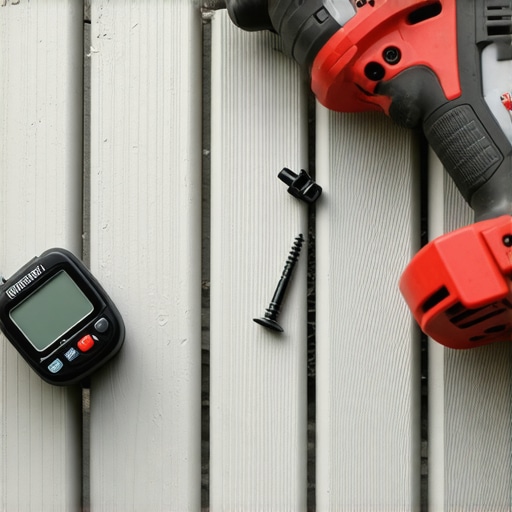
When it comes to inspecting for rotting or structural issues, I recommend a moisture meter like the Tramex M175. It helps identify hidden moisture pockets behind siding or within joists, preventing costly repairs down the line. Otherwise, a sturdy pry bar is great for testing the integrity of stairs or decking boards that look fine on the surface but might be compromised underneath.
Software and Planning—Making Maintenance Smarter
Today, digital tools play a vital role in long-term maintenance. I use project management apps like Trello to track scheduled inspections, sealant reapplications, and fastener replacements. Detailed planning with such software helps prevent small issues from snowballing, keeping your deck safe and attractive longer. For more detailed design modifications, my favorite is SketchUp, which allows me to visualize future changes and ensure support structures are correctly placed before starting work. This approach minimizes errors and saves time and money.
Future Trends in Outdoor Maintenance
Looking ahead, I believe the integration of IoT (Internet of Things) sensors in decks will revolutionize upkeep. Imagine moisture sensors embedded into critical areas that send alerts to your phone if rot or water intrusion occurs—no more waiting for visible signs or gut feelings. As technology becomes more affordable, embracing these innovations will be vital for long-term outdoor living success.
Questions: How do I maintain my deck and stairs over time?
The key is regular inspections coupled with proactive repairs. Replace fasteners before they loosen, reapply sealants annually, and keep debris clear to prevent moisture buildup. Incorporate high-quality materials like capped composites, which resist weathering and staining, thereby reducing maintenance needs. Remember, the more you invest in preventative care now, the longer your deck and stairs will stand strong—think of it as future-proofing your outdoor space. For deeper insights, check out this comprehensive guide.
Trying a professional-grade moisture meter or upgrading your fasteners to stainless steel can significantly improve your results. Experiment with incorporating smart moisture detection to stay ahead of potential problems, and you’ll see a dramatic extension in your outdoor structure’s lifespan.
Top Secrets That Transformed My Outdoor Space
One of the toughest lessons I learned was that proper planning and attention to detail can save you a lot of headaches down the line. I realized that investing in quality materials and meticulous measurements doesn’t just improve aesthetics but is crucial for safety and longevity. Mistakes like skipping waterproofing or underestimating support support often seem minor at first but can lead to costly repairs or dangerous wobbling years later.
Another insight is that regular maintenance is your best friend. Simple routine checks, sealing, and quick fixes can double the lifespan of your stairs and prevent hidden rot. I found that scheduling inspections with digital planning tools keeps track of what needs attention—making maintenance less overwhelming and more effective.
Finally, understanding environmental influences, like humidity and shade, dramatically impacts how materials age. Choosing the right deck support structures and protective coatings suited to your climate is a game changer in outdoor living projects.
My Toolbox for Building Better Decks and Stairs
The tools I swear by include my cordless impact driver, which simplifies fastening composites without damaging the material. A laser level is essential for ensuring perfectly aligned stairs and even decking surfaces. For detecting hidden issues, a moisture meter like the Tramex M175 helps prevent unseen rot before it becomes a problem. These tools have personally saved me time, money, and frustration, and I highly recommend them if you’re serious about creating durable outdoor features.
Looking beyond tools, I rely on insightful resources like this guide on custom composite decking to inspire innovative designs that stand the test of time. Expert blogs and community forums also provide invaluable tips on tackling specific challenges, ensuring you’re never alone in your outdoor living journey.
Your Turn to Reinvent Your Outdoor Oasis
Remember, good outdoor living spaces don’t happen by chance—they’re built with intention, quality, and a bit of patience. Whether you’re repairing existing stairs or creating a new deck, applying these lessons will help you build safely and beautifully for years to come. Don’t wait until wobbling or rot force your hand—start planning and maintaining today for an outdoor space that truly reflects your style and care.
What’s the biggest challenge you’ve faced with your deck or stairs? Share your story below, and let’s learn from each other’s experiences!
,