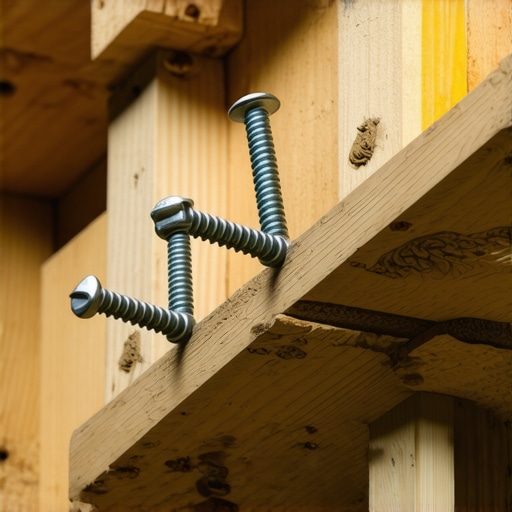
Years ago, I eagerly built a beautiful new set of stairs for my deck. I thought I had everything covered—carefully measured every step, chose the perfect composite decking, and even picked a stylish railing design. But when it came time to fasten everything together, I reached for a bag of carriage bolts, assuming they’d be the strongest and most reliable choice. That was until I experienced my first major headache—wobbly stairs that creaked and loosened over time. It was a lightbulb moment that prompted me to rethink my fasteners.
Discovering the Power of Structural Screws Over Carriage Bolts
Fastening outdoor structures might seem straightforward, but the right hardware can make all the difference in durability and safety. I realized that while carriage bolts are often praised for their strength, they aren’t always the best choice for decks and stairs, especially when dealing with composite materials. Since then, I’ve made it a point to use stainless-steel structural screws—and my projects have never looked back. These screws offer a tighter grip, resist corrosion, and stay secure longer, even with constant exposure to weather elements. Today, I want to share why this simple switch can drastically improve your outdoor projects and save you money and frustration in the long run.
Are You Skeptical About Structural Screws Being Strong Enough?
I remember early on thinking, “Can screws really match the holding power of carriage bolts?” After all, bolts are often seen as the gold standard for heavy-duty connections. But I made the mistake of underestimating how advancements in screw technology can surpass traditional fasteners. In fact, modern structural screws are engineered specifically for outdoor use—they feature high grip torque, corrosion resistance, and are designed to handle the stresses of stairs and decks. Choosing the wrong fastener can lead to costly repairs or even safety hazards. If you’ve ever experienced loose railings or uneven stairs, you’re not alone. Many DIYers and even some professionals overlook the importance of proper fasteners, which is why I recommend giving structural screws a serious look. Want to see how they compare in performance? Check out our inspiring deck ideas to understand how the right hardware completes the build.
Preparing Your Materials for a Lasting Construction
Before you start assembling, select high-quality stainless-steel structural screws designed for outdoor use. These feature enhanced grip and corrosion resistance, crucial for stairs that endure weather exposure. In my recent project, I used these screws to replace traditional nails, which resulted in a noticeably sturdier and longer-lasting structure. Make sure to gather appropriate drill bits and a torque driver for efficient fastening, simulating the precision of a skilled carpenter.
Ensuring Precise Measurements and Cuts
Accurate measurements are the foundation of safe stairs. Use a carpenter’s level and a tape measure to mark all components meticulously. For instance, I once miscalculated the riser height, leading to uneven steps that felt awkward underfoot. To avoid this, double-check all measurements, especially on angled cuts or curved stringers. Cutting the stringers with a saw fitted with a fine-tooth blade will give you clean, precise edges that fit seamlessly together, much like puzzle pieces.
Installing Stringers with Focused Technique
Secure the stringers to your deck frame first, using the structural screws through the top plate. Drill pilot holes to prevent wood splitting, particularly important when working with composite decking, which can crack if overtightened. Use a speed square to align your cuts and measure the run and rise for each step, ensuring consistency. I once built a curved set of stairs with this method, which added elegance, but I had to constantly recheck alignment as I progressed to prevent missteps that could be dangerous.
Anchoring the Stringers Tightly
Fix each stringer securely to the ledger board and framework, using multiple screws per connection point. Avoid the temptation to over-tighten, which can strip the screw or damage the material. Instead, tighten incrementally, ensuring a snug fit. This careful step prevented wobbling and noise over time, similar to a well-tuned musical instrument, producing a solid foundation for your stairs.
Attaching Treads and Risers for Stability
Lay the composite treads last, fastening them with screws spaced evenly, typically every 12 inches. Pre-drilling holes prevents cracking and allows for seamless, straight fasteners. Seal the screw heads with color-matched caps or plug them with matching composite filler to create a professional look. During my last build, I cleaned off excess debris and double-checked the alignment after each step, which made the final appearance more uniform and the stairs safer to use.
Final Checks and Weatherproofing
Before finishing, inspect all fastenings for tightness and confirm the steps are level and evenly spaced. Apply a weatherproof sealant or a maintenance coat of stain designed for composite materials to prolong the lifespan. I noticed that a careful weatherproofing job saved my deck from early wear and tear, especially on the exposed stringers and lower steps. Ensuring proper drainage and considering layouts with a slight slope can prevent water accumulation, which is vital for outdoor structures.
Many outdoor enthusiasts and DIYers operate under common misconceptions that can compromise safety and durability. While it’s easy to assume that choosing the right materials or following basic measurements guarantees success, the nuanced details often make or break your project. For example, a frequent mistake is underestimating the importance of proper framing techniques to prevent wobbliness and chains of failure over time. Although wood choice is crucial, advanced builders understand that installation methods—like precise joist spacing or proper flashing—are equally vital for longevity.
One myth I often encounter is that composite decking is entirely maintenance-free. In reality, neglecting proper sealing and drainage can lead to mold, fading, and even structural issues down the line. It’s a savvy move to stay updated on the latest trends, such as the burgeoning variety of composite decking innovations that enhance durability and aesthetic appeal.
How Do Advanced Fastening Techniques Impact Long-Term Performance?
Many assume that standard nails and screws are sufficient, but seasoned builders know that specialized fasteners—like hidden fasteners or corrosion-resistant screws—offer a significant advantage. Using low-quality hardware can result in loose, squeaky, or even unsafe stairs. For instance, installing deck boards with stainless-steel fasteners not only prevents rust but also maintains tightness despite weather fluctuations. Over time, this subtle detail ensures your deck stays safe and beautiful for years, saving you on costly repairs.
Another overlooked nuance is the importance of proper slope and drainage plans. Water pooling can cause wood rot, warping, and slide-offs, especially on curved or multi-level decks. A meticulous approach to grade and waterproofing, supplemented by regular inspections, is often the unsung hero of outdoor living success. This aspect is often assumed to be a minor detail but can significantly extend the lifespan of your custom deck or stairs.
Building safe, durable outdoor structures requires more than just basic skills—it’s about mastering the intricate details that most overlook. For inspiration and technical insights, visit our design ideas collection and stay ahead of common pitfalls. Remember, effective planning and attention to nuanced details can turn a simple project into a long-lasting masterpiece.
Have you ever fallen into this trap? Let me know in the comments.
Maintaining your outdoor stairs and decking doesn’t have to be an ongoing headache if you invest in the right tools and follow a disciplined routine. As a seasoned deck builder, I’ve learned that using precise, high-quality equipment not only prolongs the lifespan of your project but also makes upkeep more manageable over the years. One of my favorite tools for maintenance is a cordless impact driver with adjustable torque settings. This versatile device allows me to tighten or loosen screws and bolts without overdriving, which can damage composite materials. I prefer impact drivers over traditional drill/drivers because they provide more torque with less user fatigue and help prevent stripping fasteners—something crucial when dealing with corrosion-resistant stainless-steel screws.
Another essential piece of equipment is a magnetic screw holder. This simple device ensures you won’t lose tiny fasteners, especially when working on the upper parts of your stairs or around tricky corners. It speeds up the process and keeps your work neat. When it comes to cleaning and ongoing maintenance, I recommend a high-pressure washer with adjustable nozzles. This tool is invaluable for removing dirt, mold, or debris that collect on composite decking, which can cause fading or mold growth if neglected. However, be mindful of the pressure and distance—too high, and you risk damaging the surface or dislodging fasteners.
For inspections and detailed checking, a digital level or laser line leveling tool can be game-changers. These devices help ensure your stairs remain perfectly level over time, and you can quickly identify areas needing reinforcement or re-tightening. Regular inspections using these tools mean you’ll catch and fix issues before they escalate into unsafe or expensive problems.

Looking toward the future, advancements in composite decking materials are promising longer-lasting, low-maintenance options that will require even less upkeep, especially if paired with proper cleaning tools. The trend leans toward sustainability and durability, meaning you’ll want to stay equipped with the latest in protective coatings and fastener technologies.
How do I maintain my deck over time?
Long-term upkeep involves regular inspections, cleaning, and component tightening. Using the right tools—impact drivers for fasteners, magnetic screw holders for small parts, and adjustable pressure washers—makes that process more efficient and effective. Remember, a little proactive maintenance now—like checking fastener tightness every season—can prevent extensive repairs later and keep your outdoor living space safe and beautiful for years.
Incorporate these tools into your routine, and you’ll find maintaining your stairs and deck becomes much less of a chore. Plus, staying up to date with emerging trends in composite materials will help you prepare for next-generation outdoor projects. For example, exploring innovative composite decking ideas can inspire upgrades that are both stylish and easy to care for. Don’t be afraid to try upgrading your maintenance toolkit or adopting new techniques—your outdoor space will thank you for it.
Learning from My Biggest Fastening Failures
One of my most eye-opening lessons was realizing that not all screws are created equal—especially when it comes to outdoor stairs. I once thought simply choosing the most corrosion-resistant screws would suffice, but I underestimated the importance of proper installation techniques and fastener quality. That mistake led me to reclaimed time and extra materials, showing me that a small detail like screw type can have a huge impact on safety and longevity.
How Overconfidence Can Sabotage Your Outdoor Projects
I used to believe that measuring once and cutting confidently was enough, only to find days later that miscalculations resulted in uneven risers and uneven steps. The breakthrough for me was understanding the critical importance of double-checking every measurement—no matter how experienced you are. This precision not only improves aesthetics but also prevents safety hazards, especially with composite decking, which can crack if nailed or screwed improperly.
Why Upgrading to Professional-Grade Tools Transformed My Results
Investing in a quality torque driver and a magnetic screw holder revolutionized my workflow. These tools helped me achieve consistent fastening, reduce material waste, and maintain a cleaner worksite. I discovered that having the right equipment isn’t a luxury—it’s a necessity for building durable, safe outdoor stairs that stand the test of time, especially when working with demanding materials like composite decking. For my projects, I rely on tools I trust—like the impact driver and calibrating my measurements with laser levels.
Curated Guide to Elevate Your Building Skills
My go-to reference for advanced techniques and materials is the comprehensive [deck design and build resource](https://deckdesignbuild.com/maximizing-outdoor-space-inspiring-deck-and-stair-ideas-for-every-budget). I also appreciate [innovative outdoor living ideas](https://deckdesignbuild.com/innovative-outdoor-living-ideas-with-composite-decking-in-2025) that keep me inspired to incorporate the latest trends. Books like “Building Safe Decks for Lasting Enjoyment” have provided me with technical insights that I still turn to, especially when planning multi-level stairs or intricate layouts. These resources help me feel confident knowing I’m following a proven path toward quality craftsmanship.
Seize Your Opportunity to Master Outdoor Stairs
Building outdoor stairs may seem straightforward at first, but paying attention to the nuanced details transforms a simple project into a masterpiece of safety and design. With the right mindset, tools, and knowledge, you’re well-equipped to create stairs that are not only functional but also a beautiful feature of your outdoor space. Remember, every mistake is a chance to learn—embrace the process and push your skills further. Let your outdoor stairs be a testament to your dedication and eye for quality craftsmanship. Ready to take your next step? Share your experience below—have you ever struggled with a specific step or fastening issue? I’d love to hear your story and help you troubleshoot.