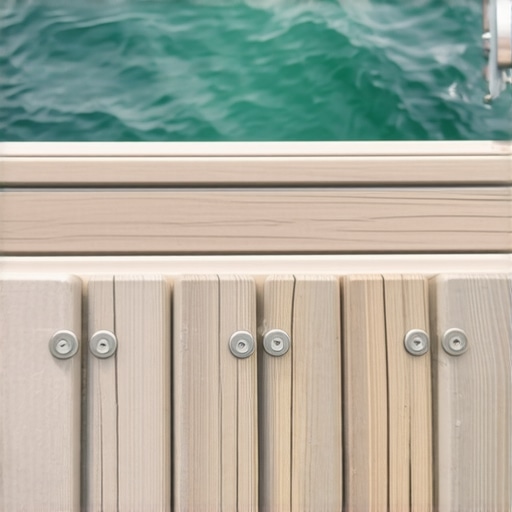
I remember the first time I watched a customer’s backyard oasis turn into a war zone of rust and corrosion. It was an eye-opening moment that sparked my obsession with stainless steel screws. There’s nothing quite like investing in a beautiful deck near water, only to see it slowly deteriorate because of overlooked hardware choices. Have you ever faced the frustration of costly repairs or quick wear on outdoor fixtures? If so, you’re not alone.
Why Hardware Matters More Than You Think
Outdoor decks in humid, salty environments demand more than just good-looking boards and sturdy framing; they require hardware that can withstand relentless moisture, salt air, and seasonal changes. Early in my career, I made the mistake of using galvanized screws for a seaside project. The results? Within a year, the fasteners and surrounding wood showed significant rust, ruining the deck’s appearance and compromising its structural integrity. That mistake taught me a valuable lesson: not all fasteners are created equal, especially when water is involved.
Interestingly, studies reveal that even galvanized screws, which are supposed to resist rust, often fail in salt-laden atmospheres. The corrosion can start subtly but accelerate quickly, leading to loose boards and dangerous wobbles. That’s why I now choose stainless steel screws for every deck near water, ensuring longevity, safety, and peace of mind.
If you’re tired of watching your outdoor investment fade away, stay tuned. I’ll walk you through why stainless steel is the superior choice and how it can save you time, money, and frustration in the long run. But first, let’s address one of the biggest skeptics’ worries—are stainless steel screws truly worth the extra cost?
Is Stainless Steel Really Worth the Hype?
I used to think the premium price wasn’t justified—until I learned that the right fasteners could double the lifespan of my decks. A common mistake I made early on was underestimating the importance of quality hardware. Cheap screws might seem like a bargain initially, but they often fail prematurely, leading to costly repairs. Trust me, investing in stainless steel pays off, especially when your outdoor space is exposed to the elements day after day.
For more insights on durable decking materials and techniques, consider exploring our guide on [composite decking trends for 2025](https://deckdesignbuild.com/composite-decking-trends-2025-the-ultimate-guide-for-outdoor-enthusiasts). Ready to ditch rust and strengthen your deck’s life? Let’s dive into why stainless steel is the right choice and how to implement it effectively.
Select the Right Stainless Steel Screws
Begin by choosing the appropriate type of stainless steel screws—304 or 316 grade—optimized for outdoor, saltwater environments. I once ordered a bulk pack of 304 screws without checking the grade, and within months, rust spots appeared. This mistake cost me extra time and money, emphasizing the importance of specifications.
Prepare the Deck Surface
Clear the area of debris and inspect the existing framing for damage. Use a power washer with a gentle setting to remove dirt, ensuring your screws penetrate clean wood. I once skipped this step on a coastal job; the debris prevented proper fastening, leading to loose boards. Now, thorough surface prep is non-negotiable.
Pre-Drill Pilot Holes
Measure and mark your fastener points precisely. Pre-drill holes slightly smaller than your screws—about 1/64 inch—for a snug fit. For curved or intricate patterns, use a template or jig to maintain consistency. I learned this the hard way when omitting pilot holes, which caused splitting in softer woods.
Use a Cordless Drill with Proper Torque
Set your drill to a medium torque setting—enough to drive screws flush without stripping. Insert the stainless steel screw onto a Phillips or Torx bit, aligning it perpendicularly to the surface. During installation, I once used a high-torque setting, which caused overdriving and damaged the deck boards. Adjusting torque is crucial for a clean, durable finish.
Drive the Screws Correctly
Start the screw slowly, then increase speed until it’s flush with the surface. Avoid overtightening, which can weaken the fastener’s grip or damage the wood. A trick I use is stopping once the screw’s head is just below the surface, then lightly countersink if needed. This ensures a smooth, safe deck top.
Check for Uniformity and Secure Fit
After installation, walk over the deck to identify any loose screws. Use a screwdriver or drill to tighten missed fasteners. Consistent flush alignment prevents tripping hazards and maintains aesthetic appeal. I once missed a few screws, which led to squeaking during use; catching these early saves trouble later.
Seal and Protect the Screws
Apply a small dab of exterior-grade sealant or wood preservative over the screw heads to prevent moisture ingress. This extra step extends the fasteners’ life and preserves deck integrity. I learned this from a professional when a small water leak caused corrosion around fasteners, quickly degrading the deck’s lifespan.
For a detailed overview of how a skilled deck builder can transform your outdoor space, understanding proper fastener installation is essential. Following these steps ensures your deck remains sturdy, safe, and rust-free for years to come.
Many outdoor enthusiasts and DIYers assume that installing a deck or outdoor stairs is straightforward—simply pick the materials, follow basic guidelines, and enjoy. However, this common approach overlooks nuanced details that can significantly impact durability, safety, and aesthetic quality. Let’s dig deeper into some misconceptions and advanced pitfalls that even experienced homeowners often fall for, risking costly mistakes and compromised outdoor spaces.
One widespread myth is that composite decking is maintenance-free. While it’s true that composite boards require less upkeep than traditional wood, many neglect their unique installation needs—such as proper ventilation and expansion gaps—that prevent warping and mold buildup. Ignoring these nuances can lead to early deterioration, despite the material’s inherent durability. For example, improper spacing can trap moisture, accelerating issues over time. Skilled deck builders emphasize these subtleties; for in-depth insights, see our guide on [composite decking trends for 2025](https://deckdesignbuild.com/composite-decking-trends-2025-the-ultimate-guide-for-outdoor-enthusiasts).
A critical mistake often made is underestimating the importance of staircase safety and design. Many think that choosing a standard railing height or neglecting proper support framing suffices. But advanced nuances—like adjusting riser heights for comfort or ensuring perfectly level treads on uneven terrain—are vital for safety and a polished look. Missing these details leads to wobbling stairs or trip hazards, which could be avoided with expert planning. For sophisticated designs, exploring [outdoor stairs design](https://deckdesignbuild.com/designing-safe-and-stylish-stairs-for-outdoor-decks-in-2025) offers valuable tips.
The Maintaining outdoor living spaces demands precision and the right equipment to ensure longevity and safety. From selecting the proper fasteners to managing complex lighting systems, I rely on a handful of specialized tools that make the job easier and the results more durable. One must-have is a cordless impact driver with adjustable torque settings—this allows me to drive stainless steel screws with control, preventing over-tightening and damage. For most projects, I prefer a Milwaukee M18 Fuel impact driver because of its power-to-weight ratio and long battery life, which keeps me working efficiently on sprawling decks or intricate stairs.
Another essential is a high-quality angle grinder fitted with a diamond blade. When cutting composite decking or shaping metal brackets, this tool provides clean, precise cuts, reducing material waste and rework. I often use the DeWalt DWE4597 because its ergonomic design minimizes fatigue during extended sessions.
For surface prep, a cordless orbital sander with variable speed helps smooth surfaces and remove debris or old caulking before sealing. I typically lean on the Bosch ROS20VSC for its reliability and ease of use, especially when working on large areas or detailed edges.
When it comes to inspecting the integrity of framing or fastener placement, a digital stud finder paired with a moisture meter saves time and confirms structural stability. Fluke’s moisture meters are dependable, and their quick readings inform whether to replace rotted wood or reinforce existing structures.
Laser levels are indispensable for ensuring deck platforms, stairs, and railings are perfectly aligned. A self-leveling laser, like the Bosch GLL 55, simplifies complex setups, especially when working on uneven terrain or multi-level decks. These tools help me deliver professional results that last decades.
Looking ahead, I predict that the trend toward smart tools—integrating Bluetooth diagnostics and app connectivity—will influence outdoor construction. For instance, future impact drivers might monitor fastener torque real-time, alerting you before over-driving occurs.
How do I keep my outdoor features functioning well over time?
Regular inspections using these tools can prevent small issues from escalating. Checking fastener tightness with a torque-controlled impact driver, combined with moisture levels around critical joints, helps catch early signs of corrosion or rotting. Applying preventive measures like sealing fastener heads with waterproof compound further extends their lifespan.
If you haven’t tried incorporating a laser level into your routine, I highly recommend it. Accurate alignment is vital for stairs and railing systems and saves hours of manual measurements. For a detailed guide on how professional deck builders approach design and maintenance, visit our insights page about [deck builder insights and design tips](https://deckdesignbuild.com/deck-builder-insights-designing-your-dream-outdoor-space). Keep your outdoor spaces working for you by investing in tried-and-true tools and proactive maintenance practices—they’ll pay off with years of enjoyment and safety.
The Hidden Lessons That Changed My Decking Approach
- One of the toughest lessons I learned was the importance of meticulous surface prep. Skipping steps like cleaning and inspecting the framing led to premature fastener failure and costly repairs, teaching me that small details save big headaches later.
- Investing in the right tools made all the difference. A high-quality impact driver and laser leveling system transformed my precision and efficiency, ensuring every screw was driven perfectly for a longer-lasting deck.
- Choosing the correct grade of stainless steel, like 316 instead of 304, can mean the difference between a deck that ages gracefully and one that succumbs to rust. Understanding material nuances is key to durability.
Tools and Resources That Elevate My Work
- The Milwaukee M18 Fuel impact driver remains my go-to for driving stainless steel fasteners confidently, thanks to its power and control.
- A quality laser level, such as the Bosch GLL 55, helps me achieve perfectly aligned deck frames and stairs, reducing errors and rework.
- My favorite reference is the comprehensive guide on composite decking trends for 2025, which keeps me on the cutting edge of outdoor material innovations.
- For detailed fastener tips, I consult expert deck builder insights that emphasize proper hardware installation for longevity.
Your Next Step Toward Rust-Free Outdoor Living
Remember, the difference between a fleeting outdoor feature and a lasting masterpiece often comes down to the hardware choices and attention to detail. With the right knowledge and tools, you can build outdoor spaces that stand the test of time and weather.
Have you encountered a project where choosing the right fasteners made all the difference? Share your experience below and let’s learn together!