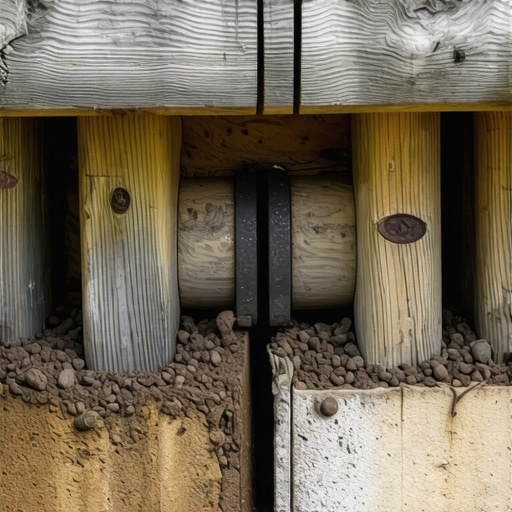
One sunny afternoon, I stepped onto my deck and immediately felt a wobble beneath my feet. At first, I thought it was just a slight unevenness, but as I looked closer, I realized something worse was happening underneath — the footings, long hidden and out of sight, were rotting away, jeopardizing everything I had invested in my outdoor space. That moment was a lightbulb going off in my head. I had overlooked a small yet crucial detail: drainage. Unmanaged water around the foundation had silently caused damage from below, and I was left scrambling to fix a problem that could have been prevented.
Why Neglecting Drainage Can So Easily Destroy Your Deck
The truth is, many homeowners don’t realize how vital proper drainage is until it’s too late. When water isn’t directed away from your deck’s footings and support structures, it seeps into the soil, causing erosion and weakening the very foundations that hold up your outdoor living space. Over time, this can lead to rotting wood, cracked concrete, and even collapse — all costly repairs that could have been avoided with a few preventative measures.
From my experience, one common mistake early on was installing gutters or drainage systems without considering the natural flow of water on my property. I believed that soil and good drainage would naturally take care of the excess moisture, but I was wrong. The persistent moisture began to soften the soil beneath the footings, encouraging decay and instability.
Surprisingly, according to a study by the University of California Cooperative Extension, poorly managed drainage is among the top causes of deck failure due to foundation rot and instability (source: UCANR Urban Forestry). This insight made me realize how widespread this issue is and how crucial it is to stay ahead of it.
If you’ve ever noticed water pooling around your deck or have had subtle shifts and wobbling in your support posts, you’re not alone. Many homeowners miss this silent threat until serious damage occurs. I want to share what I’ve learned from my own journey to help you safeguard your outdoor oasis.
In the next sections, we’ll go through practical steps to assessing and improving your drainage to ensure your deck stands strong for years to come. Because a beautiful outdoor space is a dream worth protecting, and understanding this hidden threat is the first step to peace of mind.
Assess Your Site’s Drainage Pattern
Start by observing how water flows on your property during a rainfall. Use a garden hose to simulate rain and watch where water pools or drains slowly. This step is like mapping a roadmap for water; knowing its natural flow helps you plan where to direct it away from critical areas. I once used chalk to mark water flow paths on my yard, which revealed that water tended to settle near one corner of my deck, creating persistent sogginess. This visual cue helped me identify the trouble spot for my drainage improvements.
Install Effective Gutters and Downspouts
Next, ensure your gutters are correctly installed to channel water away from your deck. Position downspouts to discharge at least five feet away from footings and support posts, preventing water from seeping into the soil beneath. I upgraded my existing gutters, adding extensions that funneled water further away. During heavy rains, I noticed the pooling near my deck diminishing significantly, sparing my footings from excess moisture. Proper gutter placement acts like a drain’s guardrail, guiding water precisely where you want it.
Dig French Drains or Absorption Trenches
If water still collects, dig trenches filled with gravel or permeable pipes to reroute excess water. French drains are like highway systems for water, quickly moving excess away from sensitive areas. In my case, I excavated a shallow trench along the back edge of my deck, lined it with landscape fabric, and filled it with gravel. After a rain, I saw water moving swiftly through the trench instead of pooling around my footings. Think of it as creating a secret water avenue that keeps moisture from undermining your structure.
Use Gravel and Crushed Stone Around Footings
Spread a thick layer of gravel around your deck footings and support posts. This acts as a sponge and improves drainage, preventing water from accumulating at the base. I poured a few inches of gravel around each footing base and topped it with landscaping fabric to prevent weeds. The difference was immediate; the soil stayed drier, and my deck felt more stable during the next rainstorm. This layer prevents water from lingering and causing rot or erosion.
Adjust Your Landscaping to Redirect Water
Finally, modify the surrounding landscape to slope away from your deck. A gentle grade of at least 2% ensures water naturally flows away from your foundation. I used a level and gravel to raise the soil slope, which made a noticeable impact during storms. It’s like giving your yard a gentle nudge to keep water flowing in the right direction rather than letting it settle near your deck. Proper grading works hand-in-hand with other drainage measures for maximum protection.
Local Regulations and Expert Help
For complex drainage issues, consult local regulations or consider hiring a professional. Properly designed drainage systems not only protect your deck but also your entire landscape. A skilled deck builder can also customize solutions, turning your yard into an oasis that’s both beautiful and resilient. Review [the benefits of working with a professional deck builder](https://deckdesignbuild.com/the-benefits-of-working-with-a-professional-deck-builder-in-your-outdoor-projects) to understand how expert help can streamline your project.
When it comes to designing a stunning outdoor space, many assume that installing stairs or opting for composite decking is straightforward. However, beneath the surface lies a complex web of nuances that can make or break your project. One common myth is that a simple, shallow stair tread is sufficient for safety and durability. In reality, advanced considerations such as rise and run ratios, tread overhangs, and slip resistance are critical for long-term performance and safety. For example, improperly calculated staircase dimensions not only compromise safety but can also lead to code violations, costing you time and money. According to a study by the American Society of Civil Engineers, precise stair design improves user safety and accessibility, especially in outdoor environments (source: ASCE). Another often-missed detail is the importance of proper drainage around stairs and decks, which prevents water pooling and subsequent rot or ice formation in colder climates. Many DIY enthusiasts overlook this, leading to expensive repairs down the line. This is where a seasoned deck builder’s expertise shines—incorporating innovative drainage solutions and choosing premium materials like warrantied composite decking can significantly extend your outdoor space’s lifespan. Additionally, the choice of materials and fasteners impacts the overall integrity of stairs and decking. For instance, using low-quality fasteners in a saltwater environment accelerates corrosion, jeopardizing stability. Selecting corrosion-resistant hardware ensures longevity, especially in coastal areas. Curious about how professional insights elevate these design choices? Check out this article on stairs safety innovations. Finally, understanding the subtle interplay of aesthetics, safety, and durability can be challenging. For advanced homeowners looking to push beyond basics, partnering with an expert deck builder can transform your outdoor living dreams into a resilient reality. Remember, every detail matters—from the angle of your stairs to the type of composite decking used. If you want your outdoor space to stand the test of time, diving deeper into these nuances is essential. Have you ever fallen into this trap? Let me know in the comments or reach out to discuss how to avoid these pitfalls and create a seamless outdoor experience.Maintaining your outdoor deck and stairs requires more than occasional cleaning; it demands a strategic approach using the right tools and methods to ensure longevity and safety. I personally rely on a combination of specialized equipment and innovative techniques to keep my deck functioning flawlessly year after year.
One of my go-to tools is a cordless power washer with adjustable pressure settings. I prefer models like the Bosch AquaVac 18V, which offers powerful cleaning without damaging composite surfaces. Using a pressure washer at the correct PSI—typically below 150 for composite decking—helps remove dirt, algae, and grime that can accelerate wear. I always ensure to keep the nozzle at a safe distance to prevent gouges or dents, particularly around edges and seams.
For detailed inspections, I use a digital moisture meter, such as the Protimeter Surveymaster. This device helps me identify areas where water infiltration might be lurking beneath the surface, especially around joints, fasteners, and beneath stairs. Catching these issues early enables targeted repairs before rot or structural damage occurs. Trust me, investing in a moisture meter has saved me from costly repairs down the line.
When it comes to sealing and weatherproofing, I favor high-quality penetrating sealants like Messmer’s UV Wood Protector. Applying it with a brush or a paint sprayer ensures even coverage. I recommend doing this annually, especially in climates with high humidity or heavy rainfall—this proactive maintenance prolongs the life of your materials and keeps your outdoor space looking fresh.
On the hardware side, I opt for stainless steel fasteners and brackets. These resist corrosion better than galvanized alternatives, especially in coastal or salty environments. Regularly checking these fasteners and tightening any loose screws prevents safety hazards and maintains the deck’s structural integrity.
Looking ahead, I predict that emerging AI-powered inspection drones may eventually revolutionize maintenance routines, enabling homeowners and professionals to scan for damage remotely. Integrating smart sensors into the deck that continuously monitor moisture and structural integrity could become standard, drastically reducing maintenance guesswork.
**How do I keep my deck working over time?** Implementing a routine of detailed inspections with moisture meters, combined with targeted cleaning using pressure washers and protective coatings, forms the backbone of my maintenance strategy. Remember, a well-maintained deck is not just about appearance—it’s about safety and durability.
If you’re ready to level up your ongoing maintenance, I recommend trying out a digital moisture meter. It might seem like a small investment, but catching issues early can save hundreds in repairs. For more comprehensive insights on elevating your outdoor space, consider exploring [transform your outdoor space with expert tips](https://deckdesignbuild.com/transform-your-space-expert-deck-builder-tips-for-stunning-outdoor-living). Keeping your deck in prime condition isn’t just maintenance; it’s an expression of care for your outdoor oasis.
What Hidden Cracks Did I Overlook Before
One of the most eye-opening lessons I learned was how small, seemingly insignificant drainage issues can accumulate over time, causing major damage. I used to believe that good soil and basic gutters were enough, but I soon realized that neglecting precise water management led to rotting footings and instability — a costly surprise I never wanted to face again. Recognizing and addressing these hidden vulnerabilities early is crucial to maintaining a safe, long-lasting outdoor space.
Why I Stopped Kal-ing Simple Solutions
Initially, I thought installing basic gutters and just sloping the ground was sufficient. However, I discovered that tailored solutions like French drains and gravel layers make a significant difference. These strategies act as a silent safeguard, redirecting water before it can seep into critical support areas. My experience taught me that investing in professional-grade drainage solutions pays dividends in durability and peace of mind.
How Personal Observation Saved My Deck
During a heavy rain, I noticed water pooling near my deck’s support posts—a red flag I overlooked at first. Using a garden hose to mimic rainfall, I mapped water flow, which instantly revealed problem areas. With this knowledge, I customized drainage paths and added gravel around footings. This proactive approach transformed my deck’s resilience, proving that attentive observation can be your best defense against hidden damage.
Which Mistakes Can Cost You Big if Ignored
Ignoring subtle signs like wobbling support posts, water pooling, or soft soil beneath your deck is a recipe for disaster. These issues often sneak up silently, but they can lead to serious structural failure. Learning to spot these red flags early, and understanding their causes—like poor landscape grading or inadequate drainage—can save you thousands. Realizing the importance of proactive maintenance is an invaluable lesson I wish I had embraced sooner.
Why Sharing What I Learned Matters
After repairing my deck and making these drainage improvements, I felt compelled to share my experience. The peace of mind, safety, and longevity gained from preventative measures are priceless. If more homeowners understood how critical proper water management is—especially around decks and stairs—they’d avoid costly repairs and enjoy their outdoor spaces worry-free. Remember, a little knowledge and early action go a long way in transforming your outdoor living into a resilient haven. To explore advanced design ideas, check out this inspiring guide on seamless outdoor transitions.