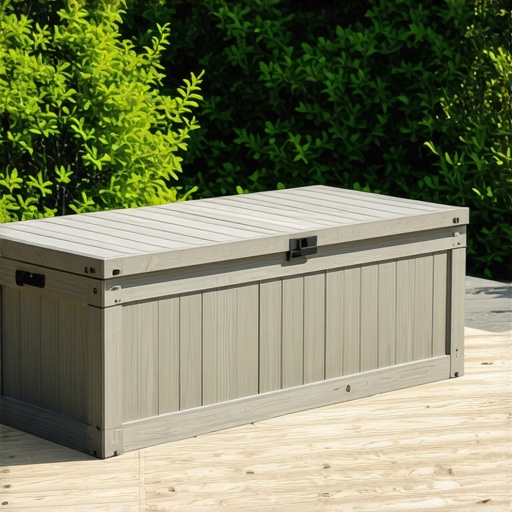
It was a warm Saturday afternoon when I finally decided to tackle my overflowing outdoor storage. I had images of a tidy deck, everything in its place, and easy access to my garden tools and cushions. But as I opened my old wooden storage bench, a wave of disappointment hit me—spoiled cushions, damp and moldy, and a rotten smell that lingered long after I closed the lid. That lightbulb moment made me realize how crucial it is to choose the right weatherproof storage options that won’t harm my beloved deck surface.
How to Keep Your Outdoor Storage from Ruining Your Deck
Choosing the right storage bench is more than just about keeping things organized; it’s about protecting your investment in outdoor living space. A poorly selected bench can lead to water damage, mold growth, and even structural issues that threaten the integrity of your deck. Today, I’ll share the lessons I’ve learned—and the solutions that have made my backyard a functional, beautiful retreat.
Is Weatherproof Storage Really Worth the Hype?
In my early days of outdoor decorating, I thought I could save a few bucks by picking a cheap wooden bench and sealing it myself. Big mistake. The wood warped, rot set in faster than I anticipated, and I spent more time repairing than enjoying. It’s easy to fall for the allure of aesthetics or price, but the reality is that durability and compatibility with your deck surface are what matter most. Plus, not acknowledging how certain materials interact with your deck can lead to costly repairs down the line.
According to a report by the Composite Decking Association, choosing materials that resist moisture and UV exposure can extend the lifespan of your outdoor features significantly. So, what’s the secret? Material selection and proper installation. In the upcoming sections, I’ll guide you through the pros and cons of various weatherproof options, how to select a durable design, and tips to ensure your storage solution complements your deck rather than compromises it.
Let’s make sure your outdoor storage enhances your space, not ruins it—because after all, a beautiful deck deserves storage that stands the test of time.
Select Materials That Combine Durability and Compatibility
Start by researching materials specifically designed for outdoor use, such as composite, vinyl, or treated wood. During my first attempt, I bought a cheap wooden bench without verifying its weather resistance, which warped and rotted within a year. To avoid this, check product labels and reviews, focusing on those rated for UV and moisture resistance. Visit the manufacturer’s website or contact a professional for insights on how materials perform over time. For detailed guidance, I recommend reading about choosing the right composite decking—it applies equally to storage options.
Ensure Proper Installation to Protect Your Deck
Crafting a waterproof barrier beneath your storage reduces direct contact with the deck surface. Think of this as laying a layer of gravel underneath a flower bed to prevent weeds; it’s a simple but effective step. Me and my partner once used rubber mats, cutting them precisely to fit under the storage. This small modification kept moisture at bay and significantly extended the life of both the bench and the deck. Use sturdy, weatherproof fasteners and sealant to secure every joint. For techniques on creating seamless outdoor transitions, see seamless transitions and stairs.
Choose a Design That Supports Ventilation and Drainage
An open-base design promotes airflow, preventing mold and mildew. Think of it like a beach house with open slats to catch the breeze—your storage should do the same. During my last project, I installed a storage box with adjustable legs, elevating it three inches from the deck. This simple step allowed air to circulate, keeping cushions dry and preventing musty smells. Incorporate slatted doors or sides, and consider a roof overhang to shed rain. For stylish yet functional ideas, check out top stairs designs for outdoor spaces.
Implement Proper Drainage Strategies
Prevent water pooling by sloping the storage base slightly away from the deck surface. Imagine parking a car on a driveway; a slight incline channels water away. I learned this the hard way when I ignored slope and experienced pooling that accelerated rot. Use shims or adjustable feet to achieve the right angle, and seal all joints meticulously. Adding a drainage mat or gravel layer beneath further enhances water flow. This approach echoes the principles detailed in deck builder insights.
Seal and Maintain Regularly
Apply weatherproof sealants periodically to prevent moisture ingress. Think of it like applying sunscreen—necessary to block harmful elements. I schedule sealing every couple of years, reapplying with a brush for thorough coverage. Clean the storage surface first, removing dirt and debris, then follow manufacturer instructions precisely. Regular inspections help catch early signs of damage. Remember, well-maintained materials last longer, saving you money and effort down the road. For more maintenance tips, explore working with professionals.
Many outdoor enthusiasts believe that selecting the most durable-looking material guarantees longevity, but in reality, understanding the hidden nuances of composite decking is crucial for long-term success. For instance, a common myth is that all composite materials are maintenance-free. While some trends suggest this, my experience shows that choosing composites with mineral cores, like those discussed in the 2025 trends guide, offers better resistance to fading and staining. Moreover, many overlook the significance of proper installation techniques—using the right fasteners and sealants can dramatically extend your deck’s lifespan. A frequent mistake is ignoring the importance of drainage and ventilation; neglecting these factors can lead to mold, rot, and structural problems—traps that catch even seasoned DIYers. When planning your deck stairs, appreciating the intricacies of step riser consistency and guardrail heights is essential to ensuring safety and compliance. As highlighted in stairs design principles for 2025, small deviations can cause trip hazards or code violations. Often, what many miss is that the aesthetics cannot overshadow function—well-designed transitions and seamless integration of stairs with decks are vital for both looks and safety. For example, incorporating custom stair designs, like adjustable risers or integrated lighting, can elevate your outdoor space. Also, selecting the right builder is a nuanced decision. While many think all deck builders are similar, my recommendation is to consult experts familiar with modern trends and building codes, as explained in professional insights. In summary, the ‘hidden’ truth is that mastery of these details makes the difference between a lovely yard and a lasting outdoor haven. Regular maintenance and a nuanced understanding of materials prevent costly mistakes, ensuring your investment endures.
Have you ever fallen into this trap? Let me know in the comments.Maintaining your outdoor living spaces over time requires the right tools and a bit of know-how. Personally, I rely on a cordless oscillating multi-tool for detailed cleaning and small repairs; its versatility allows me to reach into tight corners around stairs and railings, making maintenance less of a chore. For larger tasks, a high-pressure washer equipped with a variable nozzle is indispensable—I’ve found that adjusting the spray pattern prevents damage to composite decking while effectively removing dirt and mold. Regular inspections using a moisture meter help me identify hidden areas of water intrusion that could compromise the integrity of the deck structure, especially in humid climates. In addition, a quality sealant applicator, such as a paint pad or brush, ensures even coverage when applying protective coatings, prolonging the lifespan of surface materials.
How do I maintain outdoor structures over time?
Looking ahead, I predict that emerging technologies like IoT-enabled sensors might soon alert homeowners to potential issues like rising moisture levels or material deterioration before visible damage occurs. Staying ahead in maintenance means utilizing these tools early, combined with traditional practices. For example, scheduling annual reviews using a moisture meter and inspecting for loose fasteners or warped boards can save significant repair costs down the line. When selecting tools, choose reliable brands and models that are rated for outdoor use and are easy to clean and store after each session. Remember, consistent maintenance not only preserves aesthetics but also prolongs the lifespan of your deck components—saving you money and effort in the long run. Explore more about durable, low-maintenance options in this article on composite decking. For a detailed guide on effective sealing techniques, see the expert tips in this resource on stair and deck maintenance. Don’t hesitate to try a professional-grade moisture meter this season—it’s one of the most effective ways to keep tabs on your outdoor structures and prevent costly repairs. Regularly updating your toolkit with the right equipment will keep your outdoor oasis looking great and functioning perfectly year after year.
What I Wish I Knew Before Choosing Storage for My Deck
One of the most valuable lessons I learned is that not all weatherproof materials are equal. A quick glance at a stylish storage bench might convince you it’s perfect, but diving into the specifics of material resistance can save you from repeated repairs. I once overlooked the importance of breathable designs, leading to mold buildup—a costly mistake that taught me to prioritize ventilation in storage solutions.
If you’re considering a DIY sealant application, remember that not all sealants are created equal. I experimented with cheap options, only to find myself reapplying every year. Trust me, investing in high-quality, UV-resistant sealants and understanding their proper application makes a world of difference in durability.
Finally, understanding the interaction between storage bases and deck surfaces is crucial. Elevating storage slightly or adding a drainage layer prevented water pooling and rot in my setup. These small adjustments, often overlooked, are the game-changers that preserve both your storage and your deck for years to come.
My Toolbox for Outdoor Longevity
Over time, I’ve come to rely on a few trusted tools and resources. A high-quality moisture meter helps me spot potential issues before they escalate, saving me money and stress. A cordless oscillating multi-tool has become my go-to for detailed cleaning and small repairs, especially around tight spots like stairs and railings.
Books like Choosing the Right Composite Decking for Durable, Low-Maintenance Outdoor Areas have expanded my understanding of material selection beyond aesthetics, emphasizing long-term resilience. I also consult online guides on drainage and ventilation to optimize my setup, ensuring that every component works harmoniously to extend lifespan.
Embrace the Future of Outdoor Maintenance
Building a durable outdoor space isn’t just about choosing the right materials today; it’s about adopting an ongoing, mindful approach. Imagine integrating IoT sensors that monitor moisture levels or weather conditions—technology that could alert you to develop problems early, much like smart home systems. Starting with regular inspections and good maintenance habits today sets the stage for a more worry-free outdoor life tomorrow.
So, I encourage you to think beyond instant gratification. Invest in quality, plan meticulously, and stay curious about innovations that could transform your outdoor experience. Your deck and storage solutions will thank you for it—and so will your peace of mind.