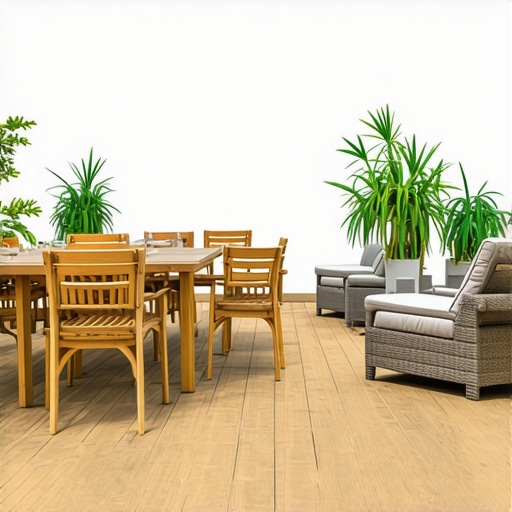
I vividly remember the day I realized my tiny deck was more than just a walkway; it was a missed opportunity. I had slapped down some composite decking, tossed in a couple of chairs, and hoped for the best. But as I looked around, I felt cramped, almost claustrophobic. My outdoor space was shouting for a purpose, but I didn’t know how to give it one. It was a lightbulb moment—my deck needed intentional zones, not just furniture scattered randomly.
Why Zoning Your Small Deck Is a Game-Changer
Here’s the truth: a well-zoned deck transforms a limited area into a versatile outdoor haven. Without clear zones, even the most beautiful deck can feel cluttered and inefficient. When I first started experimenting with different areas for dining, lounging, and even a tiny garden, I watched my space come alive. Suddenly, it wasn’t just a surface outside my door—it became an extension of my home, tailored to my lifestyle.
Research from the National Association of Home Builders highlights that intentional outdoor designs can increase property value and daily enjoyment substantially. Whether you’re grilling dinner or unwinding with a book, zoning ensures each activity has its perfect corner, making every inch count. Plus, good zoning prevents can’t-miss mistakes I made early on—like placing the dining table so close to the steps you trip over the chairs or chaining your lounge chairs so tightly you can’t stretch out comfortably.
Ever Felt Overwhelmed by the Idea of Dividing a Small Space?
Let me tell you, I once tried to carve out separate zones without a plan, leading to a chaotic feel and frustration. That mistake taught me the importance of thoughtful layout and clean design cues. If you’ve faced similar confusion about how to break up a small deck, you’re in the right place. I’ll walk you through the core principles I’ve learned—based on my experience and a few professional insights—to help you carve out stylish, practical zones that make your outdoor living truly pop.
If you’re ready to avoid the common pitfalls and create a deck area that serves your needs beautifully, stay tuned. We’ll explore practical, scalable tips that turn a small deck from a bland slab into a multi-functional oasis. And if you’re eager to start right now, I recommend checking out some innovative ideas on deck layouts [here](https://deckdesignbuild.com/innovative-outdoor-living-ideas-with-composite-decking-in-2025). Your perfect outdoor space is just a thoughtful zone away.
Map Out Your Zones Precisely
Start by sketching your deck layout on paper to visualize zones. Use masking tape or painter’s tape on the actual deck surface to outline areas for dining, lounging, or gardening. I once laid out a temporary tape pattern, which helped me see how each zone would fit without committing to permanent fixtures. This step prevents costly mistakes and ensures space is used efficiently.
Choose Focal Points to Anchor Each Zone
Select a feature or piece of furniture that serves as a visual anchor—like a bold dining table or a statement plant. In my experience, centering a small fire pit in one zone turned an ordinary corner into an inviting gathering spot. Anchor points make zones feel intentional and distinct, guiding the eye and creating a sense of order.
Define Boundaries Clearly
Use visual cues such as different floor materials, rugs, furniture arrangements, or plants to delineate zones. For example, I placed a vibrant outdoor rug under the dining table, setting it apart from the lounge area. These boundaries help the eye recognize transitions and prevent zones from blending into one another, maintaining a tidy look.
Optimize Furniture Placement for Flow and Privacy
Arrange furniture to facilitate movement—leaving pathways at least 24 inches wide—and consider sightlines for privacy. When I rearranged my chairs, I kept walkways clear and used taller planters as natural barriers, which subtly partitioned spaces without closing them off. Thoughtful placement enhances usability and coziness simultaneously.
Incorporate Multi-Functional Features
Design zones that serve multiple purposes, such as an extendable dining table that doubles as a work surface. I found this especially useful on my small deck, where space is limited. Multi-functionality maximizes utility without cluttering the area, making each zone more versatile and valuable.
Implement Consistent Style and Color Themes
Choose cohesive colors, materials, or design elements across zones to unify the space. I used matching cushions, coordinated planters, and similar lighting fixtures to create visual harmony. Consistency reinforces the sense of zoning and helps your deck feel intentional rather than random.
Prioritize Safety and Comfort
Maintain adequate lighting, ensure sturdy stairs, and use slip-resistant materials where needed. I installed solar step lights along the stairs for safety without disrupting aesthetics. Comfort features like cushions and shade also define zones as inviting spots to relax or dine.
Adjust and Refine Over Time
Observe how the space functions after initial setup. Don’t be afraid to shift furniture or redefine boundaries as you live on the deck. My initial layout evolved after several evenings of use, ultimately enhancing usability and enjoyment.
By applying these practical strategies, you can transform your small deck into a well-organized and inviting outdoor extension of your home. For more tailored solutions, consider consulting with a professional at our contact page to bring your vision into reality.
Many people assume that choosing the most popular materials or following generic advice guarantees their deck’s success, but in reality, there are nuanced pitfalls that can undermine your project. For instance, it’s a common myth that all composite decking is maintenance-free; however, not all brands withstand the sun and weather equally, leading to issues like fading or staining. As I’ve observed in my experience, understanding the specific properties of materials—like the mineral core in high-performance composites—can save you headaches later. Additionally, oversimplifying stairs design by just copying basic templates ignores critical safety and aesthetic details; proper riser heights, tread depths, and seamless transitions are vital for both safety and visual harmony. Making the mistake of neglecting these nuances can result in uneven steps, tripping hazards, or uninviting entry points. Have you ever fallen into this trap? Let me know in the comments.
Why do some poorly designed stairs become a safety liability despite seemingly solid materials?
The answer lies in detailed planning and precise execution. Small discrepancies in riser heights or inconsistent stringer spacing can lead to unstable or visually awkward stairs. For example, setting riser heights within just 1/8 inch of each other significantly improves safety and comfort, as outlined by experts in outdoor space design. Overlooking these small but critical details often results in uneven steps that can cause trips or slips, especially for children or the elderly. To avoid these pitfalls, engaging with a professional or utilizing detailed guides—like those available from experienced builders—can be invaluable. You can explore insights from top deck builders at here.
It’s also worth noting that many underestimate the importance of seamless integration between decks and stairs. Well-designed stairs aren’t just functional; they serve as visual connectors that unify your outdoor living space. Incorporating features like matching railings, consistent colors, and smooth transitions can elevate your project from basic to stunning. For inspiration on achieving this, check out this resource.
Mastering these advanced nuances requires attention to detail and a deeper understanding of both materials and design principles. By avoiding these common mistakes, you ensure that your outdoor space is not only beautiful but also safe and durable for years to come. Want to take your project to the next level? Consider consulting with a professional deck builder at our contact page for tailored advice.Maintaining a beautiful and durable outdoor deck requires the right tools and a consistent routine. Personally, I swear by my cordless impact driver with a set of quality stainless steel screws—it makes replacing or tightening fasteners a breeze, especially with composite decking where precision is key. For cleaning, I rely on a high-pressure washer equipped with a rotating nozzle, but I always keep it on the lowest setting to avoid damaging the surface; I also never use harsh chemicals, preferring eco-friendly cleaners designed specifically for composite materials. When it comes to inspections, a good flashlight helps identify loose boards or potential rot early—being proactive saves time and money later. For weatherproofing, I use a marine-grade sealant on seams and edges, which resists expansion and contraction from temperature fluctuations, protecting your investment over years. Looking ahead, I predict smart monitoring systems—like moisture sensors embedded in the deck—will become standard, alerting homeowners to areas needing attention before issues escalate. How do I maintain my deck over time? Regularly cleaning with gentle methods, tightening fasteners, and applying protective sealants are crucial. I also organize my tools in a portable caddy, so I always have everything on hand when a quick repair or touch-up is needed. If you’re serious about keeping your outdoor living space in top shape, I recommend trying a detailed inspection routine using a flashlight and a stainless steel screw set to spot and fix issues early, much like professional builders do. For inspiration on the best ways to protect your deck, check out this guide on choosing durable composite decking.
Lessons Few Share About Building and Zoning Small Decks
One of my most eye-opening realizations came early when I discovered that creating zones on my tiny deck transformed it into a multi-functional retreat. I once believed that a small space couldn’t serve multiple purposes, but through trial, error, and a few professional insights, I learned that thoughtful zoning is the secret sauce—each corner tailored to serve a specific feeling or activity.
An unexpected lesson was that overlooking the nuances of stair design can lead to safety hazards. Small details like consistent riser height and seamless transitions are everything. My mistakes taught me that precise measurements and professional guidance make all the difference in making stairs both beautiful and secure.
Tools and Resources That Truly Changed My Approach
The importance of quality tools can’t be overstated. I swear by a good impact driver paired with stainless steel screws—crucial for secure, long-lasting composite decking. For maintenance, a gentle high-pressure washer helps keep the surface pristine without damage. A detailed inspection routine involving a flashlight can preempt costly repairs. For learning, the comprehensive guides available at this resource provided me with invaluable material insights, while expert tips on layout and design helped me refine my approach and avoid common pitfalls.
Let Your Outdoor Dream Take Action—Start Today
Remember, your small deck holds endless potential. With intentional zoning, attention to detail, and the right tools, you can craft an outdoor space that feels spacious, functional, and inviting. Don’t wait for perfection—start experimenting, tweak your design over time, and watch your outdoor oasis come alive. Your effort today will reward you with a lifetime of memorable moments under the sky.
What has been your biggest challenge when designing or zoning your outdoor space? Share your experience below—I’d love to hear your story!