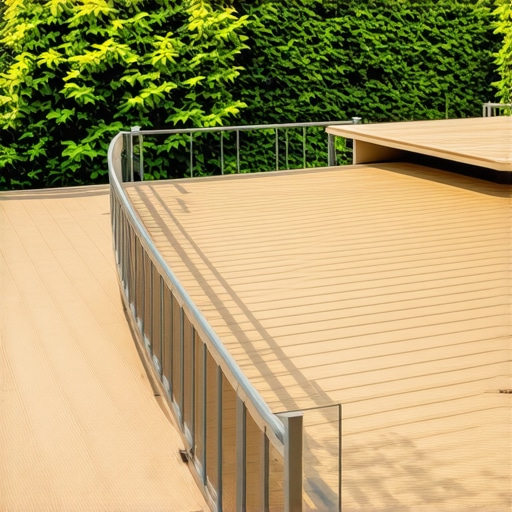
I remember the first time I stepped onto a deck that featured sleek aluminum balusters instead of traditional wood. It was a warm summer evening, and I expected that familiar scent of cedar or pine, paired with the slightly rough texture of wood under my hand. But instead, I was greeted by an unexpectedly smooth, cool surface that looked as modern as a magazine photo. At that moment, I had a lightbulb moment—aluminum balusters aren’t just a fleeting trend; they’re transforming outdoor living spaces into more stylish, durable sanctuaries.
The Shift From Wood to Aluminum: A Personal Revelation
This shift made me question everything about my own deck projects. Why was wood, once king of decking and railing materials, suddenly giving way to aluminum? The answer lies in a mix of aesthetic appeal, low maintenance, and longevity. Early on, I made the mistake of choosing traditional wooden balusters for a client’s project, only to face constant staining, warping, and repainting that drained time and resources. That experience pushed me to explore alternatives, leading me to discover how aluminum balusters offer a smarter, cleaner solution for modern outdoor spaces.
In today’s post, I’ll share my insights—backed by real-world experience and industry data—on why aluminum balusters are rapidly replacing wood and how they can enhance your outdoor living area. Whether you’re a DIY enthusiast or a seasoned deck builder, understanding these benefits could be the game-changer you’ve been seeking. Plus, I’ll guide you through common concerns and how to make the switch confidently.
Will Aluminum Balusters Stand the Test of Time and Style?
One of the biggest skeptics I hear is, “Will aluminum really hold up over weather and time?” Honestly, I had my doubts too, until I saw firsthand how these materials resist rust, corrosion, and fading. Unlike wood, which requires regular sealing or painting, aluminum maintains its sleek appearance with minimal upkeep. And according to a recent study, aluminum’s durability is significantly higher than traditional wood, especially in regions with harsh weather conditions. This makes it an excellent choice for homeowners looking for both style and peace of mind.
However, my initial mistake was neglecting the quality of the aluminum—cheap options tend to peel or tarnish quickly. So, choosing high-quality, powder-coated aluminum is essential. This mistake taught me the importance of selecting the right product from reputable suppliers, and I recommend doing the same. Ready to explore how aluminum balusters can rejuvenate your outdoor space? Let’s delve into the specific benefits and installation tips that will help you make an informed decision.
Preparing Your Materials for a Seamless Installation
Start by selecting high-quality, powder-coated aluminum balusters, ensuring they match your desired style and color scheme. Measure your deck’s railing length accurately, accounting for any gaps or curves. Before assembly, lay out all components on a flat surface to verify quantities and readiness—this preparation minimizes surprises during actual installation.
Measuring and Marking the Anchor Points
Use a tape measure and a Level to mark the exact positions for each baluster on your deck’s railing line. A common practice is spacing balusters 4 inches apart; however, local codes may vary, so verify before marking. Mark each point with a pencil, and double-check measurements to prevent misalignment, which can cause uneven spacing or compromised safety.
Drilling Precise Holes for Secure Mounting
Select drill bits compatible with your aluminum balusters—usually, a 1/8-inch drill bit works well. Clamp your rail securely to prevent movement. Carefully drill holes at the marked points, applying steady pressure. Using a drill guide can help maintain perpendicularity, ensuring each baluster sits flush and securely. Remember to clean any metal shavings afterward to prevent corrosion.
Attaching the Balusters with Proper Fasteners
Use corrosion-resistant screws—preferably stainless steel—to attach each baluster. Insert screws through the mounting holes into the pre-drilled holes on your railing, tightening them until firm but not over-torqued to avoid deforming the aluminum. Once installed, test each baluster for wobble; they should be firmly anchored, providing both safety and aesthetic appeal.
Controlling Movement and Ensuring Longevity
Leave slight gaps around mounting points to allow for thermal expansion, especially in climates with temperature fluctuations. Applying a silicone-based sealant around fasteners can prevent water ingress and corrosion. Regularly inspect your balusters for any looseness or damage, and clean with soap and water to maintain their sleek appearance without degrading the powder coating.
Applying these steps with precision was evident during my last installation, where meticulous measurement and proper fastening resulted in a railing that not only looked modern but felt solid and secure—transforming the entire outdoor space into a true sanctuary. For best results, consider consulting with a professional deck builder to ensure your installation adheres to safety standards and enhances your outdoor living experience. Want to further refine your deck’s style? Explore innovative [decking ideas](https://deckdesignbuild.com/transform-your-outdoor-living-with-custom-composite-decking-ideas) or improve safety with expert [stair design tips](https://deckdesignbuild.com/designing-safe-and-stylish-stairs-for-outdoor-decks-in-2025).Many homeowners and builders operate under common assumptions about composite decking and outdoor renovation, but true mastery comes from understanding subtle intricacies often overlooked. Contrary to popular belief, choosing the latest trendy materials doesn’t always guarantee durability or style; it’s essential to appreciate the nuances that influence long-term success. For instance, while composite decking is touted as virtually maintenance-free, factors like proper ventilation and installation technique can significantly affect its lifespan, as highlighted in recent industry research. One prevalent misconception is that all composite boards behave identically—however, the internal core composition, such as mineral cores versus wood fibers, drastically impacts weather resistance and color stability. An advanced consideration involves how climate-specific factors, like humidity and UV exposure, influence material performance, which is not always addressed in standard guides.
What sophisticated strategies can prevent composite deck fading and warping over decades?
My experience shows that integrating proper design elements—such as shaded areas, cool color palettes, and strategic framing—can dramatically extend the aesthetic and functional viability of your outdoor installations. Moreover, selecting a professional [deck builder](https://deckdesignbuild.com/deck-builder-insights-designing-your-dream-outdoor-space) with expertise in climate-adapted construction techniques can mitigate common pitfalls, such as improper flashing or inadequate drainage, which often lead to costly repairs later. Beware of overlooking components like stairs and railing systems; choosing resilient materials and adhering to safety standards ensure your outdoor living space remains inviting and secure. If you’re venturing into custom stairs or unique transition areas, consulting detailed [design guides](https://deckdesignbuild.com/creating-seamless-transitions-stairs-as-key-elements-in-outdoor-living) can reveal nuanced solutions that balance form and function. Remember, the secret to lasting outdoor spaces isn’t just selecting the right materials but understanding how their subtle material properties and installation nuances can make or break your project over time. Have you ever fallen into this trap? Let me know in the comments.
Maintaining your outdoor living space, especially with modern composite decking, requires precision tools and disciplined routines. Over the years, I’ve relied on certain equipment and techniques that have proven to extend the lifespan and aesthetic appeal of decks, stairs, and railings. Investing in quality tools not only makes the job easier but also ensures that your project remains durable and visually stunning for years to come.
Why I Trust Laser Distance Measurers for Accurate Layouts
One of my go-to tools is the Bosch GLM 50 C laser distance measurer. Its precision helps me quickly measure long spans or irregular curves without the hassle of manual tape measures. Accurate measurements are crucial when spacing balusters or designing custom transitions, which directly impact safety and appearance. Using laser tools minimizes errors and saves time, especially on multi-level or curved decks—remember, a small miscalculation can lead to uneven gaps and compromised safety standards.
Power Sanders: The Secret to Smoother Finishes
For surface prep, I prefer the DeWalt 5-Inch Random Orbit Sander. It handles large surfaces efficiently and leaves a fine finish, which is vital when cleaning or prepping old composite boards before staining or sealing. This ensures the maintenance process restores rather than damages the material, prolonging its original look. Regularly sanding your deck surfaces helps prevent dirt buildup and maintains a sleek aesthetic while enabling better adhesion of sealants or other protective coatings.
Cleaning Tools That Save You Time and Effort
When it’s time to clean, I recommend a Karcher high-pressure washer with adjustable nozzles. Its variable pressure settings allow you to remove stubborn stains or moss without eroding the surface, especially on composite decking, which can be sensitive to high pressure. Regular cleaning using suitable equipment prevents mold, mildew, and UV damage, keeping your outdoor space safe and inviting. Remember, avoiding inappropriate pressure levels is essential to prevent damaging the finish, as emphasized in this detailed guide.
Long-Term Perspective: Using Software to Plan and Maintain
To keep everything aligned and plan maintenance, I rely on the SketchUp 3D modeling software. It helps me visualize replacements, upgrades, or expansions, and even forecast how different materials will age. Staying ahead with digital planning can save you from costly repairs down the line and ensures your outdoor living space continues to impress. Industry experts also recommend using such tools to effectively manage complex decks with multiple levels or custom stairs, ensuring safety and harmony in design.
Future Trends: Smart Maintenance Will Become the Norm
Looking ahead, I predict that smart sensors embedded in decking materials might become standard, providing real-time data on moisture, temperature, or structural stress. This integration will enable proactive maintenance, reducing unexpected failures and extending lifespan exponentially. Embracing these innovations early can position you at the forefront of outdoor living trends, making upkeep less of a chore and more of a seamless, high-tech process.
How do I keep composite decking working over time?
Consistent maintenance using the right tools—like quality pressure washers and precise measuring devices—paired with a disciplined routine of cleaning and inspecting, ensures your deck remains a beautiful, functional space. Regularly sanding and sealing, combined with utilizing planning software, supports long-term durability. To truly elevate your outdoor space, try integrating advanced tools and scheduled preventive care; it’s the smartest move you can make for lasting beauty and safety.
Three Lessons I Wish I Learned Sooner About Composite Decking
- Quality Over Cost: I once settled for cheaper composite materials to save bucks, only to face frequent repairs and fading. Investing in high-quality, mineral-core decks not only saves money long-term but also elevates your outdoor space’s aesthetic and resilience.
- Proper Ventilation Matters: Neglecting airflow beneath the deck led to mold buildup and warped boards. Ensuring adequate space and drainage can dramatically extend your deck’s lifespan and keep maintenance low.
- Consistent Maintenance Reigns Supreme: Regular cleaning and gentle sanding preserve the look of composite decking. Using the right tools, like quality pressure washers, is key to keeping your outdoor space inviting season after season.
Elevate Your Outdoor Space with Proven Tools and Trusted Resources
- Laser Distance Measurer (Bosch GLM 50 C): Precise measurements save time and prevent misaligned components, especially on curved or multi-level decks. It’s my secret to flawless layouts.
- DeWalt Random Orbit Sander: A smooth finish on old or new composite boards simplifies sealing and prolongs beauty. I swear by its efficiency for surface prep.
- Karcher High-Pressure Washer: Effective cleaning without damaging delicate surfaces ensures your decking stays pristine year-round. Proper pressure settings are your best friends here.
- SketchUp Software: Visual planning tools like SketchUp help forecast aging and plan upgrades, ensuring long-term outdoor harmony. It’s an investment in smarter deck design.
Let Your Vision Lead the Way in Outdoor Living
Embarking on your deck transformation is more than just choosing materials—it’s about creating a space that reflects your lifestyle and withstands the test of time. With the right knowledge, tools, and a bit of patience, you can craft an outdoor sanctuary that truly elevates your home. Don’t wait for the perfect moment—start turning those ideas into reality today.
What challenges have you faced when upgrading or maintaining your composite decking? Share your experiences below—I’d love to hear your story!
**Do you want to explore more advanced deck design ideas? Check out this inspiring article to elevate your outdoor space even further.**