One scorching summer day, I stepped outside barefoot, only to be greeted by a deck surface so hot it felt like walking on coals. That moment was an eye-opener. I’d chosen a sleek, dark composite decking board, thinking it would look modern and stylish, but I overlooked how much heat it would absorb in my south-facing yard. Since then, I’ve learned the hard way that dark-colored composite boards can turn outdoor living into a summer nightmare, especially in sunny, unshaded spaces.
What You Need to Know Before Picking Your Deck Color
Is Dark Decking Actually Worth the Hype?
Initially, I thought a darker deck would give a chic, contemporary vibe. But early on, I made the mistake of believing that aesthetics should outweigh practicality. The intense heat and my family’s discomfort proved otherwise. According to research published by the Journal of Building Engineering, dark surfaces in sun-exposed areas can reach temperatures 40-60% higher than lighter ones, making barefoot walking or even standing a challenge. That’s a staggering difference — and it’s a mistake I learned from the hard way. If you’ve ever been faced with a burning deck during those long summer afternoons, you know exactly what I mean.
This realization sparked my quest to find better solutions, and I discovered that selecting the right decking color isn’t just about style — it’s about comfort, safety, and longevity. The wrong choice can heat up your space, damage materials faster, and even affect the enjoyment of your outdoor oasis. So, today, I want to share my insights, what you should consider before opting for dark composite boards, and how you can create a cool, functional outdoor space that suits your climate and lifestyle.
Choose the Right Materials for Your Deck
Start by selecting composite decking materials with a high solar reflectance rating or lighter colors, which stay cooler under direct sunlight. When I built my last deck, I opted for a mineral-core composite board, which remained much cooler despite the summer heat, making barefoot walking comfortable. To ensure durability, consult resources like this guide on selecting weather-resistant composites.
Plan the Layout to Maximize Shade
Incorporate Shade Elements
Integrate built-in pergolas, retractable umbrellas, or strategically placed trees to provide shade during the hottest parts of the day. I once designed a deck with a pergola over the seating area, which not only offered relief from the sun but also added a stylish focal point. Position shading structures to shield the surface from direct sunlight, helping keep the material cooler and prolonging its lifespan.
Use Landscape Design for Cool Zones
Plant deciduous trees on the south and west sides to cast seasonal shadows and lessen heat absorption. During my project, planting a row of large oaks created a natural canopy, significantly reducing deck surface temperatures below, even in peak afternoon hours. Remember, mature trees take time to grow, so plan accordingly or consider temporary shade solutions.
Optimize the Surface and Spacing
Installing wider gaps between deck boards isn’t just for drainage; it also promotes airflow that cools the deck surface. During my build, I used 12-inch joist spacing and wider gaps on purpose, which boosted ventilation. Use sturdy fasteners like hidden fasteners to prevent heat-trapping and ensure a clean aesthetic. Also, consider sealing or staining the surface with light-reflective finishes available in the market.
Improve Circulation and Access
Create clear pathways and seating arrangements that encourage airflow. During one messy trial, I discovered that blocking wind flow with heavy furniture or overgrown plants led to uncomfortably stagnant spaces. Positioning seating areas to catch breezes enhances comfort, and using steps with open risers promotes air movement underneath.
Leverage Accessories and Lighting
Install subtle lighting and accessories that don’t trap heat or glare. I added low-voltage LED step lights that function efficiently without adding heat. Also, interestingly, lightweight fabric curtains around the perimeter can provide a breeze-filtering barrier, turning your deck into a cool retreat that can be quickly adjusted as needed.
Successful outdoor living in sunny regions requires careful planning and execution. By selecting cool, reflective materials, integrating shade, optimizing airflow, and thoughtful layout, your deck can become a sanctuary against the heat, providing comfort and style during the hottest months. For more innovative ideas, explore this inspiring article on future-proof outdoor designs.
While most homeowners focus on choosing the right materials and aesthetic features for their decks, there’s a frequent oversight that can undermine the entire outdoor experience. Many believe that selecting premium composite decking or installing stylish stairs is enough, but the nuanced intricacies often trip up even seasoned DIYers and professionals alike. One such critical nuance is understanding the subtle factors that influence long-term durability and user safety in outdoor living spaces.
Why Your Choice of Fasteners and Attachments Matters More Than You Think
Contrary to popular belief, not all fasteners are created equal. Using interior-grade screws without proper corrosion resistance can lead to premature failure, especially in humid or coastal environments. This mistake can cause deck boards to loosen, squeak, or warp, compromising safety and aesthetics. For example, hidden fastener systems are often recommended for their clean look, but they must be compatible with your chosen composite material and weather conditions. As this article explains, investing in high-quality stainless steel or aluminum fasteners is crucial for longevity.
Another overlooked aspect is the embedding of waterproofing strips or flashing tape, which, if improperly installed, can allow water ingress leading to rot at deck supports. Advanced builders know that meticulous sealing at every joint and transition point holds the key to a durable structure and extends the lifespan of your outdoor investment.
Choosing the Right Stairs Can Make or Break Your Outdoor Space
Many underestimate how critical safe and seamless stairs are to an outdoor design. While straightforward to build, poorly crafted stairs can become unsafe over time due to incorrect stringer calculations or inadequate support. Moreover, the transition from deck to yard should facilitate smooth, level access that encourages circulation and safety, especially for children or elderly users. This is why paying attention to stair design and transition details isn’t just about aesthetics; it’s about functional resilience.
What Advanced Builders Know About Composite Decking That You Might Miss
Beyond choosing lighter colors or heat-reflective surfaces, experts recognize that not all composite boards are equal in how they handle environmental stress. Mineral-core composites, for example, resist warping and fading better than standard formulations. They also tend to be less prone to mold and mildew if installed correctly with proper drainage and ventilation strategies. Overlooking these nuances can lead to costly repairs and short-lived decks. According to recent studies, selecting the right composite product can improve lifespan by up to 30%, especially in rigorous climates.
Engaging a professional deck builder can help you navigate these subtleties, ensuring your outdoor space remains safe, stylish, and durable. Remember, paying attention to these sometimes-hidden details can save you money and hassle in the long run. Do you know the common mistakes lurking in your outdoor plans? Have you ever fallen into this trap? Let me know in the comments.
Keeping It Working: Tools I Recommend for Outdoor Decks and Stairs
Maintaining a beautiful and durable outdoor space requires the right equipment and a disciplined approach. Over the years, I’ve honed my toolkit to include specialized tools that ensure precision, safety, and longevity. For example, I always use a high-quality cordless impact driver with variable speed settings when installing or adjusting composite decking. Its power and control make tasks like securing hidden fasteners quick and effortless. Additionally, I rely on a digital moisture meter to periodically check support posts and framing, helping me detect early signs of rot or water intrusion before they turn into costly repairs.
Precision matters during the sealing process too. I prefer a pneumatic sprayer for applying protective stains or sealants uniformly across large deck surfaces. I’ve found that these tools not only save time but also provide an even coat, enhancing the surface’s reflective properties, which keeps it cooler and prevents fading. For measuring and layout, a laser distance meter facilitates quick and highly accurate measurements of stairs, joists, and support structures, ensuring everything aligns perfectly—an essential step for safety and aesthetics. You can’t underestimate the importance of quality tools for long-term results.
When it comes to ongoing maintenance, I personally swear by a power-washer with adjustable pressure settings. Regular gentle cleanings not only remove dirt and algae but also prevent deterioration caused by mold or mildew buildup. Remember to use eco-friendly cleaning agents compatible with composite materials to avoid stripping protective coatings. For stubborn stains like grease or sap, I opt for a biodegradable solvent applied with a soft-bristle brush, minimizing surface impact while restoring appearance. The right cleaning regimen, combined with quality tools, extends your deck’s lifespan significantly.
Looking towards the future, advancements in cordless technology and smart maintenance solutions will revolutionize outdoor care. Imagine automated sensors that monitor moisture levels or UV damage, notifying you when repairs or cleaning are needed—much like smart home systems. Investing in modular, ergonomic tools now will prepare you to adapt to these innovations and keep your outdoor living spaces in top shape.
How do I maintain my outdoor deck and stairs over time?
Consistent inspection and cleaning are key. Schedule seasonal checks for loose fasteners, cracked boards, or signs of rot. Use the laser measure to ensure stairs remain even, and replace any worn or damaged components promptly. Regularly apply protective coatings suited to your materials—an important step that can be simplified with a paint sprayer designed for outdoor finishes. Additionally, trimming nearby foliage reduces debris accumulation and airflow restrictions, preventing moisture retention. For a comprehensive understanding, consider reading more about advanced maintenance techniques in this resource on professional deck upkeep.
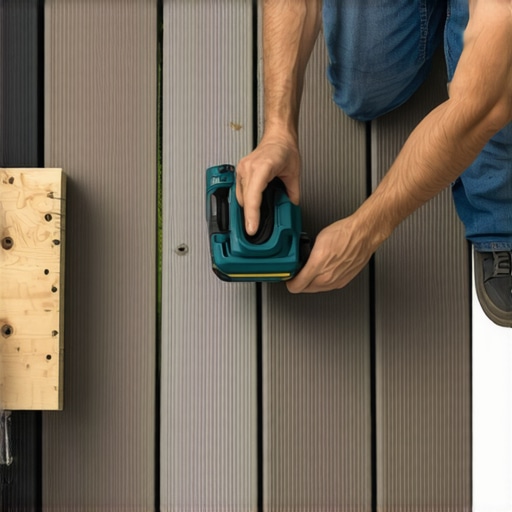
To make your maintenance routine even more efficient, I recommend trying a dual-action power sander to prep surfaces before sealing. It’s a game-changer for achieving a smooth, even finish that maximizes longevity. Mastering these advanced techniques not only preserves your investment but also enhances safety and aesthetics. Ready to elevate your outdoor project? Implement one of these expert-recommended tools or methods today and experience the difference in your next maintenance session.
< }
}
Lessons I Wish I Learned Before Building My First Deck
One of the biggest surprises I encountered was realizing that aesthetics can sometimes conflict with comfort and durability. Choosing dark composite boards looked sleek, but I also learned that such choices can turn your summer afternoons into unintentional roasting sessions. The importance of thoroughly researching heat-reflective materials became clear when I saw the noticeable difference in surface temperatures and foot comfort between lighter and darker decks. Additionally, I discovered that integrating natural shade elements, like strategically planted trees or custom pergolas, can dramatically reduce surface heat and extend the lifespan of your decking materials. These lessons taught me that thoughtful planning—beyond just style—is vital for a sustainable outdoor sanctuary.
My Favorite Tools and Resources for Lasting Outdoor Spaces
I rely heavily on a high-quality impact driver with variable speed for precise fastener installation, which makes building and maintaining decks much easier. A digital moisture meter is invaluable for early detection of hidden rot or water intrusion, saving money before problems escalate. For cleaning and sealing, I swear by eco-friendly sprays applied with a pneumatic sprayer—ensuring even application without damaging the surface. When it comes to learning more about advanced techniques, I turn to trusted industry sources like this guide and this resource. They help me stay updated on innovations that keep my outdoor projects ahead of the curve.
Embrace the Future, Start Today
Your outdoor living space is an extension of your home—an area for relaxation, entertaining, and creating lasting memories. Applying even a few insights about material choices and layout strategies can transform your deck into a cooler, safer, and more inviting haven for years to come. Remember, the best time to start upgrading your outdoor space is now; with the right knowledge and tools, you can craft an oasis that withstands the sun and celebrates your unique style. Ready to take the first step? Your perfect outdoor retreat awaits. Have you ever faced challenges with deck heat or safety? Share your experiences below and let’s grow together.