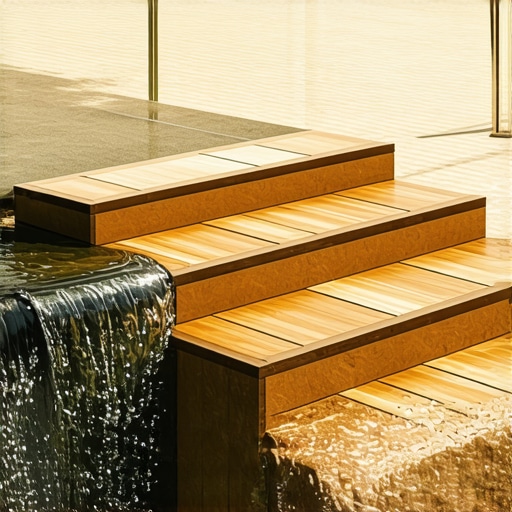
I vividly remember the moment I first stepped onto my deck and noticed that the waterfall edge on my stairs looked uneven and poorly finished. It was frustrating because I knew that a sleek, professional finish could transform the whole look of my outdoor space. That lightbulb moment made me realize that the way I frame the waterfall edge isn’t just about aesthetics; it impacts safety, durability, and overall enjoyment of my deck.
Why the Waterfall Edge on Your Deck Stairs Deserves Your Attention
The truth is, many DIY enthusiasts overlook the importance of properly framing waterfall edges. They might think it’s a minor detail, but improper finishing can lead to costly repairs and safety hazards down the line. When I learned how to do it right, everything changed—my stairs looked more polished, and I felt more confident in my craftsmanship. If you’ve struggled with uneven edges or fear your project might fall apart over time, you’re not alone. Today, I promise we’ll explore the best techniques to create a flawless waterfall edge that elevates your entire deck design.
Concerned That It’s Too Complex or Not Durable Enough? Think Again
Early on, I made the mistake of assuming that a waterfall edge was just a fancy cosmetic detail. I underestimated how crucial proper framing and sealing are for longevity. Trust me, ignoring these steps can lead to water infiltration, rot, and even structural failure. The good news is, with the right approach—like ensuring your boards are correctly supported and sealed—you can avoid these pitfalls. For more insights on durable outdoor solutions, check out Choosing the Right Composite Decking and discover why professional guidance often makes all the difference. Now, let’s dive into how to get this right from the start—so your waterfall edge becomes the envy of your neighborhood rather than a DIY disaster waiting to happen.
Secure Your Layout First
Start by precisely measuring your stairs and identifying the existing edges. Use a chalk line or a laser level to mark your cutting or supporting points. In my own project, I once mistakenly assumed my measurements were perfect, only to realize later that the support posts were slightly off, causing uneven edges. Double-check your measurements multiple times—accuracy here prevents headaches later.
Use Support Blocks for Stability
Support blocks act like the foundation of a house—they keep everything aligned. Cut scrap pieces of your decking material to fit snugly between stringers and the riser supports. Screw them securely into place. During one weekend, I used temporary support blocks to hold my stringers in position; once fixed, the waterfall edge was perfectly level and sturdy, giving my stairs a professional look.
Cut and Support with Precision
Measure and cut your decking boards carefully, ensuring their length and angles match the support structure. When I first attempted to cut a curved support, I used a jigsaw without proper support, which led to splintered edges. To avoid this, clamp the board securely and cut slowly, maintaining a steady hand. This step is like tracing the silhouette of a sculpture—precision is key for a clean finish.
Seal and Waterproof for Durability
Apply a high-quality sealant or waterproofing agent to all exposed edges and joints. Think of it as sealing a well-crafted boat—waterproofing extends the lifespan of your stairs. I once missed sealing an edge, and after heavy rain, I found some minor rot forming. Consistent sealing prevents water infiltration, greatly enhancing the durability of your waterfall edge.
Final Adjustments and Inspection
Once assembled, step back and assess the profile. Run a sanding block along edges for a smooth finish. In my experience, small imperfections can be hidden with a quick sand. Ensure all screws are countersunk and covered with filler or caps for safety and aesthetics. Regular inspection after installation helps catch any issues early, maintaining your stairs’ beauty and safety.
Remember, the key to a flawless waterfall edge lies in meticulous measurements, support, precise cuts, and protective sealing. For deeper insights on designing safe stairs, consider visiting Designing Safe and Stylish Stairs for Outdoor Decks in 2025. Applying these steps will elevate not just your deck’s appearance but also its longevity and safety—making your outdoor space truly inviting and secure.
Many enthusiasts assume that choosing standard materials or following popular tutorials guarantees a durable, beautiful outdoor staircase. However, in my extensive experience working with custom decks and outdoor structures, I’ve uncovered several nuanced misconceptions that can derail even seasoned DIYers. One prevalent myth is that all composite decking is created equal—many believe that any product labelled ‘composite’ will withstand the elements equally well. In reality, the latest trends—like mineral core composite boards—offer significantly enhanced resistance to fading and staining, which is critical for longevity see the 2025 trends guide.
Another common trap is underestimating the importance of proper support and framing technology. Some think that the same techniques used for interior stairs suffice outdoors; yet, outdoor stairs face unpredictable moisture, temperature variations, and heavy usage. Failing to incorporate advanced drainage solutions and sealed framing can lead to premature rot and safety hazards. As I often point out in my walkthroughs, partnering with a skilled professional deck builder can save you from these pitfalls.
What about the misconception that simple, traditional support methods are enough? Many overlook the advances in fastening technology—like hidden fasteners and stainless-steel hardware—which are designed to dramatically increase durability and aesthetic appeal. For example, the wrong choice of fasteners can cause unwanted stains or even compromise the integrity of composite boards over time see how experts improve deck support.
In terms of design, some assume that standard stair stringer framing suffices for all slopes and terrain. The truth is, advanced framing techniques—such as adjustable stringers and custom cuttings—are essential for achieving flawless, safe stairs on uneven ground. This subtle nuance, often overlooked, prevents the dangerous wobbling or misalignment that can occur with generic solutions. And, for those who want to push beyond the basics, I recommend studying innovative stair designs that combine safety and aesthetic appeal.
An advanced mistake I frequently observe is neglecting proper water management. Even with high-quality composite boards, insufficient drainage planning can result in water pooling and damage beneath the deck or stairs. Incorporating proper flashing and sealing strategies—like the real secrets I discuss in my articles—extends the lifespan of your outdoor fixtures considerably explore innovative solutions here.
Finally, a crucial nuance to recognize is the importance of ongoing maintenance and inspection—something many skip because they believe a well-built deck requires no further care. But I advise regular assessment of fasteners, sealants, and structural components, especially after harsh seasons. Staying proactive can save you time, money, and, most importantly, peace of mind.
Have you ever fallen into this trap? Let me know in the comments. Remember, understanding these hidden nuances empowers you to build not just a beautiful deck, but a lasting statement of craftsmanship.
Investing in Reliable Tools for Long-Term Success
When it comes to maintaining and scaling your outdoor living space, having the right tools makes all the difference. I personally rely on a high-quality cordless oscillating multi-tool because it excels in precision detail work, whether you’re sanding tight corners or removing old sealant. Its versatility streamlines tasks that would otherwise require several specialized tools, saving time and reducing frustration. For deep cleaning, I recommend a pressure washer with adjustable nozzles; I prefer models that offer variable pressure controls, ensuring gentle cleaning of composite decking without damaging the surface. A good pressure washer keeps your deck spotless, extending its lifespan. Furthermore, investing in a laser level is crucial for projects like installing stairs or aligning support beams accurately. I use a rotary laser level because it delivers a 360-degree reference, which is invaluable for ensuring that your entire structure remains level over time—a key factor when you’re scaling or adding features. Regular maintenance of these tools by cleaning blades, updating batteries, or calibrating lasers ensures consistent performance, much like caring for your deck materials.
Software and Planning for Seamless Projects
While physical tools are essential, digital planning software has become an invaluable asset. I utilize 3D design apps like SketchUp to model projects before breaking ground. This approach helps identify potential issues with support placement or stair angles, reducing errors and material waste. As composite decking trends evolve—see the 2025 trends guide—staying ahead with detailed plans ensures compatibility and durability. Cloud-based project management tools also keep track of budgets, scheduling, and inspections, which is particularly helpful when scaling up your outdoor living area or coordinating with professionals.
How do I maintain outdoor structures over time?
Consistency is key when it comes to maintenance. Schedule seasonal inspections to check for loose fasteners, sealant deterioration, or water pooling. Applying sealants designed for composite materials, as outlined in expert guides, helps prevent water ingress and rot. I also advise greasing and lubricating moving parts on features like retractable awnings or adjustable supports to prevent rust and ensure smooth operation. In the future, I predict that smart sensors and IoT devices will increasingly automate routine maintenance alerts—saving you even more time and effort. Meanwhile, sticking to proven tools and timely upkeep will keep your outdoor spaces safe and inviting for years to come. For comprehensive support, consider consulting a professional deck builder who can recommend tailored tools and methods. Try integrating a cordless oscillating multi-tool into your maintenance routine—it will revolutionize your approach and deliver cleaner, more precise results.
Building beautiful and durable outdoor stairs with perfect waterfall edges is both a science and an art that goes beyond quick tutorials. One lesson I wish I’d embraced earlier is the importance of patience and attention to detail—rushing through measurements or skipping sealing steps can haunt you long after the deck is built. The biggest lightbulb moment came when I realized that every support and cut isn’t just about aesthetics but about ensuring safety and longevity. Remember, the true beauty of your outdoor space is rooted in the unseen, carefully executed details.
Less Obvious Wisdom from a Deck Builder’s Journey
- The Myth of Simplicity: I once believed that waterfall edges were purely cosmetic, but neglecting support and sealing turned some of my projects into rotting messes. Now, I see them as the backbone of both beauty and durability.
- Tools Are Your Best Allies: Investing in quality, like a laser level or stainless-steel fasteners, has saved me countless hours of rework. These tools are not just accessories but essential partners in professional craftsmanship.
- Material Choices Matter: Picking the right composite decking, especially with the latest mineral core options, can make or break your project’s resistance to the elements. Staying informed through resources like the 2025 trend guide keeps me ahead.
- Water Management Is Critical: Proper flashing, sealing, and drainage are easy to overlook but defend your investment against rot and damage. It’s about thinking long-term, not just quick finishes.
- Maintenance Is a Mindset: Regular inspections and upkeep preserve safety and appearance. My routine includes seasonal sealant reapplications and fastener checks, which save me from costly repairs later.
Tools and Resources That Changed How I Build
- Cordless Oscillating Multi-Tool: Perfect for refining curves and sanding tight spots, this tool is a game-changer for professional finishing.
- Variable Pressure Pressure Washer: I trust models with adjustable nozzles—cleaning composite surfaces without damage is effortless with the right equipment.
- Laser Level: Ensuring perfectly level stairs and supports avoids wobbling and unsafe slopes. Precision here is worth every penny.
- 3D Design Software like SketchUp: Visualizing your project before breaking ground prevents errors and helps with support placement, saving time and material.
Believe in Your Outdoor Living Dream
Every deck and staircase I’ve built has taught me that meticulous planning, quality tools, and ongoing maintenance are the keys to lasting beauty and safety. Now, it’s your turn—trust the process, invest in good tools, and don’t hesitate to seek expert advice when needed. Your outdoor space is more than just a project; it’s an extension of your home and personality. So, take that first step confidently, and watch your backyard transform into a sanctuary of craftsmanship and comfort.
What’s the most challenging part of building your own deck or stairs? Share your experiences and questions below—I’d love to hear your story.