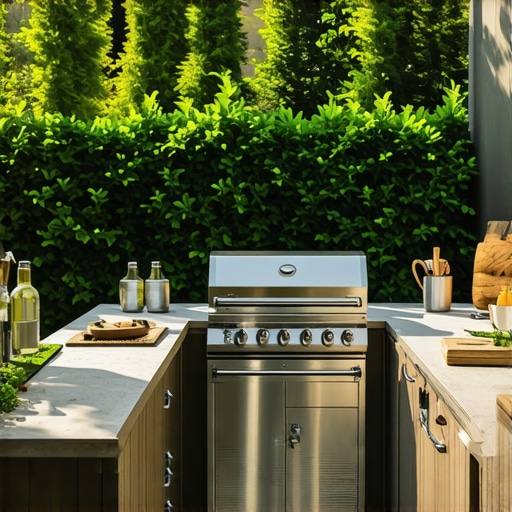
I remember the exact moment I realized my outdoor kitchen dreams might be slipping away. Standing on my narrow deck, looking at the limited space I had to work with, I felt a mix of frustration and determination. Every idea I had was blocked by the narrow dimensions, making me wonder if I could ever create a functional outdoor cooking area without sacrificing my backyard’s openness.
The Challenge of Small Spaces: Why Your Outdoor Kitchen Dreams Feel Out of Reach
Building an outdoor kitchen on a tight deck can seem like an impossible puzzle, especially when space is at a premium. I was undeterred, knowing there had to be a way to make it happen. After all, a well-designed outdoor kitchen isn’t just about appliances and counters—it’s about **crafting an efficient, inviting space within constrained dimensions**. This is where smart planning and innovative ideas come into play. I’ve learned from experience that choosing the right materials and layout can turn a narrow deck from a squeeze into a gourmet paradise. For example, using sleek, space-saving cabinetry and compact appliances can maximize utility without cluttering the area. Want to see how I did it? I’ll walk you through my journey and share strategies that might just work for your yard too. Before diving into the details, let me ask—have you ever felt that your outdoor space was too small for the features you envisioned? If so, you’re not alone. Many homeowners face this challenge but discover that with the right design approach, their narrow decks can transform into charming outdoor retreats. Interestingly, according to a report by the National Recreation and Park Association, smart outdoor space utilization can significantly boost your home’s value and enjoyment—no matter the size. Now, let’s move from problem to solution, and explore how to intelligently design your outdoor kitchen for maximum impact.
Plan with Precision and Purpose
Start by sketching your space, noting the dimensions and existing features. Measure every inch of your narrow deck to identify potential zones for cooking, prepping, and storage. Think like a puzzle solver; your goal is to fit essentials without overcrowding. Use graph paper or design software to visualize different layouts, experimenting with placements of appliances and furniture.
Choose Space-Saving Appliances and Storage
Select compact, multi-functional appliances to save space. For instance, consider a slim refrigerator or a built-in grill that blends into cabinetry. Incorporate vertical storage solutions, such as wall-mounted racks or hanging hooks, freeing up counter space. When I built my own outdoor kitchen, I opted for a narrow prep station that doubled as storage, which kept everything within reach without cluttering the deck.
Implement Smart Decking and Material Choices
Opt for lightweight, durable materials like composite decking, which offers low maintenance and resistance to weathering. When selecting decking, look for trends like antimicrobial surface treatments or color options that stay cool in the sun (see latest trends). Use hidden fasteners for a clean look—this technique is essential in tight spaces where every detail matters. Remember, a seamless surface enhances safety and visual appeal.
Design Effective and Safe Stair Transitions
If your outdoor kitchen involves multiple levels, stairs become pivotal. Use creating seamless transitions methods to ensure smooth access. For narrow decks, stringer layout must be precise; I once made the mistake of spacing the stringers too far apart, causing bouncy stairs. Using a 3D design model helped me avoid such errors and confirmed the aesthetic flow.
Maximize Space with Clever Layout and Integration
Arrange appliances and prep zones along the perimeter to open up the center area, keeping flow natural and unobstructed. Consider corner configurations—these often maximize space more effectively. For example, I built a curved countertop in a tight corner, which improved usability without sacrificing style. Integrate seating or a small dining area that can be tucked away when not in use (see more ideas).
Ensure Safety and Accessibility
Implement proper lighting for nights and low-light conditions. Low-profile LED fixtures along stairs and under counters improve safety without cluttering the look. Design stairs that meet code and are comfortable; avoid closed risers at your stairs to prevent tripping hazards, especially on narrow paths. Refer to this guide for detailed steps. I once added LED strip lighting under the stair treads which made nighttime use both safe and stylish.
Finish with Detail and Cohesion
Use consistent colors and materials to unify the space visually. Integrate hidden storage solutions beneath seating or counters to maximize utility. Incorporate a focal point like a small fire pit or a textured wall to create ambiance. Remember, even in tight spaces, thoughtful details can make your outdoor kitchen feel expansive and inviting—like a secret garden in your own backyard.
Many homeowners believe that installing outdoor stairs, especially on composite decks, is straightforward, but this oversimplification can lead to serious issues. For example, a frequent misconception is that standard stringer framing is universally suitable. In reality, improper framing can cause bouncy or unstable stairs, compromising safety and comfort. It’s crucial to understand the nuances of proper stringer layout, such as precise spacing and load distribution, to prevent future problems. Falling into this trap often results in the need for costly corrections later. I recommend consulting detailed guides like the one on creating seamless transitions to ensure your stairs are both safe and aesthetically pleasing.
A second myth is that composite decking requires minimal support and can span long distances without intermediate framing. While composite materials are durable, they demand specific support spacing to prevent sagging and buckling, especially in high-traffic areas. Overlooking this can lead to uneven surfaces that detract from your outdoor aesthetics and safety. My advice? Follow current trends and manufacturer recommendations on composite decking trends to choose the right support systems and avoid these pitfalls.
Another advanced point many miss is the importance of thermal expansion in composite decks. Unlike traditional lumber, composites expand and contract with temperature changes, which, if not properly accounted for during installation, can create gaps, warping, or buckling over time. This nuance is often overlooked by DIYers eager to finish quickly, but neglecting it can lead to security risks and increased maintenance costs. Experts stress the significance of leaving appropriate gaps and fastening techniques, as outlined in deck-to-house connection guides, to accommodate these movements.
Furthermore, many assume that hiring a professional deck builder is unnecessary if they are handy or have some experience. However, the subtle details—such as proper flashing, precise framing, and adherence to safety codes—are critical to the longevity of your outdoor structure. Working with an experienced professional deck builder ensures these aspects are addressed, saving you money and stress in the long run.
Have you ever fallen into this trap? Let me know in the comments. Remember, understanding these nuances and myths can dramatically improve your outdoor living project’s success and safety—so stay informed and plan wisely.Maintaining your outdoor decking and stairs is crucial for ensuring longevity, safety, and aesthetic appeal. Over time, exposure to weather, foot traffic, and environmental factors can cause wear and tear, making the right tools and routines indispensable. I personally rely on a combination of specialized equipment and strategic methods that I’ve tested over multiple projects. For example, a high-quality power washer with adjustable pressure settings helps me efficiently clean composite decking without damaging the surface. I prefer models with noise reduction features and variable spray patterns because they provide the control necessary to remove dirt, mold, and algae safely.
How do I maintain composite decking and stairs over time?
One of my go-to tools for this task is a soft-bristle deck brush paired with eco-friendly deck cleaners, which safeguard the material’s surface and ensure a consistent appearance. Regular inspections are equally important; I make it a habit to check for loose fasteners, signs of rot, or damage at least twice a year. When I find warped or damaged boards, I use a composite board scribe to neatly cut replacement pieces, maintaining the deck’s seamless look. Staying proactive in maintenance helps prevent minor issues from escalating into costly repairs or safety hazards.
For sealing and protecting your deck, I recommend using a high-quality, water-based sealant compatible with composite materials. Applying this every 2-3 years with a brush or roller preserves the surface and extends its lifespan. Interestingly, recent trends in composite decking involve antimicrobial surface treatments that inhibit mold growth—a feature I actively look for when selecting materials (see latest trends).
Regarding stair safety, installing non-slip tread inserts is an easy upgrade. I suggest choosing textured, weather-resistant materials that can be fitted into existing steps. For harsh climates, using a thermal imaging camera during inspections can identify areas prone to heat trapping or ice buildup, which are potential slipping hazards. Embracing these tools and practices not only enhances safety but also preserves the beauty of your outdoor space.
Investing in the right equipment and routine maintenance pays off by preventing major repairs and extending the lifespan of your deck and stairs. For example, temporarily, I installed LED strip lighting under stair treads to improve night visibility, which also added an inviting ambiance. Why not try incorporating one of these advanced maintenance techniques into your outdoor living upkeep today? It can make a tangible difference in your project’s durability and safety.
Lessons I Didn’t Expect to Learn About Narrow Outdoor Kitchens
- I realized that meticulous planning and tailored solutions are crucial when working with limited space, turning a seemingly impossible project into a personal masterpiece.
- Choosing multifunctional and compact appliances not only optimized space but also encouraged me to think creatively about usability and aesthetics.
- Patience and attention to detail, especially in aspects like stair support and decking materials, ultimately saved me from costly mistakes and safety issues.
- Collaborating with experienced professionals can genuinely elevate your project, ensuring durability and safety, especially when intricate features like stairs are involved.
My Go-To Resources for an Outdoor Kitchen Makeover
- Deck Design Software: Tools like SketchUp or Houzz helped me visualize layouts precisely before construction, saving time and money.
- Trusted Material Guides: I rely on manufacturer recommendations and recent trends to select resilient, low-maintenance decking materials that withstand weather and wear.
- Professional Consultation: Consulting experienced deck builders, as recommended here, proved invaluable for safety-conscious stair design and structural integrity.
- Safety and Maintenance Tips: The latest safety guidelines helped me ensure my stairs are secure, comfortable, and code-compliant.
Empower Your Outdoor Dreams Today
Building a stunning outdoor kitchen on a narrow deck is more achievable than you think with thoughtful design, the right resources, and a willingness to learn from the experts. Remember, every challenge is an opportunity to create a personalized space that enhances your outdoor living experience. Now’s the perfect time to start planning your project—your backyard oasis awaits!
What’s been your biggest obstacle in designing your outdoor space? Share your story below, and let’s inspire each other to turn small spaces into extraordinary retreats!