
It happened to me on a blazing summer afternoon—stepping onto my dark gray composite deck, only to yelp and hop back because my bare feet felt like they were touching a hot asphalt parking lot. At first, I dismissed it as a freak incident, maybe an unusually hot day. But week after week, I kept experiencing the same scalding sensation. That lightbulb moment hit me: my beautiful, sleek decking was turning into a mini sauna for my toes.
The Hidden Heat Trap Beneath Dark Decking
This was more than just an annoyance; it was a serious safety concern, especially for families with children or elderly members. Dark-colored composite decks, like my own, absorb and radiate heat rapidly, making barefoot walks uncomfortable or even dangerous. Why does this happen? Well, the darker pigments in composite decking materials trap more heat from sunlight, turning that aesthetic and durability into a potential hazard.
Young, vibrant outdoor spaces lose their charm if they turn into literal hot zones. Imagine enjoying an evening on your deck, only to find your legs scalded after a quick step outside. It’s enough to make you reconsider that sleek dark gray finish you fell in love with—trust me, I’ve been there.
But here’s the good news: I found practical ways to tackle this problem. You don’t have to settle for burning feet every summer. Today, I’m going to share what I’ve learned about choosing cooler composite decking options, and how simple modifications can keep your outdoor space both stylish and safe.
Before we jump into the solutions, let’s clear up a common doubt. Many skeptics ask, “Is this heat issue really worth the fuss?” Well, considering that according to the US Consumer Product Safety Commission, temperature extremes can cause serious burns and slips, it’s definitely a concern worth addressing. And if you think only dark colors are affected, think again—lighter shades can also heat up under certain conditions.
Early on, I made the mistake of ignoring this heat factor altogether, assuming all composite decks behaved similarly. That was a rookie error. Now, I prioritize heat-reflective materials and proper installation techniques. Want to learn how to keep your deck cool and comfortable? Stick around, because the solutions are simpler than you might think, and the impact on your outdoor experience is genuinely transformative.
Choose Reflective or Light Colors for Your Deck
Start by selecting a lighter shade of composite decking material, such as tan or beige, which reflects more sunlight and absorbs less heat. During installation, verify the manufacturer’s options for cool-tone composites, as these are designed with heat reduction in mind. I once swapped my dark gray planks for a sand-colored variant, and the difference was immediately noticeable—barefoot walks became much more comfortable.
Install Proper Ventilation and Airflow
Ensure that your deck design promotes good airflow underneath by spacing supports appropriately and avoiding tight enclosures. This prevents heat from getting trapped beneath the surface. When I built my deck, I used spacers and raised the joists slightly, which improved airflow and cut down the hot spots significantly.
Incorporate Shade Structures Effectively
Adding pergolas, umbrellas, or retractable awnings can cast critical shadows on your deck, reducing direct sunlight exposure. I set up a pergola with climbing vines, creating shade during peak heat hours. To make this more efficient, position shade structures strategically based on the sun’s path—this can be calculated using online tools or apps, saving you from trial and error.
Apply Cool Decking Coatings and Accessories
Use reflective coatings or cool deck paint that refracts sunlight rather than absorbing it. Applying a silicone-based sealer or reflective paint not only prolongs the deck’s life but also keeps surface temperatures down. I remember my neighbor using a reflective sealant, and their deck stayed noticeably cooler compared to mine. Additionally, consider outdoor rugs or mats in high-traffic areas to reduce heat absorption, especially near stairs and seating zones.
Optimize Stair and Railing Design
Stairs and railings can also contribute to heat accumulation if designed poorly. Choose materials with reflective properties or lighter colors, and include open risers to improve air circulation. For a cohesive look, check out top stairs designs that improve both safety and aesthetics.
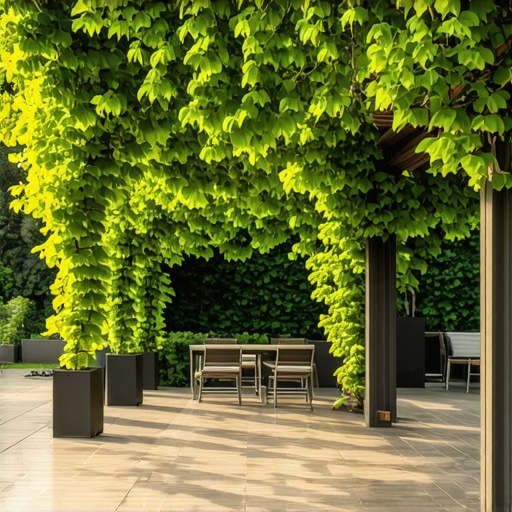
Implementing these steps requires planning, but the payoff is a cooler, more inviting outdoor space. Remember, small modifications like spacing supports or adding shade can make a substantial difference in your comfort without a full overhaul.
Many enthusiasts believe that choosing the most popular materials or following generic advice guarantees a perfect outdoor space. However, as someone deeply involved in deck construction, I can tell you that a lot of what’s accepted as gospel is actually rooted in myths or oversimplifications. For example, a widespread belief is that composite decking is inherently maintenance-free; in reality, many high-quality options require proper cleaning and occasional refinishing to prevent staining and discoloration. Moreover, a common mistake is underestimating the importance of correct stair design—improper riser heights or unsupported stringers can lead to safety hazards and uneven surfaces, especially on sloped terrains. Advanced builders know that paying attention to these nuances ensures longevity and safety; for instance, using proper flashing techniques when attaching decking to walls prevents rot, a detail many overlook. Another myth is that darker colors always trap more heat, but recent studies show that certain composite formulations incorporate reflective pigments that mitigate this problem significantly. To avoid these pitfalls, I recommend consulting expert guides and avoiding shortcuts that can compromise your project’s durability. Want to improve your outdoor project? Dive into our comprehensive resources on deck builder insights or explore advanced stairs design solutions to enhance safety and style. Remember, understanding these hidden nuances can save you time and money, and create a safer, more beautiful outdoor living environment. Have you ever fallen into this trap? Let me know in the comments.
Maintaining a beautiful and durable composite deck requires more than just good materials—it demands precision tools and dedicated routines. Over the years, I’ve refined my toolkit to ensure every project I undertake stands the test of time, safety, and style.
Why Invest in Quality Power Tools for Deck Maintenance
My go-to power tool is the Cordless Impact Driver. It’s indispensable for driving fasteners efficiently, especially when working with composite materials which can be tricky to fasten correctly. I prefer models like the Milwaukee M18 Fuel Impact Driver because of its balance between power and weight, reducing fatigue during prolonged projects.
For cutting composite boards precisely without melting or chipping, I rely on a Dedicated Circular Saw with Carbide Blade. The Festool TS 75 EQ is my top pick due to its clean cuts and adjustable bevel, ensuring perfect joints and aesthetics over time. Always remember, using the correct blade is crucial—avoid cheap alternatives that wear quickly and produce rough edges.
Software That Keeps Your Design on Track
When planning complex outdoor spaces, I swear by design software like SketchUp. It allows me to visualize elevations, stair layouts, and walkway transitions beforehand, minimizing costly errors. Investing time in digital planning stacks the deck in your favor, especially when considering long-term scaling or incorporating innovative outdoor features.
Additionally, apps like SunCalc help determine optimal shading and illumination—important for designing safe, comfortable staircases and seating areas that won’t turn into sun traps during peak hours.
Routine Checks and Maintenance Tools
Staying ahead of potential issues involves regular inspections. I keep a Moisture Meter handy to verify wood and support stability, particularly if I plan to add features like built-in seating or planters. The Protimeter Surveymaster is a favorite because it gives instant readings, saving me time and guesswork.
For cleaning and restoring, I swear by a Power Washers with Adjustable Nozzles. A model like the Greenworks 1500 PSI offers sufficient power to remove moss and stubborn stains without damaging the surface. Regular cleaning prolongs the lifespan of composite decking and keeps your outdoor stairs looking brand-new.
What does the future hold? Expect smarter, more efficient tools that complement your craftsmanship.
In upcoming years, trends point toward smart sensors embedded within decking to monitor structural health or moisture levels remotely. Investing now in the right tools positions you ahead of this curve.
How do I maintain my deck tools to ensure long-term reliability?
Regular lubrication of moving parts, like blade guides and fastening mechanisms, prevents rust and wear. Storing power tools in a dry, protected space and periodically cleaning dust and debris extends their life. For hand tools, honing blades and sharpening saw teeth keeps cuts clean and efficient, saving time and maintaining safety during every project.
One advanced tip I recommend is using a laser distance meter for precise measurement of stair riser heights and support spans. Accurate measurements prevent uneven steps and support failure over time. Try integrating this into your next project—precision makes all the difference.
If you’re serious about long-term outdoor success, checking out composite decking trends for 2025 can give you insights into upcoming innovations. Remember, the right tools paired with consistent maintenance routine will keep your deck looking pristine and functioning safely for years to come.

High-quality impact driver and precision saw in action during composite deck installation—best tools for long-lasting results with safety and efficiency.
My Biggest Wake-Up Call with Dark Decking
One summer afternoon, as I stepped onto my dark gray composite deck barefoot, I immediately yelped—hotter than I expected. It wasn’t just a fluke; this was a pattern I overlooked, turning my beautiful deck into a foot-burning hazard. That moment taught me crucial lessons about color choices and heat management that I now value deeply.
What I Wish I Had Known About Heat Absorption
Early on, I underestimated how darker hues inside composite decking materials trap heat, creating uncomfortable outdoor spaces. I learned that lighter shades reflect more sunlight, keeping your deck cooler—making barefoot strolls pleasant instead of painful. Strategic color selection can transform your outdoor experience in subtle but powerful ways.
Simple Tweaks Yield Big Comfort
Proper airflow beneath the deck, shade structures like pergolas, and reflective coatings are game-changers. Installing spaced supports during my deck framing improved ventilation, while adding a pergola reduced direct sun exposure. These affordable, straightforward modifications elevated my outdoor comfort without a complete rebuild.
Avoiding Common Myths That Mislead Deck Builders
Many believe all composite decks heat equally or that dark colors are unavoidable. In reality, innovative formulations incorporate reflective pigments, and thoughtful design choices can drastically reduce heat buildup. Recognizing the truth behind these myths saved me time and money and will do the same for you.
Transforming the Summer Experience: Takeaway Tips
The key is to think beyond aesthetics and consider safety and comfort. Invest in quality materials like lighter-colored composites, ensure good ventilation, and incorporate shade solutions. Small adjustments, rooted in experience and knowledge, can make outdoor living safer and more enjoyable year-round.
My Personal Path Forward
Building my deck taught me that knowledge is the best tool. From using innovative stairs designs to selecting low-heat materials, every decision impacts comfort. Continuous learning and adaptation keep your outdoor space both beautiful and functional for the future.
Share Your Heat Challenges
Have you ever struggled with a deck that got too hot during summer? What solutions worked best for you? Let me know below—your experiences might inspire others to create cooler, safer outdoor retreats.