
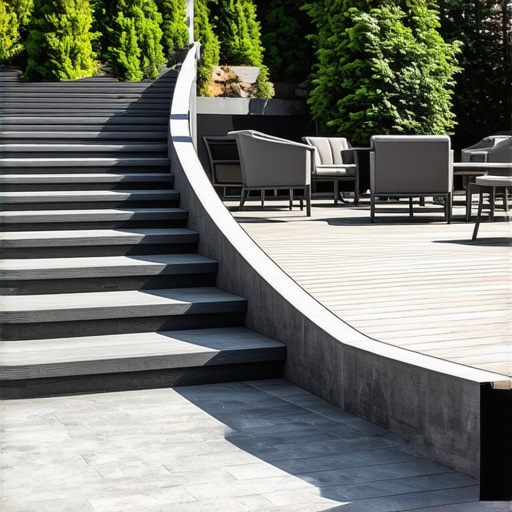
I remember the day I first attempted to upgrade my backyard. I envisioned a seamless transition from my deck to the garden, but instead, I ended up with uneven, slippery stairs that became a safety hazard and a visual eyesore. That lightbulb moment made me realize how overlooked outdoor staircase design can be—yet it holds the power to transform your entire outdoor space. If you’ve ever faced similar frustrations, you’re not alone. Many homeowners struggle with choosing the right materials and styles for their outdoor stairs, often ending up with solutions that don’t last or don’t match their aesthetic goals.
Why Outdoor Staircase Design Matters More Than Ever in 2024
In recent years, outdoor living has surged in popularity. According to a study by the National Association of Home Builders, outdoor spaces now rank among the top home improvement priorities, especially with the increasing demand for functional, stylish, and durable outdoor environments. With more time spent outside, it’s essential that your stairs not only look great but can withstand weather, foot traffic, and the test of time. The good news? Modern materials like composite decking and innovative design ideas are making it easier than ever to create stunning, safe, and long-lasting outdoor stairs.
Is investing in stylish outdoor stairs really worth it?
Absolutely. A well-designed staircase enhances safety, improves accessibility, and elevates your curb appeal. But I’ll admit, I made a mistake early on—rushing into a DIY project without enough research. I picked a material that looked good initially but didn’t hold up against the elements, leading to costly repairs. That experience taught me the importance of choosing the right materials and consulting experts, like professional deck builders, who understand how to balance aesthetics with durability. If you want to avoid the pitfalls I faced, it’s crucial to plan carefully and consider the latest trends and technologies in outdoor staircase design.
So, today, I’ll guide you through the top ideas and essential tips for creating outdoor stairs that are both beautiful and built to last in 2024. Whether you’re planning a small garden pathway or a grand staircase for your deck, these insights will help you make informed decisions and achieve a stunning outdoor space that stands the test of time.
Define Your Design and Material Goals
Start by visualizing how you want your stairs to look and function. Consider the style of your home and garden—do you prefer modern, rustic, or classic aesthetics? Once you have a vision, choose materials that balance durability and style. For example, composite decking offers low maintenance and resistance to weather, making it ideal for outdoor stairs. I once decided to mix composite treads with wrought iron railings, which resulted in a stunning yet resilient feature that withstood harsh winters.
Plan Your Layout and Measurements
Accurate planning prevents future headaches. Use a measuring tape and a level to map out the staircase footprint. Calculate the riser height and tread depth based on standard ergonomic guidelines—typically, risers are 7-8 inches and treads are 10-12 inches deep. I once sketched my design on graph paper, then double-checked with actual measurements, which helped me avoid uneven steps that could be a tripping hazard. For complex layouts, consider consulting a professional to ensure compliance with safety standards.
Select the Right Support Structure
A sturdy support frame is the backbone of your stairs. Use pressure-treated lumber or metal supports to prevent rot and corrosion. For added longevity, I opted for galvanized steel stringers, which I secured into concrete footings. This choice made my stairs feel solid and prevented any wobbling over time. Remember, a well-supported staircase not only looks better but also ensures safety and durability in the long run.
Install the Treads and Risers
Attach your chosen composite treads to the support structure. Use corrosion-resistant screws designed for outdoor use—these will prevent rust and looseness. I pre-drilled holes and used a level to ensure each step was perfectly flat before securing. For risers, consider adding a weatherproof paint or sealant to match your style. Proper fastening and alignment are crucial; a small misalignment can turn your beautiful staircase into a safety hazard over time.
Incorporate Safety Features and Aesthetics
Safety is paramount. Install handrails and balusters that comply with local codes. For a sleek look, I chose glass panels with stainless steel posts, which provided safety without obstructing views. Adding non-slip surface treatments to the treads enhances safety, especially in wet weather. Remember, combining functionality with style elevates your outdoor living space and increases property value.
Finish and Maintain Your Stairs
Apply a weatherproof sealant or stain suitable for composite and wood elements. Regular maintenance, like cleaning with a gentle soap and inspecting for loose fasteners, extends the life of your stairs. I schedule annual inspections to catch any early signs of wear, which has saved me from costly repairs. Proper finishing and upkeep ensure your stairs remain both beautiful and safe for years to come.
Many homeowners believe that choosing the most affordable or easiest materials is sufficient for outdoor stairs, but this is a common misconception. In reality, overlooking nuances such as material compatibility, load distribution, and weather resistance can lead to costly repairs and safety hazards. For instance, some assume that composite decking is always the best choice, yet not all composites are created equal. High-quality composites with UV stabilizers and anti-slip properties outperform cheaper alternatives, especially in climates with intense sunlight or frequent rain. Consulting experts or professional deck builders can help you navigate these choices, ensuring longevity and safety.
What are the advanced considerations for long-term durability and safety?
Beyond basic material selection, advanced homeowners consider factors like proper drainage, ventilation, and reinforcement of support structures. Proper drainage prevents water pooling, which can cause wood rot or mold growth, while ventilation reduces moisture buildup inside support frames. Reinforcing support structures with galvanized steel or aluminum supports ensures stability over decades, especially in earthquake-prone or high-wind areas. According to structural engineers, neglecting these details can drastically reduce the lifespan of your stairs and increase maintenance costs.
Another often overlooked aspect is the importance of precise measurements and load calculations. Misjudging weight capacity or riser height can lead to uneven, unsafe steps. Advanced design involves detailed load analysis, considering not only static weight but dynamic loads like snow, ice, and foot traffic. For example, incorporating anti-slip treads and handrails designed according to ADA standards enhances safety for all users.
Many assume DIY installation saves money, but improper fastening or support placement can undermine safety. Professional consultation can prevent these pitfalls, ensuring your stairs meet local codes and safety standards. For more insights on working with professionals, check out the benefits of working with a professional deck builder.
Have you ever fallen into this trap? Let me know in the comments. Remember, investing in knowledge and proper planning today saves you from costly repairs and safety issues tomorrow.
Maintaining outdoor stairs is crucial to ensure their longevity, safety, and aesthetic appeal. Over time, even the most durable materials can degrade if not properly cared for. In my experience, using the right tools and adopting a regular maintenance routine can make all the difference. One of my go-to tools is a high-power pressure washer, which effectively removes dirt, algae, and debris that can cause slippery surfaces and accelerate wear. I always opt for models with adjustable pressure settings and wide spray nozzles to clean without damaging delicate surfaces like composite decking or painted wood.
For more detailed cleaning, I recommend a biodegradable cleaner designed specifically for outdoor composite or wooden surfaces. Applying this with a soft-bristle scrub brush helps lift stubborn stains and ensures your stairs stay slip-resistant. Safety is a top priority, so I also invest in a good quality non-slip tape or coatings, especially on treads prone to becoming slick after rain or snow. These coatings should be reapplied periodically—usually annually—to maintain their effectiveness.
In terms of maintenance, inspecting fasteners regularly is essential. Loose screws or bolts can compromise both safety and structural integrity. I use a cordless impact driver with a magnetic bit holder to tighten or replace fasteners quickly. For larger support structures, I prefer a torque wrench to ensure bolts are tightened to manufacturer specifications, preventing over-tightening or under-tightening, which could lead to future issues.
Another critical aspect is monitoring drainage around your stairs. Poor drainage can lead to water pooling, which causes wood rot, corrosion of metal supports, and moss growth. Installing a simple gravel bed or slight slope to direct water away from the staircase can significantly extend its lifespan. For ongoing inspections, I schedule a seasonal check to identify early signs of wear, such as cracking, splinters, or rust, allowing me to address issues before they escalate.
Looking ahead, the trend in outdoor staircase maintenance is moving toward smart monitoring systems. These systems use sensors to detect moisture, temperature fluctuations, and structural shifts, alerting homeowners to potential problems early. Incorporating such technology can save you time and money in the long run and is worth considering for high-traffic or complex staircase designs.
How do I maintain my outdoor stairs over time? The key is consistency—regular cleaning, prompt repairs, and protective coatings. For example, I always reapply weatherproof sealant every two years to prevent moisture infiltration. Also, using a digital torque wrench helps me ensure all fasteners are correctly tightened, maintaining safety and stability. If you want to streamline your maintenance routine, I highly recommend investing in a quality pressure washer and a set of impact drivers. These tools make routine upkeep faster and more effective, helping your outdoor stairs stay in pristine condition year-round.
For further insights on professional maintenance practices, you might find this article helpful: expert tips for durable composite decks and stairs. Regular maintenance not only preserves your staircase’s appearance and safety but also maximizes your investment in outdoor living.
The Hardest Lesson I Learned About Outdoor Staircase Design
One of my most valuable lessons was realizing that aesthetics should never compromise safety. Early in my projects, I prioritized stylish materials without considering slip resistance or support strength, which led to costly fixes. Now I know that combining beauty with function is the key to long-lasting outdoor stairs.
3 Myths About Outdoor Staircases That Held Me Back
Myth 1: All composite decking is equal. In reality, high-quality composites with UV stabilizers and anti-slip properties outperform cheaper options, especially in harsh weather. Myth 2: DIY installation saves money. Proper measurements, support reinforcement, and safety features demand expertise—skimping on these can be dangerous. Myth 3: Regular maintenance isn’t essential. Neglecting upkeep accelerates wear and can compromise safety, so routine inspections and cleaning are crucial.
What Experts Won’t Tell You About Building Durable Outdoor Stairs
Most professionals emphasize materials, but the real secret is in detailed planning: ensuring proper drainage, ventilation, and support reinforcement. These factors significantly extend your stairs’ lifespan and safety. Additionally, advanced homeowners consider load capacity, anti-slip surfaces, and compliance with local building codes, which are vital for peace of mind.
Curated Recommendations for Outdoor Staircase Success
- Galvanized Steel Stringers: I trust these for their corrosion resistance and stability, ensuring my stairs remain sturdy for years.
- Composite Decking with UV Stabilizers: These materials resist fading and weather damage, reducing maintenance time.
- Non-slip Treads and Coatings: Safety first! I use these to prevent slips during rainy or icy days.
- Professional Deck Builders’ Resources: Their guides and consultations have saved me from costly errors—especially working with skilled professionals.
Your Turn to Elevate Your Outdoor Space
Designing outdoor stairs that combine style, safety, and durability is an art—and a science. Take your time, plan meticulously, and don’t hesitate to seek expert advice. Your outdoor staircase can become the highlight of your landscape, creating a seamless transition from your home to your garden. Ready to start your project? Dive into the latest trends and innovations in outdoor staircase design and make 2024 the year you transform your outdoor living!
What has been your biggest challenge when planning outdoor stairs? Let me know below!
Reading through this comprehensive guide really highlights how crucial careful planning and material choice are when designing outdoor stairs. I remember my first attempt at building a small staircase in my backyard; I underestimated the importance of support structure and ended up with wobbly steps after just a few months. It’s so true that selecting high-quality, weather-resistant materials like UV-stabilized composites can dramatically extend the lifespan of your stairs, especially here in rainy Northwest climates. I also appreciate the emphasis on safety features such as non-slip coatings and proper drainage—these details can prevent accidents and costly repairs down the line.
In my experience, working with a professional deck builder made a huge difference. They understood advanced load calculations and optimal support reinforcement, which made the entire project more secure and durable. Has anyone here considered integrating smart sensors for ongoing monitoring of structural health? I’ve heard it’s a game-changer for high-traffic outdoor staircases, giving peace of mind that issues are caught early before they become serious safety hazards.
This post really hits home for me because I’ve struggled with outdoor stairs that look good but aren’t practical long-term. I learned the hard way that high-quality materials are worth the investment, especially in climates with lots of rain and humidity. I built a set using some composite decking that claimed to be UV stabilized, but after a year, I noticed some fading and a few slippery spots. It was a good reminder that not all composites are equal. What’s your take on the best anti-slip features for stairs in unpredictable weather? I’ve been considering textured coatings or specialized non-slip tapes—any recommendations? Also, incorporating proper drainage was a game-changer for me; I realized that water pooling was damaging my support structure over time. Has anyone experimented with drainage solutions integrated into the stair design itself? Looking forward to hearing more tips and tricks—keeping outdoor stairs safe and attractive is a continuous learning process!
This post really underscores the importance of planning and choosing the right materials for outdoor stairs. I had a similar experience where I rushed a DIY project without sufficient research and ended up with a wobbly, slippery staircase that was a safety hazard. Investing in high-quality materials like UV-stabilized composite decking definitely pays off in the long run, especially in wetter climates. I also found that integrating textured, non-slip coatings made a huge difference in preventing accidents, especially during rainy seasons. When it comes to drainage, I’ve installed slight slopes and gravel beds beneath my stairs to divert water effectively, which has greatly extended their lifespan.
A question for others here: has anyone experimented with or found effective any smart monitoring systems for outdoor stairs? I’m curious about technologies that can alert you to structural issues early before they become dangerous. Safety and durability should always go hand in hand, and I’d love to hear more about innovative solutions or personal experiences related to that.
This article really hits the mark about the importance of support structure and material choice when designing outdoor stairs. I remember building my own set a few years ago, and I didn’t pay enough attention to drainage, which caused water pooling around the supports during heavy rains. Over time, I had to replace parts that rotted faster than expected. Since then, I’ve learned that integrating proper drainage solutions, like installing a slight slope or gravel beds, can make a huge difference in extending the lifespan of your stairs. I’m also curious, has anyone experimented with using embedded sensors or smart technology to monitor stair stability? I think combining durable materials with technology could be the future of outdoor staircase safety, especially in high-traffic areas. Would love to hear if anyone has tried or is considering this approach.