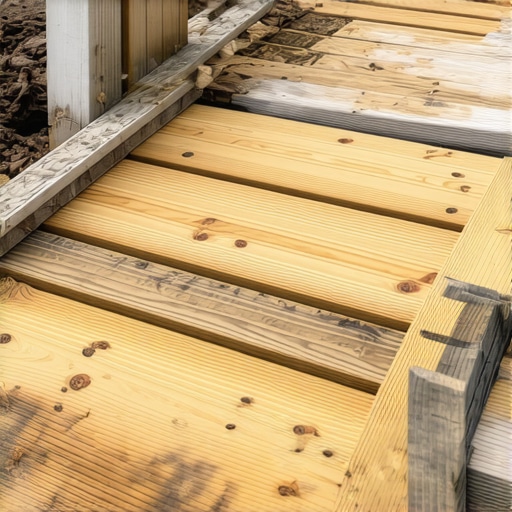
I’ll never forget the moment I stepped onto my outdoor deck and immediately felt that unnerving dip under my feet. It was subtle at first, like a slight unevenness I brushed off as just a weather effect. But over time, that tiny sag turned into a noticeable dip, causing my chairs to wobble and my confidence in the deck’s sturdiness to plummet. That lightbulb moment made me realize: my beautiful composite deck was actually sagging—something I hadn’t initially anticipated—and I needed to find a fix before it got worse.
Understanding Why Your Composite Deck Sags
Composite decks are popular for their low maintenance and long-lasting appeal. However, they aren’t immune to issues like sagging, which can surprise many homeowners. The culprit often lies beneath the surface—literally. Over time, the support structure, or the joists, can weaken or become uneven. Poor installation, inadequate support beams, or seasonal shifts can also contribute to that dreaded dip.
One common mistake I made early on was assuming that composite decking was completely maintenance-free and forgettable. I didn’t pay enough attention to the support system during installation, which is crucial for long-term stability. According to research by Deck Design Build, proper framing and support are the backbone of a sag-free deck. Neglecting this can lead to issues down the line, even with the most durable-looking materials.
So, why does this matter? Well, besides the obvious safety concerns, a sagging deck can diminish your outdoor enjoyment and even decrease your home’s value. Fixing it isn’t as complicated as it seems—once you understand the core reasons, you’ll be better equipped to address the problem.
Is Sagging Really a Big Deal? The Skeptic’s Perspective
Many homeowners fear that fixing a sagging deck requires tearing everything apart. I get it. The idea of a major renovation is intimidating and costly. But here’s the truth: often, you can correct minor to moderate sagging with some targeted reinforcement and support adjustments. My mistake early on was assuming that a sag was permanent or would only worsen, which isn’t always the case. With the right approach, your deck can regain its stability and look as good as new.
Have you experienced this problem on your deck? Or are you worried that a sag is inevitable? Stick around—I’m going to walk you through the practical steps I took and offer tips that can save you time, money, and headaches in the process.
Assess the Sagging Support Structure
Start by inspecting the support joists beneath your deck. Use a level or a long straightedge to identify uneven areas or dips. I once noticed a significant sag in my deck’s corner after a heavy rain; using a carpenter’s level across the joists revealed one that had shifted due to improper fastening. Mark the compromised areas for targeted repairs.
Strengthen and Reinforce Joists
Replace or reinforce weakened joists with additional framing. For instance, in my project, I installed sister joists—second pieces of lumber bolted alongside existing ones—to add stability. Ensure your new supports are secured with heavy-duty lag bolts or structural fasteners. This process is akin to adding a brace to a wobbly table, transforming instability into firmness.
Align Support Posts and Beams
Check the vertical supports for proper alignment. Use a plumb line to verify if they are straight. If a post has shifted or sunk, lift or replace it with adjustable post bases for precise elevation. Proper support alignment prevents future sagging and evenly distributes weight across your deck, akin to properly tuning the strings of a guitar for perfect pitch.
Address Support Footings and Foundations
Examine the concrete footings supporting your posts. Cracks or settling can cause uneven support. I had to add gravel or pour new concrete piers in certain spots to restore level footing. This step is crucial because a stable foundation is the backbone of a sag-free deck, similar to how a solid foundation keeps a house upright during storms.
Adjust Deck Surface and Framing
Once the structural supports are reinforced, realign the deck surface. Use shims or leveling screws beneath the joists or beams to raise low spots. In my case, I used adjustable jack posts to fine-tune the height across different sections. Carefully tighten all fasteners; loose connections can lead to future instability. Think of this like tuning a suspension system for a smooth ride—every component must be just right.
Seal and Protect the Support System
Apply corrosion-resistant treatments to metal fasteners and wooden supports to prevent rot or rust, especially in humid areas. I coated my new supports with preservative stain before reassembling. Proper sealing extends the lifespan of your repair and maintains deck safety, similar to applying anti-corrosion paint on a bike frame to prevent rusting.
Test the Repair and Monitor
Walk over your deck to test for wobbling or dips. Place weights or furniture strategically and observe if the level holds. Recheck after heavy use or seasonal changes. Continuing to monitor ensures that your fix remains effective, just like regularly checking the tire pressure on your vehicle for optimal performance.
For complex issues or if the sagging is severe, consulting a professional deck builder can save you time and ensure safety. They can provide customized solutions, including designing a support plan that maximizes stability while respecting your outdoor space constraints.
Learn more about professional deck construction insights.
Many homeowners and DIY enthusiasts operate under assumptions about deck construction and outdoor living that can lead to costly mistakes. For example, a common myth is that composite decking is maintenance-free, which isn’t entirely accurate; proper installation and periodic inspections are still essential to prevent issues like warping or sagging. Additionally, many believe that elaborate stair designs are primarily aesthetic, but in reality, safety and code compliance should take precedence, especially with modern standards in mind, as highlighted in advanced stair design guidelines.
Maintaining your outdoor living area, especially a composite deck or staircase, requires the right tools to ensure longevity and safety. Over the years, I’ve refined my toolkit, selecting equipment that not only makes maintenance easier but also delivers professional-quality results. In this section, I want to share the specific tools I recommend, along with insights into how they can help you keep your outdoor spaces in top shape for the long haul.
Choose the Right Power Washer for Safe Deep Cleaning
One of my most trusted pieces of equipment is a adjustable pressure washer. I personally use the Karcher K5 Premium because it offers variable pressure settings, allowing me to clean composite decking without risking damage. The ability to dial down the PSI (pounds per square inch) is crucial when working with composite materials, which can be sensitive to high-pressure water. Regular use of a power washer keeps surfaces free of moss, dirt, and algae, especially in humid climates, extending the life of your deck and preserves the appearance, aligning with expert advice from deck cleaning best practices.
Precision Measuring Tools for Accurate Repairs
Accurate measurements are vital for effective maintenance and repairs. I rely on a laser distance meter like the Bosch GLM 50 C. It provides fast, precise readings that help me identify uneven joists or support structures needing reinforcement. Especially when adjusting beams or leveling the deck surface, a laser measure simplifies the process and improves accuracy over traditional tape measures. Proper measurement prevents future issues—for example, misaligned stairs or uneven decking—saving you time and money in the long term.
Specialized Fasteners and Hand Tools
Quality fasteners, like stainless-steel screws, are non-negotiable for outdoor applications. I always use Grip-Rite stainless-steel deck screws because they resist rust and corrosion, key for preserving the integrity of composite materials. Additionally, a cordless impact driver such as the DeWalt DCF887 makes installing or replacing fasteners quick and effortless, especially in tight spaces. Combining these tools ensures your repairs are secure and durable, significantly reducing the risk of future sagging or rot.
Powerful yet Precise Cutting Equipment
For trimming composite boards or custom framing, I prefer a fine tooth circular saw, like the Makita 5007MG. The saw’s adjustable cutting depth and ergonomic design allow me to make clean cuts without splintering delicate composite material. When paired with a high-quality guide, precision cuts streamline the installation process. Investing in the right saw means cleaner joints and a more professional finish, which matters when crafting features like stair stringers or deck borders.
Future Trends Point Toward Smart Maintenance
Looking ahead, I believe the integration of smart sensors into outdoor structures will revolutionize maintenance. Imagine sensors embedded in support beams that detect rot or stress and send alerts directly to your device. While still in development, this approach could drastically reduce accidental neglect and extend the lifespan of decks and stairs—an exciting possibility, as detailed in future outdoor living trends. For now, equipping yourself with the right tools remains the most effective way to keep your outdoor space safe and attractive.
Next, I challenge you to try upgrading your deck maintenance routine by investing in a laser distance meter. The precision it offers can transform how you measure support structures or plan future modifications, making your projects smoother and more reliable. Remember, the key is consistent, informed care to preserve your outdoor oasis for years to come.
What I Didn’t See Coming About Deck Sagging
The biggest eye-opener for me was realizing how crucial support structure maintenance is. I once thought that choosing durable composite materials meant I could ignore the foundation, but I learned that neglecting joist health was a silent enemy, leading to eventual sagging. Now, I double-check my support beams regularly, knowing that a small overlooked detail can turn into a big problem.
The Hidden Power of Reinforcement Strategies
Adding sister joists and adjustable support posts transformed my approach from reactive to proactive. These techniques are surprisingly straightforward but incredibly effective. When reinforced properly, even an aging support system can feel like new—restoring confidence and safety for my outdoor gatherings. It’s a reminder that sometimes, small reinforcement can make a huge difference.
The Foundation of Trust in Your Deck’s Future
Addressing footings and concrete piers taught me that a solid foundation isn’t just for buildings—it’s the backbone of a happy, safe outdoor space. Cracks and settling might seem minor, but they are signals that your base needs attention. Investing time here pays off by preventing costly repairs later and ensures your deck remains a focal point for years to come.
Tools That Made All the Difference
My essential toolkit includes a laser distance meter, power washer, stainless-steel fasteners, and an impact driver. These might seem basic, but their real value lies in precision and durability. For example, the Bosch GLM 50 C has revolutionized how I measure joist levels without second-guessing. Trust me, having the right tools turns a daunting project into a manageable, even enjoyable, task.
Beyond Repairs: Think Smart for the Long Haul
Looking ahead, integrating smart sensors into your support system could be revolutionary. Imagine receiving alerts if a support begins to weaken—preventing sagging before it starts. While this is still emerging technology, it hints at a future where DIY maintenance is smarter, safer, and more efficient. But even today, regular inspections and the right tools keep your outdoor oasis in top shape.
Insider Wisdom for Future Deck Success
- Choosing high-quality fasteners like stainless steel is one of the best investments to prevent rust, especially in humid or coastal areas. Over time, these tiny choices preserve your deck’s integrity.
- Don’t underestimate the importance of a level foundation; it’s the secret ingredient that keeps your deck safe and visually appealing. I learned this the hard way when a small shift turned into a major wobble.
- Maintenance isn’t a one-and-done task. Schedule seasonal checks and simple reinforcements. Consistency beats expensive repairs and keeps your outdoor space picture-perfect.
Building Confidence with Curated Tools
- The Bosch GLM 50 C laser measure simplifies alignment and leveling tasks—trust me, it’s a game changer.
- Impact drivers like DeWalt DCF887 speed up fastening, ensuring your supports are secure for the long term.
- Power washers such as Karcher K5 Premium keep surfaces clean without damaging composite materials, extending their lifespan.
- Investing in quality fasteners and protective coatings can be the difference between a temporary fix and a permanent repair.
Lighting a Path Forward for Your Outdoor Dreams
Don’t let the fear of repairs hold you back from transforming your outdoor living space. Whether it’s reinforcing support beams or choosing the right tools, every step you take enhances safety and beauty. The future of deck building is not just about materials but about smarter, more reliable design choices. Your dream deck is within reach—start today and keep your outdoor sanctuary strong and inviting for years to come.