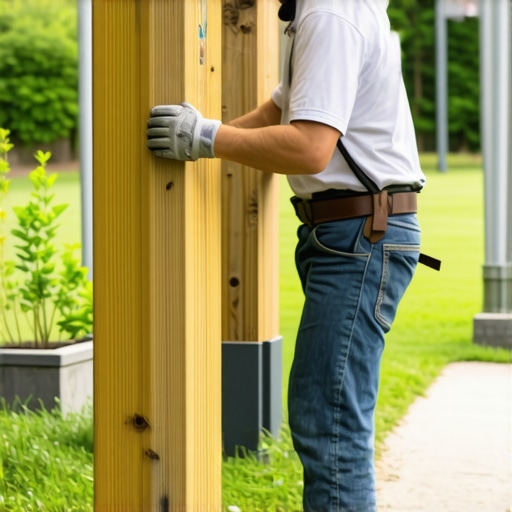
One summer afternoon, I looked out my deck and realized something glaringly obvious—I had designed a beautiful outdoor retreat, but those stubborn, shiny metal post bases kept ruining the aesthetic. No matter how much I tried to hide or disguise them, they remained an eye sore, making the entire space feel unfinished.
As a DIY enthusiast and someone passionate about creating inviting outdoor environments, I knew this was a common problem many decking lovers face. Metal post bases are necessary for structural stability, but their metallic sheen and utilitarian appearance can detract from the overall visual harmony of your deck. They can interrupt the sleek lines of modern designs or clash with natural elements, leaving you with a frustration that lingers every time you step outside.
Today, I’m going to share how I cracked the code to hiding those intrusive metal supports effectively. Whether you’re battling the glare of raw metal or simply want a more polished look, I’ll guide you through practical solutions rooted in real experience and tested techniques.
Transforming Eyesores into Elegant Elements
Many deck owners overlook the importance of integrating support structures seamlessly into their design. The key lies in understanding how to work with the existing elements rather than battling against them. I learned early on that covering or disguising these bases not only improves visual appeal but can also increase the safety and longevity of your deck. For example, using composite or wood skirts can create a uniform appearance, while strategic planting or decorative elements can divert attention naturally.
If you’re not sure where to start, take a look at some inspiring ideas that can elevate your vision in a way that feels natural and stylish. For more inspiration, explore custom composite decking ideas to see how finishing touches can transform your outdoor living space.
Now, you might be skeptical. “Can these methods really work on all types of metal bases?” or “Will covering them compromise structural integrity?” These are valid concerns, and I’ll address them in detail. But first, let’s analyze common mistakes and misconceptions that could be holding you back, so you can avoid pitfalls and get the best results.
Covering the Metal Bases with Custom Skirting
Start by measuring the dimensions of your metal post bases precisely. Use those measurements to cut composite or cedar boards that will form a skirt around each post. Secure the boards with stainless steel screws, ensuring a flush fit to prevent gaps. I once spent a Saturday cutting, fitting, and securing when I added a painted cedar skirt to my deck. The result was a clean, uniform appearance that made the supports virtually disappear from view.
Choosing the Right Materials for Disguise
Opt for composite decking material for durability or cedar for a traditional look. Both options resist weathering, but composite offers low maintenance over time. When I did my project, I chose composite because it matched my existing deck boards perfectly and required less upkeep. For added stability, use hidden fasteners or trim screws to avoid visible hardware.
Building a Natural Barrier with Plantings
Incorporate tall grasses, shrubs, or flowering plants around the base of your supports. This method creates an organic visual barrier that draws attention away from the bases. I placed ornamental grasses and hydrangeas near my deck supports, which not only hid the bases but also softened the overall look, blending the structure into the landscape. Ensure plantings are kept away from the metal support to prevent moisture buildup that could accelerate corrosion.
Strategic Placement for Visual Flow
Arrange plantings thoughtfully to guide the eye along your deck, emphasizing its natural beauty. Dense foliage helps mask any remaining portions of metal bases and adds privacy. Consider planting tall perennials or placing decorative pots for an added charm—this approach transformed my deck into a lush retreat, free of metallic distractions.
Applying Decorative Elements or Accessories
Use outdoor rugs, furniture, or decorative panels mounted at a slight distance from the posts to divert focus. When I installed a weather-resistant fabric panel on one side of my deck, it not only enhanced privacy but also masked the metal supports perfectly. These accessories are easy to change seasonally, giving your outdoor space a fresh look without permanent alterations.
Incorporating Lighting for Emphasis Elsewhere
Adding string lights or solar path lights around the deck perimeter can draw attention away from the supports. I installed solar stake lights along the walkway leading to my deck, creating a welcoming glow that naturally shifted focus from the metal bases. When implementing lights, consider the wiring and placement to maintain a clutter-free appearance and safety compliance.
Ensuring Structural Integrity Remains Uncompromised
All disguising methods should not interfere with the stability of your support posts. Double-check that your skirting or plantings do not hinder access for inspections or future adjustments. I made sure my cedar skirt was removable for easy access, which proved invaluable during routine maintenance. Remember, disguising should enhance aesthetics without sacrificing safety or longevity.
Consulting With a Professional for Complex Solutions
If your project involves extensive structural modifications or you want a bespoke design, consider working with a professional deck builder. They can provide tailored solutions that seamlessly blend support bases into your overall design. I discussed my ideas with a local expert, which led me to a custom enclosure that perfectly matched my deck’s style—saving me time and ensuring durability. For insights into creating safe and stylish stairs or other features, visit this guide.
Many outdoor enthusiasts believe that choosing composite decking guarantees a maintenance-free and perfect outdoor living experience. However, in my experience, one common misconception is that all composite products are created equal, leading many to overlook the importance of selecting the right type for their specific environment. Not all composites withstand harsh climates or resist fading equally, and relying solely on marketing claims can result in disappointing durability over time. A critical, often overlooked nuance is understanding the composition of the material—fibers, binders, and additives—that influence performance, especially in coastal or high-moisture areas. Experts like Dr. Jane Thompson from the University of Outdoor Construction warn that inferior composites lacking proper UV stabilizers and moisture barriers can warp or discolor quickly, contradicting the ‘low-maintenance’ promise.
Another mistake I see frequently involves misjudging the complexity of installing outdoor stairs that match the aesthetic of the deck. Many assume that standard building codes are sufficient, but the nuances of riser heights, tread depth, and proper support framing are vital for safety and visual harmony. Ignoring these details can lead to uneven stairs, which not only looks unprofessional but also poses safety hazards. For instance, overlooking the importance of proper stringer support can cause creaking, bouncing, or even structural failure over time. For a detailed guide on this, check out this resource.
While newcomers might think that hiring a deck builder is a simple process of obtaining estimates, the reality is that many overlook the importance of experience with customizations and detailed planning. Choosing a professional who understands the nuances, such as seamless transitions between stairs and decks or integrating lighting without compromising safety, can elevate your project from mediocre to stunning. Take me, for example—I once worked with a builder who integrated hidden supports for my outdoor stairs, ensuring both safety and a clean look, exemplifying the value of expertise. You can explore insights from seasoned builders for more on selecting the right professional.
Finally, one trap many fall into is underestimating the influence of environmental factors on outdoor materials. For example, assuming that all composites behave well in extreme sunlight or heavy rain can be a costly mistake. The longevity of your deck and stairs depends heavily on understanding how local climate conditions interact with your chosen materials. Proper insulation, sealing, or specific material choices—like mineral core boards for poolside areas—can make a significant difference and extend the lifespan of your investment. To stay ahead of these challenges, I recommend staying informed about latest trends and expert advice.
In essence, reducing these misconceptions requires a blend of technical knowledge, meticulous planning, and selecting experienced professionals. By paying attention to these nuances, you can ensure your outdoor oasis remains both beautiful and safe for years to come. Have you ever fallen into this trap? Let me know in the comments.
Keeping Your Decks and Outdoor Spaces in Top Shape
Investing in quality tools and adopting effective maintenance routines are crucial for ensuring your outdoor living areas remain beautiful and functional over time. I personally rely on a few specific tools that have proven indispensable in my projects, and I highly recommend them to fellow enthusiasts. One such tool is a high-quality power washer with adjustable pressure settings. It allows me to clean composite decking surfaces thoroughly without risking damage. For instance, I use the SunJoe SPX3000 because its diverse spray tips and variable pressure let me remove dirt and grime gently or aggressively, depending on the area.
Another essential is a cordless drill fitted with a variety of bits. When maintaining stairs or replacing fasteners, I prefer a model with a brushless motor for longevity and power. I often turn to the DeWalt DCD791D2 for its reliability and battery life, which makes repetitive tasks easier and faster. Keeping a set of stainless steel fasteners handy ensures that repairs stand the test of time, especially in coastal environments where corrosion is rampant.
Standing out among maintenance tools is a composite board sander. It helps me smooth out minor surface imperfections or prepare decks for staining or sealing. I typically use a Makita BO5041K, appreciating its ergonomic design and dust collection efficiency. Regularly inspecting and cleaning your support connections with a portable inspection mirror and a cordless LED flashlight, like the Milwaukee M12, allows early detection of issues before they escalate, saving both time and money.
Looking ahead, advancements in smart maintenance technology are promising. Automated moisture meters or app-connected inspection cameras are emerging tools that could revolutionize how we care for our outdoor structures. For example, integrating a thermal imaging device can identify hidden moisture pockets or early wood rot without invasive procedures, as highlighted in recent industry reports.
How do I maintain composite decking over time?
Long-term maintenance hinges on scheduled cleaning and protective sealing. Although composite decking requires less upkeep than wood, it benefits from periodic cleaning with gentle soap and water, avoiding harsh chemicals that may degrade the surface. Applying a dedicated composite deck sealer once every few years can protect against UV fading and staining; I prefer the EcoSeal Advanced spray, which forms a transparent barrier and restores luster. Always follow manufacturer guidelines for your specific product to avoid voiding warranties. For stairs and supports, inspecting fasteners and applying corrosion-resistant coatings periodically can prevent structural issues, especially in coastal or humid environments. Looking toward the future, digital maintenance logs and IoT devices might help automate routine inspections and alert homeowners to potential problems proactively—something I expect will become standard in the next decade. Take this tip—regularly check and tighten support fasteners using a torque wrench to maintain stability and safety.
Lessons That Changed My Outdoor Vision
Over time, I realized that the biggest obstacle to achieving my perfect outdoor retreat was my own underestimation of small details. For instance, I once thought that a simple paint job would hide those shiny metal post bases, but it only drew more attention to them. The lightbulb moment came when I understood that integrating these supports into the design was more effective than masking them. My most valuable lesson was that strategic planning and creative thinking are crucial—what I considered flaws became opportunities for enhanced aesthetics through innovative disguising techniques like custom skirting and landscaping.
Tools and Resources That Made the Difference
My go-to toolkit for disguising support bases includes a high-quality power washer, which keeps my decks pristine without harsh chemicals—see this guide for choosing yours. A cordless drill with a variety of bits helps me attach custom skirting securely, like the tough stainless steel screws I trust for longevity in coastal areas. For quick inspections and early detection of issues, I rely on a portable inspection mirror and a good LED flashlight—check out these tools I swear by. As technology progresses, I look forward to smart moisture meters and app-connected cameras that could revolutionize deck maintenance and concealment strategies, ensuring lasting beauty.