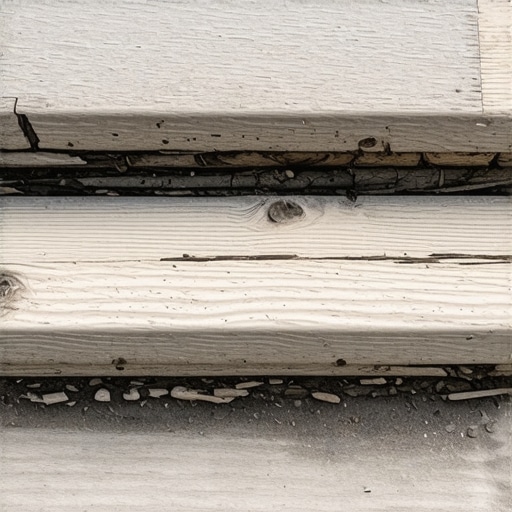
I’ll never forget the sinking feeling I had when I saw my deck stairs wobbling underfoot, completely rotten at the base. It was a slow march of decay I hadn’t noticed until one day, a loose step nearly sent me tumbling. That moment sparked a lightbulb—realizing how common and sneaky this problem is among outdoor enthusiasts like you and me.
Confronting the Rot That Creeps Up from Below
If you’ve ever wondered why your stair stringers are rotting at the base, you’re not alone. It’s a frustrating and potentially dangerous issue that sneaks up over time, often unnoticed until it’s too late. The good news? With some understanding and proactive measures, you can keep your stairs sturdy and safe for years to come. Today, we’ll delve into what causes this rot, how to identify it early, and most importantly, how to put a stop to it.
Is Preventing Rot Really That Critical?
Early on, I made the mistake of assuming rot was inevitable—just part of outdoor life. But I learned that improper flashing, poor drainage, and lack of maintenance significantly accelerate decay. According to the decking experts, moisture management is key to extending the life of your structural supports. Neglecting these aspects can cost you time, money, and even safety.
So, why does this happen much more often than it should? Well, it’s because many overlook simple drainage solutions or underestimate the importance of correct flashing around stair stringers. Over time, water collects, seeps into unprotected wood, and begins the slow process of rot—especially at the vulnerable base where water tends to pool.
Have you faced this problem? If your stairs are showing signs of decay or wobbling, it’s time to act. The next sections will guide you through practical steps to fix and prevent this all-too-common issue.
Seal the Foundation to Keep Water Out
Start by inspecting the base of your stairs where wood meets the ground. I remember a time when I simply applied paint without sealing the wood, only to see water seep in and accelerate rot. Instead, use a high-quality outdoor-grade sealant on all exposed wood surfaces, especially the bottom edges. Think of this as waterproofing your stairs’ shoes—your first line of defense against moisture intrusion. Applying a generous coat every couple of years can drastically extend your stairs’ lifespan.
Install Proper Flashing to Divert Water
Next, focus on flashing—think of it as a raincoat for your stairs. Cut aluminum or copper flashing strips to fit over the top of the stairs’ framing, extending a few inches onto the structure and the ground. Secure them tightly with corrosion-resistant screws. I once spent a weekend bending and fitting flashing on my own stairs, which took patience but paid off. Proper flashing directs water away from vulnerable joints and prevents water from pooling at the wood’s base.
Improve Drainage Around Your Stairs
Water pooling near your stairs is a common rot culprit. To prevent this, grade the soil away from your structure, creating a slight slope directing runoff away. In one case, I added crushed gravel under the stairs to improve drainage; this simple step kept moisture away and stopped rot in its tracks. Consider installing a drain pipe or gravel-filled trench if your yard tends to hold water, ensuring water doesn’t linger where it shouldn’t.
Elevate and Support for Better Airflow
Airflow is essential to dry out any moisture, similar to how a good mattress needs ventilation. Use sturdy concrete or pressure-treated piers to lift the stairs off the ground—this prevents direct contact with wet soil. I once reconstructed a sagging stair stringer by adding supportive blocks beneath, which improved airflow and reduced rot risk. Ensuring a gap between wood and ground and supporting it properly allows air to circulate, keeping wood dry and healthy.
Choose Durable Materials for Long-Term Success
Material choice makes a world of difference. Opt for composite decking that resists rot, like those discussed on choosing the right composite decking. When I replaced my existing wooden stairs, I used a weather-resistant composite, which required minimal maintenance and withstood the elements better than wood. Remember, investing in quality materials upfront saves you time, effort, and money in the long run.
Regular Maintenance Keeps Rot at Bay
Don’t let rot sneak in unnoticed—schedule annual inspections. Check for loose fasteners, peeling paint, or signs of moisture damage. Reapply sealants and replace any compromised material promptly. A few years back, I caught early signs of decay and addressed them immediately, avoiding costly replacements later. Continuous vigilance ensures your stairs remain safe, sturdy, and attractive for years to come.
Connect with a Professional for Lasting Results
While DIY fixes work for many, partnering with a skilled deck builder ensures your repairs are sound. They can advise on proper flashing, drainage, and material selection tailored to your climate. I’ve worked with pros on my projects, and the peace of mind knowing that the foundations of my stairs are protected makes it all worthwhile.
Many outdoor enthusiasts and homeowners assume that choosing composite decking automatically guarantees low maintenance and durability, but this oversimplification can lead to costly mistakes. For instance, a prevalent myth is that all composite boards are equally resistant to scratching and fading; in reality, quality varies significantly, and selecting inferior materials can result in premature wear, despite marketing claims. It’s essential to critically evaluate product specifications and understand the nuances of composite materials—such as mineral cores versus core composites—as highlighted in expert sources like the guides.\n\nAnother overlooked aspect is the importance of proper installation techniques tailored for composite materials, especially when it comes to stair systems. For example, many fail to install adequate ventilation or proper spacing, which can trap moisture and accelerate degradation, contradicting the common belief that installation details are less critical for composites. Advanced deck builders emphasize that meticulous detailing, including concealed fasteners and appropriate flashing, can significantly extend lifespan and safety—an idea explored in modern design insights.\n\nA frequent misconception among homeowners is that modern composite decking is completely maintenance-free. While they do require less upkeep than wood, neglecting regular cleaning and inspections can lead to issues like mold, staining, and joint separation. Expert advice suggests scheduling annual assessments and cleaning routines to preserve aesthetics and functionality.\n\nFor those aiming to maximize outdoor space and create stunning transitions with stairs and platforms, understanding these nuances is vital. Integrating thoughtful design with knowledge of material behaviors ensures your outdoor living area remains inviting and safe over the years. If you’re considering a renovation or new build, collaborating with a seasoned deck builder can help navigate these complexities and avoid common pitfalls.\n\nHave you ever fallen into this trap? Let me know in the comments.
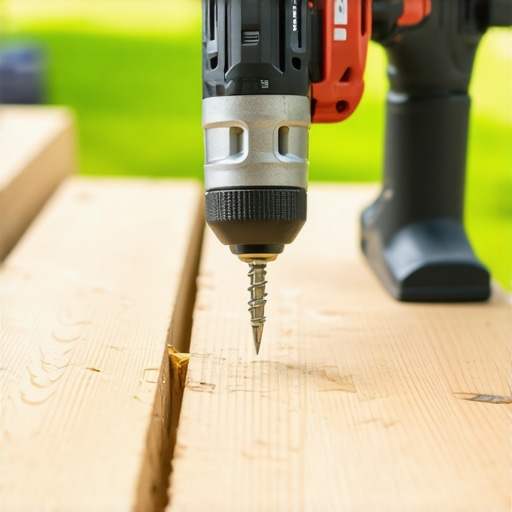
Maintaining a functional and beautiful outdoor deck requires the right tools and a strategic approach. Over the years, I’ve honed my toolkit to include specific equipment that ensures precision, efficiency, and durability. For instance, I rely heavily on a high-quality cordless impact driver like the Milwaukee M18 Fuel Impact Wrench. Its compact design and powerful torque make installing fasteners on composite boards effortless and less tiring over extended projects. Unlike traditional drills, impact drivers minimize cam-out, reducing damage to fasteners and preventing wood splitting, which is essential when working with dense composite materials.
Another indispensable tool in my arsenal is a digital moisture meter. Brands like Irox allow me to measure the moisture content within wood or composite structures accurately. This ensures that any installation or repair work occurs under optimal conditions, preventing future rot or warping. Incorporating moisture readings into my routine has significantly extended the lifespan of completed projects, saving time and money in the long run.
When it comes to cleaning and maintaining the surface of decks, I swear by a pressure washer with variable settings. A model like the Kärcher K5 allows me to adjust pressure precisely—usually around 1500 PSI for cleaning composite surfaces without causing damage. Regular cleaning removes dirt, mold, and mildew, preserving aesthetic appeal and slip resistance. Remember, proper cleaning is vital before applying sealants or finishing products, which can be found detailed in the Deck Maintenance Guide.
Preventive measures extend beyond tools—software solutions like Pressure Trellis help me plan drainage and elevation details during design phases. This type of project management ensures that water flows away from support structures, reducing rot risks. Integrating smart software into your planning process can help identify potential problem points early, especially when considering long-term maintenance.
Looking ahead, I believe the trend toward automation and smart technology will revolutionize outdoor living projects. Imagine robotic tools that can perform periodic inspections or apply sealants with minimal human intervention. Staying updated with innovations can keep you ahead in maintaining a durable, low-maintenance outdoor space. For more design ideas that maximize outdoor space, check out this resource.
How do I keep my deck working smoothly over time?
Regular inspections and using the right tools are key. I recommend scheduling bi-annual reviews, including moisture checks and surface cleaning. Incorporate durable fasteners like stainless steel screws, which resist corrosion, and consider mechanical upgrades such as adjustable post supports to prevent shifting. Don’t forget to document your maintenance routines with software like HomeZada—it helps track work history and plan future projects, ensuring your outdoor living space remains functional and beautiful.
Want to take your maintenance to the next level? Try using a digital moisture meter before sealing your deck annually. This simple step can reveal hidden issues early, protecting your investment and keeping your outdoor space in top shape. For comprehensive design and project planning tips, explore this article.
Lessons That Changed My Outdoor Philosophy
- Prioritize Moisture Management: I once ignored drainage during a deck rebuild and paid the price with premature rot. Now, I always focus on proper grading and sealing to keep water out.
- Don’t Expect Instant Perfection: Choosing durable materials like composite decking is just the start. Regular maintenance and inspections are vital to prolong their beauty and safety.
- Embrace Expert Advice: Collaborating with professional deck builders has saved me countless headaches. Their insights on flashing, ventilation, and fastener choices are invaluable.
- Material Choice Matters: Investing in high-quality composite and reliable fasteners has made my outdoor spaces resilient against weather and time.
- Preventive Upkeep Is Key: Scheduling annual checks and minor repairs keeps rot at bay and ensures my stairs remain safe and inviting for family and guests.
Tools and Resources That Elevate My Outdoors
- Milwaukee M18 Impact Driver: Its power and compactness make installing fasteners on composite stairs a breeze, reducing fatigue and increasing precision.
- Digital Moisture Meter: I trust brands like Irox for early detection of hidden moisture issues, helping me take action before damage worsens.
- Kärcher K5 Pressure Washer: Adjustable settings allow me to clean composite surfaces effectively without causing harm, preserving their appearance.
- Design Software like Pressure Trellis: Planning drainage and elevation details becomes straightforward, ensuring water runs away from support structures.
You Have the Power to Transform Your Outdoor Space
Creating a durable, beautiful outdoor deck with safe stairs is a journey, but it’s one worth taking. Every step of mastering moisture control, material selection, and professional collaboration brings you closer to an outdoor haven that endures for years. Keep learning, experimenting, and refining your approach—your home and loved ones will thank you. Want to share your experience or ask questions about your deck project? Drop a comment below and let’s build something amazing together!
,