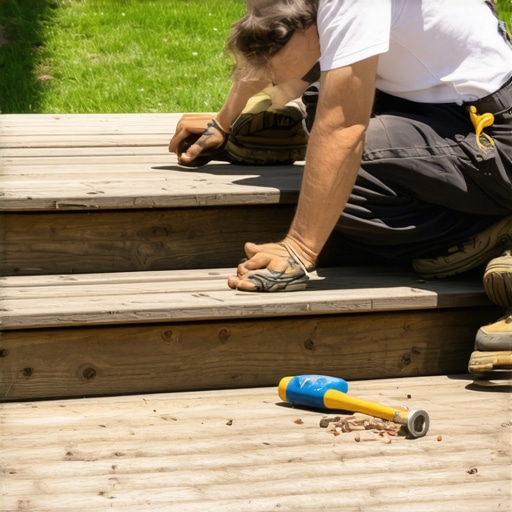
I remember the day I stepped onto my deck and felt that unsettling wobble in the staircase—it was like walking on a trampoline when I just wanted a peaceful outdoor moment. That sudden bounce? It drove me nuts. And if you’re like me, you’ve probably tried ignoring it, hoping it’d fix itself, or worse, just accepting it as part of owning a deck. But that bounce? It’s more than just an annoyance—it’s a safety concern waiting to happen.
Why Bouncy Deck Stairs Are More Than a Nuisance
Bouncy or wobbly stairs might seem like a minor inconvenience, but they can compromise the safety and durability of your entire outdoor space. Over time, this instability accelerates wear and tear, potentially leading to costly repairs or accidents. Plus, uneven stairs can be pretty embarrassing when you’re entertaining guests or just enjoying your backyard in peace.
Today, I want to share with you the simple yet effective 3-step fix I discovered after my own frustrating experience. This isn’t about complicated renovations or replacing your entire staircase. It’s about targeted, practical solutions that restore stability and peace of mind.
Have you ever faced this problem? If your answer is yes, stay with me—this method could be a game-changer.
Is the Fix for Bouncy Stairs Really Worth the Effort?
I admit, I was skeptical at first. Early on, I made the mistake of thinking that a quick tightening of the fasteners would solve the problem, but that only provided temporary relief. It wasn’t until I understood how improper support and missing or damaged brackets contributed to the bounce that I saw real results. Trust me, proper fixing involves more than just tightening screws.
According to industry experts, ensuring solid support under your stairs significantly extends their lifespan and enhances safety. So, rolling up my sleeves, I dove into those three crucial steps—adjustments that anyone can do with minimal tools but maximum impact.
Ready to bring stability to your deck stairs? Let’s get started with the first essential step, which sets the foundation for a firmer, safer stairway. Want more tips on designing safe and stylish stairs? Check out [this comprehensive guide](https://deckdesignbuild.com/designing-safe-and-stylish-stairs-for-outdoor-decks-in-2025) to elevate your outdoor space.
Secure the Support Posts and Strings
Start by inspecting the support posts that hold your stairs. I once found a loose post on my deck after a heavy rain loosened the anchoring bolts. Using a wrench, I tightened the hardware, checking for stability. If a post wobbles, reinforce it with additional brackets or replace the deteriorated post altogether. This foundational support acts like the backbone of your staircase, ensuring each step carries its weight without sway.
Reinforce the Stringers with Cross Braces
The stringers are the diagonal supports that carry the tread weight. I once noticed a slight wobble when I stepped on my stairs. To fix this, I installed metal bracing between the stringers, much like adding braces to a leaning wall. Cut metal strips to length, drill holes at both ends, and secure them with lag screws. This cross-bracing prevents the stringers from spreading apart, distributing loads evenly and eliminating bounce.
Replace or Add Missing Brackets
Missing or damaged brackets often contribute to stair instability. During my project, I discovered a bracket rusted beyond use. I removed the old hardware, then installed new galvanized brackets designed for outdoor use. Use a level to ensure each step aligns properly. Well-placed brackets hold the stringers firmly against the tread supports, making your stairs as solid as concrete—well, almost.
After completing these steps, test your stairs by stepping with full weight. You should notice a significant reduction in bounce. Remember, these adjustments are akin to tightening the joints of a wooden frame—every connection counts. For a deeper dive into modern outdoor design ideas or composite decking trends, explore these design inspirations and latest decking trends. Properly secured stairs not only improve safety but also enhance your entire outdoor aesthetic.Many homeowners and hobbyists assume that designing and building outdoor spaces is straightforward, but the truth is there are nuanced pitfalls that even experienced builders often overlook. One common misconception is that choosing standard materials, like basic composite decking without understanding their specific properties, guarantees longevity. In reality, not all composites are created equal; some materials are better suited for high-moisture or saltwater environments, as highlighted in expert guides. Additionally, many believe that standard fasteners suffice, but using stainless-steel fasteners—especially near coastal areas—can prevent rust and staining, ensuring your deck remains pristine for years.
Another misconception revolves around stairs design and safety. While many think that simply installing stringers and treads is enough, advanced users recognize the importance of precise riser heights and proper framing techniques to prevent wobbling and accidents. Skipping these details can result in wobbling stairs that compromise safety and aesthetic appeal. For complex projects, consulting detailed transition strategies can be invaluable.
Beyond materials and construction, there’s a trap in aesthetic choices. Homeowners often underestimate how certain design decisions—like mismatched railing styles or inconsistent stain colors—can detract from the overall harmony of outdoor spaces. Investing in professional guidance or comprehensive planning helps avoid costly redo’s. Engaging with seasoned deck builders can give you insights into creating seamless, stylish landscapes.
The real nuance lies in understanding that outdoor living extends beyond mere construction. Climate considerations, material compatibility, and safety standards must be integrated into every stage—from initial design through finishing touches. For instance, modern trends like integrated lighting and drainage solutions significantly enhance usability but can be overlooked by novices. As emphasized by experts in innovative outdoor solutions, planning these features carefully ensures durability and convenience.
Have you ever fallen into this trap? Let me know in the comments. Remember, mastering these nuances can make the difference between a decent deck and a stunning outdoor oasis that lasts for decades.Maintaining a beautiful and safe outdoor space requires the right tools and a bit of know-how. Over the years, I’ve refined my toolkit to include equipment that makes deck upkeep efficient and effective. One essential item I rely on is a digital moisture meter, like the Protimeter Surveymaster, which helps me assess the moisture content in composite decking boards and support structures. This ensures I catch potential issues before they escalate, especially in areas prone to high humidity or salt exposure. Additionally, a cordless impact driver with a set of stainless-steel fasteners is my go-to for tightening fasteners securely, preventing loose boards or railings over time. The impact driver allows me to work swiftly without damaging the material, a must-have when working with composite materials that require precise torque.
For cleaning and restoring appearance, I recommend a quality composite deck cleaner such as Bar Keepers Friend or specialized solutions like the Russo PowerWheeler. These products effectively remove stains and oxidation without damaging the surface. Pair this with a handheld rotary brush or a power washer set to a gentle setting—around 1500 PSI—to clean decks thoroughly without splintering or stripping protective coatings.
When it comes to long-term care, I suggest investing in a weatherproof sealant formulated specifically for composite and wood decks. Regular application—every two to three years—protects against UV damage, mold, and fading. A good example is Amy Howard at Fine Furniture’s suggestions on maintaining outdoor finishes, emphasizing proper preparation and reapplication techniques.
Looking ahead, I predict that smart tools will become more integrated into outdoor maintenance routines. Devices with IoT connectivity will monitor moisture and UV exposure continuously, alerting homeowners via smartphone before visible damage occurs. This proactive approach will extend deck lifespan and reduce repair costs.
How do I keep my outdoor living space working smoothly over time?
One tip I swear by is using a calibrated moisture meter regularly, especially before sealing or painting. It helps me decide the ideal time for application, ensuring maximum adhesion and durability. Also, adopting maintenance routines that incorporate a combination of manual inspections and remote monitoring (as these future devices will offer) ensures a deck remains safe and attractive for years to come. To explore more about designing durable outdoor spaces, check out this guide. Don’t forget—proper tools plus consistent maintenance is your best bet for a long-lasting backyard oasis.
What I Wish I Knew When Starting Out
Early in my deck-building journey, I underestimated the importance of support structures, thinking that sturdy-looking boards were enough. The realization that loose support posts and missing brackets could turn a beautiful setup into a wobbling hazard was a game-changer. It taught me that every connection, no matter how small, holds the key to safety and longevity.
Small Fixes Yield Big Results
Installing cross braces between stringers was a revelation. It was a simple upgrade that prevented the dreaded bounce, reminding me that often, the biggest impacts come from minor tweaks. This lesson encourages me to look closer and invest a little extra effort—it’s always worth it.
Choose Tools That Empower
Having the right toolkit—like stainless-steel fasteners and impact drivers—transformed my projects. They make repairs smoother and results more durable. It’s a reminder that quality tools are investments that pay for themselves over time, especially for outdoor living spaces exposed to the elements.
Trust Experts and Curate Resources
Guides about composite decking trends or innovative stairs solutions have expanded my understanding beyond DIY basics. Recognizing the value of expert insights has saved me time and avoided costly mistakes, urging me to keep learning and collaborating with professionals whenever possible.
This Journey Continues—Stay Curious
Building and maintaining your outdoor space is a continuous process. Embrace the learning curve, be vigilant about quality, and enjoy the process of transforming your backyard into a safe, stylish retreat. After all, every step I took taught me something new about creating spaces that last—something I hope you’ll experience too.