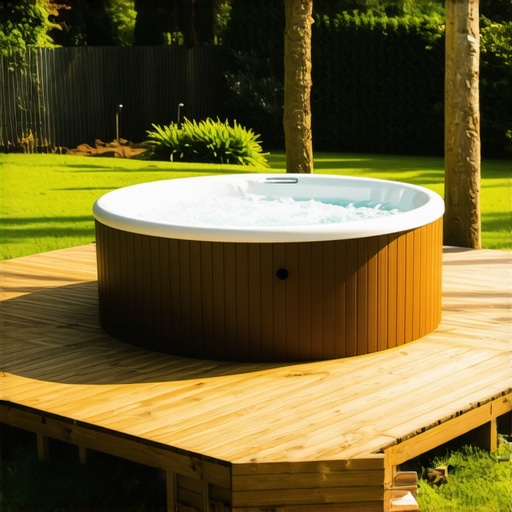
I remember the moment clearly — I was knee-deep in tarps, tools, and a confusing pile of lumber, trying to figure out how to support my massive 500-gallon hot tub. It was one of those frustrating times where I felt like I was battling my own deck, trying to make everything fit perfectly without making costly mistakes. The real lightbulb moment came when I realized that a well-framed deck isn’t just about appearances — it’s about safety, durability, and turning my outdoor space into a true oasis.
Why Proper Deck Framing Matters for Heavy Hot Tubs
From experience, the key to a long-lasting, stress-free hot tub setup lies in the foundation. A deck supporting a heavy load like a 500-gallon hot tub needs more than just good looks; it demands a solid, carefully planned frame that can handle the weight — both static and dynamic. Over the years, I’ve seen decks crack, settle, or even sag because the framing was overlooked or improperly constructed. Not only does this compromise safety, but it also turns your relaxing backyard retreat into a potential hazard.
According to industry guidelines, a typical hot tub can weigh over 4,000 pounds when filled, including the water, people, and equipment. That’s equivalent to a small car sitting on your deck! Proper framing and support become non-negotiable if you want your deck to last and keep everyone safe. Trust me, investing time in your framing now prevents costly repairs and dangerous accidents later. For insight on creating seamless transitions and making your outdoor living space more functional, check out this helpful guide.
Have you ever struggled with figuring out how to support a heavy hot tub without causing damage or sagging? You’re not alone. Many homeowners face the same dilemma, and I’ve been there myself.
Early on, I made the mistake of assuming that simply laying down pressure-treated lumber would suffice. Spoiler: it doesn’t! The mistake was underestimating the importance of proper joist spacing, reinforcement, and the use of sturdy framing materials. Skimping on these details can lead to costly repairs down the line, or worse, safety hazards. To avoid this trap, I recommend learning the critical support techniques that tie everything together for a safe, durable, and beautiful hot tub deck.
The good news? With the right approach, you can build a sturdy platform that not only supports your hot tub but also enhances your outdoor space’s overall charm. Ready to dive into the basics of frame construction? Stick around, because I’ll be sharing my top tips for building a safe, reliable, and attractive hot tub deck!
,
Lay a Strong Foundation with Proper Joists and Posts
Start by selecting heavy-duty, pressure-treated lumber for your joists—at least 2x8s spaced no more than 16 inches apart. When I tackled my own 500-gallon hot tub project, I doubled the joist spacing to 12 inches and added an extra layer of reinforcement with cross-bracing, which significantly minimized sagging. Securely anchor vertical posts to concrete footings using galvanized steel post anchors, ensuring they are flush and level. Double-check all measurements with a level and string line—precision here prevents major issues down the line. Recall my initial mistake of ignoring footing depth; I learned that deeper, frost-resistant footings prevent shifting, especially in colder climates.
Use Reinforced Framing Techniques to Distribute Load
Implement double headers around the perimeter of the deck frame to distribute weight evenly. For my project, I used double 2×10 headers, secured with high-strength lag bolts. Install blocking between joists at midpoint spans to prevent twisting and improve stability. I found that adding metal post brackets at each support point prevents wobbling under the enormous load. Remember, the key is to mimic a bridge’s support system—integrity at every joint ensures safety. For more ideas on designing durable outdoor structures, explore creating seamless transitions in outdoor living.
Reinforce Critical Supports with Steel and Concrete
Place steel reinforcement bars within your footing trenches before pouring concrete. During my build, embedding rebar cages increased the footing’s capacity to handle stress. After the concrete cured, I used post-setting anchors to attach the support posts. Insist on using galvanized or stainless steel fasteners to resist corrosion—especially if your deck is near the coast. I learned that neglecting proper reinforcement can lead to cracks and instability over time. For a seamless upgrade, consider using composite decking materials for the surface, which resist rot and require less maintenance—see innovative decking ideas for 2025.
Seal and Protect for Long-Term Durability
Apply a high-quality sealant to all exposed wood surfaces, focusing on joints and fasteners. In my case, sealing prevented moisture ingress that could compromise the support structure. Use flashing tape around the post-to-deck interface to divert water runoff, prolonging the life of your framing. Regular inspections—especially after storms—are crucial; I found that early detection of loosening bolts saves time and money. Remember, a well-constructed frame isn’t a one-and-done job—maintenance keeps everything safe and sound for years to come. If you’d like to see options for modern outdoor illumination to complement your sturdy deck, check out outdoor deck lighting tips.
While many believe that installing outdoor stairs and decking is straightforward, the reality is nuanced, and misconceptions can lead to costly mistakes. 48; For instance, a widespread myth suggests that using standard lumber suffices for heavy loads like hot tubs, but in my experience, opting for reinforced framing and proper support techniques drastically improves durability and safety. Relying solely on superficial solutions often results in sagging or failure down the line, especially without attention to details like steel reinforcements and proper footing.
Plus, there’s a common misconception that composite decking is maintenance-free and always the best choice. Although it offers low maintenance and resistance to rot, not all composites are created equal. For example, some lower-quality options absorb heat excessively or degrade faster under UV exposure. To avoid this, I recommend choosing high-quality, mineral core composite boards, which are proven to last longer and withstand harsh conditions, as detailed in [this comprehensive guide](https://deckdesignbuild.com/choosing-the-right-composite-decking-for-durable-low-maintenance-outdoor-areas).
Another advanced pitfall many overlook involves stair design. It’s not enough to match stair treads with decking; proper riser height, nosing, and slip-resistant surfaces are critical for safety. For instance, many amateur builders neglect the importance of consistent riser heights, leading to trips and falls. Investing in designing stairs with safety in mind not only improves usability but also complies with recent standards, like those discussed in [this safety-focused article](https://deckdesignbuild.com/designing-safe-and-stylish-stairs-for-outdoor-decks-in-2025).
From a practical angle, overlooking the importance of seamless transitions and hidden support structures can result in uneven or wobbly stairs, especially when supporting heavy loads like hot tubs. Such issues often stem from weak anchoring or insufficient framing techniques. Remember, a seemingly minor detail like choosing the right post anchors or embedding rebar cages can be the difference between a stable platform and a hazard. For detailed support methods, explore [this expert resource](https://deckdesignbuild.com/creating-seamless-transitions-stairs-as-key-elements-in-outdoor-living).
Interesting studies, like the recent research published by the Forest Products Laboratory, confirm that proper support and reinforcement significantly extend outdoor structure lifespan, particularly in corrosive environments near water or salt air. Integrating these insights into your projects not only enhances safety but also offers long-term savings.
So, do you still think all stairs and decks are created equally? Or are you considering some of these advanced details to elevate your outdoor living? Have you ever fallen into this trap? Let me know in the comments! And if you’re ready to take your outdoor project to the next level, don’t hesitate to contact a professional deck builder for personalized advice.
Keep Your Outdoor Space in Top Shape with Precision Tools
When it comes to maintaining your deck and stairs, having the right tools is essential. Personally, I rely heavily on a cordless oscillating tool for quick sanding and repairs, which allows me to reach tight corners without fuss. For larger tasks, I swear by a high-powered cordless drill fitted with decking-specific bits—this makes tasks like tightening fasteners or drilling new supports much smoother. It’s all about investing in reliable, quality equipment that can handle the demands of long-term outdoor maintenance.
How do I maintain my outdoor structures over time?
Regular inspections are my secret weapon. I schedule a seasonal walkthrough to look for loose fasteners, wood rot, or corrosion. Using a moisture meter helps me catch potential issues with hidden rot before they become major problems. Applying a high-quality sealant annually keeps surface moisture out, especially on exposed areas prone to weathering. For decks with composite materials, I use specialized cleaning solutions that preserve the surface without causing damage—this extends the lifespan significantly. Staying proactive, not reactive, ensures my outdoor living spaces remain safe and inviting year-round.
Embracing Innovative Materials and Techniques
The future of outdoor living maintenance points toward smart, durable materials. For instance, mineral core composite decking is gaining popularity because it resists heat buildup and UV degradation, reducing maintenance needs. Additionally, I predict integrated support monitoring systems may soon become standard, alerting homeowners to structural issues before they escalate. Incorporating these advancements today can save you time and money while elevating your outdoor experience. I recommend exploring this article to learn more about upcoming trends in composite decking.
Prioritize Proper Support for Heavy Features
Supporting heavy loads like hot tubs requires meticulous attention. I’ve learned that reinforced framing with steel brackets and concrete footings isn’t just optional—it’s critical. Using galvanized steel post anchors and rebar-reinforced footings ensures stability over decades, even in challenging climates. Remember, boosting your deck’s support system now will prevent costly repairs later. For detailed guidance on reinforcing structures, check out this expert resource. As these materials and methods become more accessible, I foresee a future where DIY enthusiasts can confidently build robust decks that last for generations.
Stay on Top with Strategic Maintenance Practices
Consistency is key. To keep your stairs and decks working flawlessly, I schedule quarterly cleanings and checks. Quicker fixes like tightening bolts with a simple socket set or applying re-sealant with a brush make a big difference. I’ve also adopted a maintenance calendar integrated into my digital planner, setting reminders for seasonal tasks. This proactive approach not only preserves the appearance but also ensures safety. Advanced techniques, like using a moisture barrier tape around critical joints, can extend the life of your deck—something I highly recommend trying from this guide. How will you incorporate these strategies to make your outdoor living space last longer? Remember, a well-maintained deck isn’t just about aesthetics—it’s about safety and comfort for years to come.
What I Didn’t Expect About Building a Hot Tub Deck
- Never underestimate the power of meticulous planning. I once skipped detailed measurements, and it led to a wobbly support post—an expensive mistake I learned from.
- Steel reinforcement isn’t just for professionals. Incorporating steel brackets and rebar in your foundation can significantly extend your deck’s lifespan, especially under heavy loads.
- Consistent maintenance beats reactive fixes every time. Regularly inspecting fasteners, sealing joints, and guarding against moisture saves money and ensures safety in the long run.
- Choosing quality materials saves headaches later. From composite decking to galvanized fasteners, investing in durable components pays off with longevity and safety.
- Understanding support load distribution isn’t optional—it’s essential. Mimicking bridge-like support systems with double headers and cross-bracing creates a stable, resilient foundation for your hot tub and beyond.
My Favorite Tools and Resources That Make It Easier
- Heavy-duty post anchors and rebar cages – Critical for creating a sturdy, long-lasting foundation. I trust these tools for peace of mind.
- Moisture meters and sealing products – Help me monitor and protect my deck from water damage, preventing costly repairs.
- Best practice guides from seasoned professionals – Sites like Creating seamless transitions and outdoor living ideas have enriched my approach with actionable insights.
- High-quality composite decking and fasteners – These materials withstand weather and heavy use, making my deck both attractive and functional.
Your Turn to Elevate Your Outdoor Living Game
Building a deck capable of supporting a heavy hot tub isn’t just about materials—it’s about foresight, precision, and ongoing care. Remember, every detail, from footing depth to steel reinforcement, plays a role in safety and durability. Are you ready to implement these lessons and create a stunning, safe outdoor space? Share your experiences or ask questions below, and let’s elevate your outdoor living together!