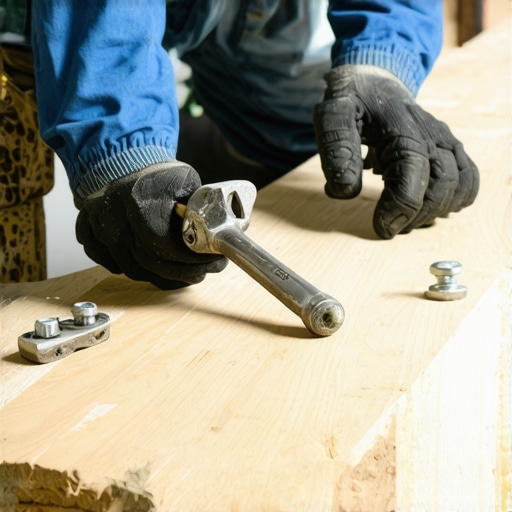
I’ll never forget the moment I stepped onto my deck and felt that unsettling wobble underfoot. The board had warped unexpectedly, and to make matters worse, a fastener had popped out like it was protesting the entire situation. It was a lightbulb moment for me—realizing how a small issue can turn into a bigger headache if not addressed promptly. Have you ever experienced something similar, where a single warped board throws off the entire outdoor vibe? If so, you’re not alone—and I’ve got some practical tips to help you tackle this annoyance head-on.
Why a Warped Composite Board Matters More Than You Think
Composite decks are touted for their low-maintenance durability, but they’re not immune to issues like warping. When a board warps, it doesn’t just look unsightly; it can compromise safety, cause further damage, and disrupt the overall aesthetic of your outdoor space. Over time, temperature fluctuations and improper installation can lead to boards buckling or warping, especially if fasteners don’t hold as snugly as they should. In my experience, ignoring a warped board can lead to bigger problems—like splinters in the foot or even structural concerns—so addressing it sooner rather than later is crucial.
Is Fixing a Warped Board Worth Your Time?
Early on, I made the mistake of thinking I could just ignore a slight warp, convincing myself it’d self-correct or that it wasn’t a big deal. Spoiler: it doesn’t. A warped board can cause fasteners to pop out, creating a domino effect of issues. The good news? Fixing it is more straightforward than you might think, and with a bit of guidance, you’ll be able to restore your deck’s integrity and beauty. Ready to get your hands dirty and make that deck safe and good-looking again? Let’s dive into how to fix a warped composite board the right way.
Assess the Damage Carefully
Start by inspecting the warped board to determine the extent of the deformation. Use a straightedge or level to identify high spots or dips. I remember when I noticed a significant bow in my deck board after a hot summer day; initial assessment helped me decide whether a simple shim or full removal was necessary.
Gather Your Tools and Materials
You’ll need a drill, screwdriver, pry bar, replacement fasteners, shims, and possibly a new board if the damage is severe. Having all tools at hand prevents interruptions. Once, I thought I could do it with only a screwdriver, but I quickly realized a pry bar made the removal process much smoother and less damaging.
Loosen Fasteners and Remove Damaged Board
Loosen Fasteners Carefully
Use your drill to back out the screws or clips holding the warped board, applying steady pressure to avoid damaging neighboring boards. I once stripped a screw because I rushed; slow, controlled turns are key. If fasteners don’t budge, applying a little lubricant can loosen them without breaking the material.
Lift and Remove the Board
With fasteners removed, gently pry the board loose with your pry bar. Think of it as removing a stubborn ingredient from your kitchen; patience prevents breakage. I found that working from one end and gradually loosening it reduces the risk of splitting the composite material.
Address Underlying Causes and Shim if Necessary
If the warping was caused by uneven support or moisture, correct these issues before reinstallation. For minor warps, shimming can realign the board. In my case, I used small plastic shims under the affected joists to level the surface, which prevented future warping. Ensuring proper spacing and support also reduces long-term deformation.
Install the New or Repaired Board
If replacing, position the new board carefully, aligning it with existing boards. Use corrosion-resistant fasteners and pre-drill holes to prevent splitting—especially important with composite decking. Secure the board tightly, but avoid over-tightening, which can cause additional warping. I learned this the hard way when overtightening caused new issues.
Double-Check Your Work and Finish
Use a level again to confirm the deck’s surface is even. Tighten all fasteners properly, and clean up any debris. For a seamless look, consider applying a deck-specific sealant if recommended. Regular inspections and maintenance will help catch issues early, saving you time and money down the road.
If you’re unsure or dealing with complex issues like extensive warping or structural damage, consulting with an experienced deck builder can ensure the longevity of your outdoor space and safety.
Many outdoor enthusiasts believe that installing a composite deck is a straightforward process, but the nuances behind proper installation and design are often overlooked. One prevalent myth is that all composite materials behave the same under various climate conditions; in reality, different brands and formulations respond uniquely to temperature swings and UV exposure, which affects longevity and aesthetics. For example, some composites are more prone to thermal expansion, leading to warping if not properly installed with adequate gaps, a detail often missed by DIYers. Understanding these material-specific behaviors is crucial for long-term durability.
Why Do Some Decks Warp or Fade Despite Regular Maintenance?
Common maintenance routines focus on cleaning and sealing, but neglecting the structural support and ventilation can accelerate warping and fading. Experts highlight that inadequate airflow beneath the deck traps moisture, promoting mold growth and material degradation—especially in regions with high humidity. This oversight is a subtle but significant mistake. For instance, elevating the deck with appropriate clearance allows for better air circulation, substantially prolonging the deck’s appearance and structural integrity. According to a study by the National Association of Home Builders, proper support and ventilation are as important as choosing the right materials for a durable outdoor space.
Another misconception revolves around stairs, where many assume that standard stringer spacing is sufficient. However, advanced design involves precise calculations to prevent bounce and ensure safety, especially when incorporating features like integrated lighting or glass balustrades. Improperly spaced steps or unsupported nosings can lead to creaking, instability, or worse, accidents. Consulting with an experienced deck builder guarantees that these nuances are addressed, providing a safer, more refined outcome.
Many people also underestimate the importance of seamless transitions between stairs and decking. Incorporating subtle design elements like level landings or integrated rise profiles enhances both safety and visual harmony. For instance, a poorly aligned stair can break the flow of your outdoor entertainment area, making it feel cheap or unfinished. In fact, the latest trends emphasize customization with innovative stairs that blend perfectly with the decking, elevating overall aesthetics.
Finally, understanding the latest composite decking trends is key to avoiding outdated choices. Some products that looked durable in 2020 have been replaced by newer formulations with better resistance to scratching, staining, and fading. Staying informed through expert sources will help you select materials that meet your needs at a higher standard. As I always recommend, collaborating with a professional ensures that your outdoor living space isn’t just stylish but also resilient for years to come. Want personalized advice? Reach out to our team today and start transforming your backyard into a true retreat.
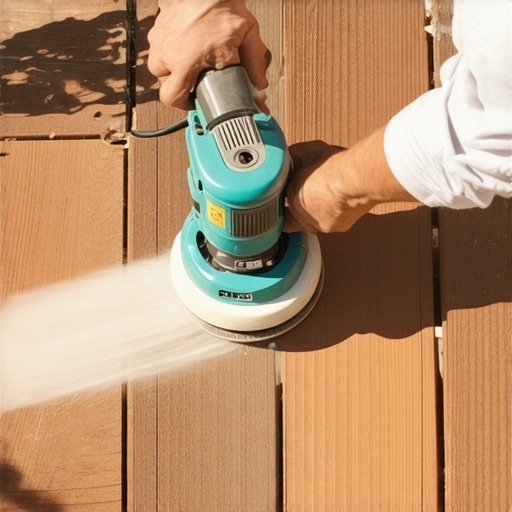
Keeping your outdoor living space in top shape requires the right tools and a systematic approach. Over the years, I’ve found that investing in high-quality equipment not only speeds up maintenance but also extends the lifespan of your deck. One tool I swear by is a pneumatic palm sander with dust collection, like the Porter-Cable PAB150. It allows me to smooth out minor surface imperfections on composite boards quickly, without creating a mess. Pairing this with specialty cleaning solutions like Starbrite’s Deck Cleaner ensures stubborn dirt and stains won’t linger, preserving your deck’s aesthetics. Utilizing a cordless orbital sander enables detailed work on railings and stair treads, especially in tight corners where larger tools can’t reach effectively.
How do I maintain my outdoor deck and stairs over time?
Regular inspections form the backbone of effective upkeep. I recommend scheduling a comprehensive review every six months—look for loose fasteners, signs of warping, or moisture intrusion. Using a digital moisture meter, such as the Gain Express Moisture Meter, helps detect hidden issues beneath the surface before they escalate. Additionally, employing a quality sealing sprayer, like the Wagner Control Spray Max, makes applying protective coatings more uniform and manageable. Think of maintenance tools as your armor—proper equipment safeguards your investment against the elements and wear.
To make things even easier, I utilize software such as DeckDesign Software for planning repairs and updates, visualizing how new components will integrate with existing structures. This foresight streamlines tasks and minimizes surprises during project execution. As trends point toward automation and smart technology, future maintenance might include sensor-based systems that alert you to moisture buildup or fastener loosening in real-time—something to keep an eye on as innovations develop.
Advanced tip: Use a mini air compressor to blow out tight corners and fastener holes to prevent debris buildup, reducing corrosion risk. Give this a try on your next deck check; it’s a simple step that makes a big difference!
Remember, consistent care is key to enjoying a safe, beautiful, and long-lasting outdoor haven. If you’re considering a major overhaul or need expert advice on complex issues, collaborating with a seasoned deck builder ensures your project adheres to best practices and local codes.
Lessons from the Trenches: What I Wish I Knew About Composite Decks
One of the biggest lessons I’ve learned is that even high-quality composite decking requires attentive installation and maintenance—assumptions of ‘set it and forget it’ can lead to costly mistakes. I once believed that choosing the sturdiest material alone would guarantee a long lifespan, but I soon realized that proper support, ventilation, and regular inspections are equally vital. Additionally, trusting my instincts over professional advice sometimes caused delays—sometimes, seeking a second opinion from a seasoned deck builder can save you years of frustration.
Tools, Books, and Tips That Changed My Approach
Over the years, I’ve relied on tools like the compact impact driver for quick fastener adjustments and the leveling shims for precise surface alignment. The book Modern Deck Design by expert Justin Hinman opened my eyes to the latest trends and best practices for seamless integration of stairs and transitions. These resources helped me optimize safety, durability, and aesthetic appeal, proving that investing in quality tools and knowledge pays off.
Ignite Your Passion with Confidence and Clarity
Transforming your outdoor space is a rewarding journey—every step teaches you more about materials, design, and craftsmanship. Remember, every warped board or uneven step is an opportunity to learn a new skill, and every upgrade adds to your outdoor sanctuary’s charm. If you’re ready to take the next step, collaborating with an experienced deck builder can elevate your project from good to extraordinary. Your backyard has the potential to become a personalized retreat that reflects your style and values—don’t be afraid to start today!